Canalejas and its place within Madrid's luxury landscape
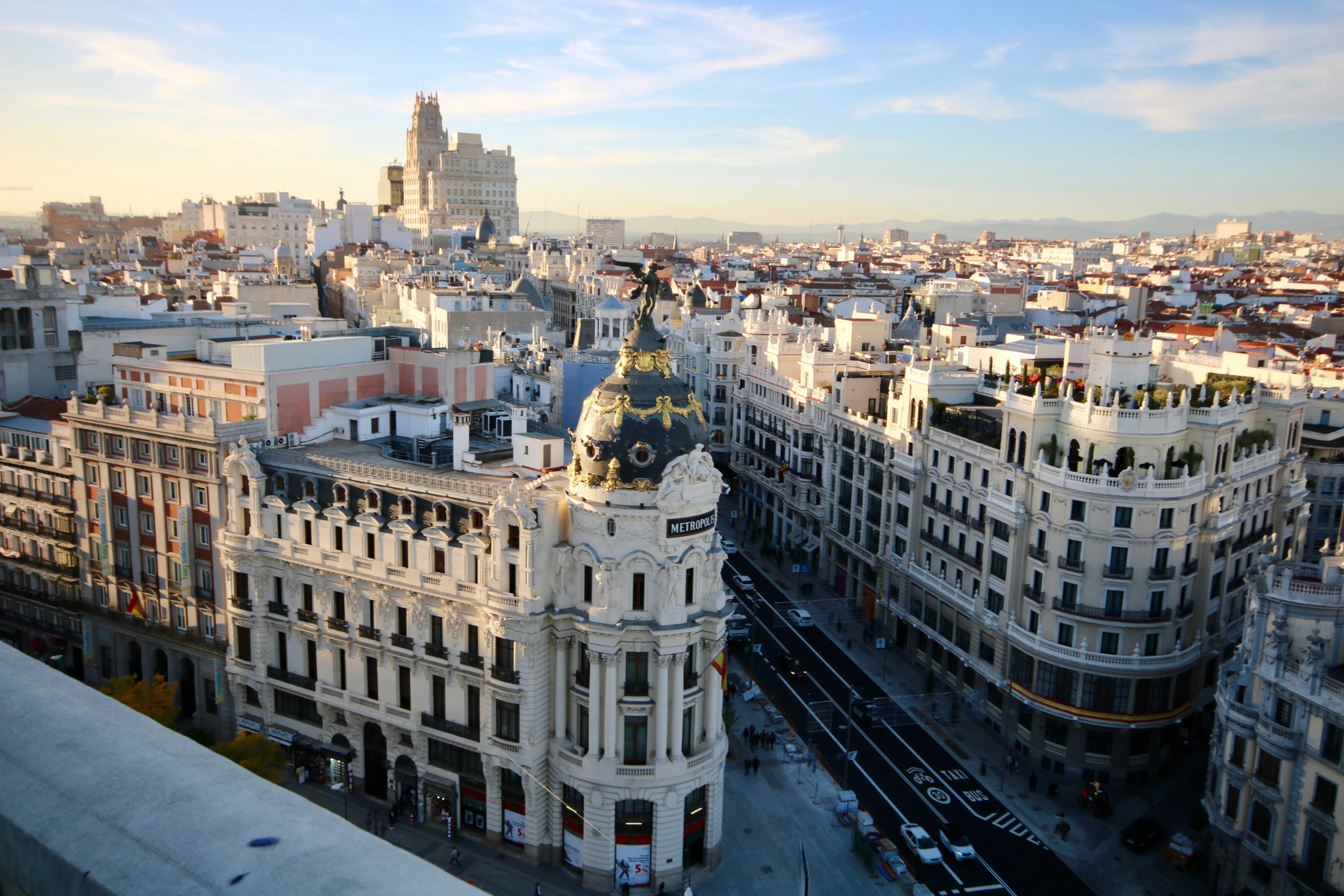
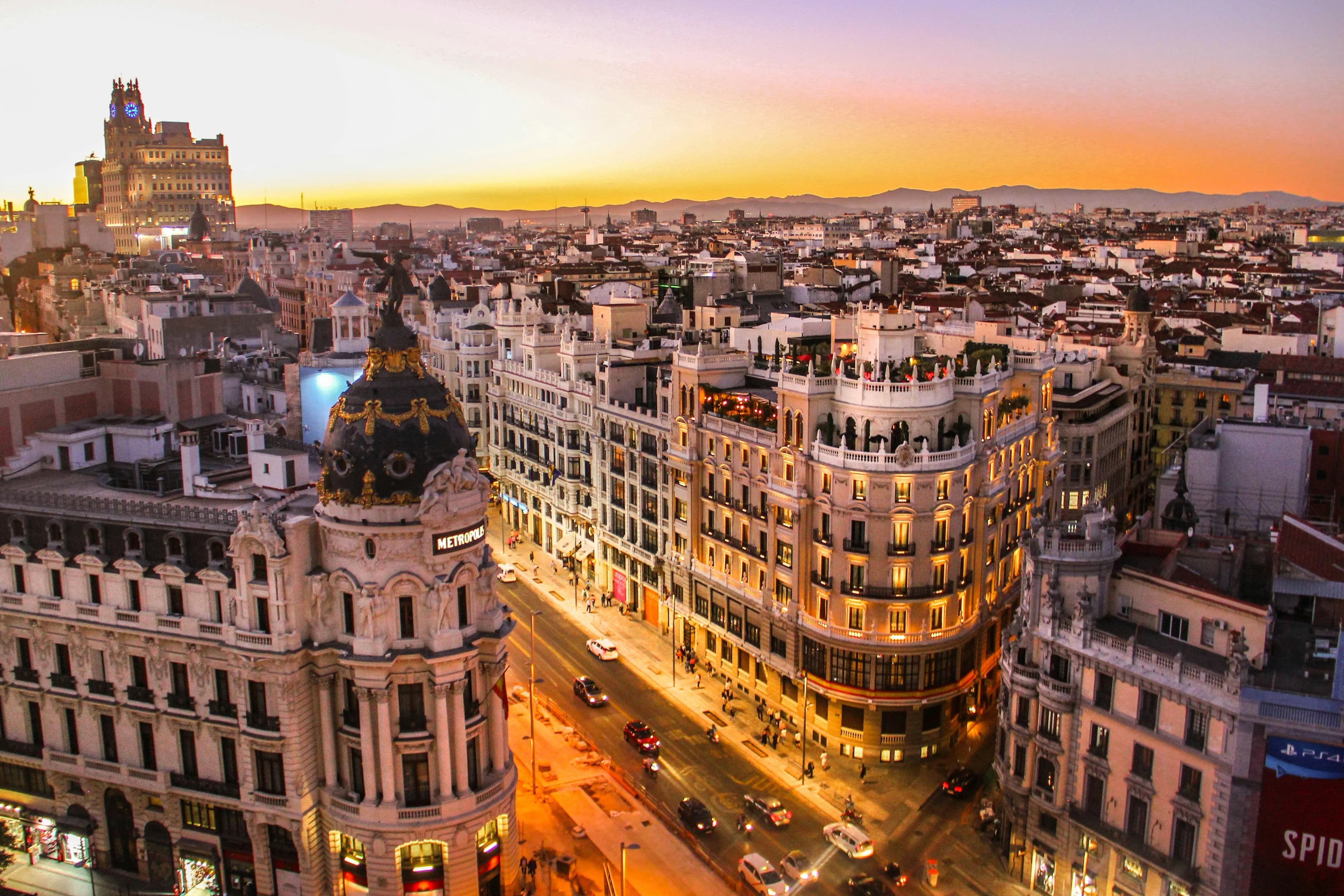
As part of the broader Madrid luxury circuit, Canalejas functions as a highly concentrated address: one where architectural heritage and contemporary hospitality infrastructure coexist within a single city block. The redevelopment of the historic Canalejas complex, which united several listed early twentieth-century buildings, marked a turning point in how Spain approaches the conversion of protected urban fabric into high-end hotel product.
For the suite traveler, this matters. Staying in Canalejas places you within walking distance of the Prado, the Thyssen-Bornemisza, and the Reina Sofia, while remaining embedded in the financial district that borders Calle Alcalá and Gran Vía. The geometry of the stay is efficient, culturally dense, and architecturally coherent.
What to expect from suite-level stays in Canalejas
Architectural character and spatial quality
The suites available within the Canalejas precinct reflect the building's original Beaux-Arts and early modernist structure. High ceilings, large-format windows, and stone facades have been retained and integrated into contemporary interior programs. This is not adaptive reuse in its rougher, industrial form. It is a more considered approach: one that preserves the proportions and materiality of early twentieth-century Madrid while delivering the technical standards expected of a luxury hotel suite at this level.
Travelers who prioritize architectural authenticity over generic five-star finish will find Canalejas particularly well-suited to that preference. The spatial language of the suites, from ceiling height to natural light penetration, reflects the building's original logic rather than imposing a neutral hospitality template over it.
Privacy, access, and urban positioning
One of the measurable advantages of Canalejas as a suite destination is its relationship to the city's movement infrastructure. The area sits within walking range of multiple metro lines, the Atocha rail terminal is reachable in minutes, and the Barajas international airport connection via the metro's Line 8 from Nuevos Ministerios is direct. For travelers managing tight international schedules, this accessibility is a functional asset rather than an incidental one.
The precinct itself, despite its central position, operates with a degree of containment. The internal courtyard structure of the redeveloped complex creates a sense of enclosure that insulates guests from the ambient noise of Gran Vía and Sol. This quality, common to urban palace hotels in Europe's historic capitals, is rarely achievable in purpose-built towers or peripheral luxury hotels.
When to visit Canalejas and Madrid
Madrid operates across a clear seasonal rhythm. The spring months of April and May offer moderate temperatures, cultural programming at peak intensity, and lower occupancy pressure than the summer peak. September and October are widely considered the most balanced period for a high-end stay: the city returns from its August pause with full cultural and gastronomic schedules, and suite availability tends to be more flexible than in July.
July and August bring significant heat to the capital, with temperatures regularly exceeding 35 degrees Celsius. For travelers sensitive to climate, this period requires air-conditioned suite interiors and adjusted schedules. The city empties partially in August as many local residents leave, which reduces the operational intensity of some restaurants and cultural venues.
The winter months, from November through February, are cold but dry, and Madrid's indoor cultural offer remains strong. ARCO, the international contemporary art fair held in February, draws a significant collector and cultural audience and places premium pressure on suite inventory across the city's best addresses, including Canalejas.
Local luxury standards and what defines a top-tier suite in Madrid
Spain does not operate the formal palace hotel classification used in France, but Madrid's most significant hotels have developed their own hierarchy based on heritage, service ratio, and architectural pedigree. The Gran Lujo designation, used within the Spanish hotel classification system, identifies properties operating at the highest official tier, though the most meaningful differentiators at suite level remain spatial quality, architectural authenticity, and the caliber of on-site culinary and wellness programming.
In Canalejas specifically, the standard is defined by the scope of the redevelopment project itself. The integration of a private members club, a luxury retail gallery, and a hotel with residential-grade suites within a single protected complex represents a model that is uncommon in Madrid and relatively rare across Spain as a whole. Travelers accustomed to the grand hotel traditions of Paris or London will find Canalejas a credible peer in terms of ambition and execution.
How to choose the right suite in Canalejas
Considerations specific to this address
Given the architectural nature of the Canalejas complex, suite selection requires attention to orientation and floor position. Upper-floor suites tend to offer quieter environments and better light, while those positioned toward the internal courtyard benefit from acoustic separation from the surrounding street grid. Travelers prioritizing views over the city's roofline should confirm orientation at the time of inquiry rather than assuming it from category name alone.
For extended stays or those combining business and leisure, the proximity of the Canalejas precinct to Madrid's key corporate addresses along Paseo de la Castellana makes it a practical base. The suite inventory here is designed to support both concentrated work periods and access to the city's cultural offer without requiring significant transit time.
Matching suite type to travel purpose
Solo travelers and couples will find the standard suite categories well-proportioned for their needs. Larger parties or families requiring interconnected configurations should confirm availability in advance, as the building's listed status places some constraints on how room adjacencies can be organized. For clients requiring dedicated service arrangements, private dining access, or discreet arrival protocols, these should be communicated directly at the time of booking.
The value of a curated selection by La Suite
Canalejas represents a concentrated and architecturally specific luxury address within a city that offers a broader but less coherent suite landscape. The challenge for the informed traveler is not finding luxury accommodation in Madrid. It is identifying which properties deliver on architectural quality, spatial integrity, and service calibration at the suite level, as opposed to simply carrying a five-star designation.
La Suite's curatorial approach to this address focuses on exactly that distinction. Rather than aggregating all available inventory, the selection is filtered against criteria that matter to the traveler who has stayed in the finest addresses across Europe and expects the same standard of relevance in Madrid. The result is a shorter, more precise list that reflects the actual quality hierarchy of what is available within Canalejas and the surrounding precinct.
For travelers approaching Madrid with a clear sense of what a suite stay should deliver, a curated selection by La Suite removes the noise and surfaces the options that genuinely meet that standard.