Understanding the Golden Mile as a luxury destination
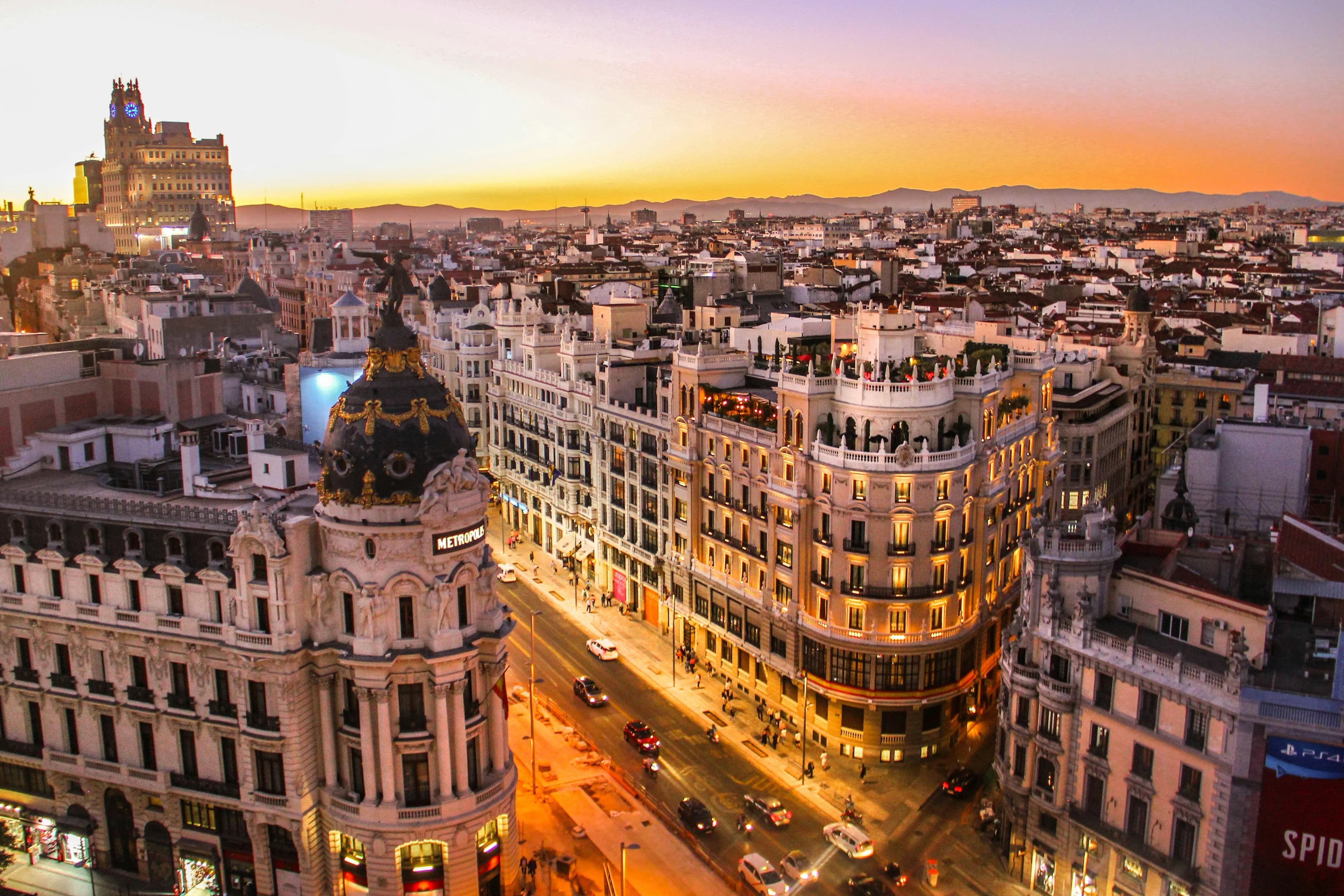
The Golden Mile sits within the broader Jerónimos and Huertas neighbourhoods, placing guests within walking distance of the Cortes Generales, the historic literary quarter and the culinary concentration around Calle de Jesús and Plaza de Cánovas del Castillo. Proximity to these reference points is itself a form of luxury: time saved, context gained, sensory coherence maintained throughout a stay.
Where to stay along Madrid's Golden Mile
Along the Paseo del Prado axis
The immediate perimeter of the Paseo del Prado concentrates the district's most significant hotel properties. Buildings here frequently occupy restored palaces or purpose-built early twentieth-century structures, with floor plans that accommodate genuinely large suites. The boulevard itself is wide, tree-lined and relatively quiet for a central urban artery, meaning that suites facing it offer an unusual combination of light, scale and calm that is rare in European capitals.
Retiro-adjacent positioning
Properties positioned between the Paseo del Prado and the Parque del Retiro benefit from park-facing orientations and a residential character that distinguishes them from the more institutional stretch closer to the museums. This sub-zone appeals to travellers who prioritise morning runs, private garden access and a slightly reduced footprint of tourist circulation without sacrificing proximity to the Golden Mile's cultural core.
Jerónimos and Recoletos
North of the Prado, towards the Biblioteca Nacional and the Museo Arqueológico Nacional, the neighbourhood transitions into Recoletos, with a different register: wider pavements, embassy-adjacent calm and access to the Salamanca district's retail axis along Calle de Serrano. Suites in this corridor suit travellers whose priorities combine cultural programming with private shopping or business appointments in the financial district.
When to visit the Golden Mile for a suite stay
Madrid operates on a year-round calendar, but certain periods carry distinct advantages for suite travellers. Spring (March to May) offers temperate conditions ideal for engaging with the Retiro park and the outdoor terraces that activate across the district. September and October bring a return of institutional programming, gallery openings and the ARCOmadrid-adjacent cultural calendar, making autumn the most intellectually charged period to visit.
July and August see reduced domestic foot traffic as Madrid residents leave for the coast, which translates into quieter streets, more available suite inventory and a particular stillness in the museum queues. However, temperatures regularly exceed 35 degrees Celsius, which concentrates activity in early mornings and evenings. The Christmas period introduces a specific atmosphere around the Retiro's rose garden and the traditional festivities of the Puerta del Sol, though this is the district's busiest window for hospitality.
Major cultural events worth aligning with include ARCO (the international contemporary art fair, held in February), the San Isidro festival in May and the series of free museum nights that occur across the summer calendar. Suite availability at premium properties should be secured well in advance during these windows.
Spanish luxury hospitality standards along the Golden Mile
Spain does not operate a formal national palace classification equivalent to France's legal "Palace" designation, but Madrid's leading properties maintain standards that sit comfortably within that register. The key local indicator is the Gran Lujo category within the Spanish hotel classification system, which denotes the highest tier of five-star properties.
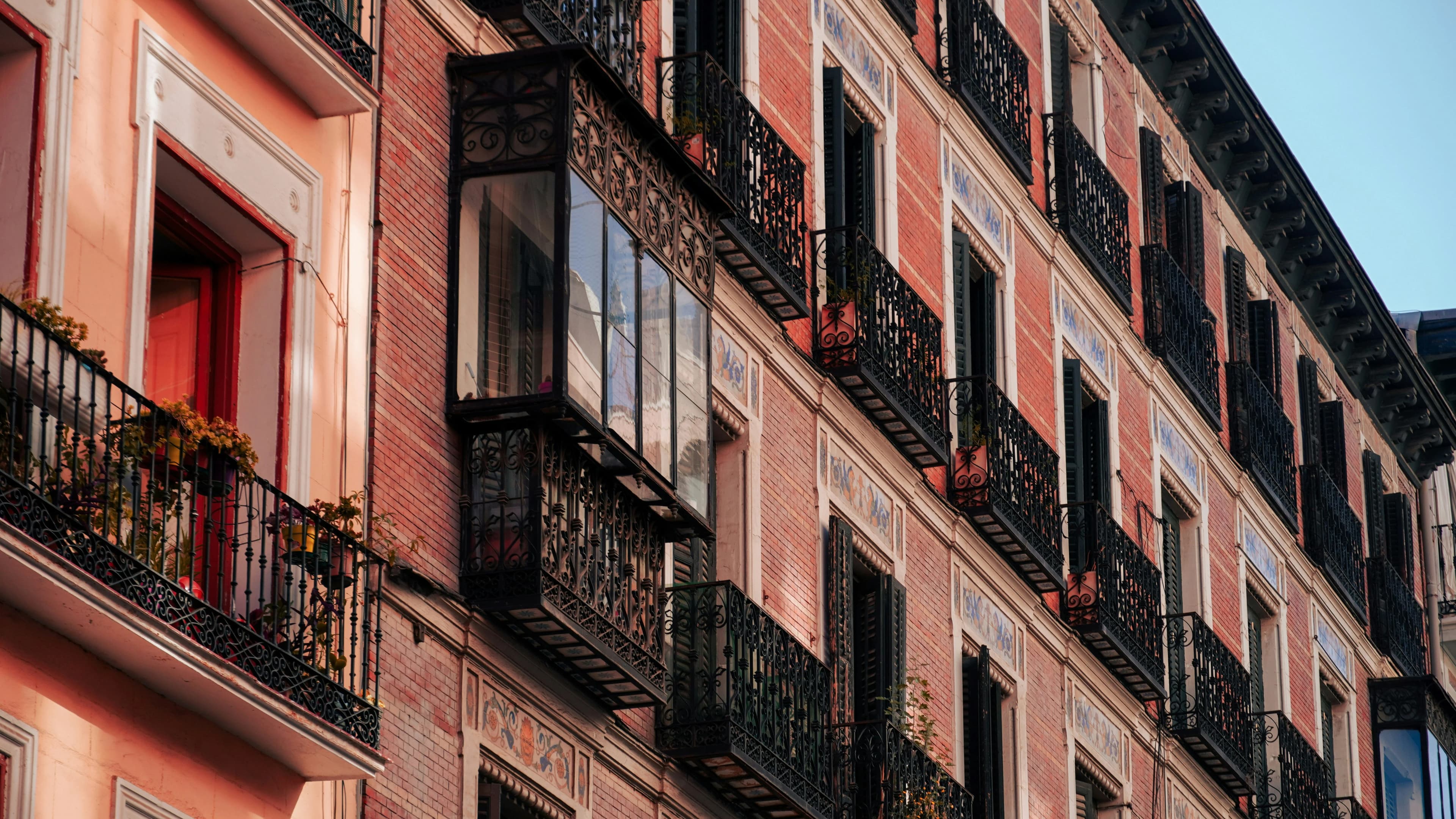
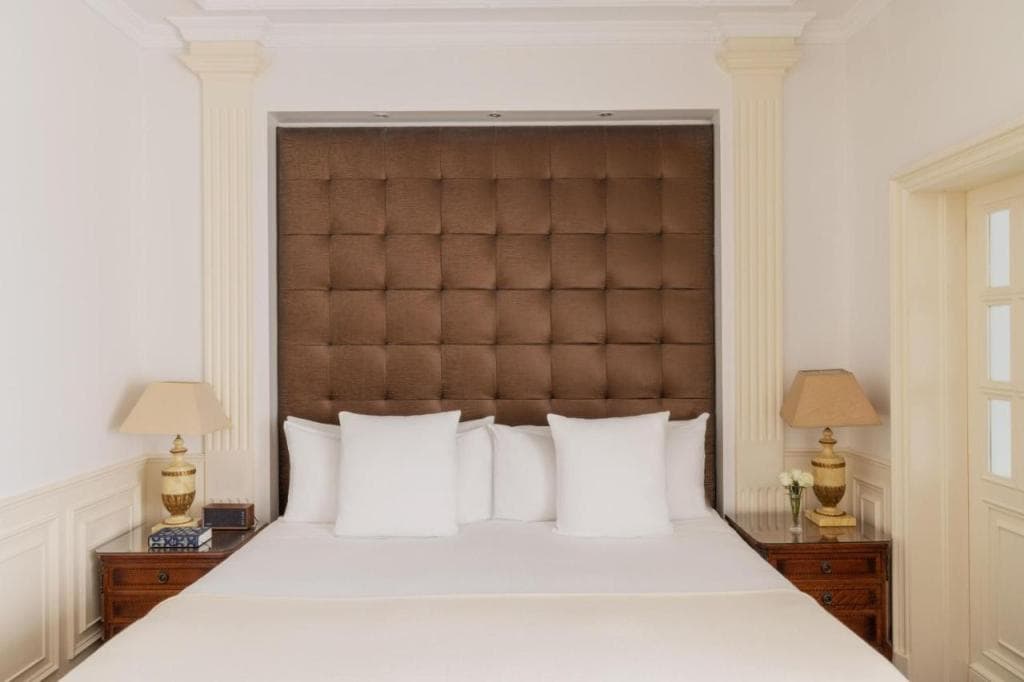
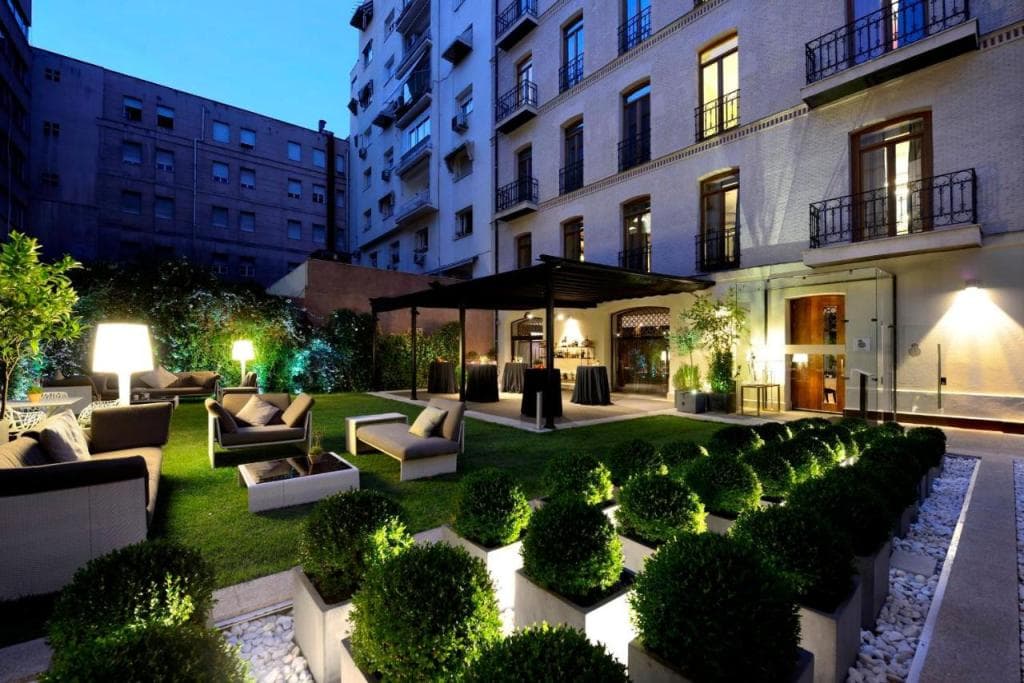
In the Golden Mile specifically, suite design frequently draws on the building's original architectural language: coffered ceilings, interior patios (or patios de luces), stone facades and spatial proportions derived from the original palace or civic building typology. The best suites in this district do not impose a generic international luxury vocabulary onto their interiors. They work with the building's structural memory, which is precisely what distinguishes a considered suite from a standardised one.
Service expectations at this level include dedicated concierge access to Prado timed-entry reservations, private after-hours museum visits (available through select partnerships), in-suite dining with kitchen teams trained at Michelin-level establishments and access to private car services familiar with the restricted traffic zones that govern central Madrid.
For broader context on luxury hospitality standards across the country, the Spain destination guide on La Suite offers a comparative framework across the peninsula's major luxury corridors.
How to choose the right luxury suite in the Golden Mile
Historical architecture versus contemporary intervention
The choice between a suite occupying a restored historical building and one within a purpose-built contemporary tower is more significant in Madrid than in cities where architectural blending is more seamless. Historical properties offer ceiling height, original material palettes and a physical connection to the city's institutional past. Contemporary interventions typically prioritise technical systems, acoustic performance and terrace access with unobstructed Prado or Retiro views.
Suite orientation and light
Madrid receives over 2,800 hours of sunlight annually, more than most European capitals. Suite orientation matters accordingly. West-facing suites along the Paseo del Prado receive afternoon light that changes the quality of the interior environment considerably. North-facing suites offer consistent, cooler light preferred by travellers sensitive to heat during summer stays. These considerations should form part of any informed suite selection process.
Access to the city's restricted zones
Central Madrid operates under the Madrid Central low-emission zone and its successor restrictions, which affect vehicle access. Suites within properties that maintain private car access or that fall within walking distance of all primary cultural destinations reduce the logistical friction that affects less carefully positioned hotels. This practical dimension is a genuine differentiator at the luxury tier.
For context on how the Golden Mile sits within the broader Madrid luxury accommodation landscape, the city-level guide on La Suite maps the distinct neighbourhoods and their respective suite profiles. Similarly, travellers considering a multi-destination itinerary across the continent may find the Europe destination overview useful for comparative positioning.
The value of a curated selection in this district
The Golden Mile is a compact zone, but the range of properties within it varies considerably in terms of suite quality, spatial coherence and service depth. Surface-level indicators such as star ratings and online review aggregates do not reliably distinguish between a suite that has been architecturally considered from the ground up and one that has simply been furnished to a price point.
La Suite's curation of Madrid's Golden Mile properties applies editorial criteria that prioritise spatial quality, material integrity, service architecture and the suite's relationship to its urban context. The result is a selection that removes ambiguity from the decision process and allows travellers to commit to a property with the confidence that the physical experience will match the conceptual promise. This is the operational definition of curation at the luxury tier: not a longer list, but a more precise one.