Where to stay in Palma de Mallorca for a luxury suite experience
The old town and the cathedral quarter
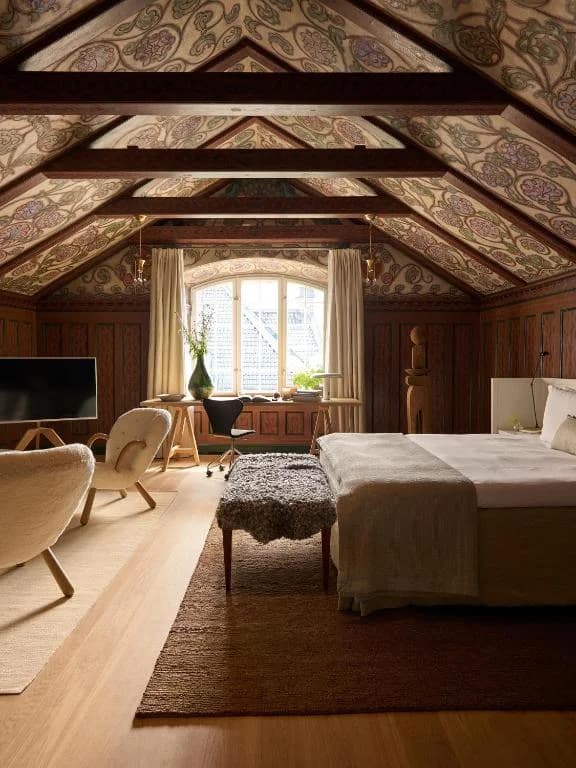
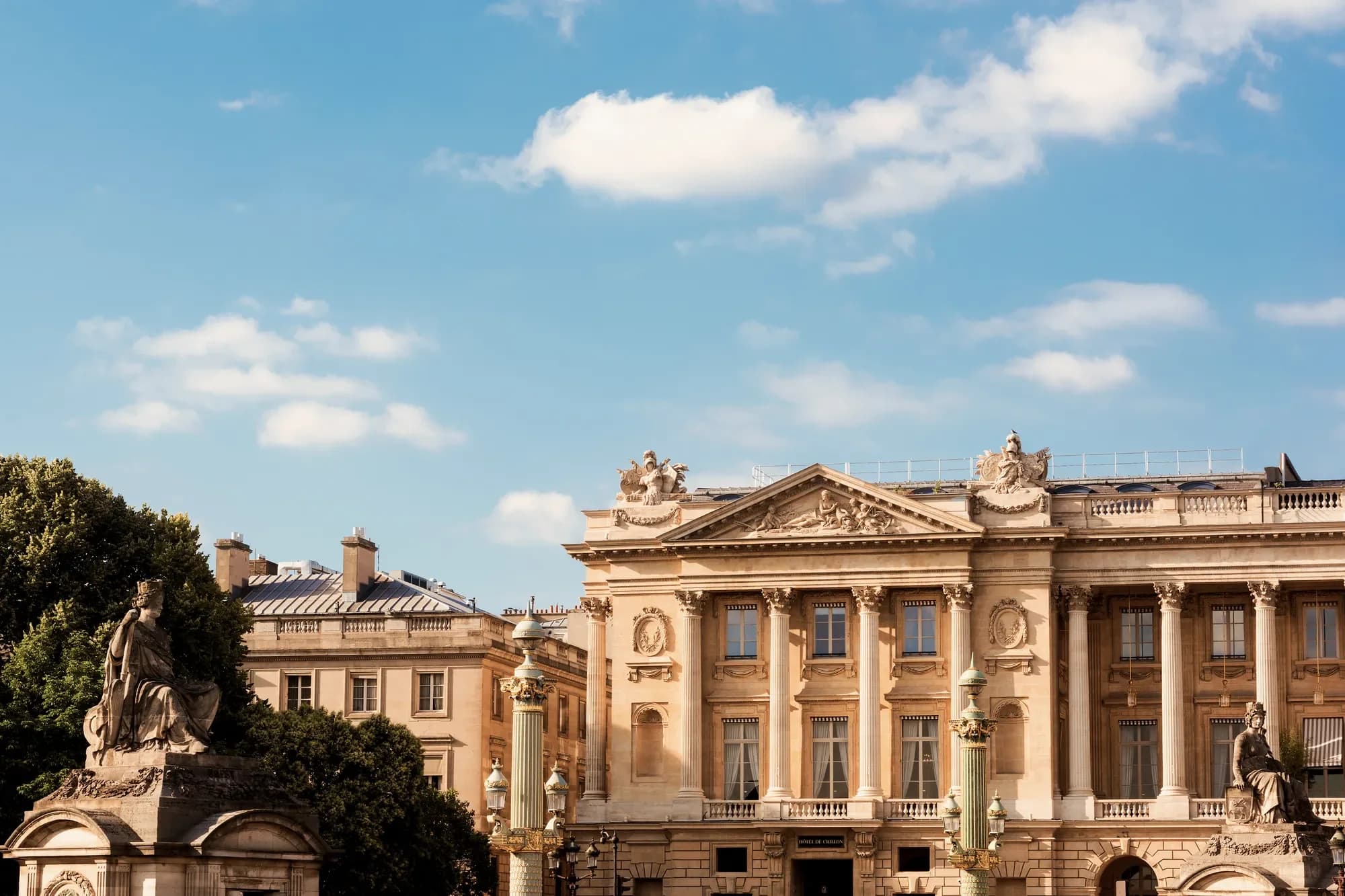
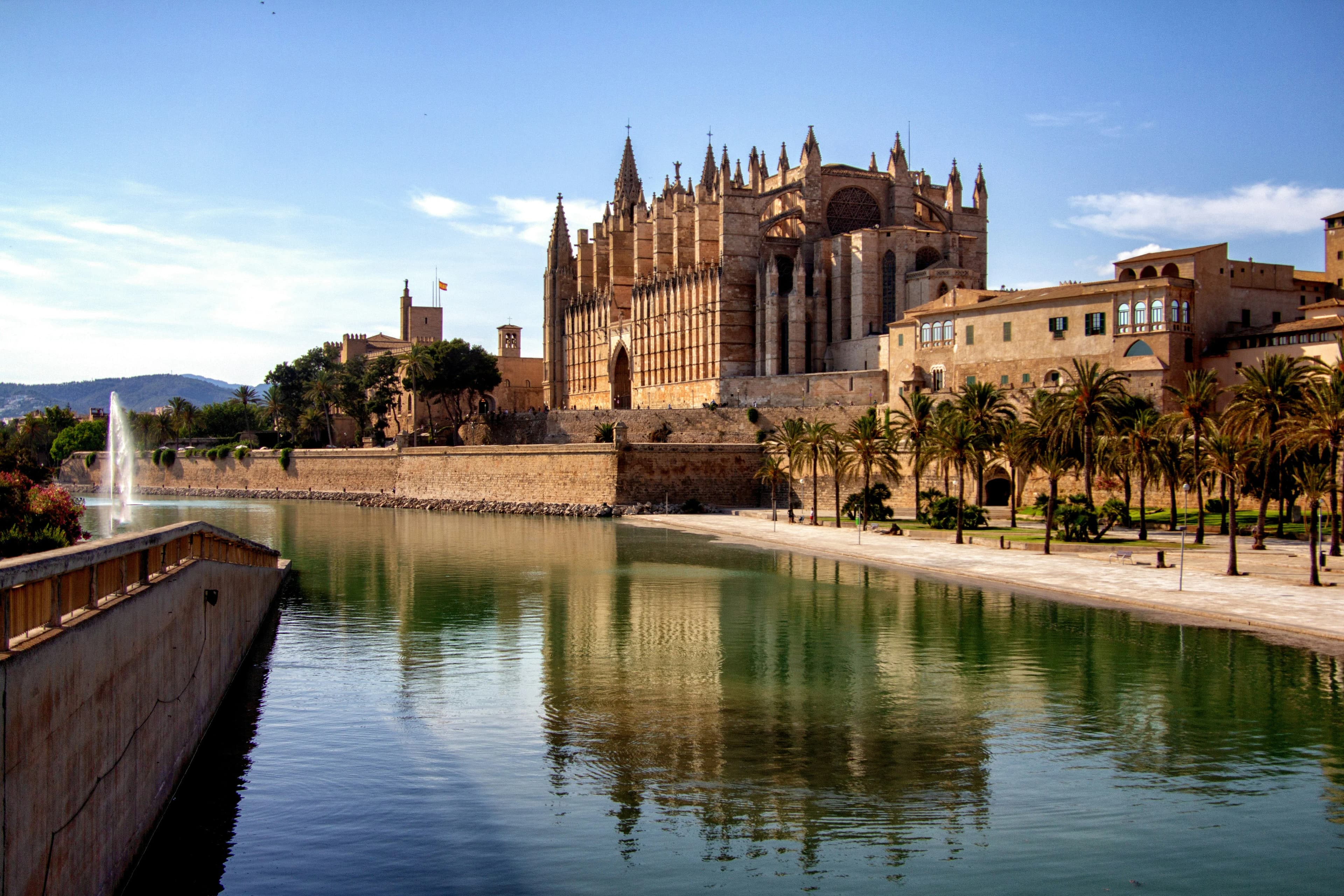
The historic center, known locally as the Casc Antic, concentrates the city's most significant architecture: medieval palaces, Renaissance courtyards, and the limestone mass of the Seu Cathedral facing the bay. Luxury hotels in this quarter tend to occupy converted noble mansions, where thick stone walls, interior patios, and centuries-old proportions create a specific kind of spatial experience that modern builds cannot replicate. Suites here often feature original architectural elements alongside contemporary interiors. The trade-off is that the streets are narrow and pedestrianized, which means the immediate environment is quiet and walkable, but access by car requires some navigation.
Santa Catalina and the western neighborhoods
Santa Catalina, once a working-class market district, has undergone a sustained transformation over the past decade and now functions as the city's most active dining and social quarter. The market building at its center remains operational and is worth visiting early in the morning. Properties in this area offer a different register: closer to the marina, with a more contemporary urban feel, and convenient proximity to the Paseo Maritimo waterfront promenade.
The seafront and Paseo Maritimo
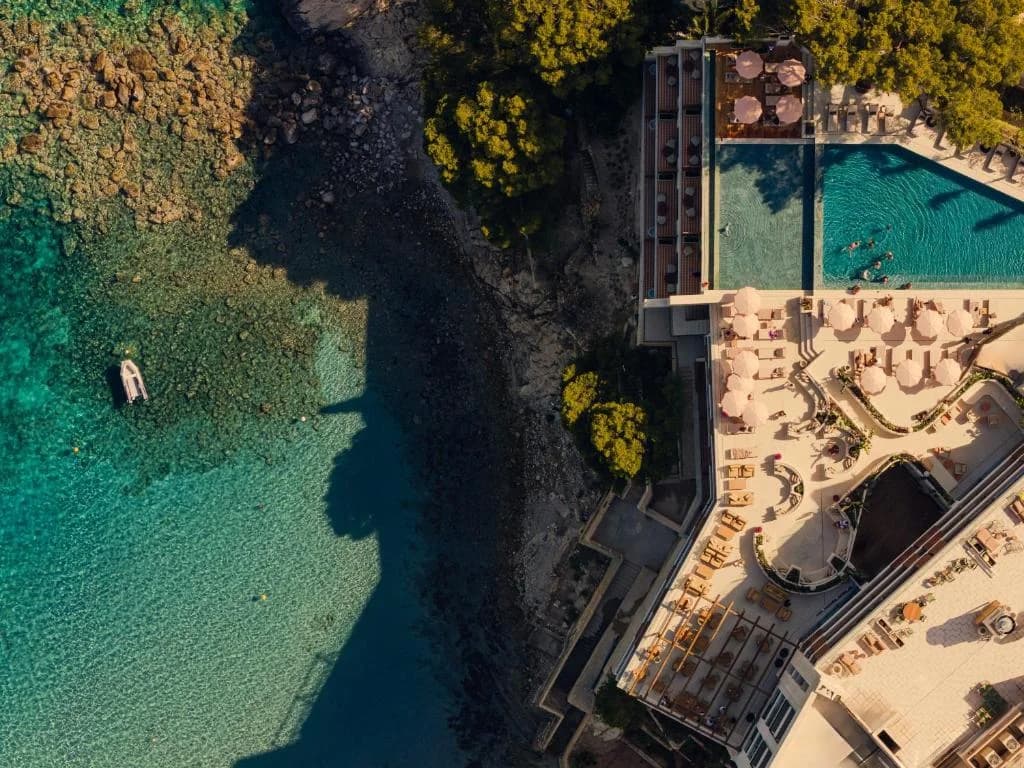
The long seafront boulevard connects the old port to the western beaches and is lined with hotels that prioritize bay views and yacht access. For travelers arriving by sea or spending time on the water, proximity to the marina is a practical and atmospheric consideration. Suite views here can include the cathedral profile across the bay, which is one of the more memorable urban panoramas on the island.
When to visit Palma de Mallorca for a suite stay
Palma operates on a pronounced seasonal rhythm, and the timing of a visit significantly affects both the experience and the practical conditions of a suite stay.
Spring and early autumn: the considered choice
April through June and September through October represent the most calibrated windows for visiting Palma. Temperatures are moderate, typically between 18 and 26 degrees Celsius, the city functions at a measured pace, and luxury hotel availability is generally better than in the summer peak. Cultural programming, including art exhibitions and music events, tends to cluster in these shoulder months.
Summer: high season and its implications
July and August bring the full weight of Mediterranean summer tourism to Palma. The city and island receive a very large volume of visitors during this period, which affects street-level atmosphere and suite availability at premium properties. Advance planning is essential for July and August bookings at top-tier luxury hotels. That said, long summer evenings, rooftop terraces, and access to the surrounding coastline are genuine draws for travelers who prefer the energy of peak season.
Winter: a different city
From November through March, Palma reveals a quieter, more local character. Many resort-focused hotels on the island close for the season, but the city's urban properties remain open, often at more accessible rates. The light in winter is clear and distinctive, and the absence of crowds allows a more direct engagement with the city's architecture and culture.
Understanding luxury hotel standards in Palma de Mallorca
Spain does not operate a nationally standardized luxury designation equivalent to the French Palace label, but Palma has developed a recognizable tier of high-end hospitality anchored in the conversion of historic buildings and a design-forward approach to interiors.
The palacio hotel typology
Several of Palma's most respected luxury hotels occupy converted aristocratic palaces, locally called palacios or cases nobles. These properties are characterized by their central patios, stone staircases, high-ceilinged rooms, and the integration of original architectural features into the guest experience. Suites in these buildings frequently offer access to private terraces or garden courtyards, which are scarce in the dense urban fabric of the old town. The architectural authenticity of these spaces is a meaningful part of what they offer.
Design hotels and contemporary properties
Alongside the historic conversions, Palma has attracted a cohort of design-oriented hotels that prioritize contemporary aesthetics, art curation, and spatial minimalism. These properties tend to appeal to travelers whose primary reference is design rather than heritage. Suites in this category are typically conceived as total environments, with attention to material, light, and proportion that reflects current European hospitality design thinking.
What to expect from a top-tier suite in Palma
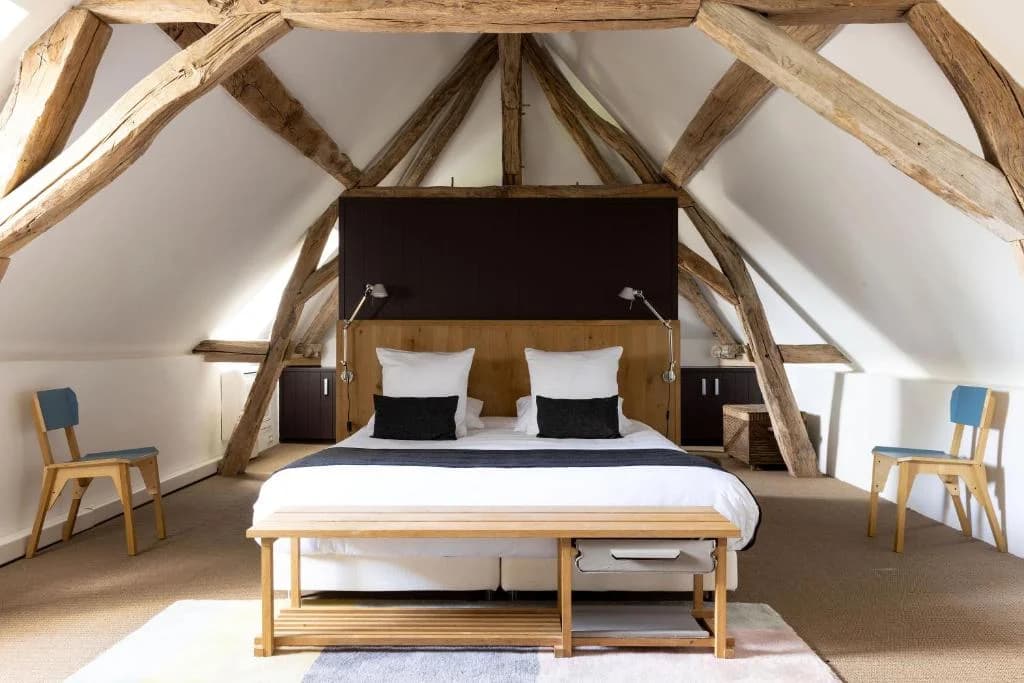
A luxury hotel suite in Palma will generally offer a meaningful separation between living and sleeping spaces, private outdoor access in the form of a terrace or balcony, and a level of material quality consistent with international five-star standards. Many of the finest suites in the city also feature curated art selections and direct service from dedicated staff. The scale of Palma's luxury inventory is selective rather than extensive, which means the properties that reach the highest tier are genuinely distinct from one another.
How to choose the right luxury suite in Palma de Mallorca
Because the city's luxury hotel landscape is relatively concentrated, the decision between properties comes down to a clear set of considerations rather than an overwhelming number of options.
Historic architecture versus contemporary design
The fundamental choice in Palma is between staying in a converted historic building and staying in a property built or comprehensively redesigned with contemporary hospitality in mind. The former offers spatial character and a physical connection to the city's Mallorcan heritage. The latter offers precision and control over the sensory environment. Neither is objectively superior: the right choice depends on whether the traveler is primarily seeking immersion in place or a curated retreat from it.
Location relative to the waterfront and the old town
In practical terms, the distance between the cathedral quarter and the seafront is walkable, but the character of the two areas is sufficiently different that the choice of location has a real effect on the daily rhythm of a stay. Travelers who want to wake up to sea views and direct port access should prioritize the Paseo Maritimo corridor. Those who want to be surrounded by the city's architectural density should look to the historic center.
Suite size and configuration
Palma's converted historic hotels occasionally have suites with non-standard configurations, reflecting the original floor plans of the buildings they occupy. This can mean particularly generous ceiling heights or unusual room shapes that add character, but it can also mean that some suites are elongated or irregular in ways that affect how the space functions. Reviewing floor plans or detailed descriptions before booking is a sensible step.
Why a curated selection by La Suite matters in Palma de Mallorca
The luxury hotel market in Palma is selective but not simple to navigate from the outside. Several properties present themselves at a high price point without delivering the spatial quality, service consistency, or design integrity that a discerning traveler would expect. La Suite applies a consistent editorial standard to assess which suites in Palma genuinely merit the designation of exceptional. The curated selection reflects direct knowledge of the properties, their room categories, and the specific conditions that determine whether a suite stay here is merely comfortable or genuinely memorable. For travelers who are visiting Palma for the first time, or who want to ensure that a special stay performs at the level they require, the La Suite selection provides a reliable and precise starting point.