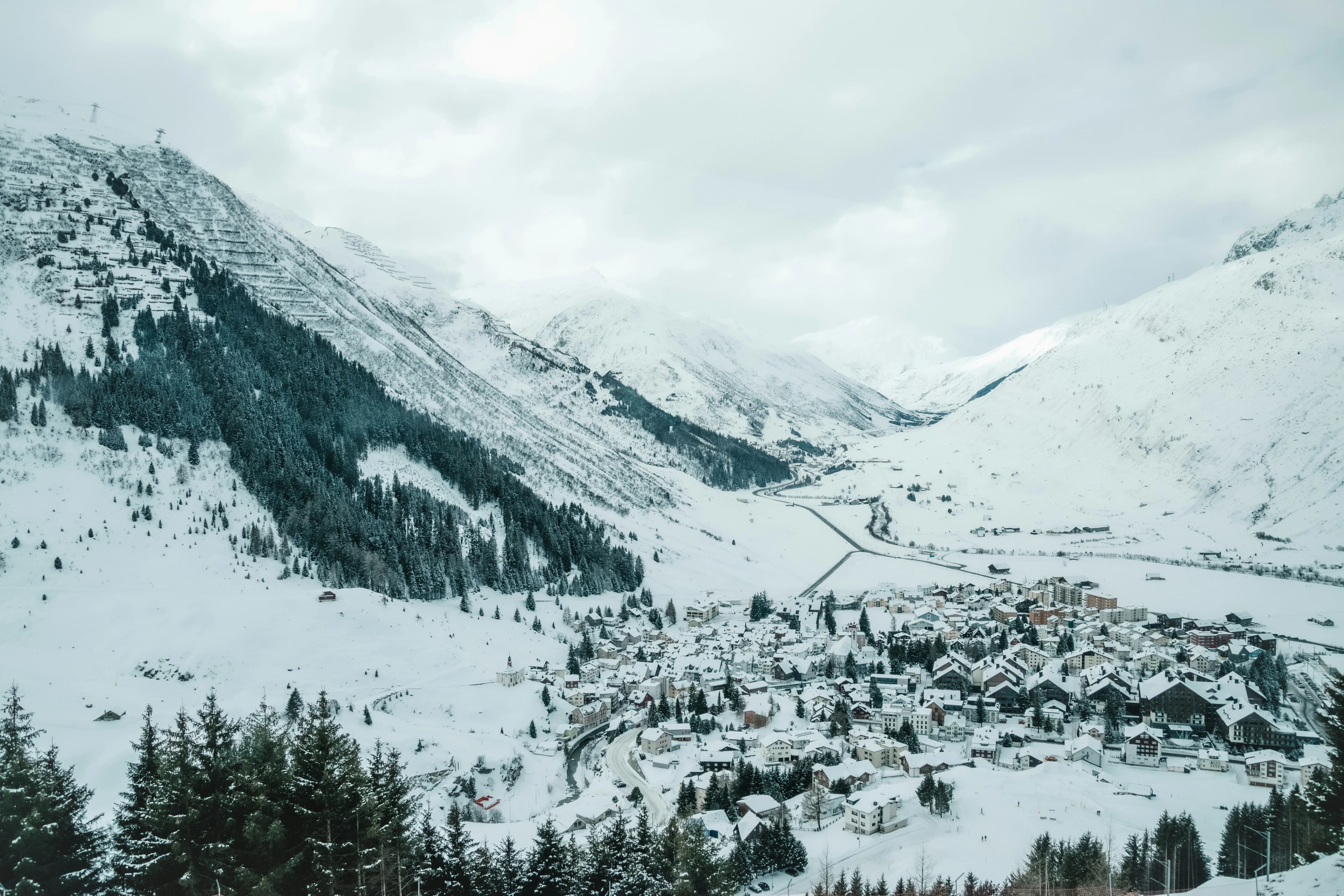
Where to stay in Andermatt: understanding the resort's distinct zones
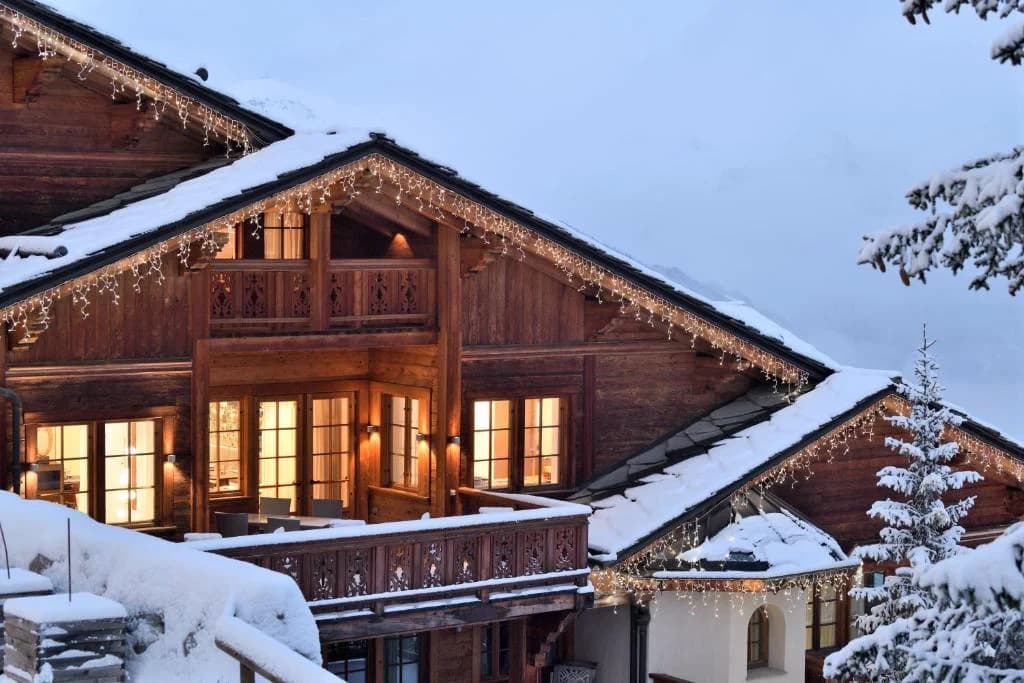
The historic village, a few minutes' walk away, offers a quieter register: Baroque church, narrow lanes, and a pace that recalls what Swiss mountain towns looked like before the ski resort era. Travellers seeking that texture may prefer properties that sit closer to or within the original settlement. The spatial separation of these two identities within a single small town is one of Andermatt's more interesting characteristics for the discerning visitor.
For those arriving by rail, the Matterhorn Gotthard Bahn connects Andermatt to the broader Swiss network, making the town accessible without a car. The proximity of the Gotthard Pass adds a historical dimension: this was one of the principal crossing points between northern and southern Europe for centuries, and that sense of transit and convergence remains legible in the landscape.
When to visit Andermatt for a luxury suite stay
Andermatt operates as a genuine year-round destination, which distinguishes it from many alpine resorts that close entirely in the shoulder seasons. The ski season runs from approximately November to late April, with the Gemsstock area offering some of the highest and most technically demanding terrain in the Swiss Alps. February and March represent the peak of the winter season in terms of snow conditions and resort activity.
Summer brings a different but equally compelling proposition. The valley opens up for hiking, mountain biking, and road cycling, with the passes to Gotthard, Furka, and Susten all accessible. July and August attract a quieter, more culturally oriented visitor. The Andermatt Music Festival, held each summer, draws serious audiences for chamber and orchestral performances in an intimate alpine setting, and represents one of the more culturally distinctive events in Swiss mountain tourism.
The shoulder seasons, October and May, offer reduced rates, genuine solitude, and the particular quality of alpine light that comes before and after the main crowds. Suite availability is generally strong during these periods, and properties may offer more flexibility on configuration and length of stay.
Swiss alpine luxury standards: what to expect from top-tier suites in Andermatt
Switzerland does not operate a formal national hotel classification equivalent to the French Palace designation, though the Swiss Hotel Association's five-star superior category is the relevant benchmark for the highest tier of property. In Andermatt, the dominant operators are international luxury groups whose suite product is consistent with their broader global standards, adapted to the alpine context.
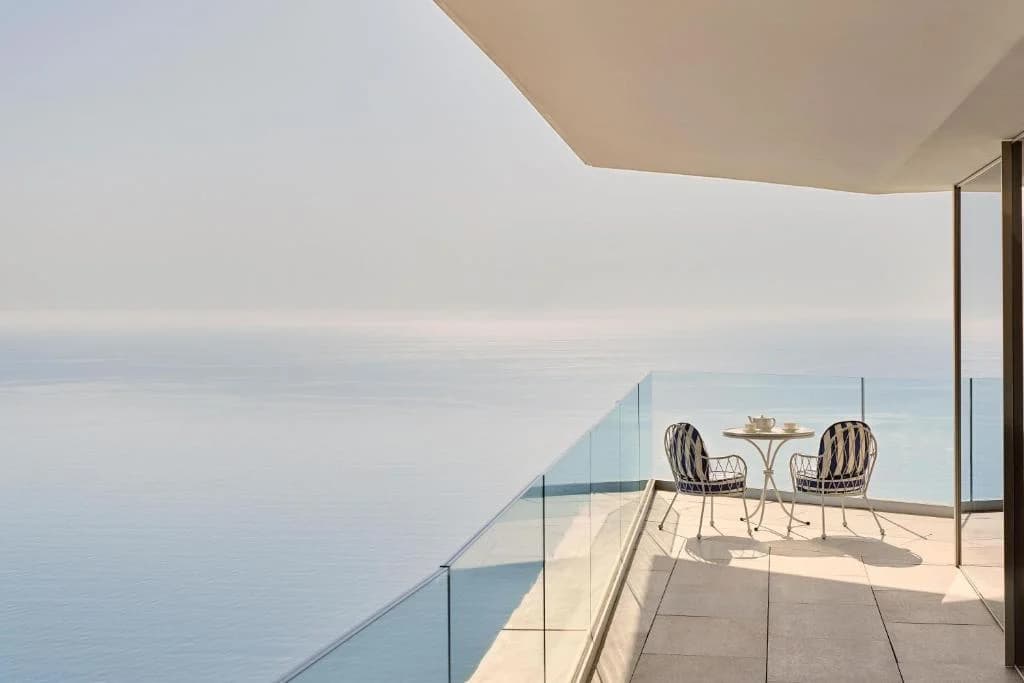
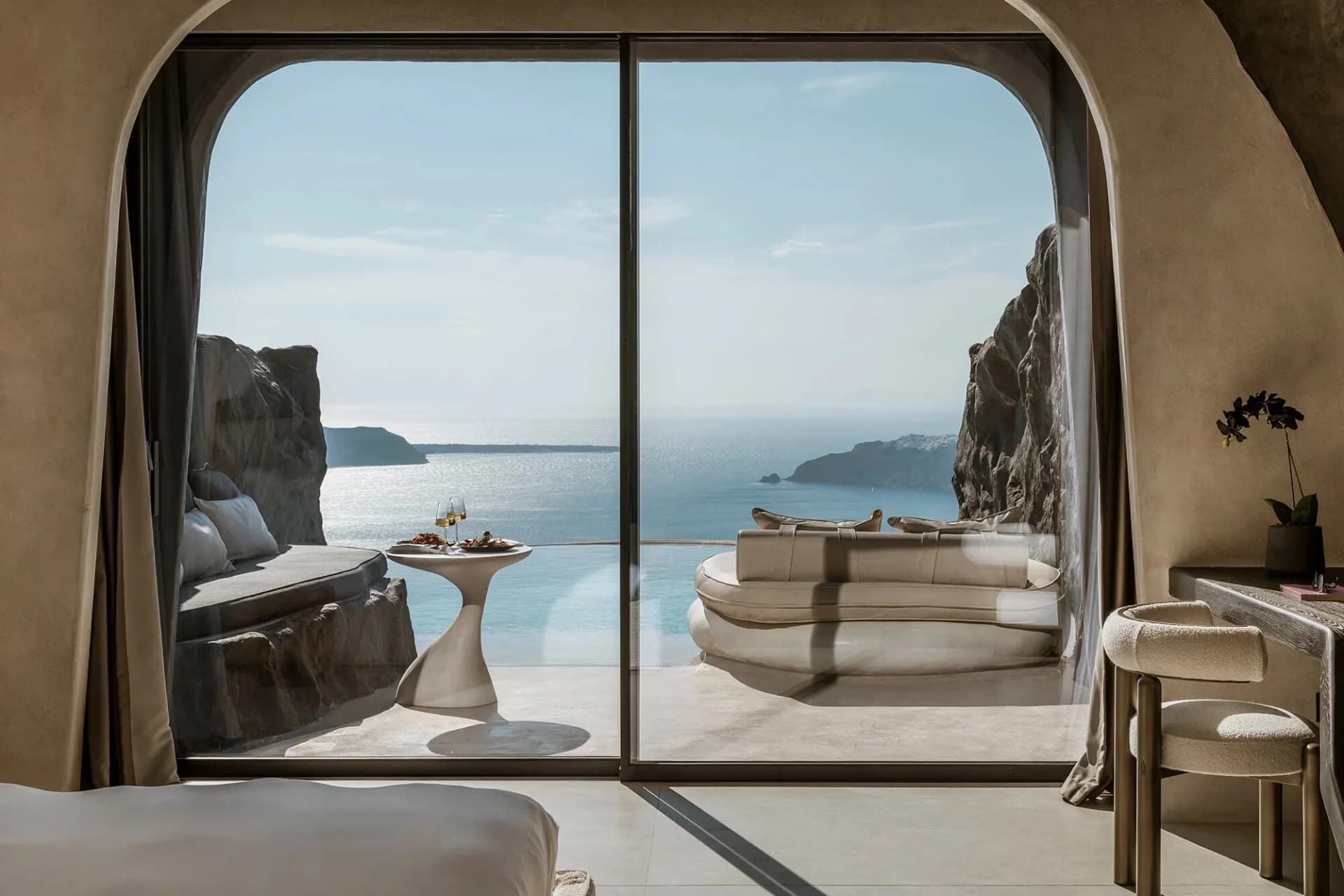
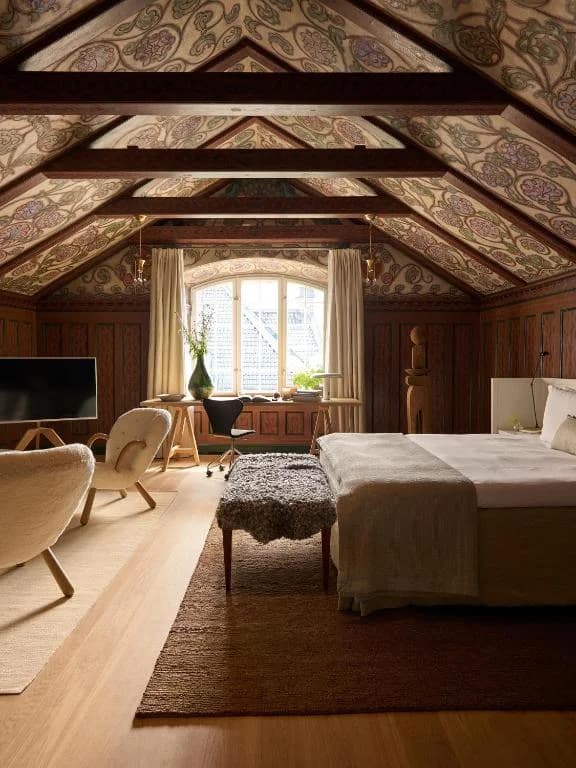
What distinguishes the best luxury hotel suites in Andermatt is the integration of the exterior landscape into the suite experience. Floor-to-ceiling glazing oriented toward the Gemsstock or the valley floor, private balconies or terraces designed for year-round use with appropriate heating, and interior material palettes that reference alpine craft traditions without pastiche: these are the markers of a genuinely considered suite in this environment.
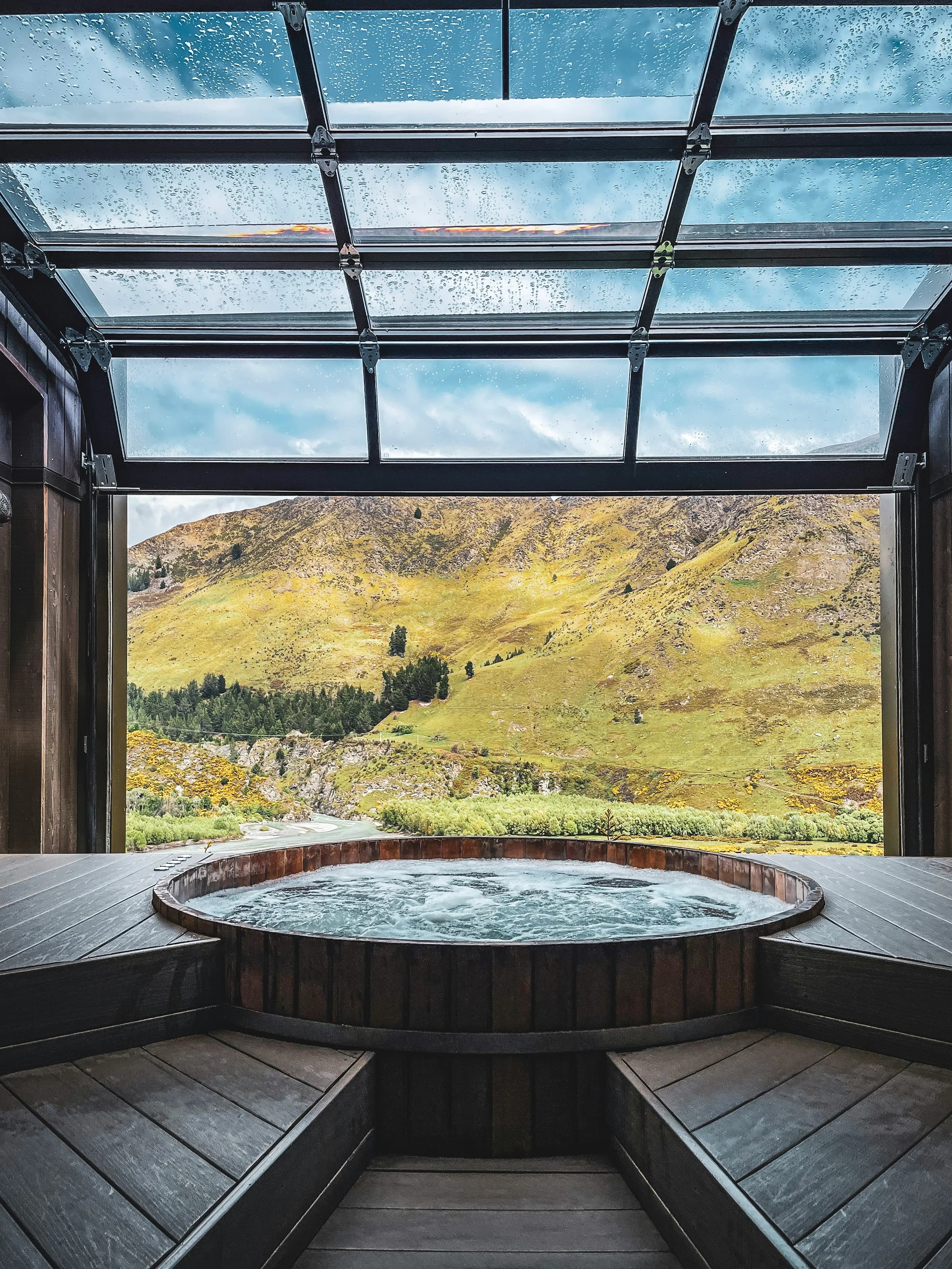
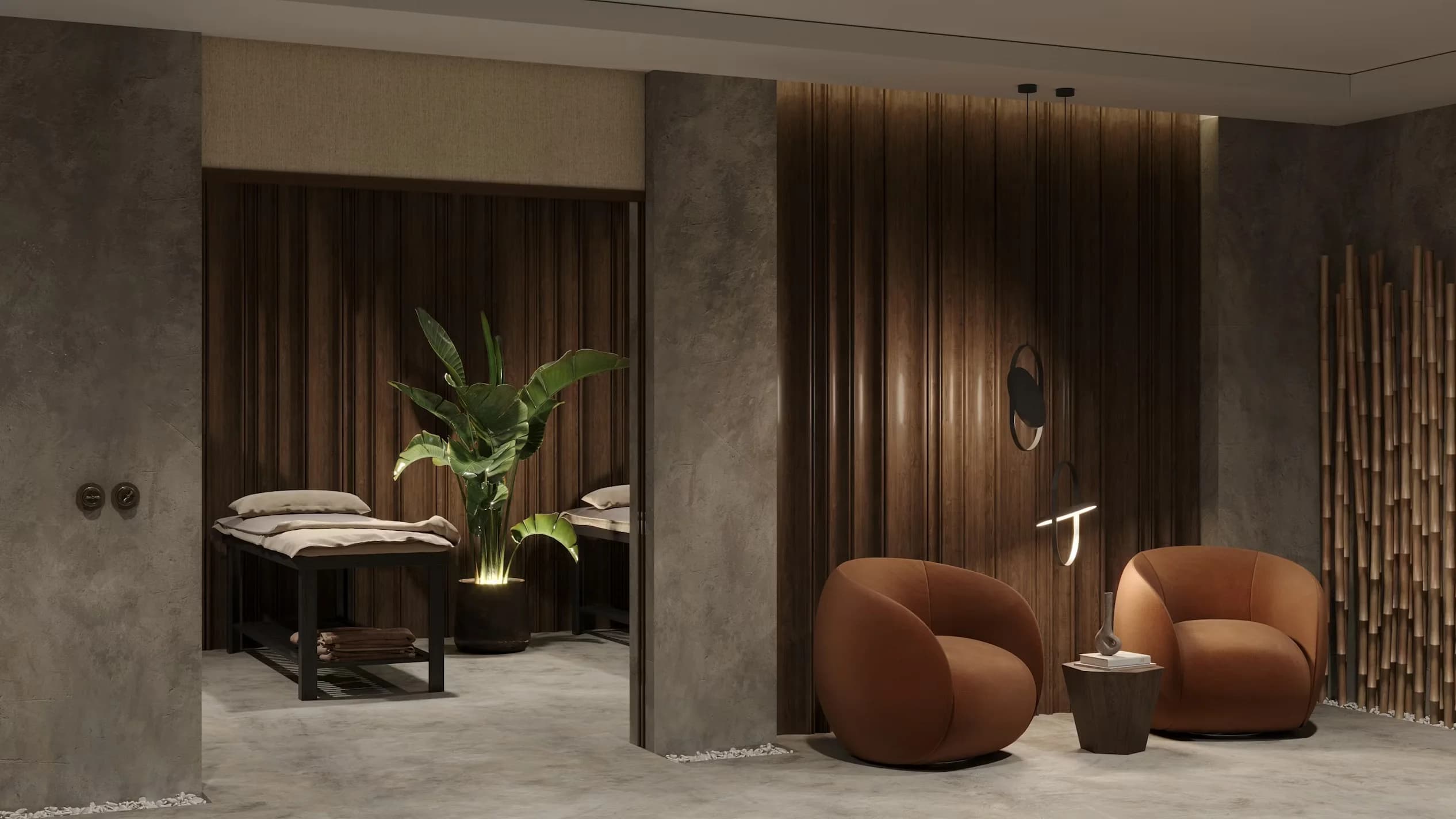
Spa infrastructure in Andermatt's top properties is substantial. The altitude and climate make thermal facilities not merely an amenity but a functional part of the stay. Indoor and outdoor pools, halotherapy, and treatment programmes calibrated to post-skiing recovery are standard at the highest tier. Suite guests at leading properties typically have access to dedicated spa floors or priority booking that separates their experience from the general hotel population.
The dining offer in Andermatt has matured significantly. Several outlets now hold or have held Michelin recognition, and the concentration of quality restaurants within walking distance of the main hotel cluster is genuinely exceptional for a town of this size. Suite guests should expect in-suite dining to be a well-executed option rather than an afterthought.
How to choose the right luxury suite in Andermatt
The primary decision axis in Andermatt is between the new resort architecture and any remaining historic property stock. The new district offers technical modernity: superior acoustic insulation, the latest building systems, contemporary furniture by recognised designers, and direct ski-in access in some configurations. The historic village offers a different quality of presence, though the suite product in older buildings may involve compromises on space or technical specification.
For winter visits, the orientation of the suite matters considerably. North-facing rooms lose afternoon sun in a valley with steep flanking ridges. Suites facing south or southwest will retain direct light through the alpine afternoon, which is material to the quality of the experience at this latitude in December and January.
Party size and configuration is another relevant consideration. Andermatt attracts family groups and small private parties as well as couples. Multi-room suite configurations, connecting suites, and residences with kitchen facilities are available at the higher tier of the market. Families with children or groups requiring separate sleeping quarters should identify properties that offer genuine residential configurations rather than simply adjacent standard rooms.
Altitude is a minor but real consideration at 1,444 metres. Most travellers adapt without difficulty, but guests with respiratory sensitivities or those arriving from sea level for intensive physical activity should account for one to two days of adjustment.
The value of a curated selection in Andermatt
The luxury hotel market in Andermatt has grown rapidly and is still maturing. The concentration of five-star properties in a small geographic footprint means that the differences between properties, while real, are not always visible from standard booking interfaces. Rate parity rules and category conventions flatten distinctions that are architecturally and experientially significant.
A curated selection by La Suite approaches Andermatt as a suite-level editorial question: which properties in this valley offer the most considered suite experience for a given travel profile, season, and purpose. The answer varies. A solo traveller attending the music festival has different spatial and sensory priorities than a family of four booking for the February ski peak. The curation accounts for these variables in a way that a standard search ranking cannot.
La Suite's selection for Andermatt reflects the current state of the market, updated as new properties open and existing ones renovate their suite inventory. In a destination that is actively developing, currency of information is itself a form of value.