Why Zermatt commands a different kind of attention
The distinct areas of Zermatt for a luxury stay
The village centre and Bahnhofstrasse
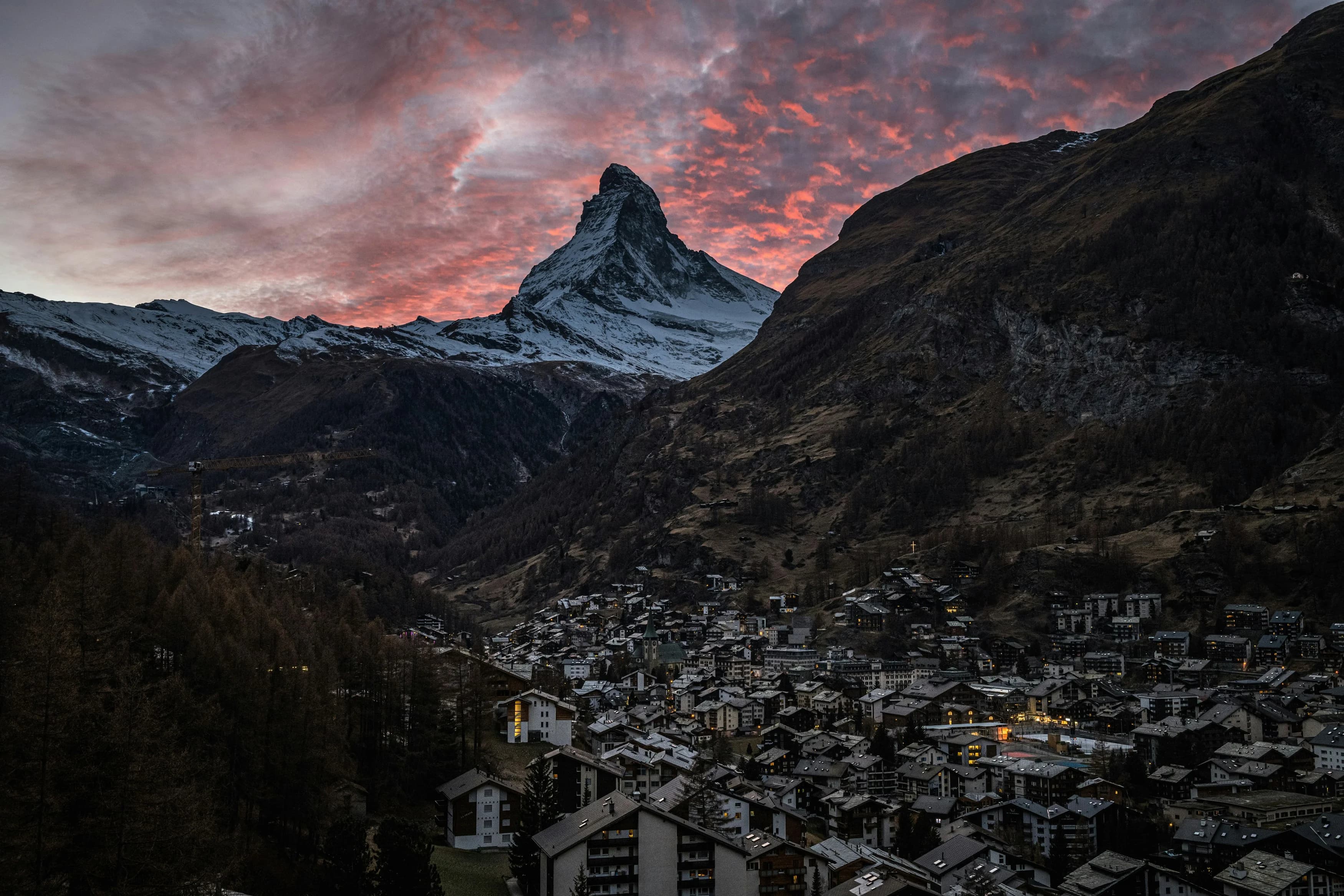
The pedestrian spine of Zermatt runs from the train station south toward the base of the lift systems. Properties positioned along or close to this axis offer immediate access to the village's concentrated restaurant and retail offer, while still maintaining the quiet that comes from the ban on private cars. Suites here tend toward the classic alpine aesthetic: dark timber, stone detailing, and southward-facing terraces positioned to frame the Matterhorn directly. The density of the village centre means that arrivals and departures are logistically straightforward, which matters for guests connecting from Zurich or Geneva on a compressed schedule.
The quieter northern and eastern flanks
For guests who prioritise stillness over convenience, the peripheral streets away from Bahnhofstrasse offer a more residential quality. Properties here often have larger plot footprints, more garden presence, and a stronger sense of separation from the pedestrian traffic of the main thoroughfare. The visual access to the Matterhorn is frequently less direct from this position, but the spatial generosity of suites in these locations can compensate substantially. This is the part of Zermatt that rewards guests who intend to stay across multiple days and want a base that feels self-contained.
Elevated positions and hillside properties
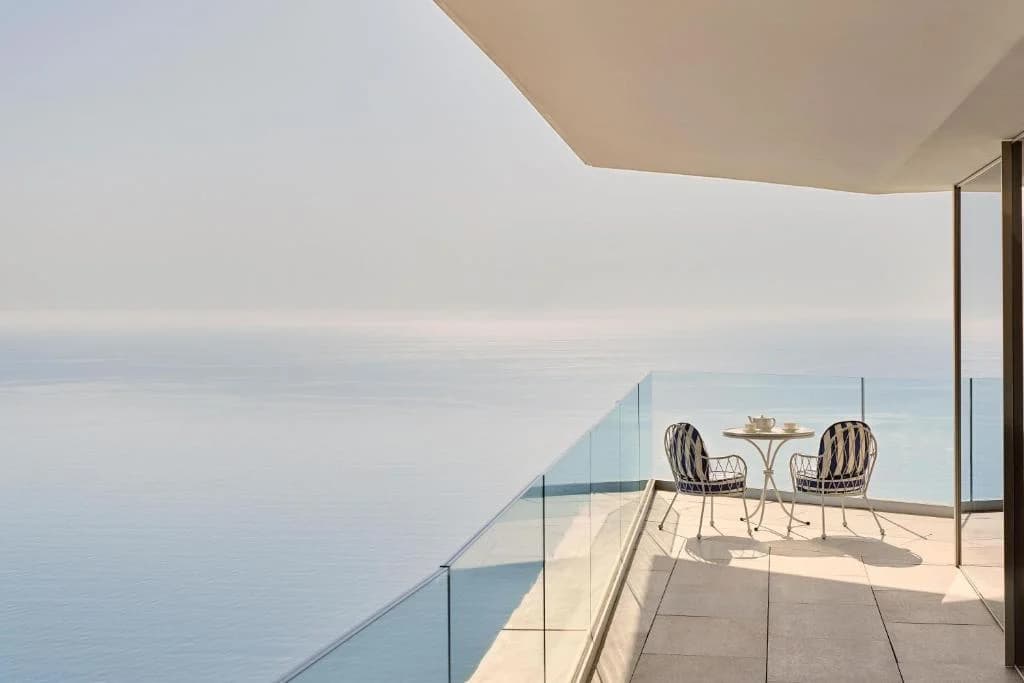
Several properties occupy positions above the main village, reachable by the electric taxis that serve as Zermatt's primary ground transport. The altitude differential, even a modest one, translates directly into panoramic exposure. Suites at elevation in Zermatt are architecturally oriented around this geometry: floor-to-ceiling glazing, cantilevered terraces, and bedroom arrangements that prioritise the view axis above all other spatial decisions. For winter guests particularly, the visual relationship between a suite interior and the snow-covered peaks outside is a primary reason to select one property over another.
When to plan a stay in Zermatt
Zermatt operates two distinct high seasons with a brief transitional period between them. Winter season runs from late November through early April, with peak demand concentrated in the Christmas and New Year period and again during European school holidays in February. Glacier skiing on the Klein Matterhorn glacier extends the technical ski season into May and even early summer, which gives Zermatt a longer viable ski window than most European resorts. Suite availability at the most sought-after properties during Christmas week and February half-terms is constrained; advance planning of several months is a structural necessity rather than a preference.
Summer in Zermatt, from late June through September, draws a different profile of guest: hikers, trail runners, cyclists, and cultural travelers who come for the 360-degree panoramic access from the Gornergrat railway and the Matterhorn Glacier Paradise cable car system. Suite rates in summer are generally more negotiable than in peak winter, and the quality of light at this altitude, with long days and clear air, produces a visual environment that many guests find preferable to the winter palette. September in particular combines reliable weather, reduced crowd density, and the first colour changes in the alpine meadows.
Swiss alpine luxury standards: what to expect from top-tier suites in Zermatt
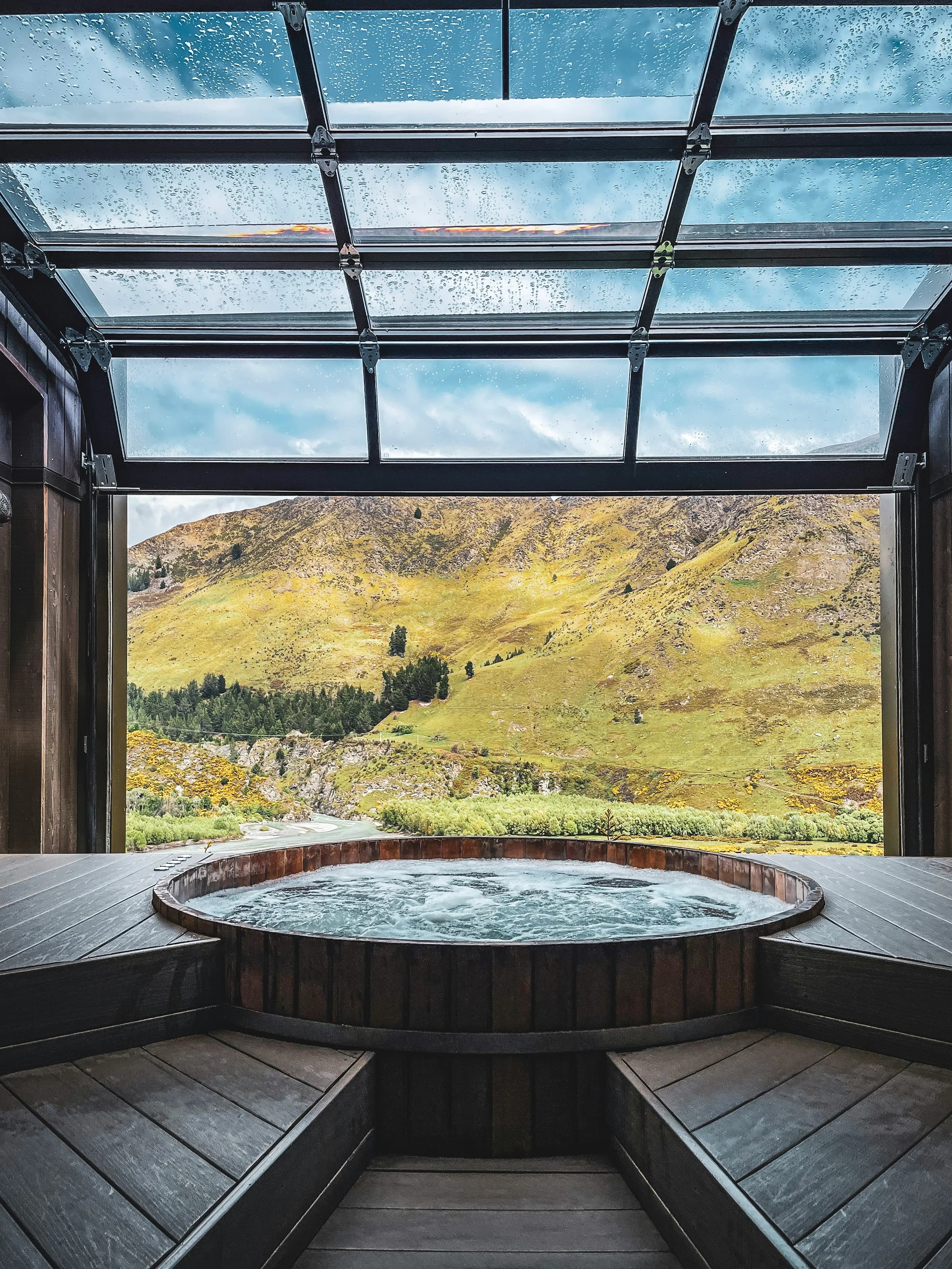
Switzerland does not operate a formal national hotel classification system equivalent to the French Palace designation, but the Swiss Hotel Association star system is applied with considerable consistency. Five-star properties in Zermatt represent a meaningful commitment to physical standards, staffing ratios, and service architecture. Within the five-star tier, however, there is meaningful variation. The most accomplished luxury hotel suites in Zermatt distinguish themselves through a combination of factors: the specificity of the Matterhorn view angle, the quality of the thermal and spa infrastructure (a category in which Swiss alpine properties have historically invested heavily), the integration of local materials and craft traditions into the interior fabric, and the calibre of the in-house dining offer.
Zermatt has a notably strong culinary scene for a mountain resort of its size, with multiple Michelin-recognised restaurants operating within a compact geographical footprint. Guests staying in a luxury suite at the right property can access this level of dining without leaving the building, which is a relevant consideration for guests arriving after long journeys or for those who prefer the coherence of a single-property experience.
How to choose the right luxury suite in Zermatt
The most important single variable in selecting a suite in Zermatt is the orientation and quality of the Matterhorn view. Not all properties have direct visual access to the peak, and within those that do, the angle, the distance, and the degree of obstruction from adjacent structures vary considerably. A suite marketed as having a Matterhorn view should be evaluated on the specifics: is the view from the bedroom, the terrace, the bathroom, or only from a shared common area? This distinction is material and worth clarifying before confirming a reservation.
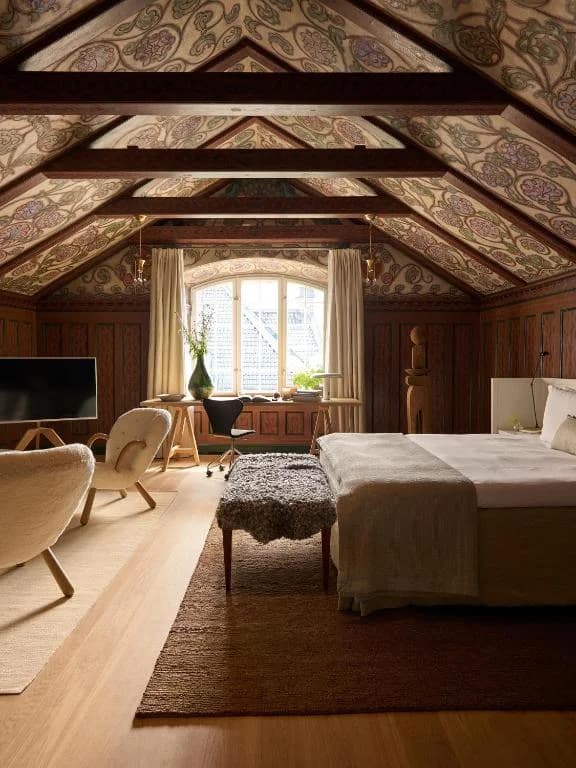
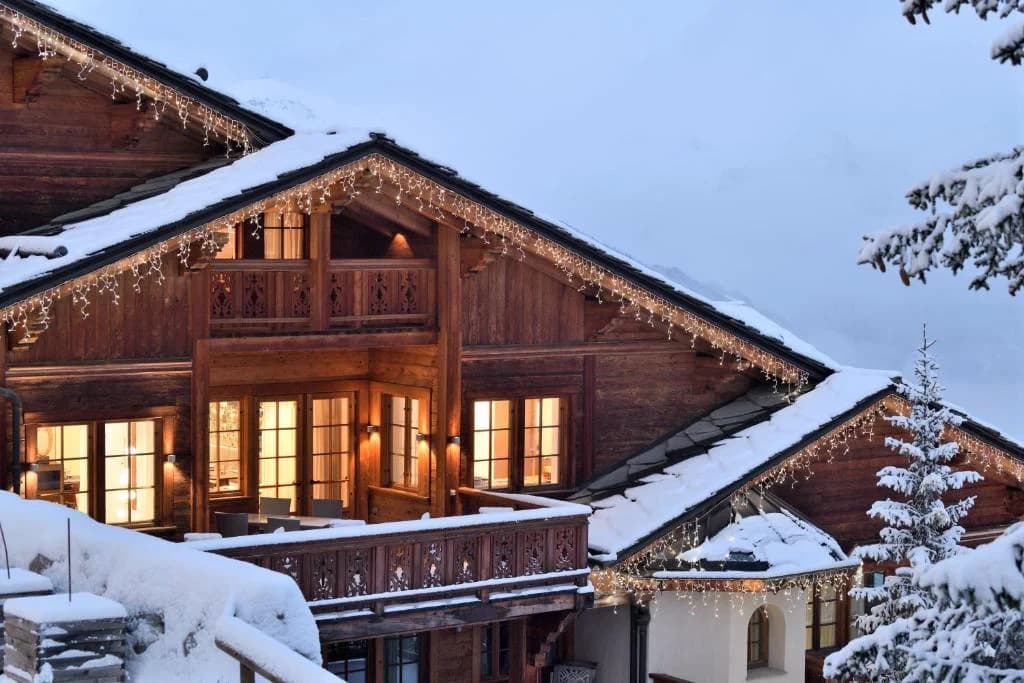
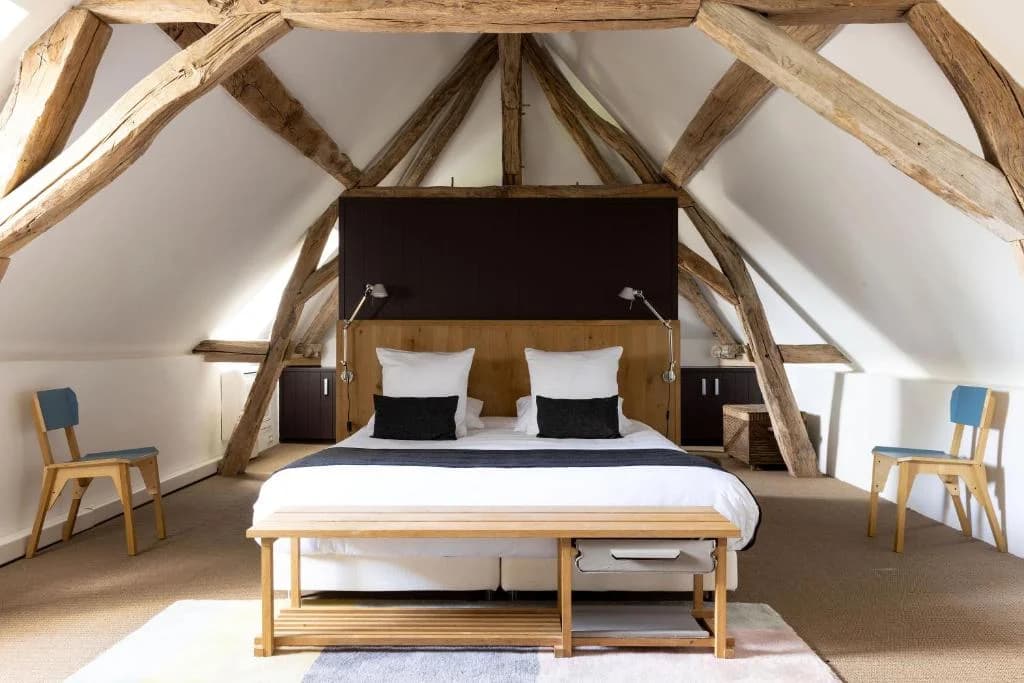
Beyond the view question, the choice between a classic alpine aesthetic and a more contemporary architectural approach is a meaningful one. Zermatt contains both typologies. Traditional properties built in the Walliser chalet style use heavy timber construction, pitched roofs, and dark wood interiors that produce a particular sensory register: warm, enclosed, and deeply seasonal. More recently constructed or renovated properties have introduced glass, concrete, and minimalist detailing that engage with the mountain landscape through contrast rather than continuity. Neither approach is superior; they produce fundamentally different experiences and suit different guest profiles.
Practical considerations specific to Zermatt include the logistics of arrival. The town is accessible only by the Matterhorn Gotthard Bahn railway from Täsch, where guests arriving by private car must park. The journey from Täsch to Zermatt takes approximately twelve minutes. Properties differ in the quality and responsiveness of their arrival coordination, and for guests traveling with significant luggage or arriving on complex itineraries, this detail is worth examining in advance.
The value of a curated selection by La Suite in Zermatt
The Zermatt hotel market is concentrated but not simple. The proximity of competing five-star properties within a walkable village creates conditions where the differences between options are subtle rather than obvious, and where the quality of information available through standard booking platforms is often insufficient to support a well-informed decision. The Matterhorn view question alone, as noted above, requires a level of property-specific knowledge that generic hotel search tools do not reliably provide.
La Suite approaches Zermatt as a specialist rather than an aggregator. The curated selection by La Suite is built on direct knowledge of suite-level inventory: the specific rooms, the specific orientations, the specific conditions under which a suite delivers what it promises. For the guest who is allocating a meaningful budget to a stay in Zermatt and for whom the experience must be precisely calibrated, this specificity is the material difference between a satisfying stay and an exceptional one.