Understanding Montreux as a luxury destination
Best areas to stay in Montreux
The lakefront promenade
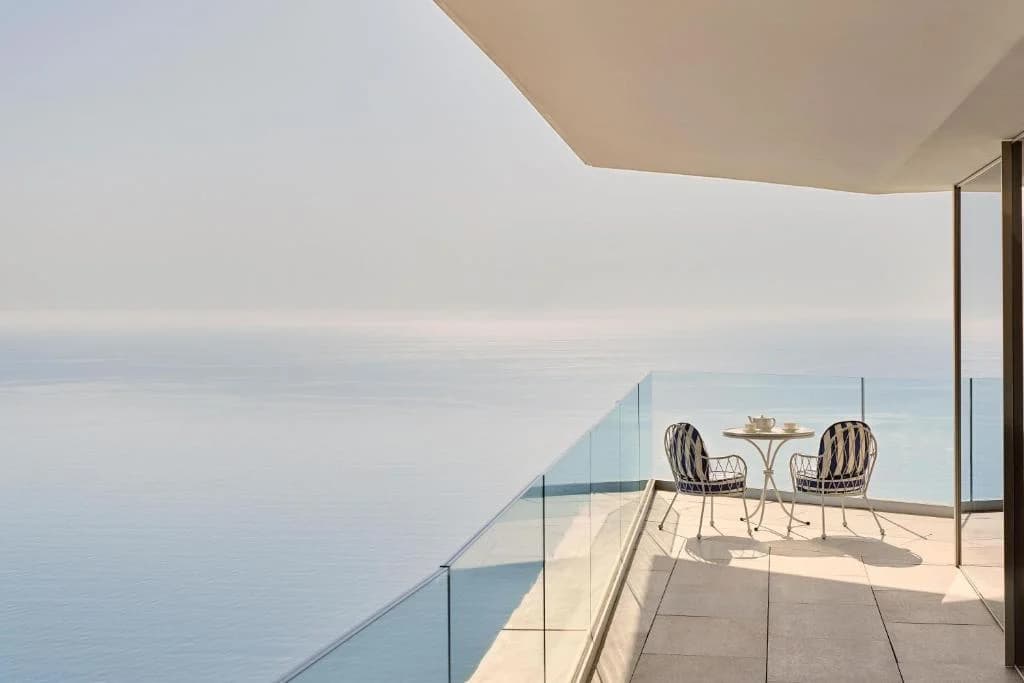
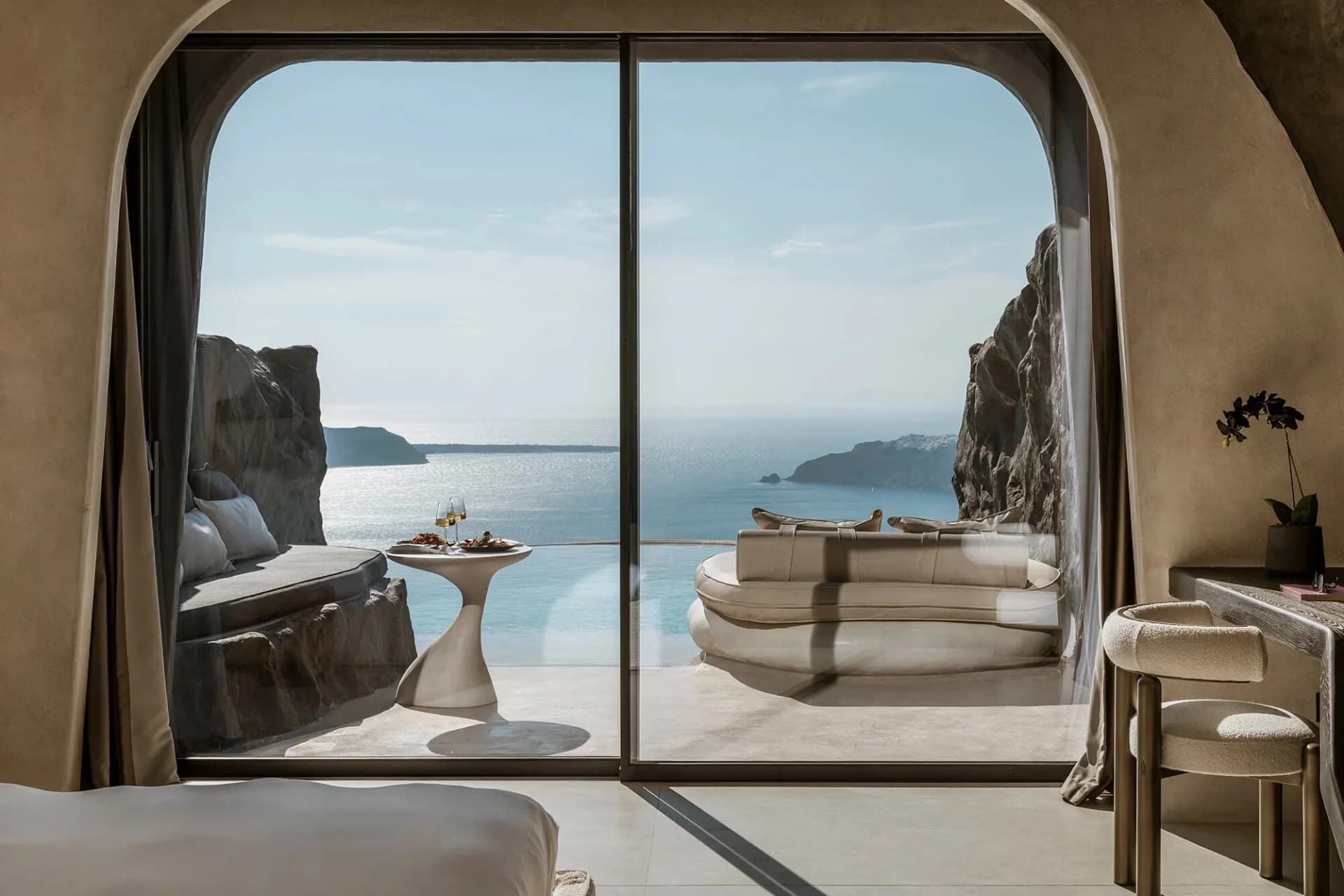
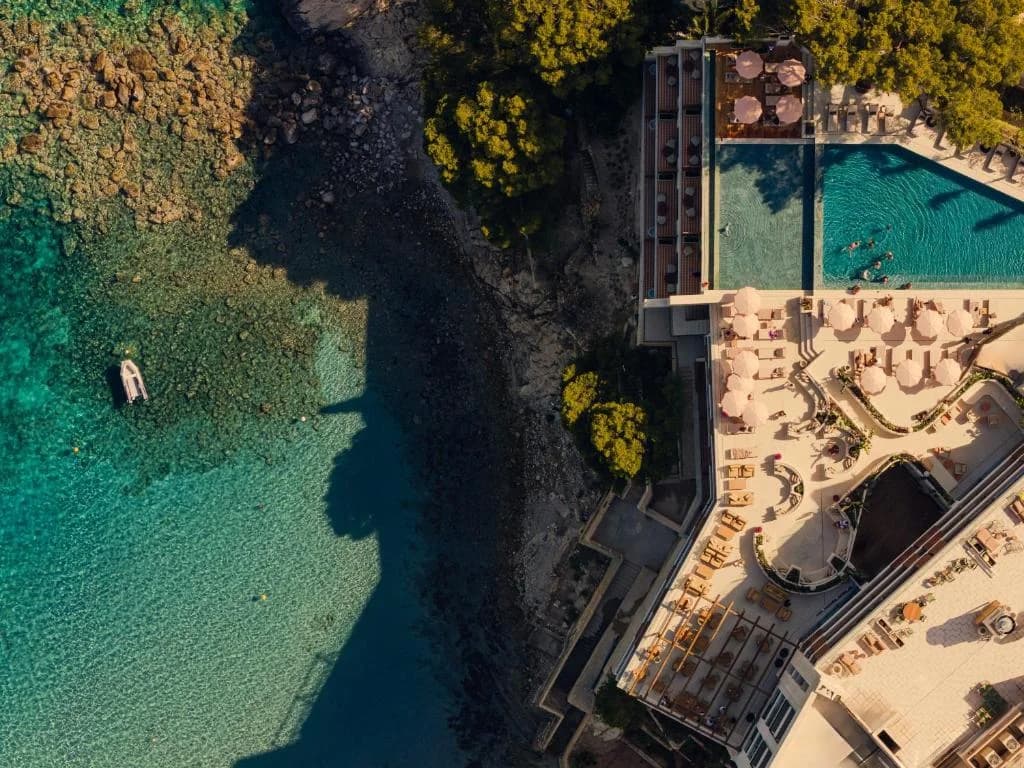
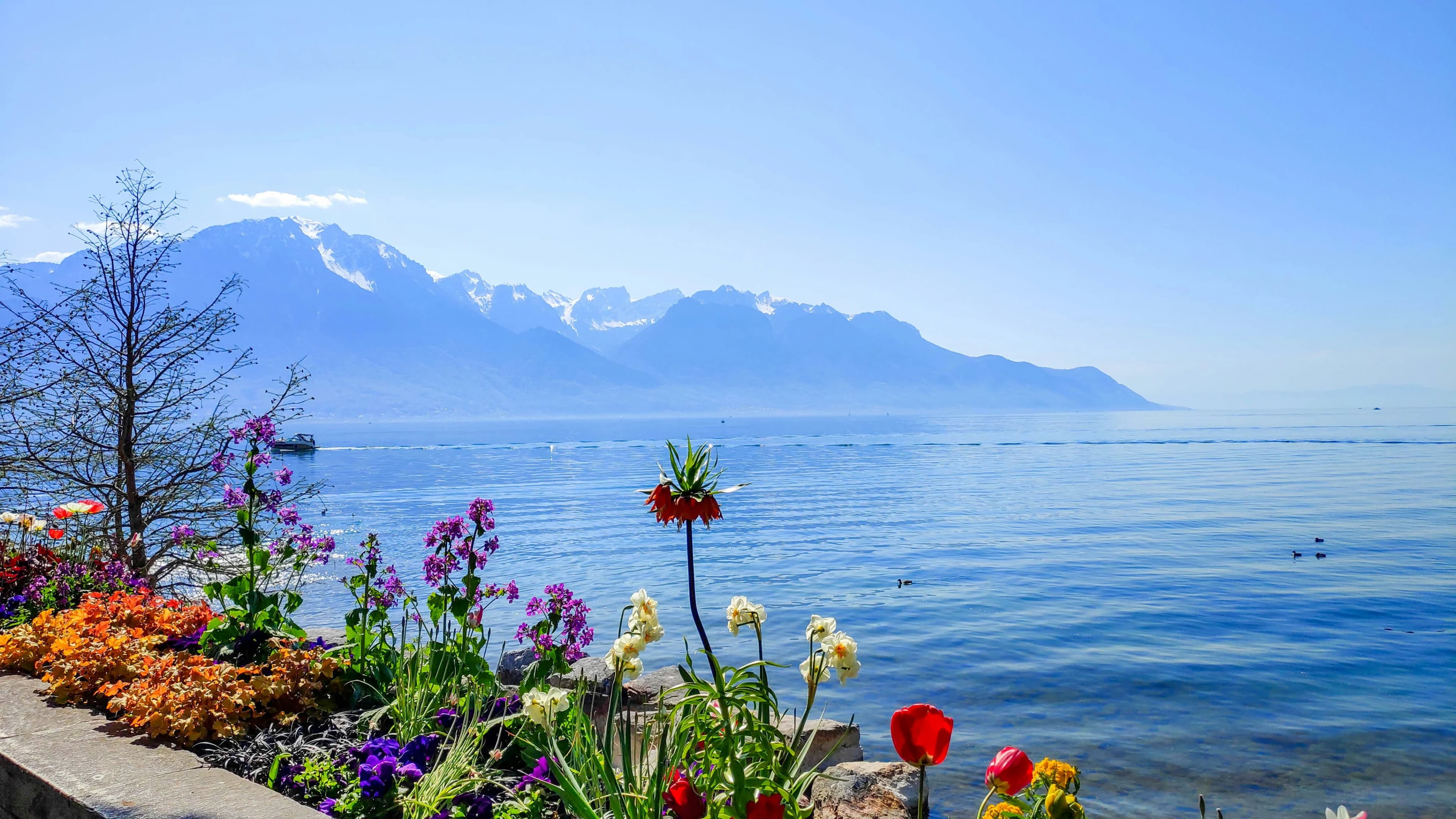
The primary corridor for high-end accommodation runs along the lakefront, from the center of Montreux toward Territet to the east and Clarens to the west. Properties positioned directly on the water offer the defining experience of the destination: the lake at eye level, the mountains as a fixed backdrop, and the promenade as an extension of private space. Suites on upper floors in this zone command uninterrupted panoramas that shift through the day from cool morning silver to the warmer tones of late afternoon.
The Lavaux vineyard slopes
Immediately to the west of Montreux, the UNESCO-listed Lavaux wine terraces rise steeply from the lake. Staying in properties at the edge of this zone, in villages such as Vevey or Chexbres within easy reach, provides access to one of the most architecturally coherent agricultural landscapes in Europe. For travelers whose interest extends beyond the lake itself, this orientation offers a different quality of morning light and a more residential pace.
The upper town and hillside positions
Montreux climbs sharply behind its promenade. Properties positioned on the hillside above the commercial center offer elevated perspectives over the rooftops toward the lake and the French shore opposite. The atmosphere here is quieter and more residential, suited to travelers who prefer distance from the seasonal activity of the waterfront.
When to visit Montreux for a luxury suite stay
The Montreux Jazz Festival, held each July, is the city's most internationally visible cultural event. Founded in 1967, it draws an audience from across Europe and beyond, and suite availability during this period requires advance planning well outside the normal booking window. The festival occupies the lakefront venues and transforms the pace of the city for approximately two weeks.
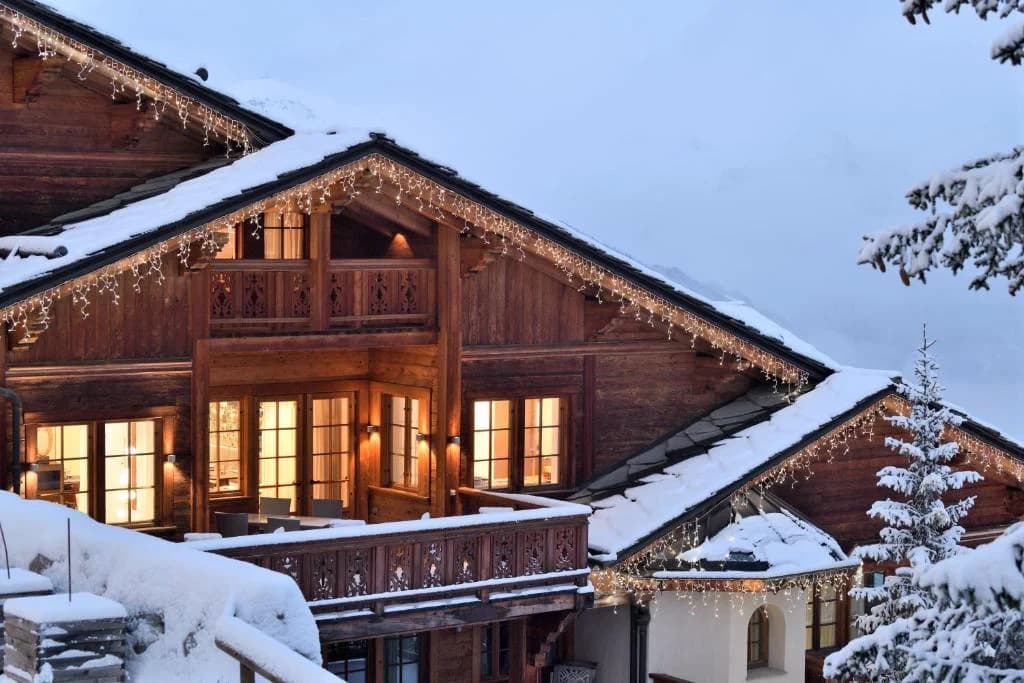
The shoulder seasons, particularly May through June and September through October, offer the most favorable conditions for travelers prioritizing availability, calm, and the particular light quality that characterizes the lake in transitional weather. The Lavaux vineyards reach their most photogenic state during the harvest period in September and October. Winter in Montreux is mild by Swiss standards, and the Christmas market along the promenade draws a distinct audience from the summer crowd.
The Montreux Christmas market, running from late November through December, is among the most established in the region and aligns with a period when hotel properties offer more flexible terms and the lakefront is uncrowded.
Swiss luxury hotel standards and what to expect
Switzerland operates one of the most rigorous hotel classification systems in Europe, administered by hotelleriesuisse. The five-star category is applied with restraint, and properties in Montreux that carry this designation have met criteria covering spatial standards, service ratios, and facility requirements that are among the most demanding on the continent.
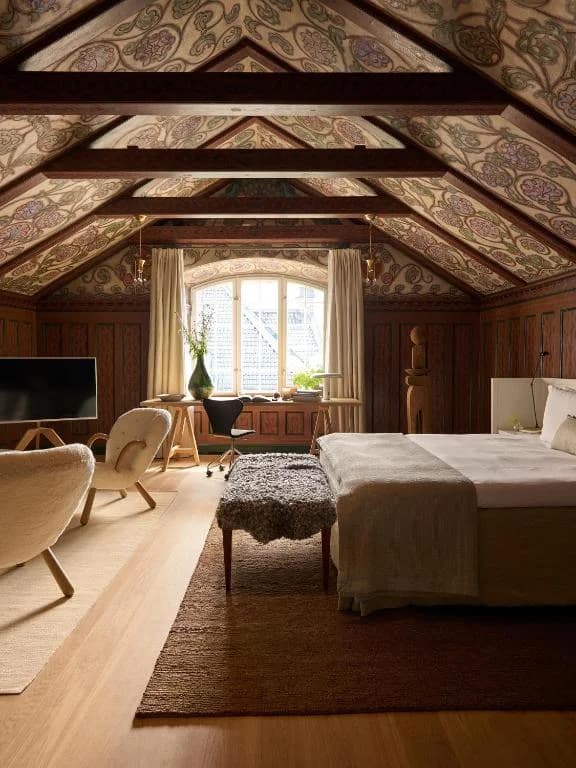
There is no equivalent to the French Palace designation in Switzerland, but several properties in the Montreux-Vevey corridor belong to the tradition of Grand Hotel architecture that defines the Swiss Riviera. These buildings, constructed between 1870 and 1930, were designed to serve a clientele accustomed to extended stays measured in weeks rather than nights. The room proportions, ceiling heights, and orientation toward the lake reflect this original purpose. Suites in these properties carry a spatial logic that newer constructions rarely replicate.
Swiss service culture emphasizes precision over performance. Staff interactions tend toward efficiency and discretion rather than warmth as a display. For travelers who find demonstrative hospitality intrusive, this register is often preferred. Concierge services at the leading properties in Montreux operate with genuine local knowledge, including access to private wine tastings in the Lavaux, boat hire on the lake, and transport connections to Geneva and Zurich.
How to choose the right luxury suite in Montreux
Architectural context
The choice between a Belle Époque grand hotel and a contemporary property is substantive rather than aesthetic. Grand hotel buildings offer high ceilings, generous room footprints, and the specific quality of light that enters through tall windows facing the lake. Contemporary properties, where they exist in Montreux, tend toward tighter proportions but more current technical infrastructure. The decision depends on whether the traveler values spatial generosity or operational modernity.
Lake view orientation
In Montreux, the orientation of a suite is a primary variable, not a secondary preference. Suites facing the lake face south-southwest, receiving afternoon light across the water toward the French Alps. Suites oriented toward the hillside or the town offer a different and quieter experience but surrender the defining visual logic of the destination. Confirming the exact floor, orientation, and obstructions before arrival is advisable.
Access and connectivity
Montreux is served by direct train connections to Geneva Airport (approximately 70 minutes) and Zurich (approximately 2 hours and 20 minutes). The train station sits close to the lakefront, making transfers straightforward. For travelers arriving by private vehicle, parking at the leading lakefront properties is managed but limited, and arrangements should be confirmed in advance.
Why a curated selection by La Suite matters in Montreux
Montreux has a concentrated hotel offer relative to its geographic size, and the distinction between properties is not always evident from standard booking interfaces. The difference between a suite with an unobstructed lake view on an upper floor and a suite with a partial or courtyard orientation can be significant in experiential terms while appearing identical in category on aggregate platforms.
La Suite applies editorial judgment to this selection process. Each property in the curated selection has been assessed for suite quality, spatial standards, view orientation, and the consistency of service. The result is a reference point for travelers who want to make a decision based on verified criteria rather than inventory logic. In a destination as compressed and reputation-sensitive as Montreux, that distinction is material.