Set within its own grounds just one mile from Birmingham city center, the Best Western Plow & Harrow Hotel combines Victorian character with modern comfort in a convenient location for both business a

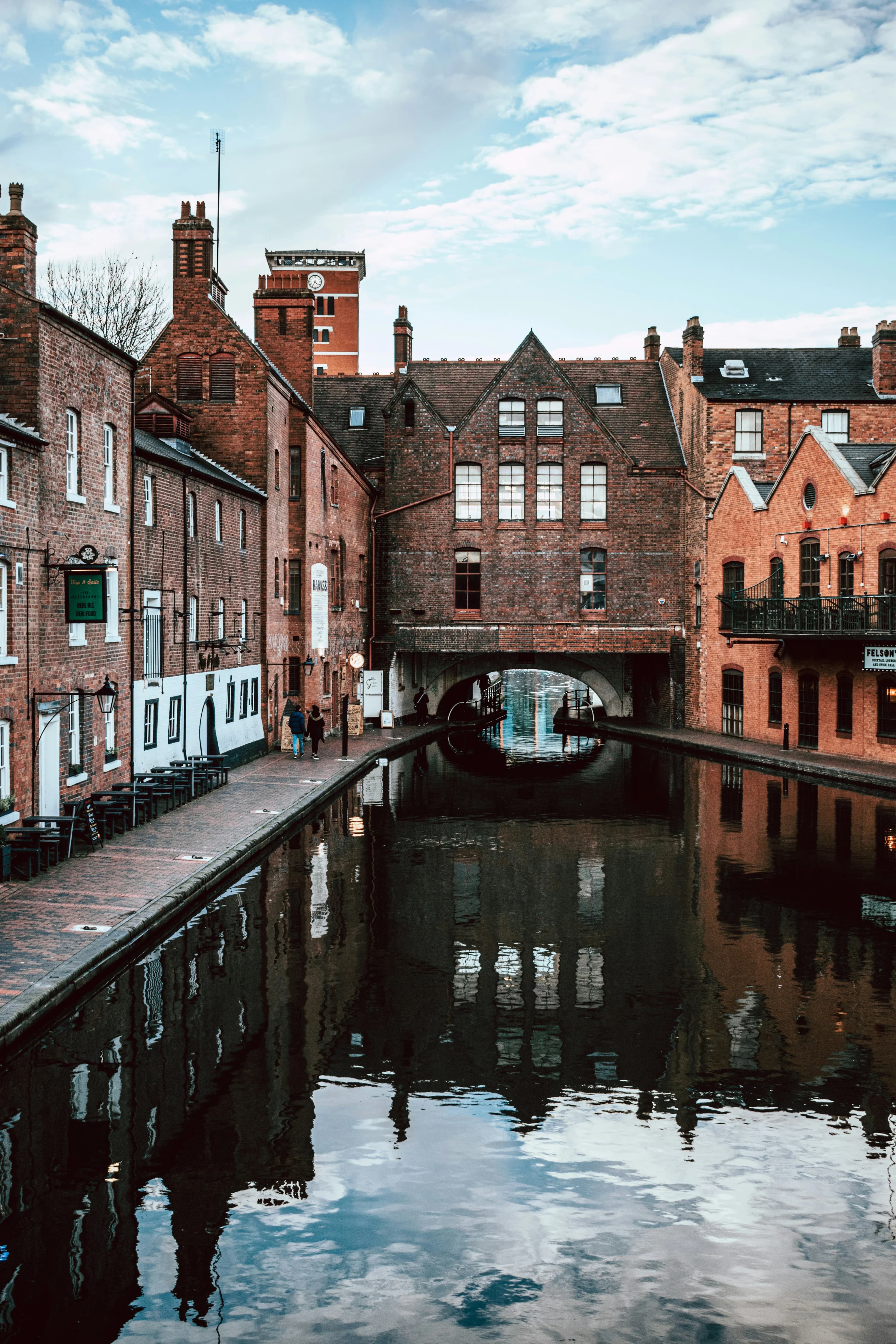
Birmingham is not a city that reveals itself immediately. It requires time, and it rewards those who approach it with patience and genuine curiosity. The canal network, larger than Amsterdam's, runs through the city with a quiet industrial logic. The Jewellery Quarter carries over two centuries of craft history within walking distance. The dining scene, anchored by a concentration of Michelin-starred restaurants that is exceptional by any European standard, makes the city a serious gastronomic destination. A luxury suite provides the operational base that a city of this complexity deserves: space to decompress, privacy to work or rest, and an environment that holds its own aesthetic standard against the city outside.
7 hotels available

Set within its own grounds just one mile from Birmingham city center, the Best Western Plow & Harrow Hotel combines Victorian character with modern comfort in a convenient location for both business a

This historically listed, 16th-century manor house is set in its own beautiful landscaped gardens, just off the M6 and 15 minutes’ drive from Birmingham. There is free Wi-Fi and free parking on site.

Comfortable Accommodations Domo Boutique Hotel Birmingham in Birmingham offers family rooms with private bathrooms, equipped with modern amenities. Each room includes a work desk, free WiFi, and a

Just 10 minutes walk from The Bullring Shopping Center, this elegant and modern hotel features rooms with Egyptian linen, plasma-screen TVs and free WiFi. There is an beautiful hidden courtyard and a

In Birmingham’s center, this modern 4-star hotel offers a luxury health spa with a 52 foot swimming pool and gym with Matrix fitness equipment. Large, elegant rooms each have a flat-screen TV and ther

This modern 4-star hotel is 1640 feet from Birmingham New Street Rail Station and the Bullring shopping center. It has stylish rooms with free Wi-Fi. The hotel is located within a 39 story glass skys

Elegant Accommodations The Grand Hotel Birmingham in Birmingham offers a 5-star experience with a fitness center, sun terrace, and a beautiful garden. Guests enjoy free WiFi, a restaurant, and a b
Hotels in the area, but in a neighbouring town.

39 km away
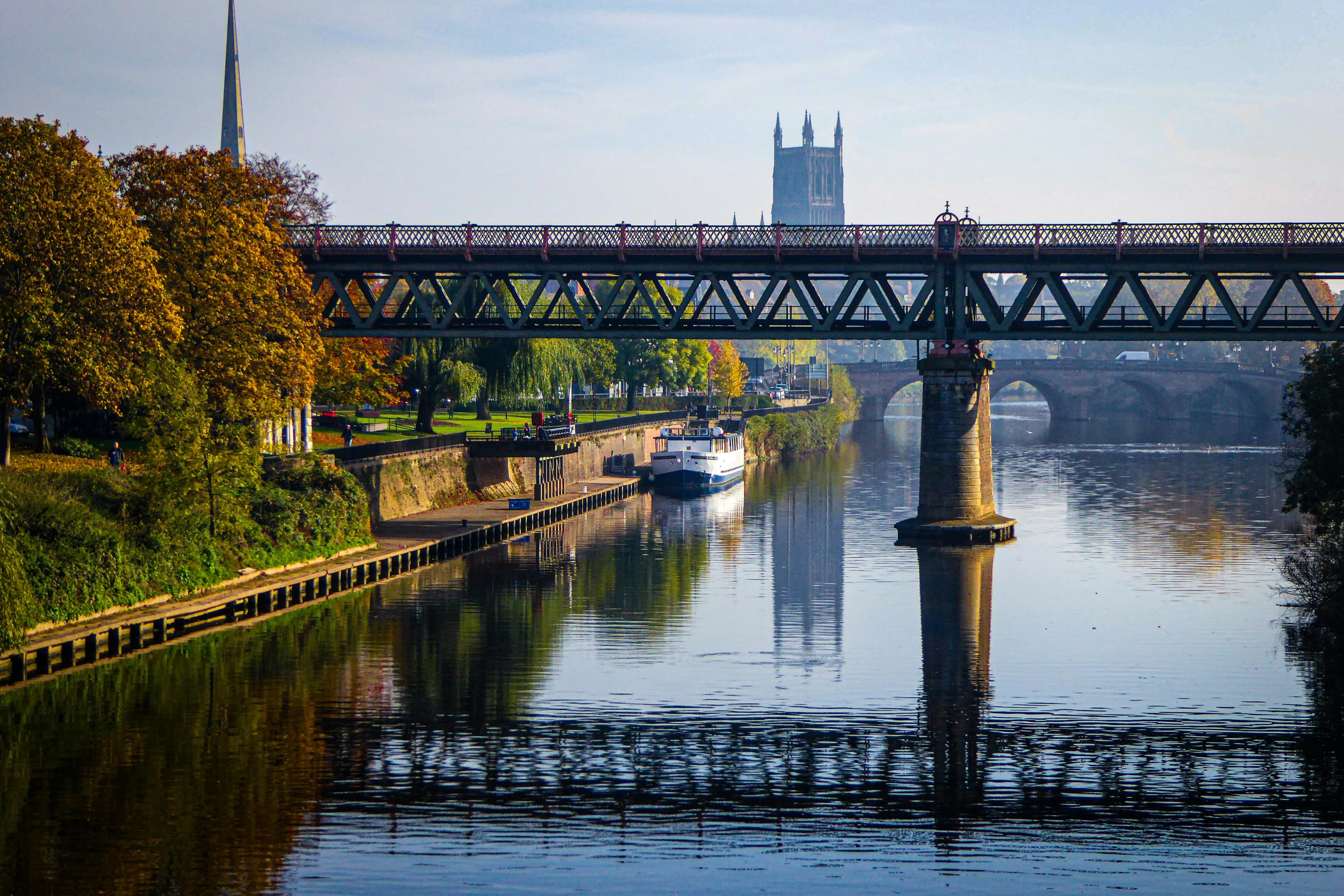
Worcester itself is a compact cathedral city on the banks of the River Severn. Its historic core, anchored by the 11th-century cathedral and the medieval Commandery, rewards guests who choose accommodation within walking distance of these landmarks. Staying close to the riverfront places you between the city's architectural fabric and the open countryside that begins almost immediately at its edges.

31 km away
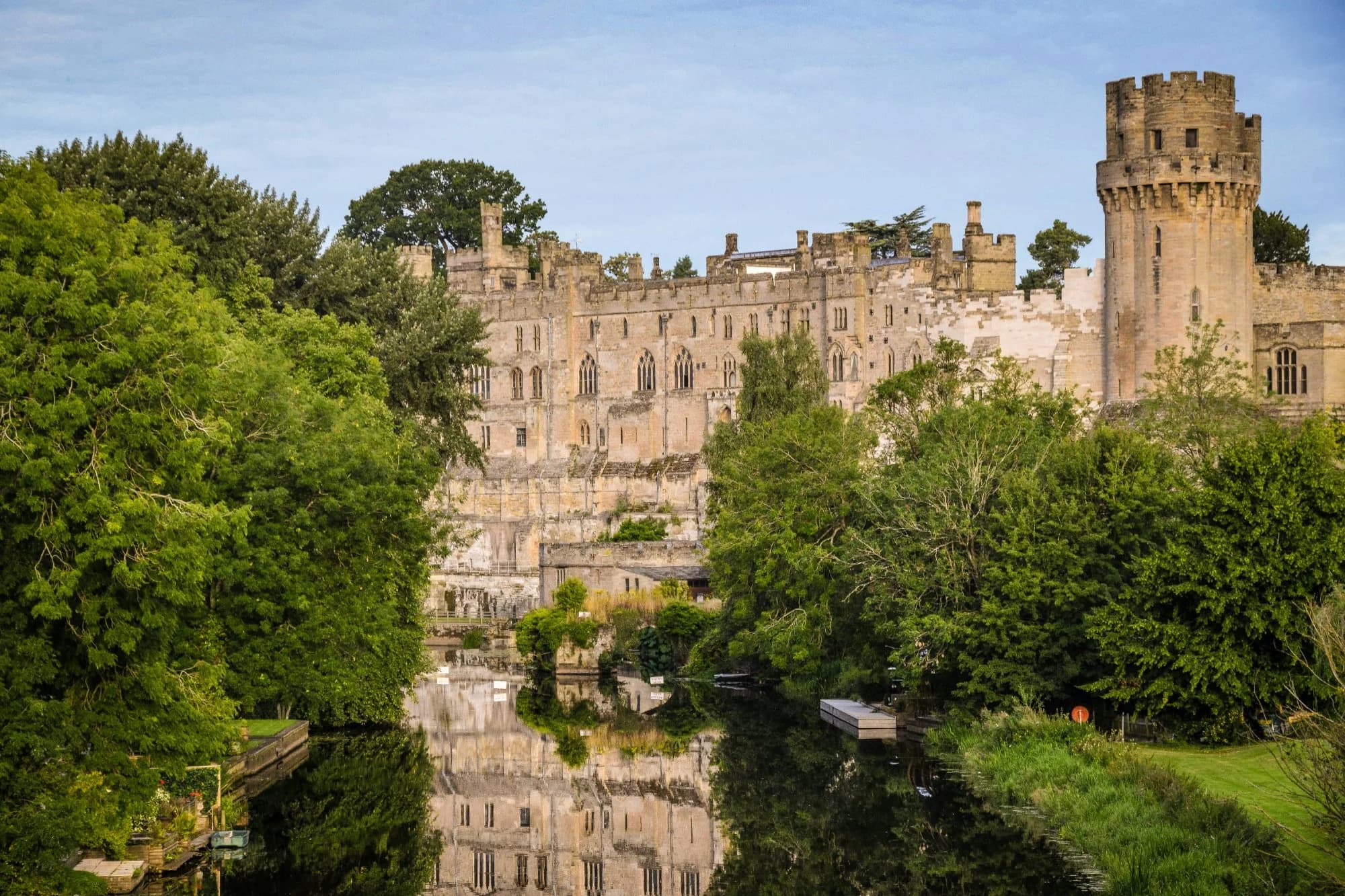
Warwick sits at an interesting intersection. It is small enough to feel intimate, yet significant enough to have drawn English royalty, medieval power, and generations of architectural investment. The town is not a weekend footnote to a Cotswolds trip. It holds its own as a destination: the castle is one of the best-preserved medieval fortresses in the United Kingdom, the collegiate church of St Mary dominates the skyline with Perpendicular Gothic authority, and the Leicester Hospital on the High Street is among the finest surviving examples of medieval almshouse architecture in England.

43 km away
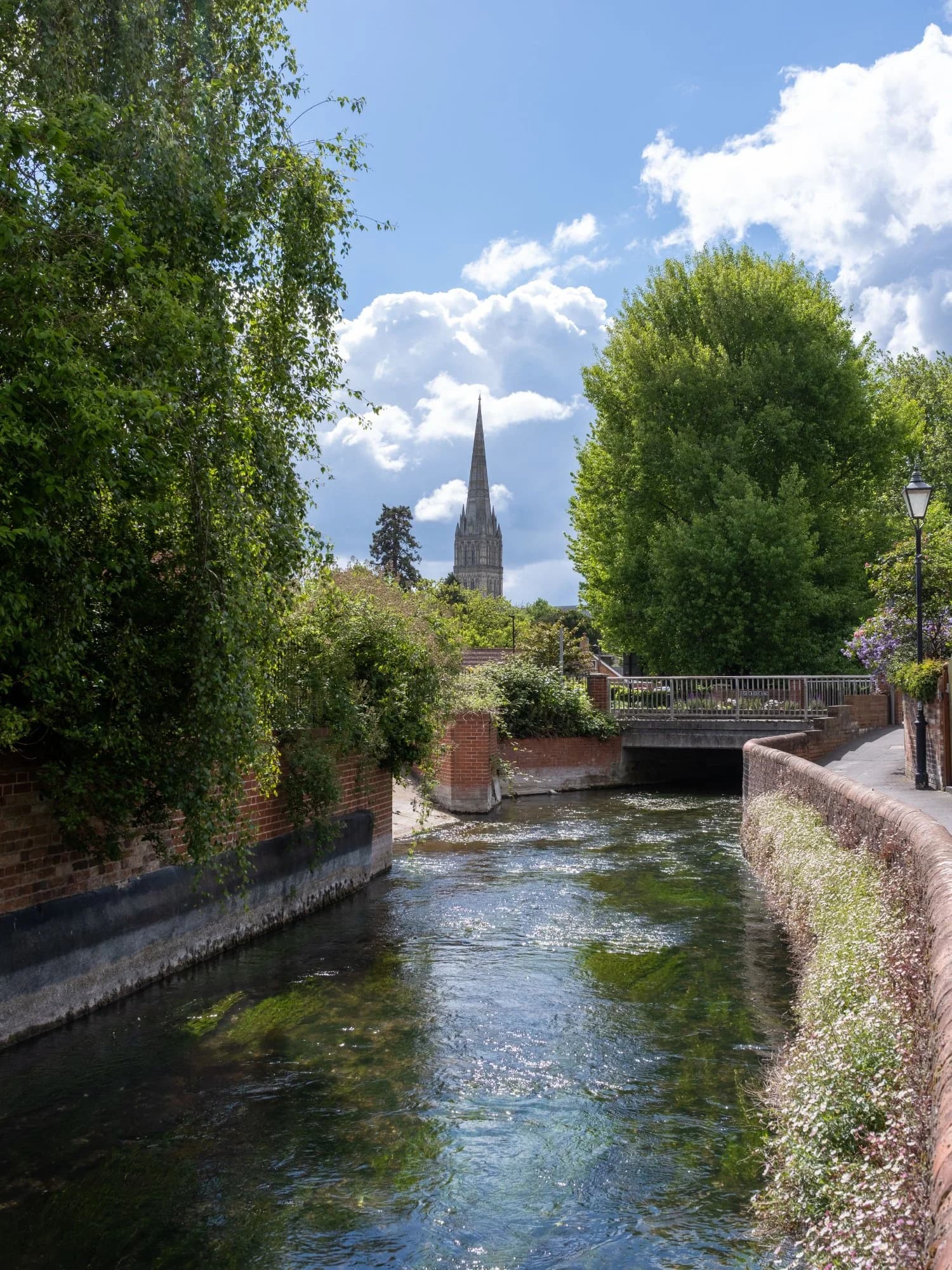
The Vale of Evesham is England's most productive horticultural region. Asparagus in spring, blossom in April, stone fruit in summer: the landscape operates on a seasonal logic that rewards visitors who time their arrival with intention. Evesham itself is a compact market town with a Norman abbey tower, Georgian streetscapes, and direct access to the River Avon by foot. It is a base, not a spectacle, and that distinction matters when choosing where to stay.
The commercial and civic core of Birmingham is where the most established luxury hotels operate. Colmore Row, the city's principal business boulevard, is lined with Grade II listed buildings and sits adjacent to the Cathedral Quarter. This area suits travelers who want immediate access to the city's institutional life, its galleries, its legal and financial district, and its finest dining. Suites here tend toward the architectural, occupying converted banking halls or purpose-built towers with considered views across the roofline.
West of the city centre, Brindleyplace represents Birmingham's most coherent piece of urban regeneration. The canal-side environment is quieter and more atmospheric than the commercial core. Hotels in this area offer a different relationship with the city: more contemplative, less pressured. For travelers arriving for cultural reasons, proximity to the Birminhgam Repertory Theatre and the broader Westside arts cluster makes this a natural choice.
To the south-west, Edgbaston functions as Birmingham's most composed residential suburb. Boutique hotel options here occupy Victorian and Edwardian buildings set within leafy streets. The pace is notably different from the centre. For travelers who prefer a residential quality to their stay, with the city's resources accessible but not immediately surrounding them, Edgbaston offers a credible alternative base.
Birmingham operates as a year-round destination, with no single season that dominates for luxury travel. Spring, from March through May, brings mild temperatures and the opening of the city's outdoor cultural programming. The summer months are the busiest, particularly around major events at the NEC and Villa Park, and suite availability can tighten considerably during large-scale conferences or sporting fixtures. Autumn is arguably the most atmospheric season: the city's Victorian architecture reads particularly well in lower light, and the cultural calendar intensifies through October and November. Winter, while cold, is not prohibitive, and hotel rates can ease outside the Christmas trading period, making it a considered moment for value at the suite level.
The United Kingdom does not operate the formal Palace designation that France applies to its very highest category of hotel. The relevant markers in a British context are membership of groups such as Relais and Chateaux, inclusion in the AA's five-red-star category, or independent recognition through the Michelin Guide's hotel selections. Birmingham's top-tier hotels have increasingly aligned with these frameworks as the city has matured as a luxury destination. What to expect at the suite level: generous square footage relative to London equivalents, a strong emphasis on service consistency, and in several cases, dining operations that function as destination restaurants in their own right rather than ancillary hotel amenities. For broader context on luxury hotel standards across the country, the United Kingdom destination on La Suite provides a useful frame of reference.
Birmingham presents a genuine choice between two architectural registers. The Victorian and Edwardian fabric of the city, particularly in the centre and in Edgbaston, produces hotels with high ceilings, original detailing, and a sense of institutional solidity. Contemporary properties, several of which have opened in the past decade, offer a different set of conditions: controlled light, clean geometry, and technology integration. Neither is objectively superior. The choice depends on what you need from your environment. Travelers arriving for business may prefer the efficiency of a modern tower suite. Those drawn to Birmingham's cultural and historical depth may find the period properties more resonant.
Birmingham's luxury hotel market has matured to the point where genuine suite-level product exists across multiple properties. When selecting, consider the specific configuration: a junior suite in a central property may offer less floor area than a standard room in a larger resort format. Prioritise properties that publish clear floor plans or room dimensions, and treat ambiguous descriptions of suite categories with appropriate skepticism. La Suite's curation process filters precisely for this, ensuring that what is presented as a suite meets a verifiable standard of space and amenity.
Birmingham is a walkable city in its centre, but its key attractions are distributed across distinct neighborhoods. If your primary interest is the Barber Institute of Fine Arts or the Botanical Gardens, a suite in Edgbaston saves meaningful time. If your focus is on the dining corridor around the city centre or attendance at performances at Symphony Hall, a central address is non-negotiable. Plan your base relative to your actual programme rather than defaulting to the most prestigious address.
The luxury hotel market in Birmingham has expanded rapidly over the past fifteen years, and the range of properties now presenting themselves as premium options is wide. Not all of them meet a consistent standard at the suite level. The gap between marketing language and actual product quality is a real consideration in any city that has undergone rapid hospitality development. La Suite's approach to luxury suites across the United Kingdom applies the same editorial discipline in Birmingham as in London or Edinburgh: properties are assessed against verifiable criteria, and only those that meet a defined threshold for space, service, and design coherence are included. For travelers operating at this level, the curation is not a convenience but a genuine filter against a market that remains uneven. The result is a shortlist you can act on with confidence, without the inefficiency of independent research across a fragmented landscape.

Birmingham's city centre, particularly around Colmore Row and the Cathedral Quarter, holds the highest concentration of established luxury hotels. The best suite-level properties in this area combine architectural character with strong dining and service infrastructure. La Suite curates a verified selection across the city.
Birmingham offers a meaningfully different proposition from London. Suite rates tend to be lower for comparable floor area and service standard, the city is more navigable, and several of its dining destinations are genuinely competitive with London equivalents. For travelers who value quality of experience over address prestige, Birmingham is a credible alternative.
Autumn and spring offer the most balanced conditions for suite-level travel in Birmingham. Summer brings the highest demand, particularly around major events at the NEC and large-scale sporting fixtures, which can constrain availability. Winter outside the Christmas period can offer improved rates without material compromise on experience.
Yes. Edgbaston, in particular, has a concentration of smaller, design-led properties occupying Victorian and Edwardian buildings. These offer a quieter, more residential quality of stay while remaining accessible to the city centre. For travelers prioritising atmosphere over proximity to the commercial core, this is a sound alternative.
Prioritise properties that provide verifiable floor area for their suite categories, have dining operations of genuine quality, and can demonstrate consistency of service standard. Be cautious of properties where suite descriptions are ambiguous or where the room photography suggests a category inflation relative to actual space.
Birmingham's hotel market has been recognised through several independent quality frameworks, including AA five-red-star assessments. The city's strong Michelin dining scene, with more starred restaurants than any UK city outside London, is frequently integrated into the hotel experience at the top end of the market, with several luxury properties operating Michelin-recognised restaurants on site.
Birmingham is 85 minutes from London Euston by direct train, making it one of the most accessible city-break destinations in the UK. For travelers based in London who want a change of environment without the logistics of international travel, a suite stay in Birmingham offers a credible luxury circuit with its own cultural and gastronomic substance.
The city's cultural offer is substantive: the Birmingham Museum and Art Gallery holds one of the finest Pre-Raphaelite collections in the world, the Barber Institute at the University of Birmingham is a genuinely exceptional small gallery, and the CBSO at Symphony Hall operates at an international concert standard. The canal network and Jewellery Quarter add historical and sensory layers that reward extended exploration.
The leading luxury hotels in Birmingham have invested significantly in business-grade infrastructure within their suite product, reflecting the city's role as a major corporate and conference hub. Expect high-speed connectivity, dedicated working areas within larger suite configurations, and proximity to both the city's commercial district and the NEC conference complex to the east.
La Suite applies a consistent editorial framework across all destinations, including Birmingham. Properties are assessed against verifiable criteria covering suite floor area, service standard, design coherence, and overall guest experience. Only properties that meet this threshold are included, regardless of their marketing positioning. The result is a curated shortlist rather than a comprehensive directory.