In Warwick center, the luxurious The Globe, Warwick, Warwickshire - Brunning & Price features a steak house, real ale bar and stylish rooms with free Wi-Fi. The hotel is just 5 minutes’ walk from Warw

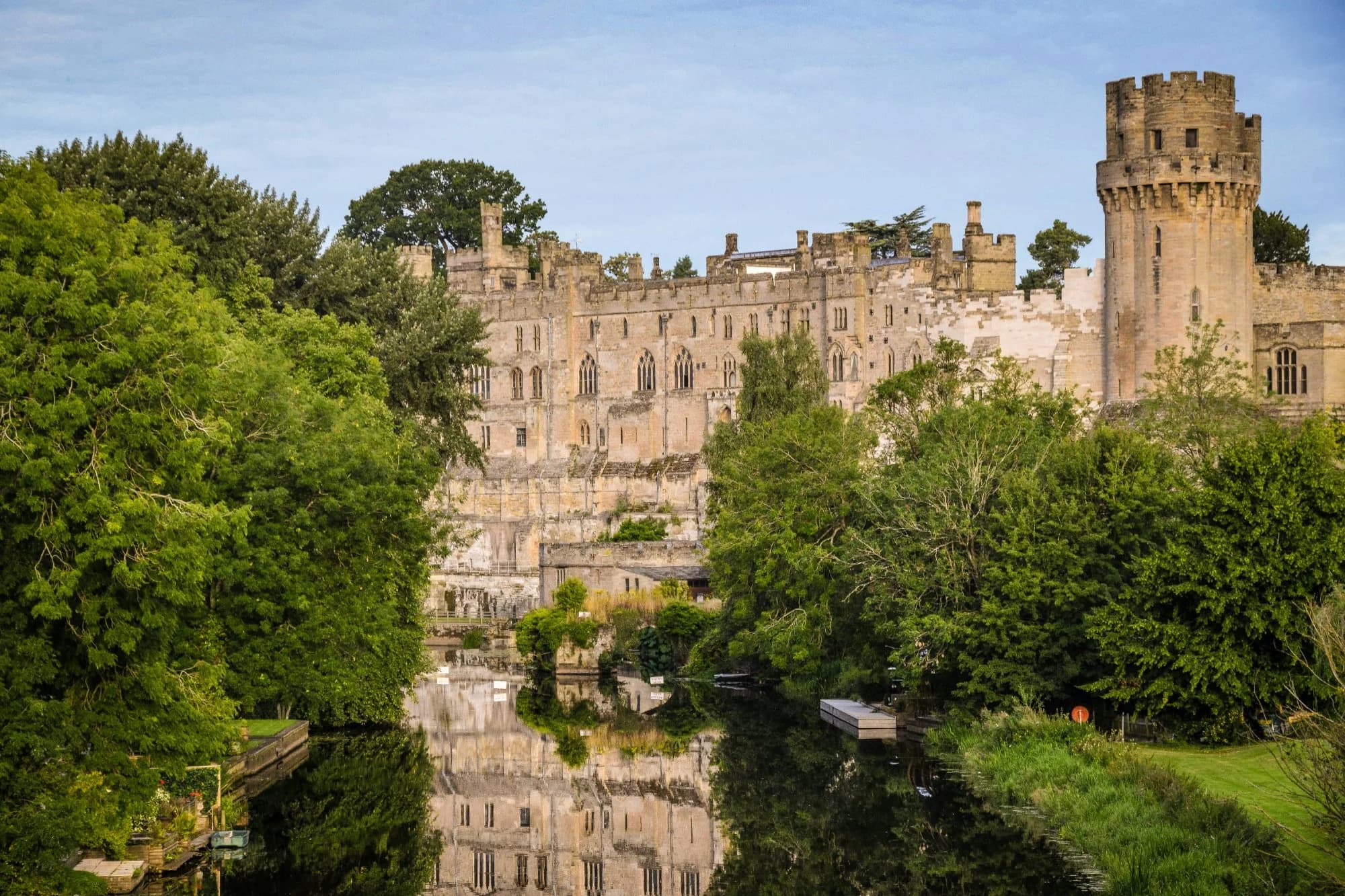
Warwick sits at an interesting intersection. It is small enough to feel intimate, yet significant enough to have drawn English royalty, medieval power, and generations of architectural investment. The town is not a weekend footnote to a Cotswolds trip. It holds its own as a destination: the castle is one of the best-preserved medieval fortresses in the United Kingdom, the collegiate church of St Mary dominates the skyline with Perpendicular Gothic authority, and the Leicester Hospital on the High Street is among the finest surviving examples of medieval almshouse architecture in England.
1 hotel available

In Warwick center, the luxurious The Globe, Warwick, Warwickshire - Brunning & Price features a steak house, real ale bar and stylish rooms with free Wi-Fi. The hotel is just 5 minutes’ walk from Warw
Hotels in the area, but in a neighbouring town.

Part of the Hand Picked Hotels collection featuring country house and coastal resorts across the UK and Channel Isles. Escape to Ettington Park Hotel, a magnificent 4-star Gothic mansion enveloped by

Hotel Du Vin Stratford is attractively located in Stratford-upon-Avon, and features a bar, free WiFi and on-site dining. Around a 6-minute walk from Royal Shakespeare Company, the property is also clo

Hotel Indigo Stratford is a stunning boutique hotel in the heart of historical Stratford Upon Avon where reflections of Stratford’s rich heritage can be seen throughout the hotel’s design with many or

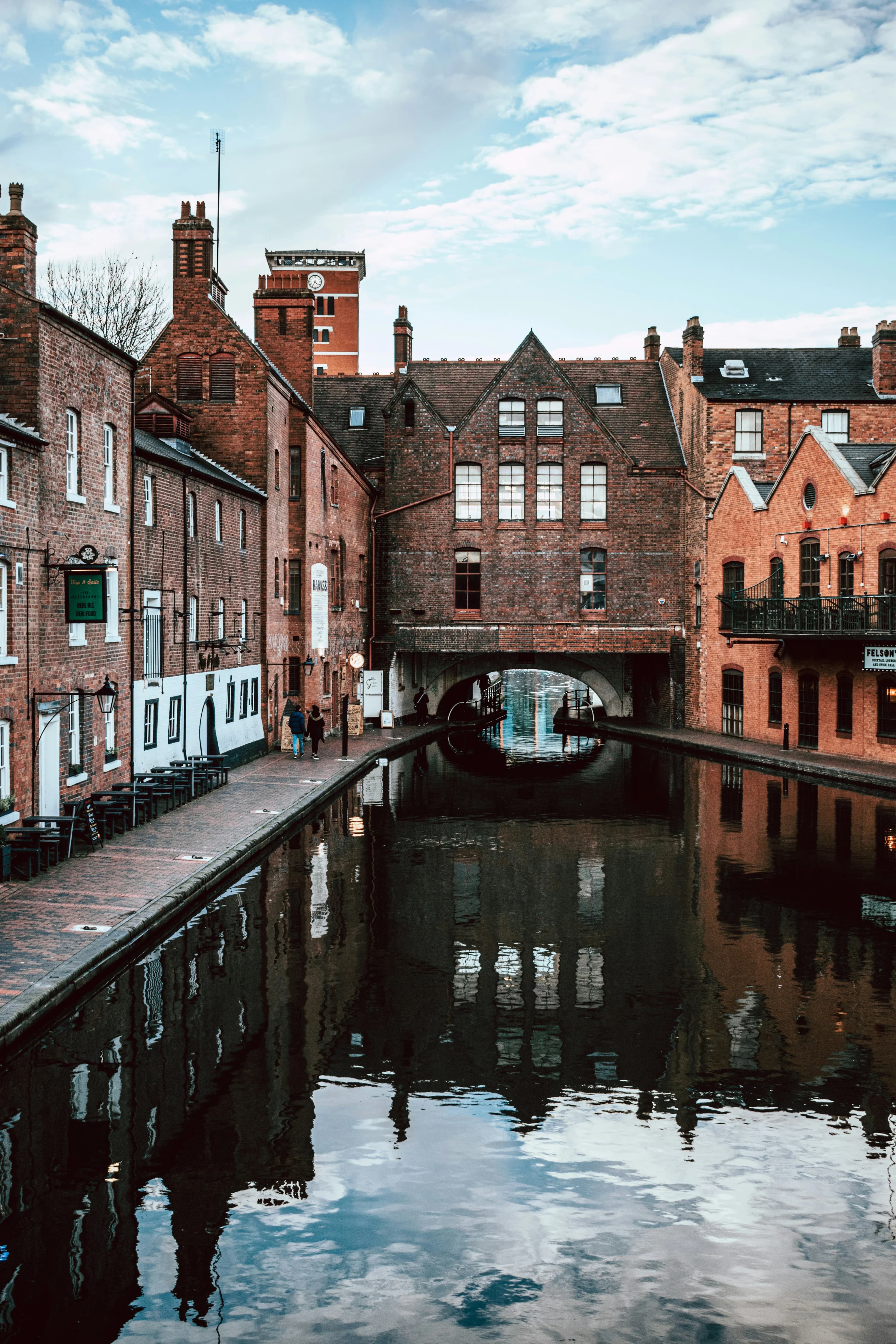
Birmingham is not a city that reveals itself immediately. It requires time, and it rewards those who approach it with patience and genuine curiosity. The canal network, larger than Amsterdam's, runs through the city with a quiet industrial logic. The Jewellery Quarter carries over two centuries of craft history within walking distance. The dining scene, anchored by a concentration of Michelin-starred restaurants that is exceptional by any European standard, makes the city a serious gastronomic destination. A luxury suite provides the operational base that a city of this complexity deserves: space to decompress, privacy to work or rest, and an environment that holds its own aesthetic standard against the city outside.

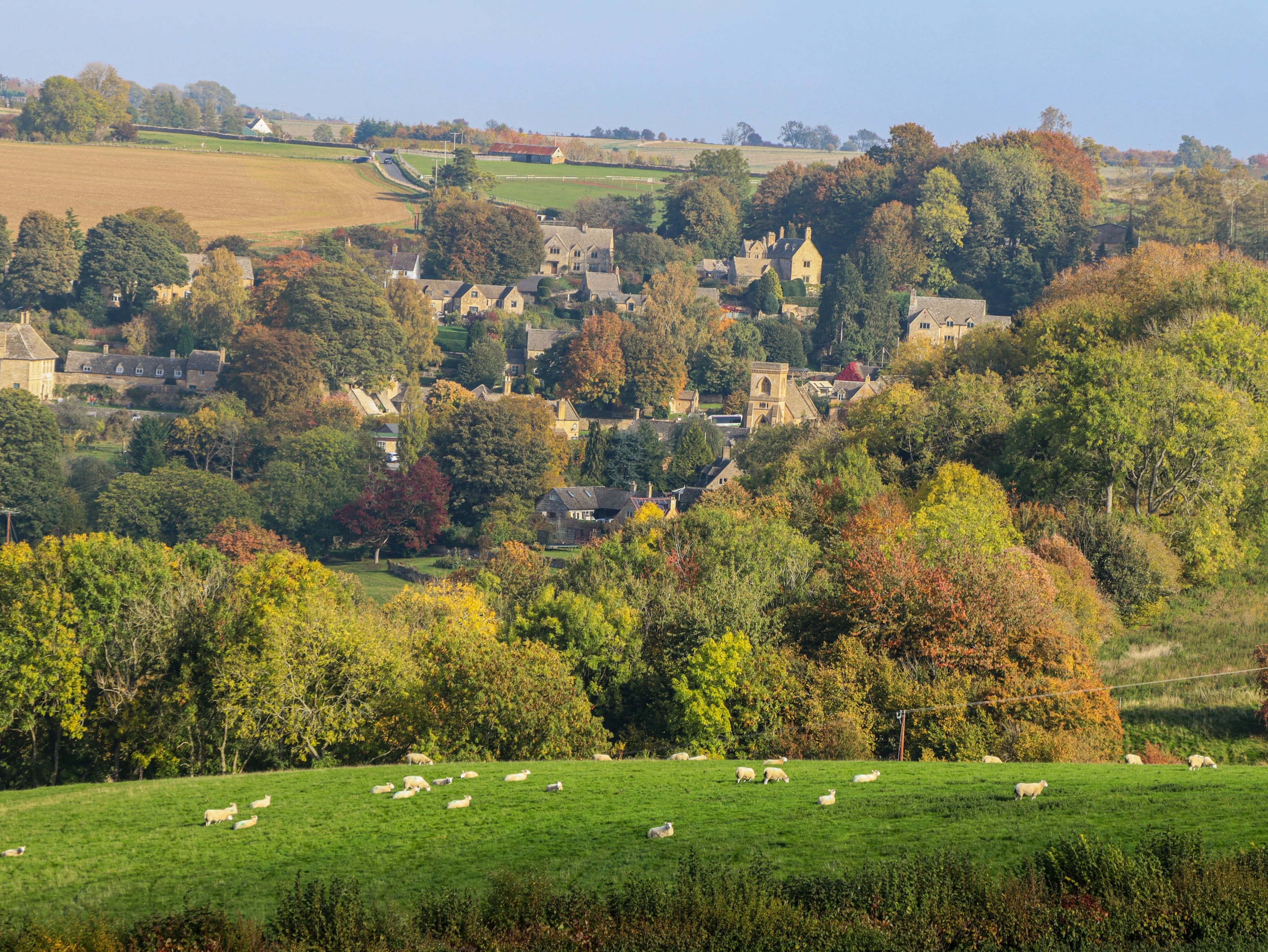
Moreton-in-Marsh is one of the few Cotswold towns with a functioning railway connection to London Paddington, placing it within reach of city-based travelers without the compromise of driving. Its Tuesday market, one of the oldest in the region, draws locals and visitors alike. The surrounding landscape, dry-stone walls, honey-colored villages, and open wolds, is best absorbed slowly, from a property with enough space to return to properly at the end of the day. A well-chosen luxury hotel suite here provides exactly that: a room with architectural character, generous proportions, and a sense of belonging to the countryside rather than merely passing through it.

44 km away
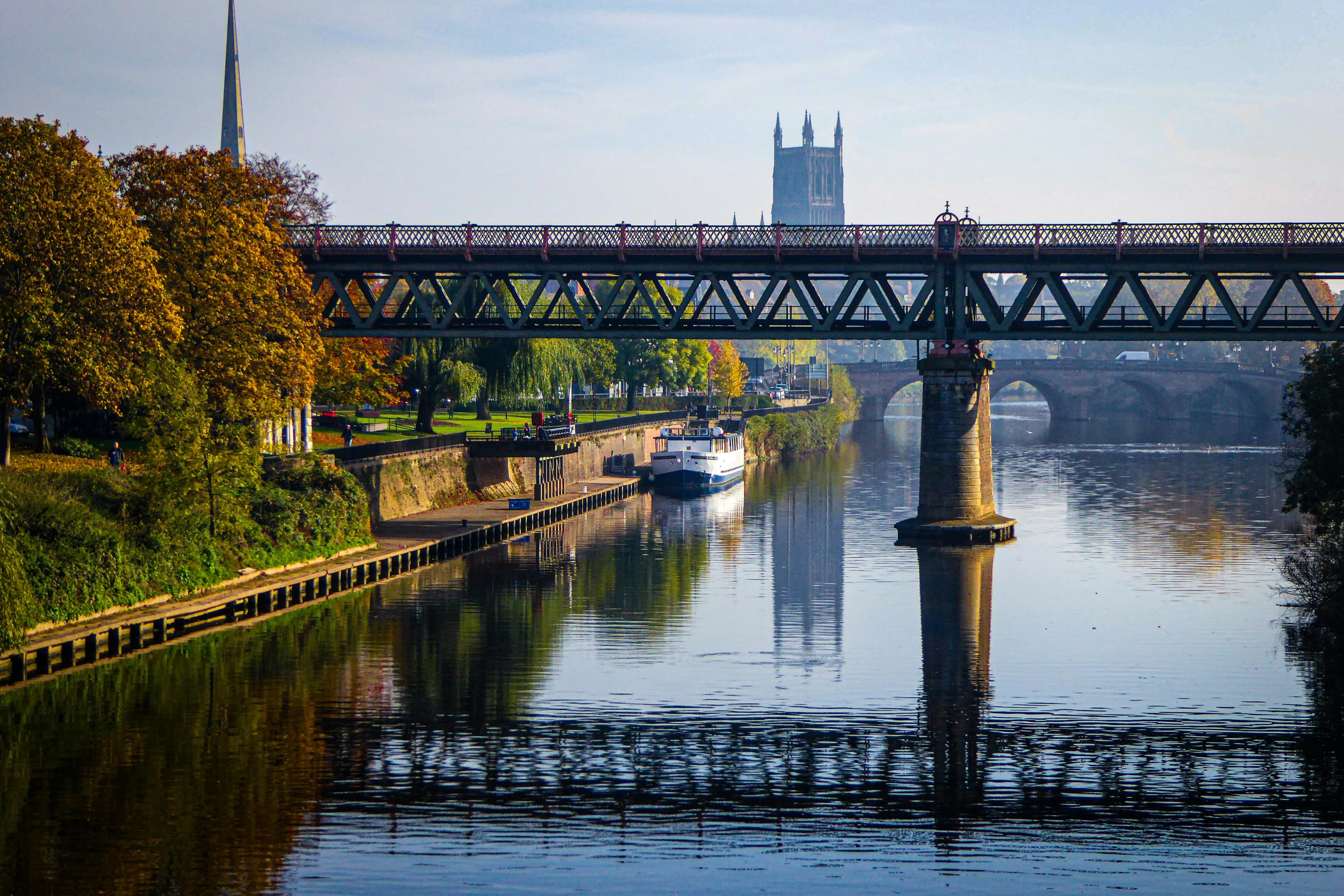
Worcester itself is a compact cathedral city on the banks of the River Severn. Its historic core, anchored by the 11th-century cathedral and the medieval Commandery, rewards guests who choose accommodation within walking distance of these landmarks. Staying close to the riverfront places you between the city's architectural fabric and the open countryside that begins almost immediately at its edges.
For the luxury traveller, Warwick offers something that larger English cities rarely can: a genuine sense of place, undiluted by commercial sprawl. The surrounding Warwickshire countryside, with its hedgerow-lined lanes and market towns, reinforces that sense of geographic and cultural coherence. Staying in or near Warwick in a well-chosen suite means waking up inside that coherence, not driving through it.
The historic core of Warwick is compact and walkable. Proximity to the castle, the market square, and the main civic buildings makes the town centre the most atmospherically rewarding base. Period properties here tend toward Georgian and Tudor vernacular architecture. A suite in a converted townhouse or coaching inn in this zone will offer the most direct connection to the town's character.
Within a fifteen-minute drive of Warwick, the landscape opens into classic English pastoral territory. Country house hotels in this belt, some operating in former estates with formal gardens and parkland, offer a different register entirely: seclusion, silence, and the particular luxury of space. For those visiting the region for a longer stay, combining a countryside base with day visits into Warwick itself is a sound and pleasurable strategy.
Directly adjacent to Warwick, Royal Leamington Spa offers a Regency streetscape of considerable quality, with wider hotel infrastructure than Warwick town itself. The two towns function almost as a single destination. A suite in Leamington gives access to both the spa town's own calm Georgian grid and to Warwick's medieval core within minutes.
England's Midlands climate is temperate and somewhat unpredictable. The most comfortable visiting window runs from late April through September, when the castle grounds and surrounding countryside are at their most accessible and visually coherent. Summer weekends can bring day-tripper crowds to the castle, which makes a midweek stay the more considered choice for those seeking quiet.
Warwick in autumn is particularly atmospheric. October and November bring low light, turning leaves along the Avon, and a marked reduction in tourist foot traffic. For travellers who prioritise atmosphere over sunshine, this shoulder season is arguably the most rewarding time to visit. The town's market, held regularly on the central square, operates year-round and gives an unfiltered sense of local life.
December brings a measured Christmas market atmosphere to the region. Warwick Castle runs its own seasonal programming, which tends toward family entertainment rather than refined cultural events, but the town itself takes on a quieter, more intimate quality in winter that some travellers will find appealing.
England does not operate a formal palace hotel designation in the way France does with its Palaces label. Quality signals here rely on independent accreditation: the AA's five-star hotel rating, membership in groups such as Relais and Chateaux or Small Luxury Hotels of the World, and the reputation built through consistent editorial coverage.
In a town of Warwick's scale, the luxury suite offer is necessarily limited. The most compelling properties tend to be conversion projects: historic buildings repurposed with considered interior design, where the architecture itself is the primary asset. Expect original features (exposed beams, flagstone floors, period fireplaces) set against contemporary comfort and service. The best suites in this category will prioritise quality of finish and spatial generosity over amenity volume.
For larger-scale luxury infrastructure (spa facilities, fine dining restaurants, extensive suite categories), the country house hotels within the broader Warwickshire area offer a more complete package. Properties in this category operate on a different scale entirely, with grounds, leisure facilities, and kitchen brigades that can support a multi-day stay without any need to leave the property.
The first decision is one of orientation: town or countryside. A suite in the town centre places you inside the architectural narrative of Warwick directly. You walk from your room to the castle gate, to the church, to the market. That proximity has genuine value for culturally motivated travellers.
A countryside suite repositions the experience. You are in English pastoral landscape, using Warwick as a destination to visit rather than a place to inhabit. Both are valid, but they produce fundamentally different trips. Consider your primary motivation for visiting the region before committing to a location.
The second consideration is the balance between heritage and modernity. Some travellers want the full period experience: low ceilings, irregular floors, the slight impracticalities of a genuinely old building. Others want contemporary design inserted into a historic shell. Both exist in this region. Reading the property's architectural history and looking carefully at room photography will clarify which category a suite belongs to.
Finally, consider access. Warwick is well connected by rail (direct services from London Marylebone take under two hours) and sits close to the M40 motorway corridor. For those driving from London or the Cotswolds, it integrates naturally into a broader Midlands or Shakespeare Country itinerary.
In a destination of Warwick's scale, the choice of where to stay carries disproportionate weight. There are no dozens of five-star options absorbing the decision. Each property is a specific commitment, and the difference between a well-chosen suite and a generic room in a chain hotel is the difference between experiencing Warwick on its own terms and passing through it.
La Suite focuses specifically on the suite category across Europe and beyond. In a town like Warwick, that means identifying the properties where the suite offer is genuinely worth the premium: where the space, the design, and the location are coherent enough to justify the stay. The curated selection by La Suite removes the guesswork from that process, applying the same editorial standards used across the broader United Kingdom portfolio to this specific and rewarding corner of England.

Warwick is reachable from London Marylebone in under two hours by direct rail, making it a practical and architecturally rewarding option for a two or three night stay. The town's medieval core, anchored by Warwick Castle and St Mary's church, offers a density of historical character that is rare at this proximity to the capital. Combined with countryside accommodation options in the surrounding Warwickshire area, it functions as a genuinely complete short break destination.
The suite offer in Warwick itself tends toward boutique and conversion properties, where historic buildings have been adapted to include premium room categories. Expect period architecture combined with contemporary fittings, with suite categories defined more by spatial quality and design consideration than by amenity volume. Broader Warwickshire offers country house hotel suites with fuller leisure and dining infrastructure.
Warwick's intimate scale, its walkable historic streets, and the quality of countryside accommodation within a short drive make it a well-suited destination for a couple's stay. A suite in a period property close to the castle, or in a country house hotel in the Warwickshire countryside, provides the privacy and atmosphere that a romantic trip requires. Midweek stays in particular offer a quieter, more personal experience of the town.
Stratford-upon-Avon draws significantly higher visitor volumes due to its Shakespeare associations and the Royal Shakespeare Company programme. Warwick offers a comparable depth of historical architecture with a markedly quieter atmosphere. For travellers prioritising space and calm over cultural programming, Warwick is often the more rewarding choice. The two towns are approximately eight miles apart and can be combined within a single itinerary.
Late spring and early autumn (April to June, September to October) offer the most balanced conditions: accessible weather, full castle and grounds operations, and reduced day-tripper volumes compared to the peak summer months. Autumn in particular provides atmospheric low light and the visual quality of the Avon riverside in seasonal colour. Winter stays are quieter still and suit travellers focused on the town's architecture rather than its outdoor spaces.
The Warwickshire countryside within a fifteen-to-twenty minute drive of Warwick includes a number of country house hotel properties operating in former estate buildings. These tend to offer a fuller luxury infrastructure than town-centre properties, with spa facilities, formal gardens, and fine dining. They function as self-contained retreats while keeping Warwick and the broader Shakespeare Country easily accessible by car.
Warwick Castle is the dominant cultural draw, with its medieval architecture, grounds along the Avon, and historical collections. The collegiate church of St Mary, with its Beauchamp Chapel, is an outstanding example of late Gothic English ecclesiastical architecture. The Lord Leycester Hospital on the High Street provides one of the best-preserved medieval almshouse complexes in England. Beyond Warwick, Kenilworth Castle and Stratford-upon-Avon extend the cultural itinerary significantly.
In a destination of Warwick's scale, the distinction matters considerably. Genuine suite categories are defined by spatial separation between sleeping and living areas, a material quality in finishes, and a design logic that reflects the property's architectural character. Reading accreditation signals (AA five-star rating, membership in Small Luxury Hotels of the World or equivalent groups) and examining room-specific photography and floorplans before booking will clarify the category. La Suite applies consistent editorial criteria to identify suites that justify the designation.
Warwick sits at the northern edge of the broader Shakespeare Country and Cotswolds travel corridor. From Warwick, the northern Cotswolds towns (Chipping Campden, Moreton-in-Marsh, Bourton-on-the-Water) are within a forty-five to sixty minute drive. For travellers combining both areas, Warwick functions effectively as a northern base, with the character of the Cotswolds accessible as day excursions without requiring a change of accommodation.
Prioritise properties where the architecture itself is treated as an asset rather than a backdrop. In a historic market town, the most rewarding suites occupy genuine period buildings with original features retained and integrated into the design. Confirm that the suite category offers meaningful spatial separation and that the property's service model matches the premium being charged. Conversion properties in this context often outperform purpose-built hotels on atmosphere, though they may offer less uniform amenity provision.