The Manor House Hotel, Moreton-in-Marsh
In the center of Moreton-in-Marsh, the 4-star Manor House Hotel offers luxurious accommodations and an award-winning restaurant. Each room in this 16th century building has its own distinctive charms.

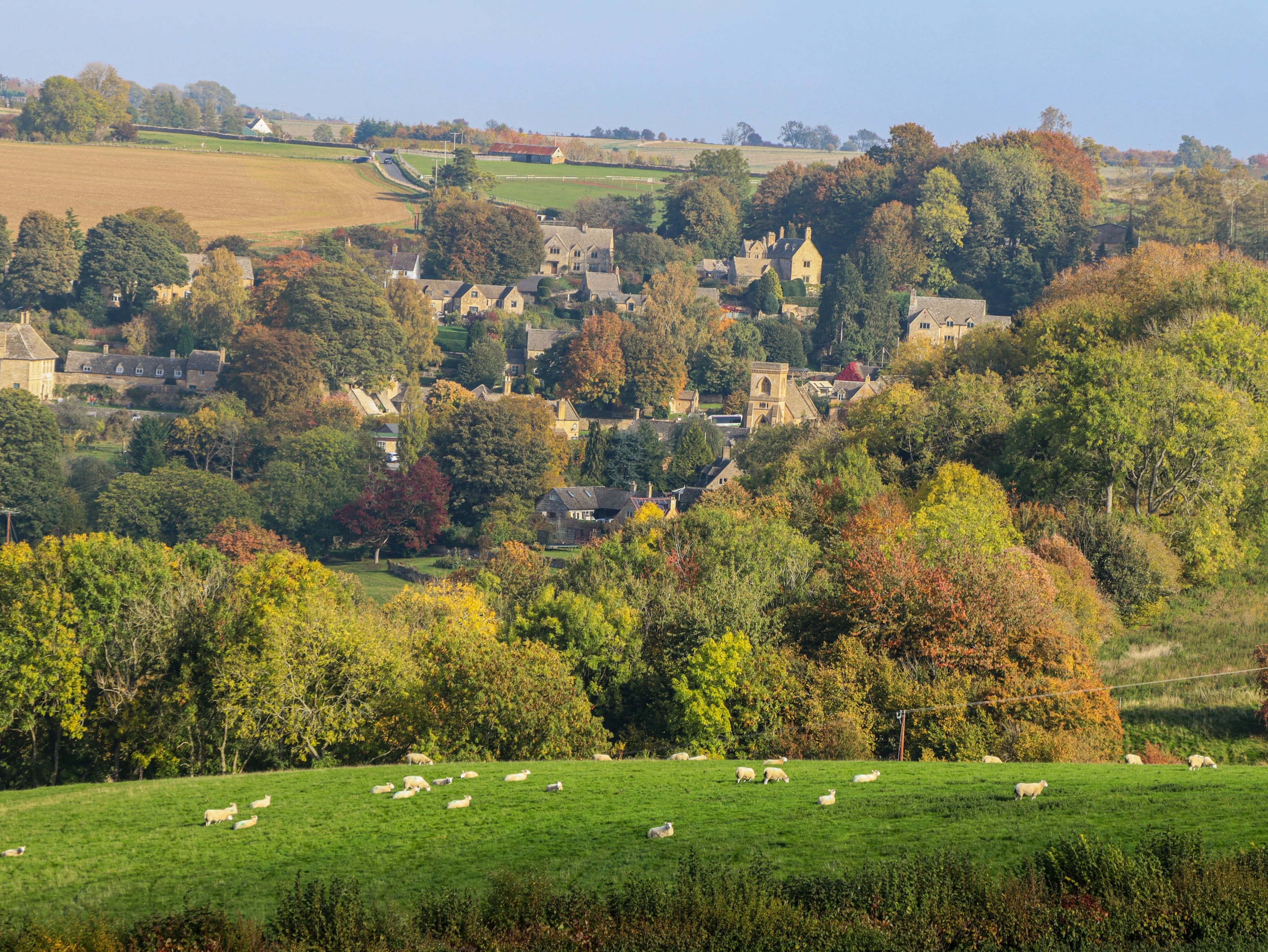
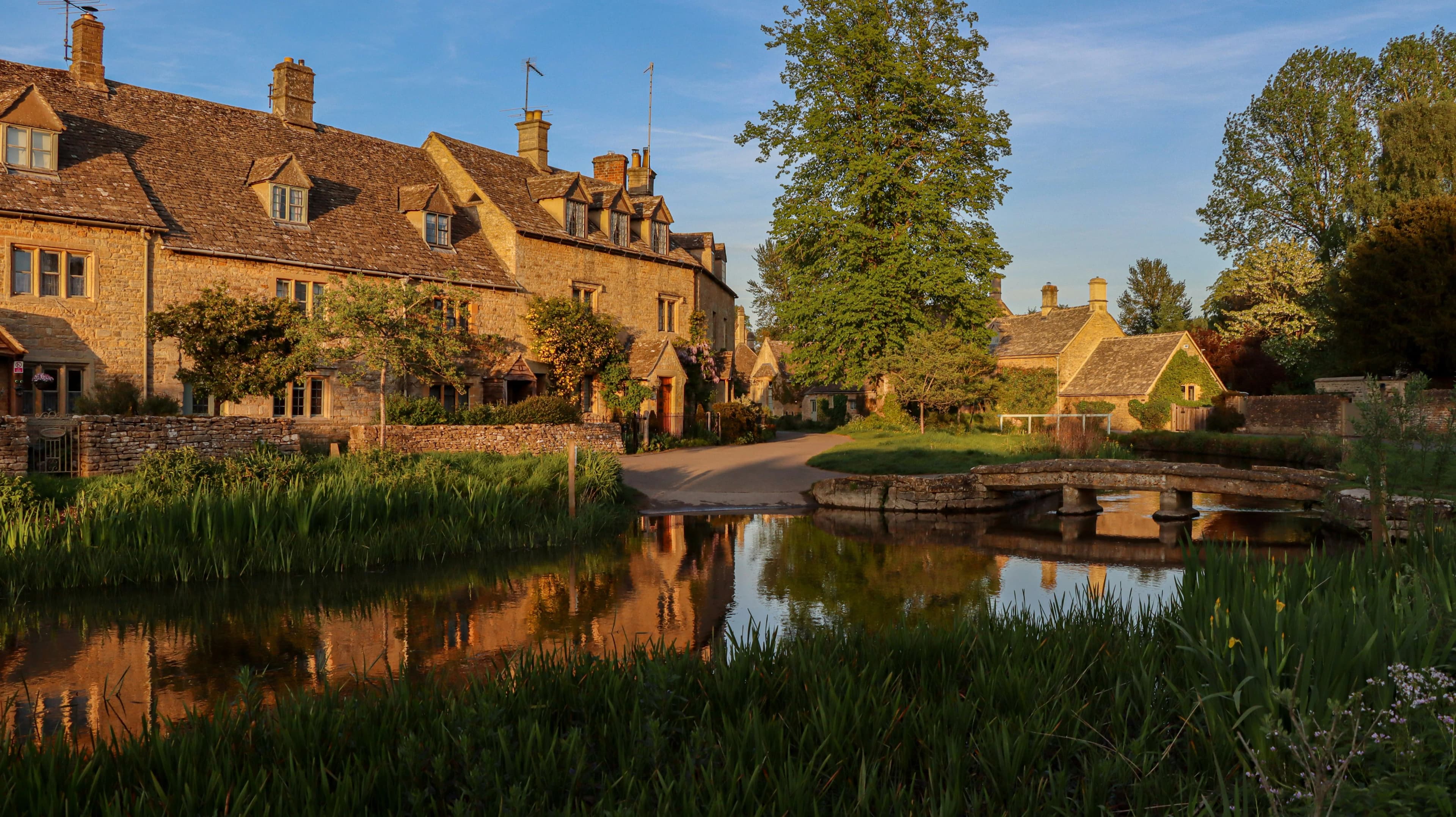
Moreton-in-Marsh is one of the few Cotswold towns with a functioning railway connection to London Paddington, placing it within reach of city-based travelers without the compromise of driving. Its Tuesday market, one of the oldest in the region, draws locals and visitors alike. The surrounding landscape, dry-stone walls, honey-colored villages, and open wolds, is best absorbed slowly, from a property with enough space to return to properly at the end of the day. A well-chosen luxury hotel suite here provides exactly that: a room with architectural character, generous proportions, and a sense of belonging to the countryside rather than merely passing through it.
1 hotel available

In the center of Moreton-in-Marsh, the 4-star Manor House Hotel offers luxurious accommodations and an award-winning restaurant. Each room in this 16th century building has its own distinctive charms.
Hotels in the area, but in a neighbouring town.

Set in the beautiful Cotswolds countryside, Hyll Hotel is a 14th-century manor house in 54 acres of grounds, providing the perfect base from which to explore the picturesque area. Guests will enjoy s

A recently renovated apartment, Luxury Landmark Stay in the Cotswolds with terrace & parking offers accommodations in Stow on the Wold. This property offers access to a balcony, free private parking,

Located in 400 acres of private estate, The Fish Hotel is the perfect location for exploring the Cotswolds. With views over the Cotswolds and the Vale of Evesham, the Fish Hotel features a unique vil

Dating back to 10th century, The Porch House offers free Wi-Fi throughout. Guests can enjoy a unique blend of beautifully restored English Heritage and exquisite food in the Cotswolds, which is an Are

Cheltenham is not a city that announces itself through spectacle. Its authority is architectural, social, and cumulative. The town centre is one of the best-preserved examples of Regency planning in Britain, composed of wide promenades, Ionic terraces, and municipal gardens that were designed to be inhabited at a slow pace. Arriving with a suite as a base means arriving with room to match that rhythm. The space to lay out clothes for a race day, to receive guests for a pre-dinner drink, to close a door on the world after an evening at the Everyman Theatre: these are the functional arguments for a luxury hotel suite here. The aesthetic argument is simply that a town built with this much compositional intelligence deserves accommodation that answers it.

40 km away
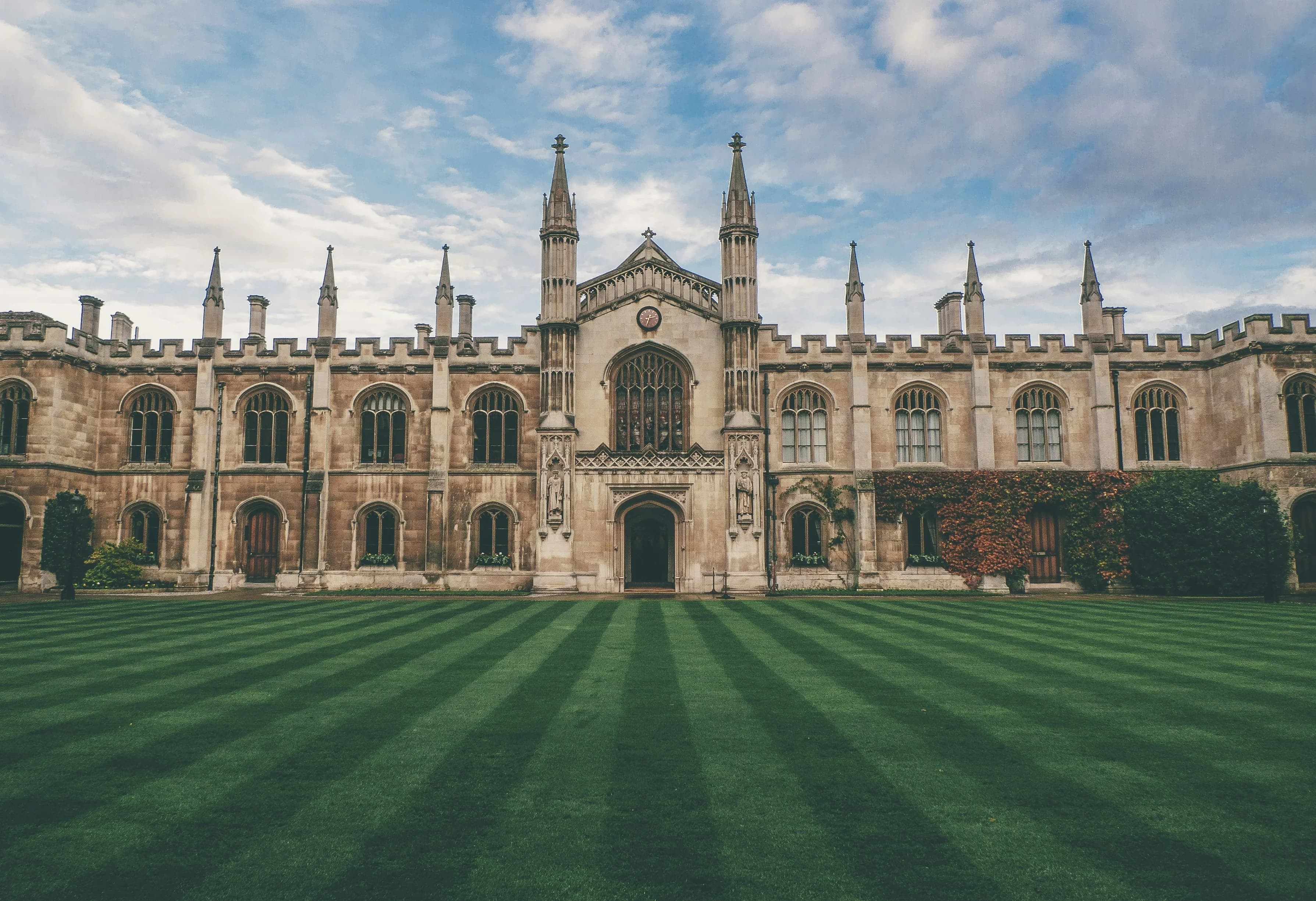
Oxford is a compact city, but its neighborhoods carry meaningfully different atmospheres. The area immediately surrounding the historic city center, close to the Bodleian Library and the Radcliffe Camera, places guests within walking distance of the oldest collegiate architecture in the English-speaking world. Suites in this zone tend to occupy converted Georgian townhouses or Victorian-era buildings, offering proximity to the high street and the covered market without sacrificing quiet.

42 km away
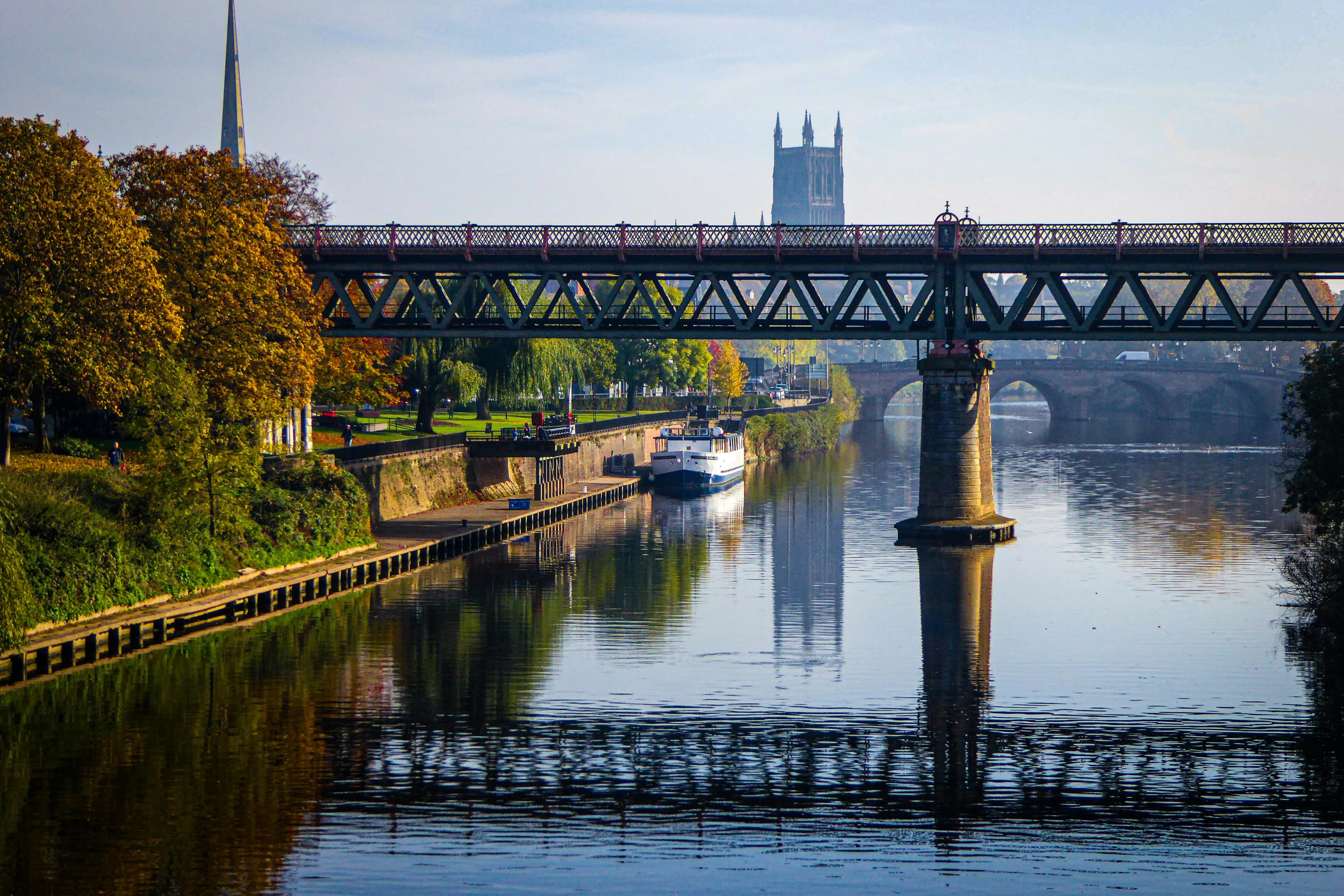
Worcester itself is a compact cathedral city on the banks of the River Severn. Its historic core, anchored by the 11th-century cathedral and the medieval Commandery, rewards guests who choose accommodation within walking distance of these landmarks. Staying close to the riverfront places you between the city's architectural fabric and the open countryside that begins almost immediately at its edges.
Moreton-in-Marsh's high street is unusually wide by English market town standards, a legacy of its medieval origins as a droving route. Properties on or near the high street place guests within walking distance of independent shops, traditional pubs, and the railway station. For travelers arriving without a car, this proximity is practical. For those with one, the town functions as a natural hub from which to explore the northern Cotswolds within a fifteen to twenty-minute radius.
Within a short drive of Moreton-in-Marsh lie some of the most photographed villages in Europe: Chipping Campden, with its arched market hall and Grade I listed wool merchant houses; Stow-on-the-Wold, perched at the highest point of the Cotswolds; and Bourton-on-the-Water, often called the Venice of the Cotswolds for its low bridges over the River Windrush. Staying near Moreton grants access to all of these without the congestion of staying inside them.
The northern Cotswolds have a long tradition of country house hotels, converted manor houses and former rectories that have been transformed into discreet, high-quality properties. These tend to offer larger suites than their urban counterparts, with private gardens, open fireplaces, and views across working farmland. The architectural fabric is typically seventeenth or eighteenth century, with interiors that balance period features against contemporary comfort.
April through June brings the Cotswolds to its most classically English condition. Dry-stone walls are softened by cow parsley and wild garlic. Gardens open under the National Gardens Scheme. The light is long and clear. Suite availability at smaller properties tends to be competitive from late May onward, particularly over bank holiday weekends, so lead time matters.
September and October offer a different quality of light and a marked reduction in visitor numbers. The Moreton-in-Marsh Show, held in early September, is one of the largest agricultural shows in the Cotswolds and draws a genuinely local crowd. For travelers who prefer their rural England without the summer tourist layer, autumn is the more considered choice.
Moreton-in-Marsh and the surrounding villages take on a quieter, more austere character in winter. Country house properties with log fires and enclosed grounds become particularly appealing. Christmas markets in nearby Bourton-on-the-Water and Chipping Campden are well-regarded. Suite rates at some properties dip outside peak season, making winter a moment for value without sacrificing quality.
The Cotswolds does not follow the same luxury grammar as London or Edinburgh. There are no urban palace hotels here, no rooftop bars or Michelin-starred hotel restaurants operating at scale. What the region offers instead is a more domestic register of luxury: properties with deep baths, four-poster beds, locally sourced breakfast menus, and the kind of silence that requires genuine remoteness to achieve. The highest-performing suites in this area tend to prioritise texture over spectacle: aged oak beams, flagstone floors, hand-stitched linens, and gardens that have been tended over decades rather than designed for a photoshoot. Country house classifications in the United Kingdom do not follow a formal prestige label equivalent to France's Palace designation, but properties affiliated with Relais and Chateaux or Small Luxury Hotels of the World offer a comparable quality signal in this context.
Travelers who prioritise architectural authenticity should look for properties in converted manor houses or former coaching inns, where the building itself is part of the experience. Those who prefer a cleaner contemporary finish may find that some properties have undergone full interior renovations while retaining their historic shells, offering the best of both registers.
Moreton-in-Marsh is one of the few Cotswold bases accessible by train, which matters for guests traveling from London without a car. If the plan involves exploring the surrounding villages extensively, a car becomes necessary, as public transport connections between villages are limited. The best suites in the area often include private parking, which should be confirmed before arrival.
The northern Cotswolds has a strong tradition of destination dining, with several restaurants within a twenty-minute drive holding national recognition. For guests who prefer to remain on-property, suites with private sitting rooms or terrace access allow for a self-contained experience. It is worth verifying whether breakfast is included, as many country house properties make this a central part of the stay rather than an optional extra.
Some properties near Moreton-in-Marsh offer interconnecting suites or self-contained cottage accommodations suitable for small groups or multi-generational families. These options tend to book earliest and are rarely listed on standard platforms, which is precisely the kind of inventory that a curated selection surfaces most effectively.
The Cotswolds luxury market is fragmented. Marketing quality varies enormously between properties, and the gap between a genuinely exceptional suite and an overpriced room in an underinvested building is not always visible from a hotel's own photography. The La Suite curated selection applies consistent editorial standards across every property reviewed, so that the traveler arriving in Moreton-in-Marsh has confidence in what they are walking into. In a region where the wrong choice means a long drive to find an alternative, that confidence is not a small thing.

Moreton-in-Marsh has a direct rail connection to London Paddington and sits at a central point in the northern Cotswolds, within easy reach of Chipping Campden, Stow-on-the-Wold, and Bourton-on-the-Water. It functions as a practical hub without the congestion of smaller, more visited villages. Guests staying in a luxury suite here can reach most major Cotswold destinations within twenty to thirty minutes by car.
Yes, the northern Cotswolds has a well-established tradition of country house hotels offering suites with period architectural features including stone fireplaces, four-poster beds, and private gardens. These properties typically occupy converted manor houses or former rectories dating from the seventeenth or eighteenth century. The interior finish ranges from faithful historic restoration to contemporary design installed within heritage shells.
Spring, specifically late April through June, offers the most classically English Cotswolds experience, with long daylight hours and gardens in full condition. Autumn, from September into October, brings fewer visitors and a quieter, more contemplative atmosphere. Winter is worth considering for guests who value fireside comfort and reduced rates, particularly at country house properties with enclosed grounds.
Moreton-in-Marsh has a direct rail service from London Paddington operated by Great Western Railway, with a journey time of approximately one hour and forty minutes. This makes it one of the most accessible Cotswold destinations for city-based travelers arriving without a car. However, exploring the surrounding villages in depth requires a vehicle, as local bus services between smaller settlements are limited.
Key considerations include the age and condition of the building, whether the suite has a private sitting room or separate entrance, and the quality of on-site dining. In the Cotswolds specifically, it is also worth confirming whether the property is genuinely rural or simply adjacent to a main road, as the quality of quiet and the view from the suite vary significantly. Affiliation with bodies such as Relais and Chateaux or Small Luxury Hotels of the World provides a useful quality reference in the absence of a formal national prestige label.
Several properties in the northern Cotswolds offer interconnecting rooms, suite combinations, or self-contained cottage accommodation that works well for families or small groups traveling together. These configurations tend to book well in advance and are not always visible through standard hotel booking platforms. A curated specialist selection is often the most reliable way to identify and secure these options.
The Moreton-in-Marsh Show is an annual agricultural and country show held in early September, widely regarded as one of the largest events of its kind in the Cotswolds. It draws a substantial local and regional attendance and has a measurable effect on accommodation availability in the town and surrounding area during that weekend. Travelers planning to visit during the show period should expect reduced suite availability and should book well in advance.
The Cotswolds luxury hotel market operates on a different scale and register from urban destinations. Properties here tend to be smaller and more intimate, with an emphasis on landscape, architectural heritage, and domestic-scale hospitality rather than large hotel infrastructure. There is no equivalent to London's grand palace hotels, but the best country house suites in the region offer a form of privacy and spatial generosity that urban properties rarely match.
The northern Cotswolds has a strong concentration of quality restaurants within a short drive of Moreton-in-Marsh, several of which hold national culinary recognition. Many country house properties also offer their own dining rooms with menus built around local and seasonal produce. Guests who prefer a fully self-contained experience should look for suites with private terrace access or sitting rooms where in-room dining can be arranged.
The Cotswolds accommodation market contains a wide range of properties at similar price points but with significant variation in actual quality. Photography and self-reported descriptions on individual hotel websites do not always reflect the true condition or character of a suite. La Suite applies consistent editorial standards to every property in its selection, allowing travelers to make informed comparisons and arrive with confidence rather than uncertainty.