Where to stay in the Scottish Highlands
The northwest coast and Wester Ross
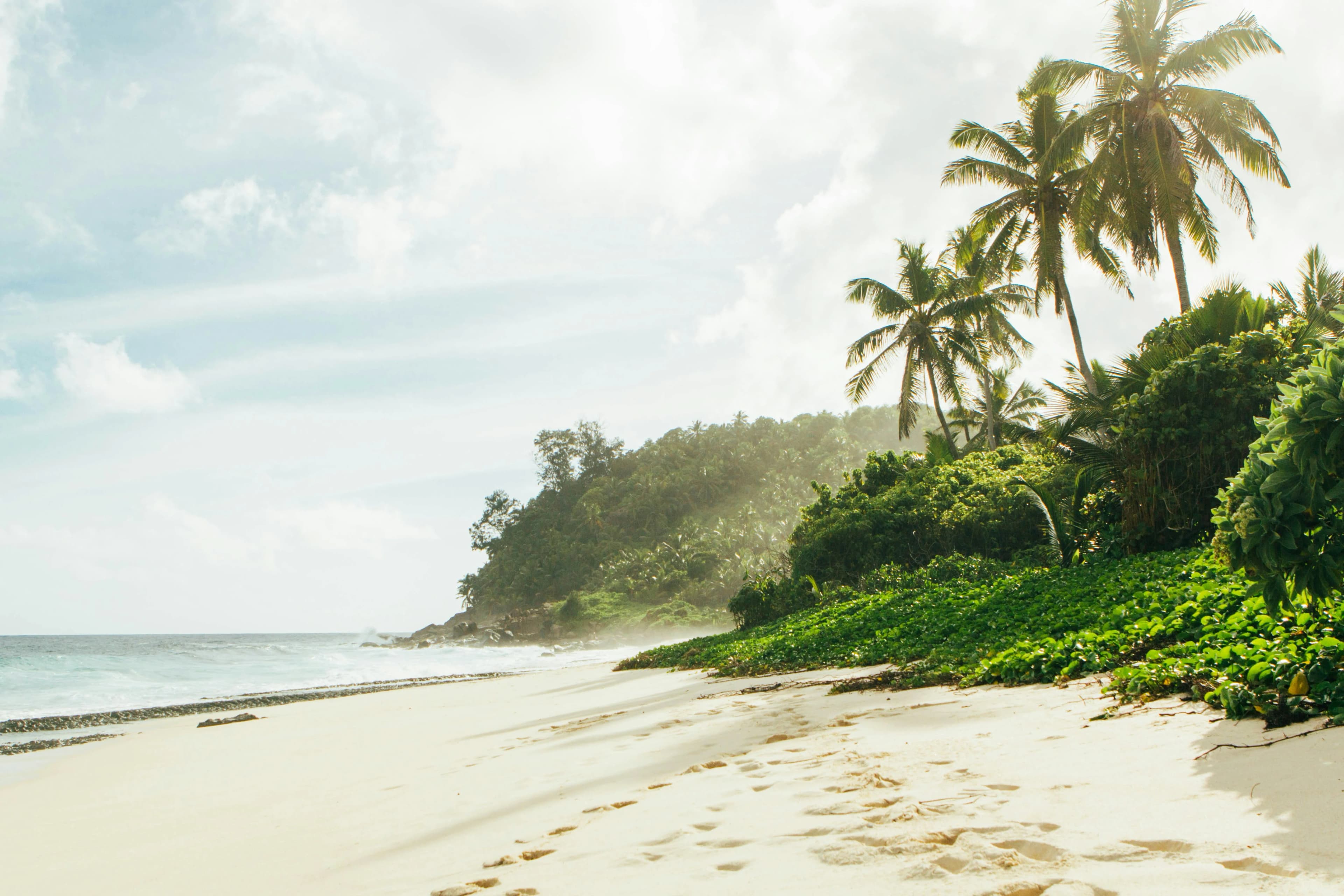
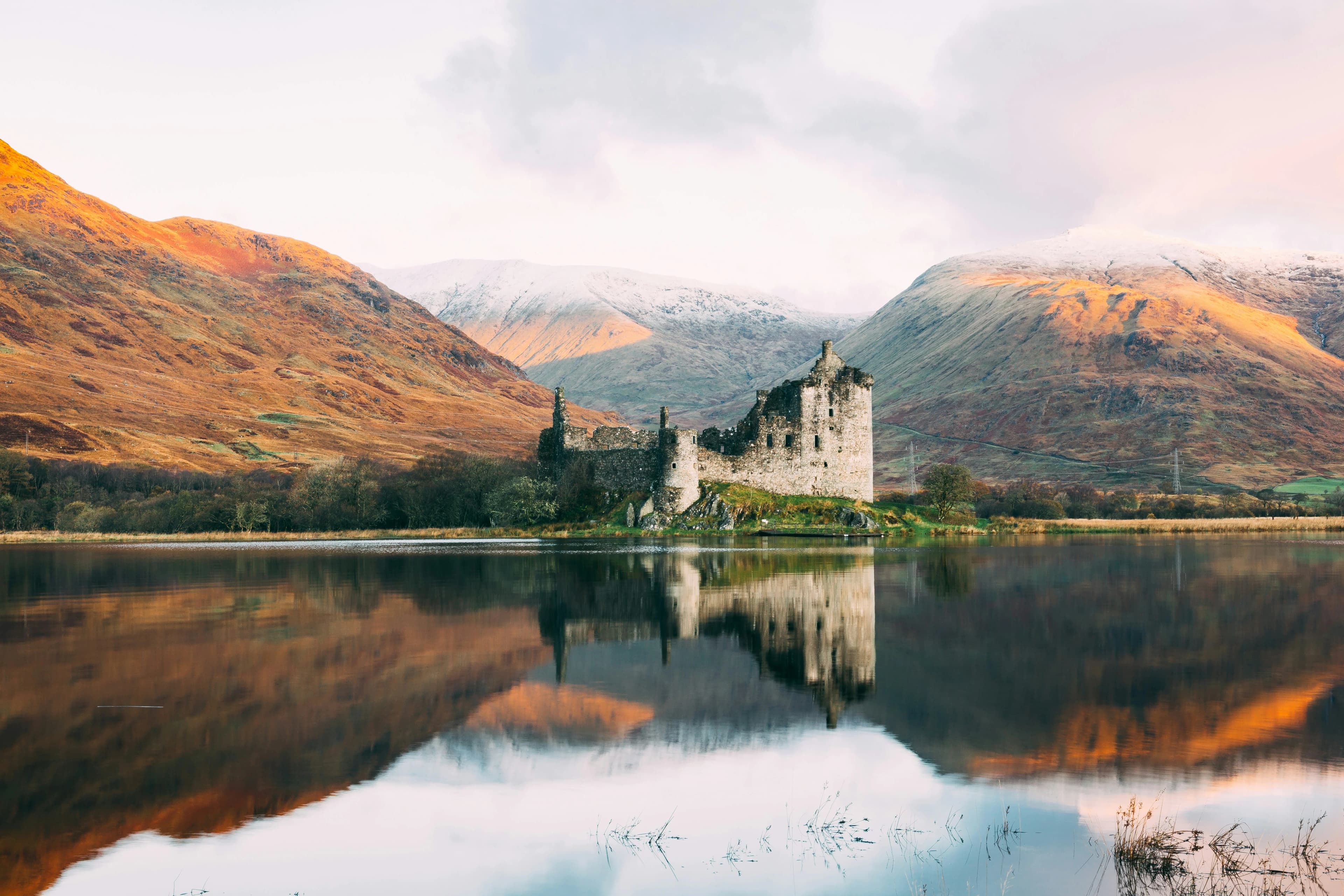
This is the Highlands at their most elemental. The road known as the North Coast 500 traces a route through landscapes of Torridonian sandstone and sea lochs that predate most of Europe's mountain ranges. Estates and converted shooting lodges in this corridor tend toward intimate scale, with suites oriented around open fires, natural wool textiles, and unobstructed moorland views. The operative luxury here is silence and seclusion, with almost no urban infrastructure to contend with.
Speyside and the Cairngorms National Park
The Cairngorms represent Britain's largest national park by area, and the Speyside corridor running through it carries an additional layer of cultural weight. This is the geographic heart of Scotch whisky production, and the finest hotel properties in this zone reflect that identity through curated whisky collections, access to private distillery experiences, and interiors that reference the material culture of the region. Suites here tend to sit within Victorian-era shooting lodges or purpose-built country house hotels, offering a more structured retreat than the raw northwest.
Loch Ness and the Great Glen
The Great Glen fault line runs diagonally across the Highlands from Fort William in the southwest to Inverness in the northeast, creating a chain of deep freshwater lochs. Properties along this corridor benefit from dramatic water-facing orientations, with some of the region's most photographed suite outlooks positioned above Loch Ness itself. The accessibility of this corridor, connected by the A82 road, makes it a practical base for wider Highlands exploration without sacrificing remoteness.
The far north and Sutherland
Sutherland is one of the least densely populated areas in Europe, and luxury hotel infrastructure here is deliberately sparse. What exists tends to operate at the boutique end of the spectrum: converted farmhouses, small-scale castle properties, and restored Victorian lodges where the guest-to-staff ratio is kept deliberately low. Travelers who prioritise complete autonomy and landscape immersion over amenity lists will find Sutherland the most uncompromising of the Highlands' sub-territories.
When to visit the Scottish Highlands for a suite stay
The Highlands have no single optimal season. Each period carries its own character, and the choice depends on what kind of experience the traveler is prioritising.
Late spring, from May through June, offers the longest daylight hours and the most stable walking conditions, with heather and wildflowers beginning to establish themselves across the moorland. This is considered peak season for outdoor-focused stays, and the best suites in established properties tend to book earliest for these months.
July and August bring the Highland Games circuit, with events at Braemar, Inveraray, and Cowal attracting significant visitor numbers. Braemar in particular, which has historical associations with the British royal family, draws a culturally specific audience. Suite availability during these weeks requires advance planning.
September and October represent the period known locally as the rut, when red deer stags become visible across open moorland during the breeding season. This is also the season of the best light for the landscape, with low amber tones from early afternoon onward. Many guests who have stayed across multiple seasons consider this the most rewarding period for a suite-based retreat.
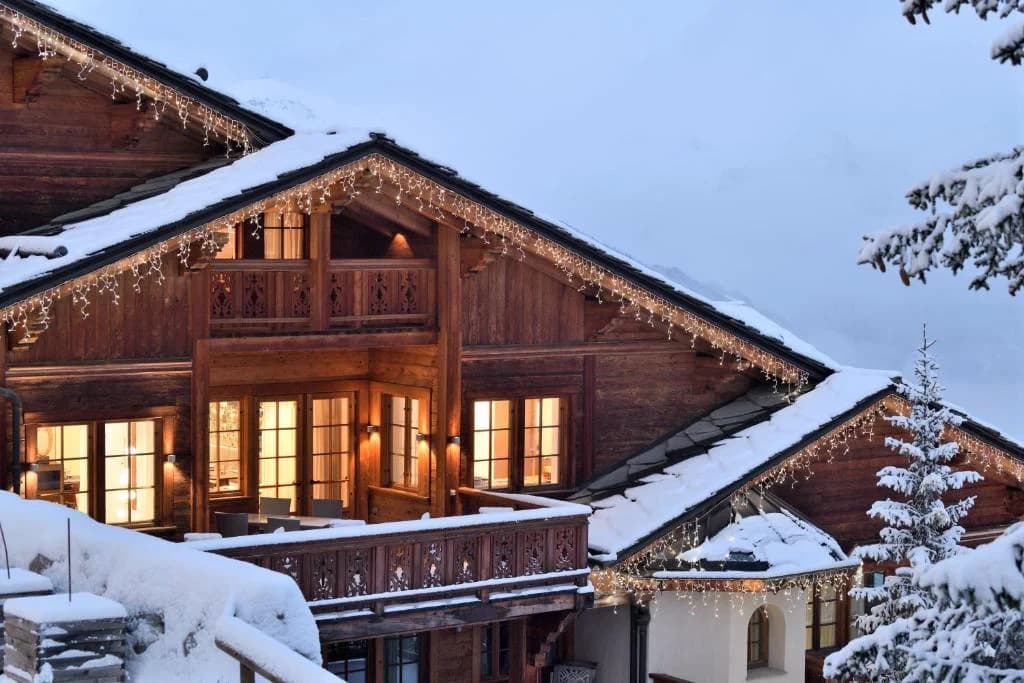
Winter visits from November through February are possible but require a tolerance for reduced daylight and variable road conditions. The reward is complete seclusion. Several properties operating in the Highlands reduce their guest capacity significantly in winter, making the experience more exclusive by default. The possibility of seeing the northern lights (aurora borealis) from the far north adds an additional draw for this period.
Understanding luxury standards in the Scottish Highlands
The Highlands do not operate within the same classification framework as urban luxury hotel markets. There is no Scottish equivalent of the French Palace designation. Instead, the markers of quality here are more experiential and architectural in nature.
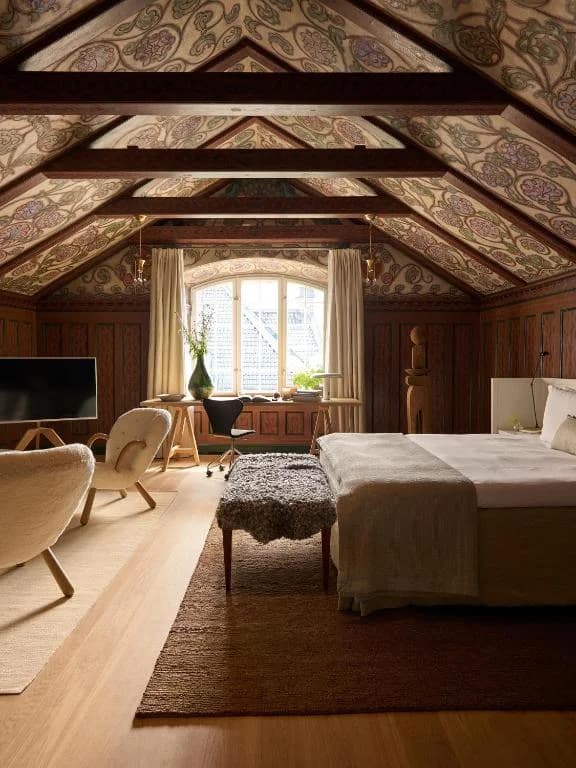
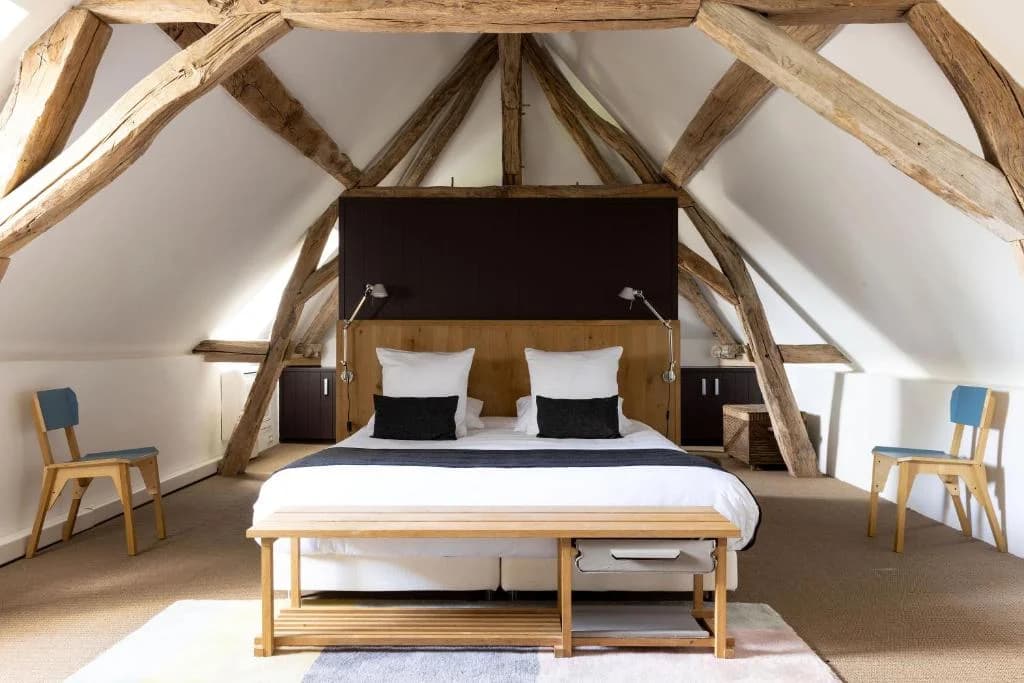
The most significant category of luxury property in this territory is the Scottish country house hotel, typically a Victorian-era or Edwardian shooting lodge or castle that has been converted with varying degrees of fidelity to the original architectural fabric. The best examples retain original features including panelled libraries, grand staircases, and formal dining rooms, while inserting contemporary suite fitouts that do not compete with the inherited character of the building.
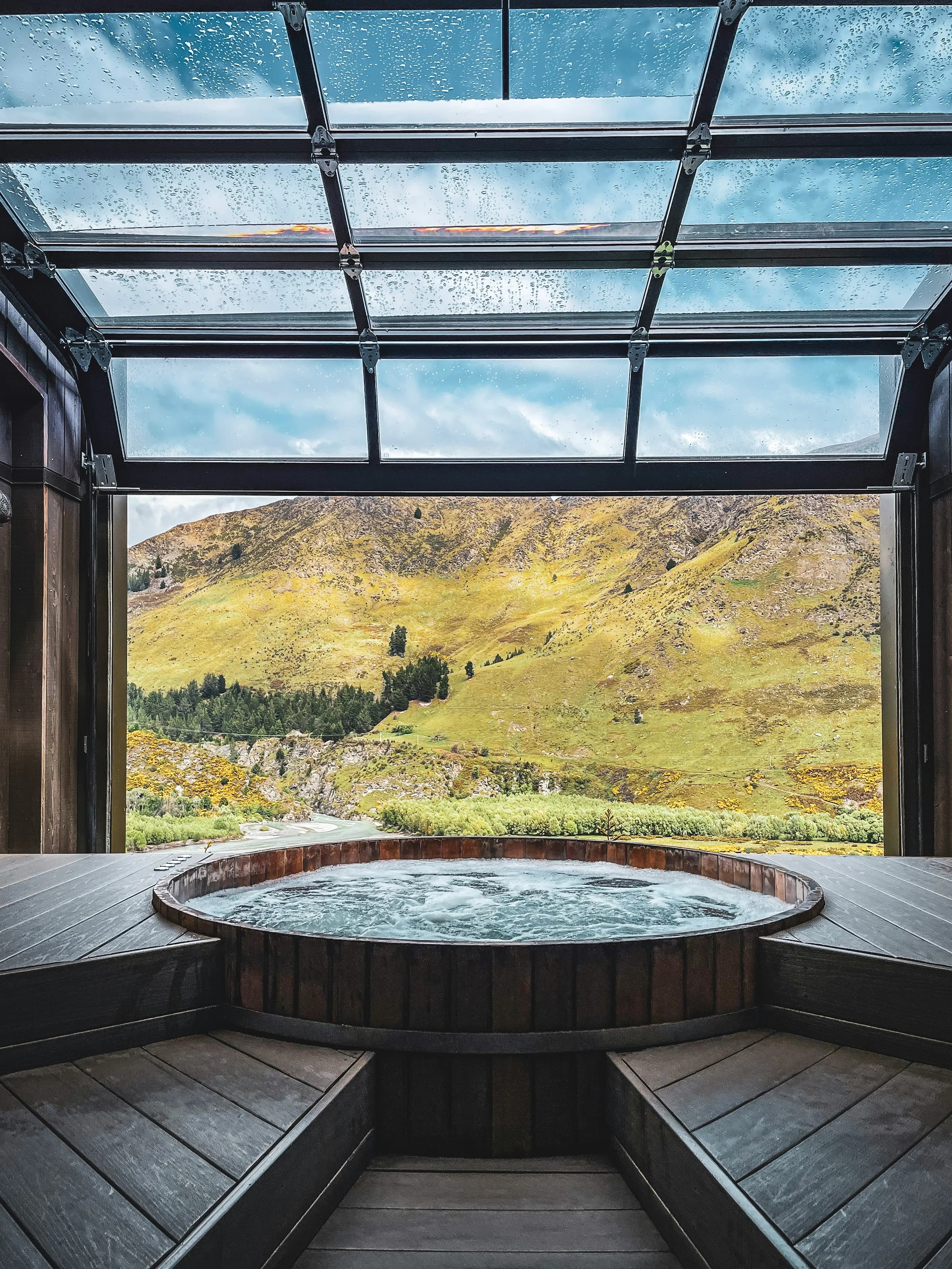
A second category is the purpose-built luxury lodge, usually positioned in remote or coastal settings and designed from the ground up for high-end guests. These properties often prioritise floor-to-ceiling glazing oriented toward the landscape, in-suite hot tubs or treatment rooms, and a very small number of guest units to maintain exclusivity.
Private castle rentals represent a third format that operates outside the conventional hotel structure entirely. Several historic castles across the Highlands are available for exclusive hire, offering a full-property experience for groups. This category requires a different booking approach and a considerably different budget threshold.
How to choose the right luxury suite in the Scottish Highlands
Several practical considerations shape the decision process for a Highlands suite stay, and they differ from the criteria that apply in urban or resort contexts.
Connectivity and transfer logistics matter more than in most destinations. The Highlands are large, and distances between areas are significant. A suite at a property in Sutherland may require three to four hours of driving from Inverness Airport. Understanding the relationship between arrival point and property location before booking avoids logistical friction.
The question of what the suite looks toward is central to the Highlands experience. In a city property, an outward-facing room offers skyline or streetscape. Here, the orientation of the suite toward moorland, loch, mountain, or sea defines the sensory character of the entire stay. Reviewing the specific aspect and elevation of a suite before committing is time well spent.
Consider also whether the property operates year-round or seasonally. Some of the most respected Highlands hotel properties close for a period between January and March, and several operate with reduced services during the shoulder months. Confirming operational status before selecting a travel window is a basic practical step.
Finally, assess the balance between architectural heritage and contemporary infrastructure. Some travelers prioritise the atmosphere of staying in a property with centuries of accumulated character. Others find that older buildings, however beautiful, create compromises in thermal comfort or acoustic insulation that a newer purpose-built lodge would avoid. Both preferences are legitimate and lead to very different property types.
Why a curated selection by La Suite works for the Scottish Highlands
The Highlands present a specific curation challenge. The territory is large, the hotel market is fragmented, and the variance in quality between properties that use similar language to describe themselves is considerable. A converted farmhouse with two guest rooms and a property with a dedicated spa and twelve individually designed suites can both describe themselves as luxury retreats in the Highlands without either claim being technically false.
La Suite applies a consistent editorial and architectural filter across this market. The selection process privileges properties where the suite itself, not just the surrounding landscape, meets the criteria for high-end travel: design coherence, material quality, appropriate scale, and a level of service calibrated to the guest's expectation of privacy and autonomy. The curated selection by La Suite removes the research burden that the fragmented Highlands market would otherwise impose on even the most experienced traveler.