100 Princes Street, Edinburgh
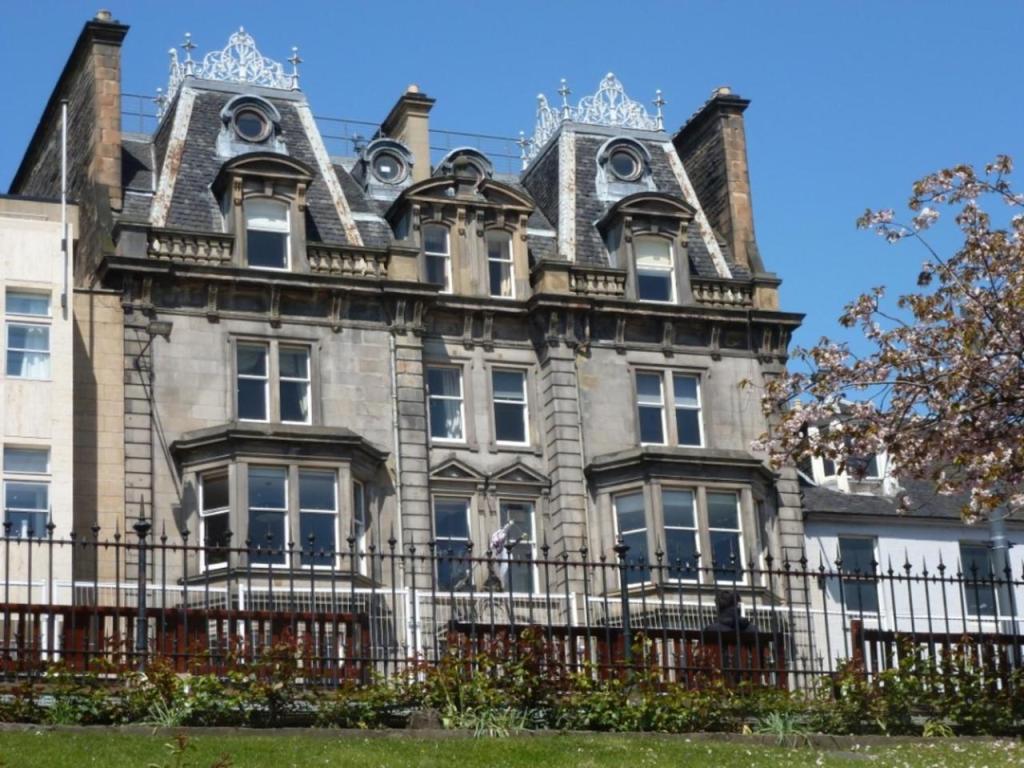
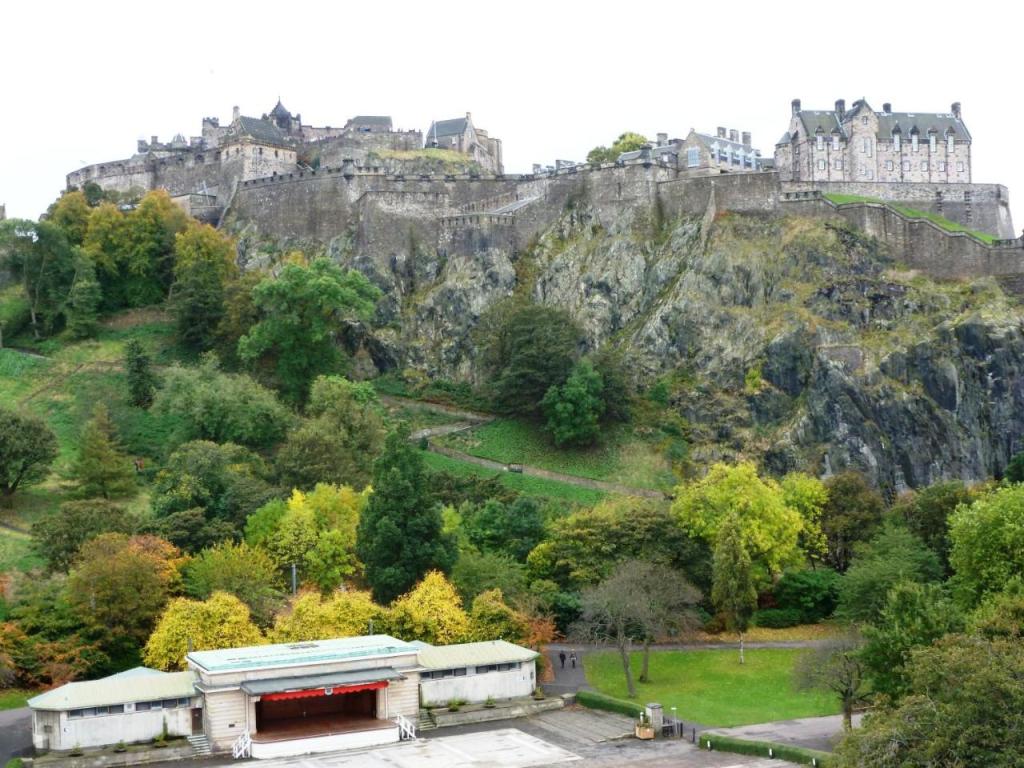
Prime Location 100 Princes Street is located in Edinburgh city center, less than 0.6 mi from the Royal Mile and Edinburgh Castle. Nearby attractions include the National Museum of Scotland and Edi

Scotland divides itself into territories with genuinely different characters, each demanding a different approach to accommodation. Understanding these distinctions is the first step toward choosing a property that fits the trip rather than simply filling a bed.
78 hotels available

Prime Location 100 Princes Street is located in Edinburgh city center, less than 0.6 mi from the Royal Mile and Edinburgh Castle. Nearby attractions include the National Museum of Scotland and Edi

Historic Setting 29 Queen Street in Edinburgh is housed in a historic building, offering a unique and charming environment. Comfortable Accommodations The aparthotel features family rooms with private

Comfortable Accommodations 3 John's Place Townhouse in Edinburgh offers adults-only 4-star accommodations with free WiFi. The property features private check-in and check-out, daily housekeeping, and

Historic Setting 33 Castle Terrace in Edinburgh offers a recently renovated aparthotel housed in a historic building. Guests enjoy garden and city views from their private balconies. Modern Amenities

Historic Setting 89 The Merchants- Chic Aparthotel by The House of Danu in Edinburgh is housed in a historic building. The property offers a unique and charming setting with a city view. Modern Amenit

Prime City Center Location Abbey Strand Apartments in Edinburgh offers a central location with Edinburgh Waverley station a 12-minute walk away. Nearby attractions include the National Museum of Scotl

The 4-star Apex City of Glasgow Hotel is located in the heart of Scotland’s fashion capital. Its beautiful location, eye-catching exterior and tasteful interior makes it the perfect place to stay. Fea

Historic Setting Ard Na Said in Edinburgh offers a 4-star guest house experience within a historic building. The property is adults-only and located on a quiet street, providing a peaceful retreat. Co

Elegant Accommodations Bailiffgate Hotel in Alnwick offers a 5-star experience with a sun terrace, garden, restaurant, bar, and free WiFi. Guests enjoy family rooms, private parking, and amenities suc

Balmoral Arms is located in village of Ballater, in the center of Royal Deeside. The property offers open log fires and free WiFi. Each room at Balmoral Arms a flat-screen TV and tea/coffee making fa

Historic Charm Beadnell Towers Hotel in Beadnell is housed in a historic building, offering a unique setting with sea views. The property features a sun terrace, outdoor seating area, and a lush g

Comfortable Accommodations Black Horse Beamish in Beamish offers family rooms with private bathrooms, featuring modern amenities such as free WiFi, flat-screen TVs, and private entrances. Each room in

Approximately 4 mi from Durham, this small country house hotel has easy access to the A1(M) and features 19 individually styled bedrooms with attached bathroom. This charming hotel has a beautiful, tr

Located on the shores of Loch Lomond within the Loch Lomond and Trossachs National Park, Cameron House is a 20-minute drive from Glasgow Airport. It offers 5-star luxurious bedrooms with attached bath

Owned by Kim and Andy Murray, Cromlix is a five-star country house hotel set in 34 acres of secluded Scottish woodland, just three miles from Dunblane. Following an extensive 2026 renovation, this his

Historic Setting Crossbasket Castle, Hotel & Restaurant in High Blantyre is housed in a historic building. Guests enjoy a beautiful garden and terrace, complemented by free WiFi throughout the propert

Built in the style of a Manor House making it one of the most distinctive hotels in Northumberland. Overlooking the Derwent Valley, this beautiful hotel is located within easy reach of Newcastle and D

Prime Location Marine & Lawn Dornoch in Dornoch offers a beachfront setting with stunning sea views. Royal Dornoch Golf Club is a 3-minute walk away, while Carnegie Club Skibo Castle lies 1969 fee

Elegant Accommodations Dunluce Lodge in Portrush offers a 5-star experience with a spa and wellness center, a beautiful garden, terrace, restaurant, bar, and free WiFi. Comfortable Amenities

Historic Charm Farlam Hall Hotel & Restaurant in Brampton offers a 4-star experience within a historic building. Guests enjoy garden views and a sun terrace, complemented by free WiFi throughout the p

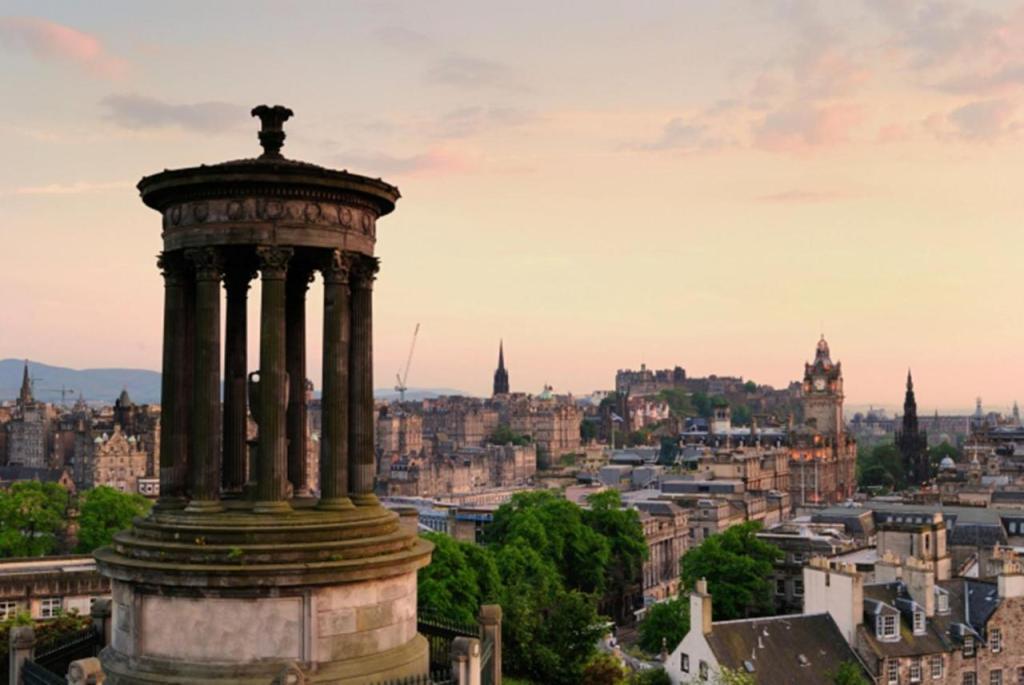
In autumn, Edinburgh reveals a raking light that redraws every urban volume. Five exceptional suites transform this seasonal alchemy into a residential experience, where Gothic velvet mingles with refined marble and perspectives over the misty castle.
BY Jules Peulet

Your honeymoon is far more than a simple journey. It's the inaugural celebration of a new chapter, a moment where time itself seems to pause. For an occasion of such rarity, choosing your destination matters almost as much as selecting your intimate sanctuary. A standard room in a grand hotel simply won't do; you deserve an exceptional suite. A space where architecture, design, and service merge to create the incomparable. Whether it's a troglodytic refuge facing Santorini's caldera, a hidden castle in the heart of Paris, or a Scottish villa swept by sea spray, La Suite has explored the continent for you. Discover our carefully curated selection of 11 exceptional European suites for a honeymoon defined by aesthetics and privilege.
BY Jules Peulet
The Scottish Highlands represent the most architecturally compelling case for suite travel in Scotland. Distances are real here. Properties are often remote by design, and the suites that occupy converted shooting lodges, Victorian hunting estates, or contemporary eco-structures are calibrated for guests who expect solitude as a given rather than a luxury. The Highlands reward travelers who stay longer and move slower. A suite with a north-facing window above a loch is a very specific sensory proposition, one that cannot be replicated in any other part of the world.
The central belt, anchored by Edinburgh and extending south toward the Borders, offers a different register entirely. Here, the suite offering is more likely to sit within a Georgian or Victorian building, with the formal proportions and thick-walled quiet that come with that architectural tradition. Proximity to cultural institutions, whisky heritage, and golf courses of international standing makes this corridor a practical base for multi-layered itineraries.
Glasgow operates at a different tempo. The city's design culture is serious, and some of the most considered hotel interiors in the United Kingdom are found here. West coast properties, particularly those facing the islands of Arran, Islay, or Mull, combine marine light with a stripped-back aesthetic that appeals to travelers who find excess decorative rather than meaningful.
Orkney, Shetland, Skye, and the Outer Hebrides occupy a category of their own. Suite travel here is about rarity. Properties are fewer, access requires intention, and the reward is a form of spatial privacy that is genuinely difficult to find elsewhere in Europe. The islands attract a particular traveler: one who has already done the accessible destinations and is now seeking something with more resistance, more weather, and more edge.
Scotland's seasons are not decorative. They are structural, and they shape what a stay actually feels like.
Late spring (May and June) offers the longest daylight hours in the Highlands, with light that persists until nearly midnight at the summer solstice. This is the period most favored by photographers, walkers, and travelers who want to move through the landscape rather than observe it through glass. Suite availability at smaller estate properties is tightest during this window.
Summer (July and August) brings the highest visitor volumes, particularly around the Edinburgh Festival Fringe, one of the world's largest arts gatherings. Booking lead times for high-quality suites during the Edinburgh Festival period extend to six months or more. Rates follow demand accordingly.
Autumn (September and October) is arguably the most atmospheric season. Highland estates take on a particular quality during the stalking season, and the low-angle light across open moorland is without equivalent. Many experienced Scotland travelers consider this the period of peak sensory intensity.
Winter is underrated. The remoteness of Highland properties becomes a feature rather than a constraint. Shorter days and firelit interiors create a specific form of retreat that a certain type of traveler actively seeks. Rates at some properties soften considerably outside peak season, making winter an intelligent entry point for first-time suite travelers.
Scotland does not use the French Palace designation, but it has developed its own vocabulary of prestige. The most relevant categories for suite travelers are as follows.
Country house hotels: these are the defining format of Scottish luxury hospitality. Properties converted from private estates, often retaining original artwork, furnishings, and spatial logic, provide a form of inhabited history that purpose-built hotels cannot replicate. The best examples function almost as private houses, with staff ratios and service cultures that reflect that ambition.
Sporting estates: a subset of country house hotels oriented around field sports, fishing, and land-based activity. The suites in these properties are often named for the surrounding geography or family history. They are rarely minimalist in the contemporary sense, but their material quality (wool, tweed, aged leather, stone) is frequently very high.
Contemporary lodges: a newer category, particularly active in the Highlands and on the islands. These properties bring architectural precision to remote settings, with suites designed around views, thermal comfort, and material honesty. The best examples are among the most considered spaces in British hospitality.
AA Rosettes and the AA Hotel of the Year designation are the most reliable independent indicators of kitchen and service quality at the higher end of the Scottish market. The Michelin Guide also covers Scotland, with several properties holding stars that are relevant to suite travelers who place food at the center of their itinerary.
The decision between a Highland estate and a city property is not simply geographic. It is a question of what the trip is actually for.
Travelers seeking solitude, landscape immersion, and a low-stimulus environment will find their strongest options in the Highlands and on the islands. These properties require advance planning: access logistics, weather contingencies, and the limited dining alternatives outside the property itself are all considerations that affect the quality of the stay.
Travelers who want cultural density alongside their suite experience should orient toward Edinburgh and Glasgow. Both cities have serious gallery and museum infrastructure, meaningful food cultures, and architectural walking routes of genuine interest. A suite in a well-located Edinburgh property places the Old Town, the National Museum of Scotland, and the Scotch Whisky Experience within walking distance.
Historical versus contemporary architecture is a real fork in the decision process. Scotland has some of the most intact Victorian and Edwardian estate architecture in Europe, and staying within it is a particular experience. Contemporary lodge architecture, by contrast, tends toward panoramic glazing, raw timber, and a deliberate exposure to weather and landscape. Both are coherent choices; they are simply different propositions.
Scotland's luxury suite market is smaller and more dispersed than equivalent markets in France, Italy, or the major Asian destinations. This makes independent research disproportionately time-consuming. Properties that appear adjacent on a map may be separated by an hour of single-track road. A suite described as a Highland retreat may sit at a comfortable distance from anything that qualifies as wilderness.
La Suite's editorial approach filters for properties where the suite itself is the argument: where space, material quality, and the relationship between interior and landscape have been considered rather than assembled. In a market where marketing language often exceeds actual delivery, a curated selection reduces the friction between expectation and experience. For the traveler who is allocating a significant portion of their annual travel budget to Scotland, that reduction in friction has real value.

Late spring and early autumn are considered the strongest periods for suite travel in Scotland. May and June offer extended daylight in the Highlands, while September and October deliver the most atmospheric light and landscape conditions. Summer is the peak demand period, particularly around the Edinburgh Festival, requiring booking lead times of six months or more for quality properties.
The Scottish Highlands offer suites across three main formats: converted Victorian and Edwardian sporting estates, contemporary lodges designed around panoramic landscape views, and smaller country house hotels with strong food and service cultures. Each format reflects a different relationship with the surrounding landscape, and the choice between them shapes the character of the stay considerably.
Booking lead times for Edinburgh's best hotel suites during the Festival Fringe (August) extend to six months at minimum, with some properties closing their availability to returning guests at an even earlier stage. Rates during this period reflect peak demand across the city, and suite inventory at well-located properties is limited relative to the volume of high-spending visitors.
Yes, though the offering is more concentrated and selective than on the mainland. Skye has several well-regarded properties with suites positioned for coastal and mountain views. The Outer Hebrides and Orkney have a smaller number of high-quality options that appeal specifically to travelers seeking genuine remoteness. Access logistics should be factored into any island suite itinerary.
Scottish country house hotels are frequently set within working estates that retain original architectural features, family collections, and a spatial logic developed over centuries of private occupation. The service culture tends toward discretion and informality rather than formal hotel protocol, and the relationship between interior and landscape is often central to the design of individual suites.
At the top tier, Scottish estate properties are broadly comparable in nightly rate to equivalent French or Italian properties. However, the relative scarcity of high-end suite inventory in Scotland means that quality properties hold their rates firmly, particularly in summer and during major cultural events. Out of season, winter rates at some Highland properties represent a meaningful reduction without a corresponding drop in the quality of the experience.
Key considerations include the orientation of the suite relative to the landscape (north-facing loch views versus south-facing moorland are genuinely different experiences), the self-sufficiency of the property in terms of dining and activities, the distance from the nearest transport infrastructure, and whether the suite has been recently updated or retains original fabric that may need contextualising. Material quality, specifically the use of local wool, stone, and timber, is a reliable indicator of the property's commitment to place.
The better Scottish estate properties offer private dining as a standard option rather than an exception, with the dining room or a dedicated private space made available to individual guests on request. In-suite dining is less common at historic properties where the architecture and the dining room are integral parts of the experience, but contemporary lodge properties increasingly design their suites to accommodate private meal service.
Whisky tourism in Scotland has matured significantly and is now integrated into the itineraries of high-end travelers in a way that goes beyond distillery tours. Several Scottish estate hotels are located on or adjacent to working distilleries, and private cask purchases, blending sessions, and archive tastings are available at the premium end. The Speyside, Islay, and Highland whisky regions each have distinct flavor profiles that reflect the landscape, making the geographic dimension of a whisky itinerary coherent with a suite travel framework.
La Suite applies an editorial filter that prioritises suites where space, material quality, and the relationship between interior and setting are deliberate rather than incidental. In Scotland's dispersed market, this curation reduces the research burden for travelers who would otherwise need to assess a wide range of properties against limited independent data. The selection focuses on suites that deliver a distinct and coherent experience rather than simply meeting a generic tier of accommodation standard.