Where to stay in the Scottish Highlands
The central and eastern Highlands
Perthshire and the Cairngorms National Park form the accessible interior of the Highlands. This is grouse moor and salmon river country, where grand country house hotels have operated for generations alongside a newer wave of architecturally precise lodges. Properties in this zone tend to prioritise field sports, whisky tourism, and the kind of slow, deliberate pace that draws guests back annually. Suites here are often built around fireplaces, panoramic glen views, and proximity to some of Scotland's most storied distilleries.
The northwest and Torridon coast
The northwest corridor, running from Wester Ross up toward Assynt and Cape Wrath, represents some of the most geologically ancient and sparsely populated land in Europe. Lewisian gneiss formations, sea lochs, and skies with near-zero light pollution define this environment. Luxury hotel properties here are fewer in number but exceptional in ambition. Guest-to-staff ratios are high, and the emphasis falls on exclusivity, guided walking, and an almost complete disconnection from urban life. A suite in this zone functions as a private observatory as much as a bedroom.
Skye and the Inner Hebrides
The Isle of Skye occupies a particular position in the Highlands luxury market. Its proximity to the mainland via the Skye Bridge and its dramatic topography of basalt ridges, sea cliffs, and tidal pools have made it one of Scotland's most sought-after destinations. Luxury hotel suites on Skye tend to prioritise views of the Cuillin range or the open Atlantic, with interiors that balance Highland material culture with contemporary restraint. The island rewards multi-night stays, and several properties are structured precisely for that rhythm.
Inverness and the Great Glen
The Great Glen corridor, running southwest from Inverness to Fort William along Loch Ness and Loch Lochy, offers a more connected base for guests who intend to cover significant ground. Inverness itself supports a small number of refined hotel options, while castle properties along the loch edges provide a more theatrical setting. This zone suits travelers combining cultural interests, such as Culloden Battlefield or the Jacobite steam railway, with the need for a well-appointed suite at the end of each day.
When to visit the Scottish Highlands
The Highlands operate on a compressed luxury calendar. The primary season runs from late April through October, with July and August commanding peak demand at most country house hotels and island properties. Grouse shooting season opens on the Glorious Twelfth (12 August) and drives significant traffic to estates in Perthshire and Sutherland. Salmon fishing on the Tay, Spey, and Dee is regulated by strict seasonal windows, and the most prestigious beats are allocated years in advance.
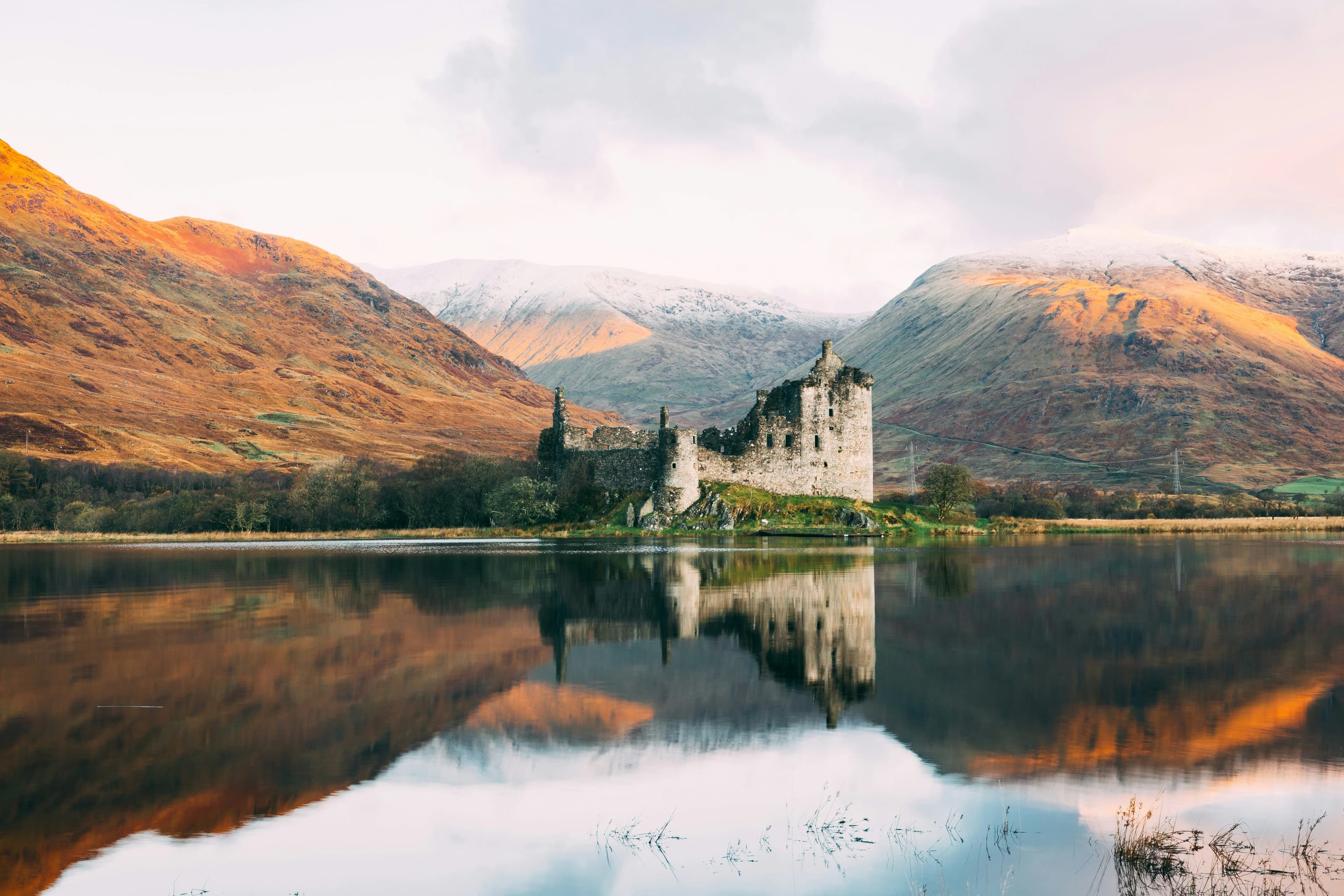
Autumn, specifically September and October, is broadly considered the optimal period for suite travel in the Highlands. The midges (biting insects that render outdoor activity uncomfortable during July and August) have diminished, the light shifts to amber and copper tones across the moorland, and demand eases sufficiently to secure preferred properties without advance booking timelines measured in years. Winter travel is a growing niche, particularly around the Cairngorms ski area and for guests drawn by the clarity of winter skies and the relative solitude of closed-season rates.
Spring, from late March through May, is underutilised by international travelers and offers some of the most dynamic conditions: snow still present on the higher Munros, lambing season on estate grounds, and a gradual return of longer daylight hours.
Understanding luxury standards in the Scottish Highlands
Scotland does not operate a formal equivalent of the French Palace classification, but the country house hotel tradition carries its own taxonomy of prestige. The most established luxury properties in the Highlands are often converted baronial houses, Victorian shooting lodges, or Edwardian sporting estates. These buildings carry specific architectural signatures: crow-stepped gables, tower rooms, formal libraries, and walled kitchen gardens now supplying hotel kitchens.
At the upper tier, Highland luxury hotels are frequently recognised through membership in collections such as Relais and Chateaux or Small Luxury Hotels of the World. These affiliations signal consistent standards in food, wine, and service rather than a government rating. Several properties in this region operate on a fully inclusive basis, where the daily rate covers all meals, drinks, and guided activities. This model is common in remote lodges where leaving the property for dinner is impractical and undesirable.
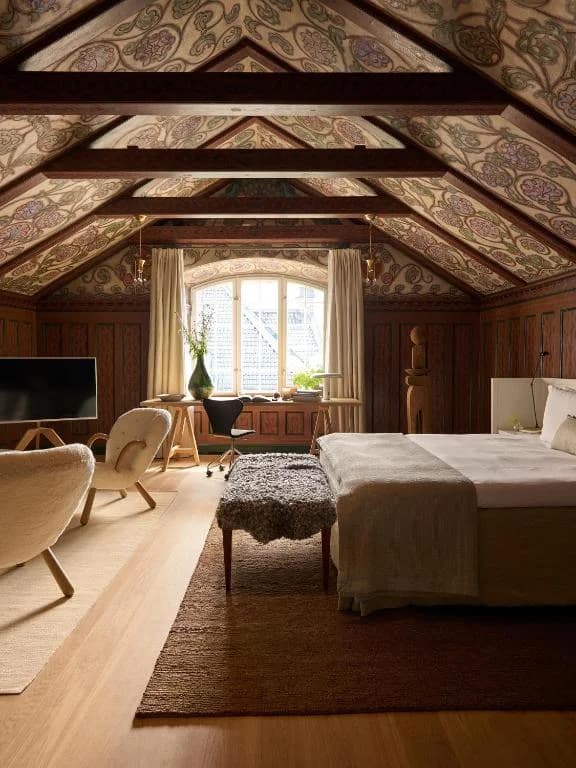
Suite categories vary significantly. A principal suite in a baronial property might occupy a corner tower with original plasterwork ceilings and a freestanding bath positioned to face a loch. A contemporary lodge suite might prioritise floor-to-ceiling glazing, radiant heated floors, and a private deck extending over heathland. Neither approach is superior: the choice reflects the sensory experience the traveler is seeking.
How to choose a luxury suite in the Scottish Highlands
Several practical considerations shape the decision-making process for this destination specifically. First, access: a significant number of the region's finest properties require a drive of one to three hours from Inverness Airport, which is the primary entry point for international travelers transiting through Edinburgh or London. Some remote properties on the northwest coast or the Hebrides involve ferry crossings or small aircraft transfers. Travel logistics should be mapped before accommodation is selected, not after.
Second, the nature of the stay itself. Highland luxury hotels divide broadly into sporting estates (where field sports, fishing, and stalking are central to the programme) and retreat-oriented properties (where walking, spa, and gastronomy define the experience). A suite within a sporting estate will typically offer different spatial logic, including boot rooms, rod storage, and gunrooms, compared to a wellness-focused lodge. Identifying which model aligns with your travel objectives prevents misalignment on arrival.
Third, exclusivity of hire. Several properties in the Highlands offer exclusive buyout options, allowing a single party to occupy the entire house or lodge for a set period. This model suits family gatherings, corporate retreats, or couples who prioritise absolute privacy. Pricing for exclusive hire reflects the full operational cost of running the property and represents a distinct category from per-suite nightly rates.
Why curated selection matters in this destination
The Scottish Highlands present a specific editorial challenge for travelers researching independently. The total volume of accommodation across the region is vast, but the number of properties that genuinely merit consideration at the luxury suite level is small. Marketing materials for mid-range hotels in Scotland routinely adopt the visual language of the high end, using landscape photography and heritage vocabulary that makes differentiation difficult from the outside.
La Suite applies consistent editorial criteria to every property it lists in this region. The curation process considers architectural integrity, suite-level spatial standards, staff-to-guest ratios, food sourcing, and the coherence of the overall guest experience. For a destination where the wrong property choice can be compounded by a two-hour drive in either direction, the value of a pre-qualified selection is concrete rather than abstract. The curated selection by La Suite in the Scottish Highlands reflects a genuine editorial position, not a directory of paid listings.