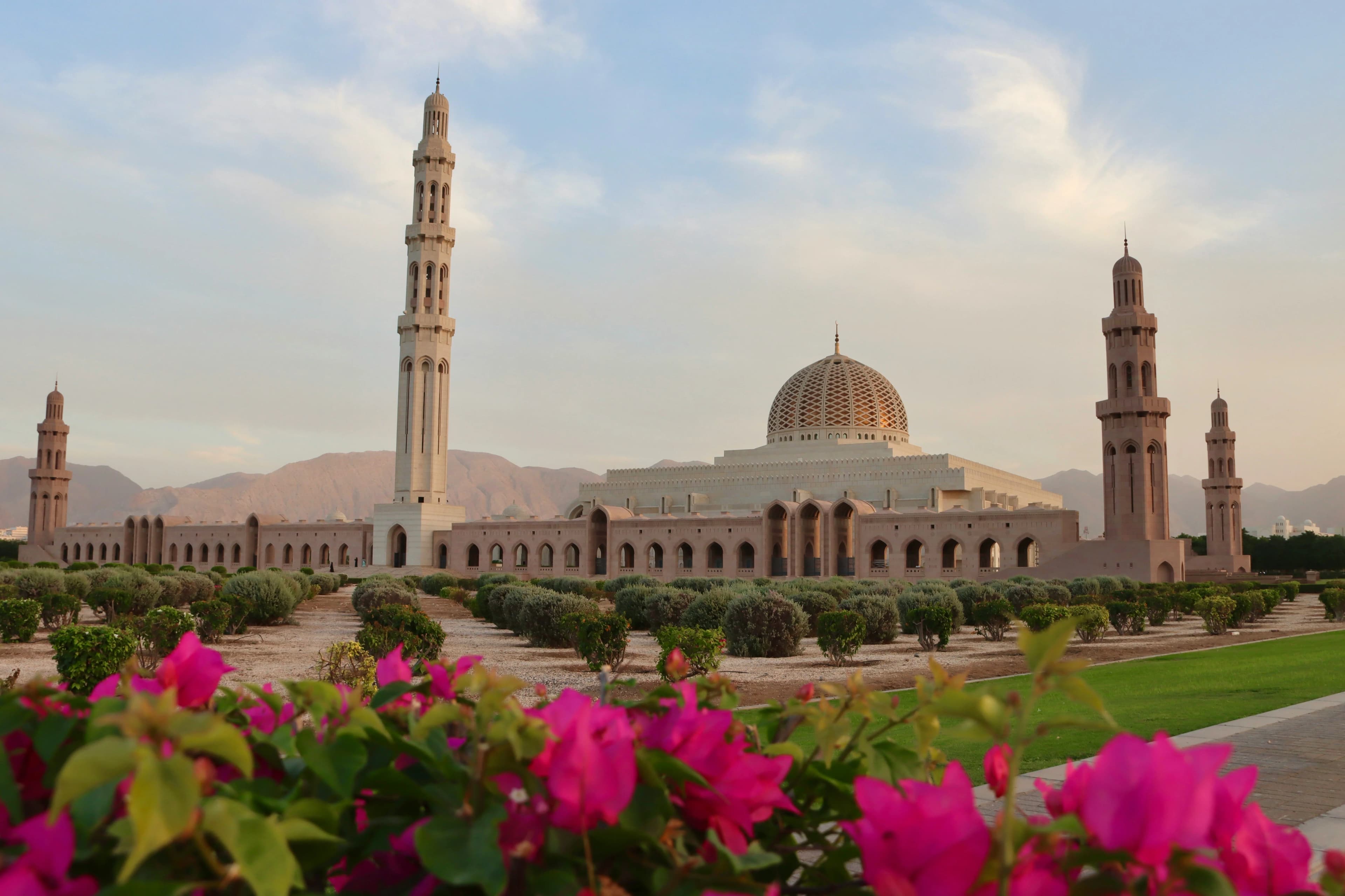
Understanding Muscat as a luxury destination
The city stretches along the coast for roughly 60 kilometres, encompassing distinct districts that each carry a different character. Choosing the right area is the first architectural decision a traveller makes.
Key areas to consider when staying in Muscat
Shatti Al Qurum and Al Qurum
This is Muscat's primary upscale residential and hospitality corridor. Shatti Al Qurum fronts a clean stretch of beach and concentrates several of the city's flagship luxury hotels. The neighbourhood is walkable by Gulf standards, proximity to the Qurum Natural Park provides a rare urban green reference, and the Al Qurum commercial district offers curated retail and dining. Suites in this zone tend to favour sea-facing orientations and are well-suited to longer stays.
Old Muscat and Mutrah
The original city, contained within the old walls and flanked by the Portuguese-era forts of Jalali and Mirani, is the cultural and historical core. Mutrah's covered souq is among the most intact traditional markets in the Arabian Peninsula. Staying near this district, or using it as a daily destination from a suite elsewhere, is essential for understanding Muscat's actual identity. Properties in proximity to this area tend to be smaller in scale and more architecturally considered.
Al Mouj (The Wave)
Developed as a master-planned marina district on the northern coastal edge, Al Mouj represents Muscat's contemporary face. It houses a golf course, a yacht marina, and a concentration of international hospitality brands. Suites here offer marina views and a quieter, resort-like separation from the urban fabric. The profile of guest is typically oriented toward leisure and extended residence.
Al Bustan
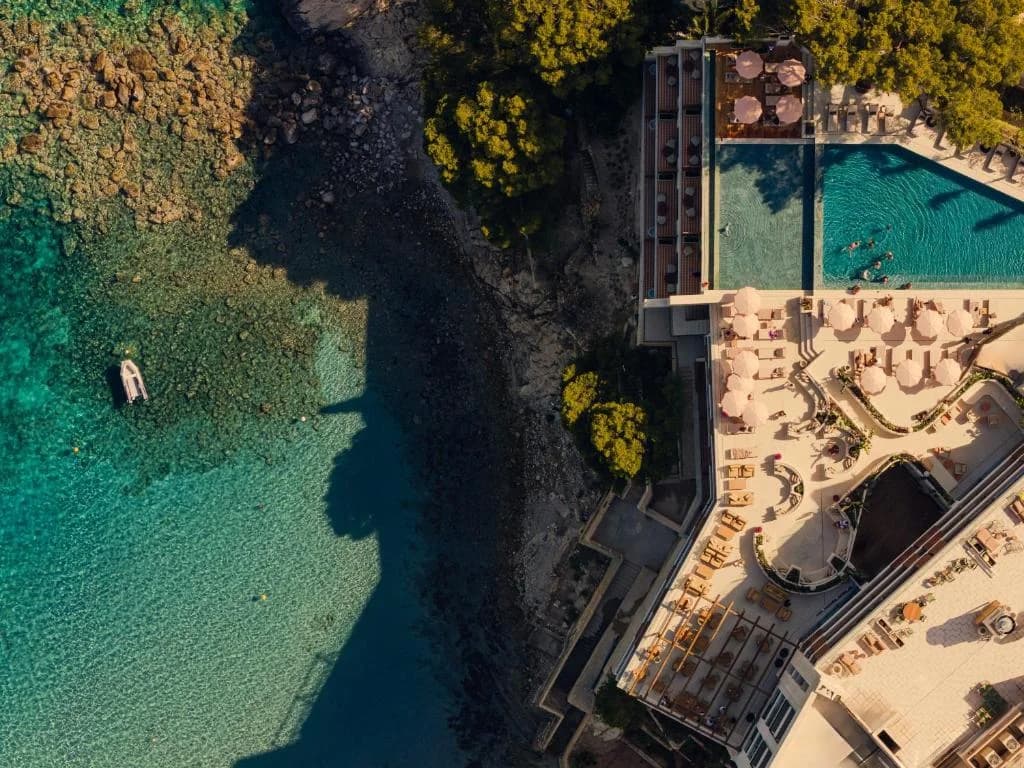
Set apart from the main city, tucked between the mountains and the sea south of Old Muscat, Al Bustan is defined almost entirely by the presence of its landmark palace hotel. The isolation is deliberate. The bay is private, the architecture is monumental, and the experience is one of genuine removal from the city's flow. This is the appropriate choice for travellers whose primary agenda is privacy and controlled immersion.
When to visit Muscat for a luxury suite stay
The Omani climate divides sharply. From October through April, temperatures are moderate, sea conditions are calm, and outdoor engagement is entirely viable. This is the primary season for luxury travel to Muscat, and suite availability at leading properties tightens accordingly, particularly around the Muscat Festival in January and February, which draws significant regional visitors and cultural programming.
From May through September, temperatures regularly exceed 40 degrees Celsius and humidity along the coast intensifies. This period is not without logic for certain travellers: rates adjust substantially, properties are quieter, and the city functions at a different register. Suites with strong climate control, private pools, and interior-oriented design perform particularly well during this period.
Ramadan, which shifts annually through the Islamic lunar calendar, changes the city's rhythm in ways worth understanding. Restaurants observe restricted hours, the pace of daily life shifts to the evening, and the cultural texture of Muscat becomes more legible. Experienced travellers find this period genuinely valuable.
Local luxury standards: what defines a top-tier suite in Muscat
Oman does not operate under the French Palace designation system, but the country's Ministry of Tourism applies its own classification framework to hospitality properties. At the apex of the market, Muscat's leading hotels are typically large-scale properties with significant architectural investment, often drawing on traditional Omani motifs: geometric mashrabiya screens, vaulted muqarnas ceilings, hand-laid mosaic tilework, and the integration of frankincense as a sensory constant.
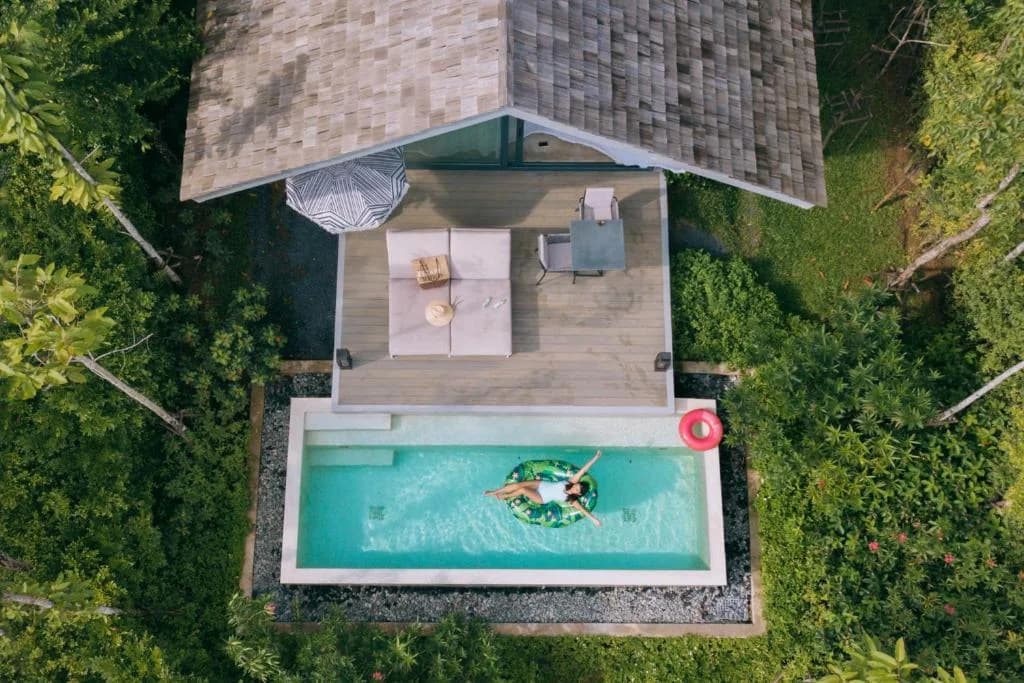
The best luxury suites in Muscat are spatially generous. They frequently include private terraces or plunge pools, butler service, and direct beach or sea access. Interior materials tend toward marble, carved plaster, and natural wood rather than the polished glass-and-steel finish common in Dubai. The Omani design vocabulary is distinct and, at its best, produces interiors of considerable authenticity.
Service culture in Oman is widely regarded as among the most naturally hospitable in the Gulf region, distinguished by a discretion and lack of transactional pressure that aligns well with the expectations of high-end travellers. This is not a trained performance. It reflects a cultural disposition that the best properties recruit and reinforce.
How to choose the right luxury suite in Muscat
The choice of suite in Muscat depends on three primary variables: orientation, scale, and programme.
Orientation refers to whether the suite faces the sea, the mountains, or an internal garden or pool. Sea-facing suites along the Shatti Al Qurum coastline offer the most immediate connection to the Gulf. Mountain-facing suites, particularly in properties situated at the base of the Al Hajar range, provide a dramatic geological counterpoint and more privacy from the coastal density.
Scale matters in a city where some properties are genuinely palatial. A suite that occupies a full floor of a mountain-adjacent property will produce a different experience from a suite in a more contained boutique property near Old Muscat. Neither is superior in absolute terms, but the difference is architectural and experiential rather than merely commercial.
Programme refers to what surrounds the suite: the quality of the spa, the access to water activities, proximity to cultural sites, and the integrity of the dining offer. Muscat has a serious culinary landscape, particularly for Omani and Levantine cuisine, and the best properties understand that food is not ancillary to the suite experience.
Why curated selection matters in Muscat
Muscat's luxury hotel market is not large by global standards, but it is uneven. Several properties carry international brand recognition without delivering the spatial or cultural quality that the city's own standard suggests. The inverse is also true: certain properties with lower international profiles offer suite experiences of remarkable integrity.
La Suite's curated selection applies editorial judgment to this market, filtering for properties where the suite itself, rather than the brand attached to it, justifies the stay. In a city where the physical environment already sets a high bar, the selection process becomes a matter of identifying where the accommodation meets that bar rather than where the marketing claims it does. For travellers arriving in Muscat with limited time and precise expectations, this distinction is material.