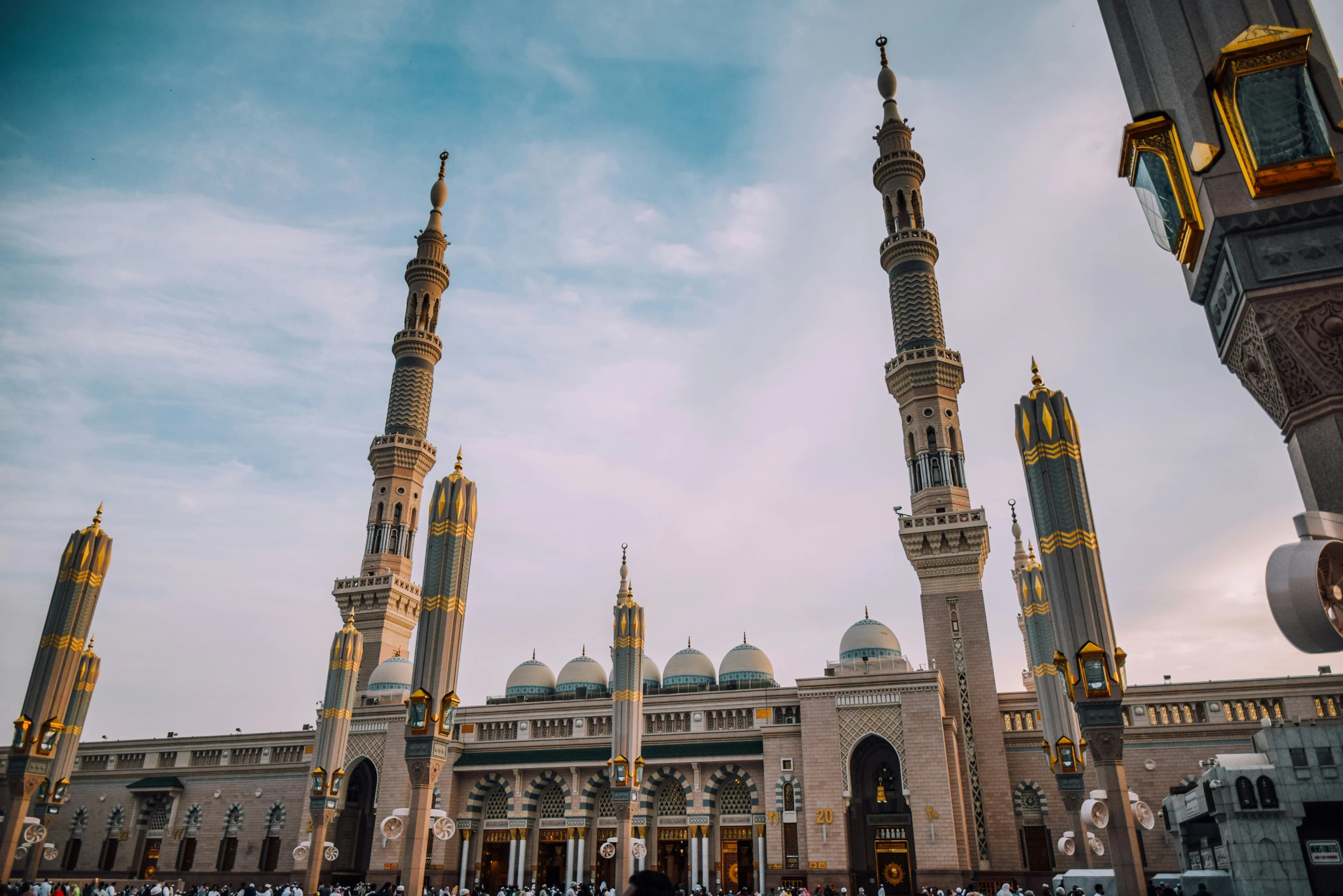
Understanding Jeddah as a luxury destination
Key areas to consider when choosing where to stay
The northern corniche and Obhur Creek
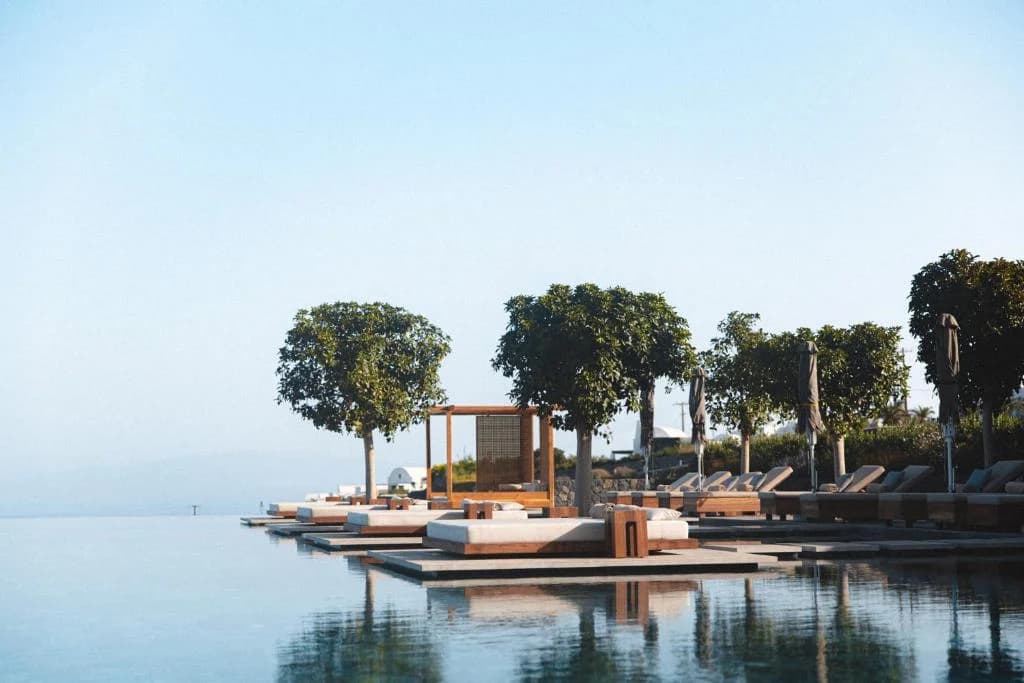
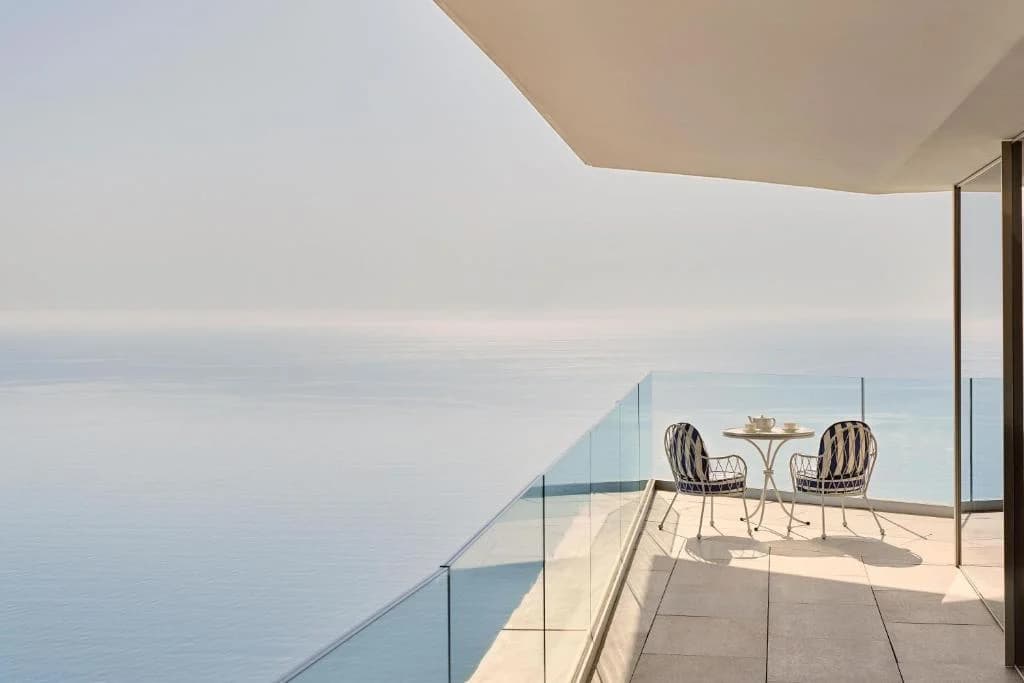
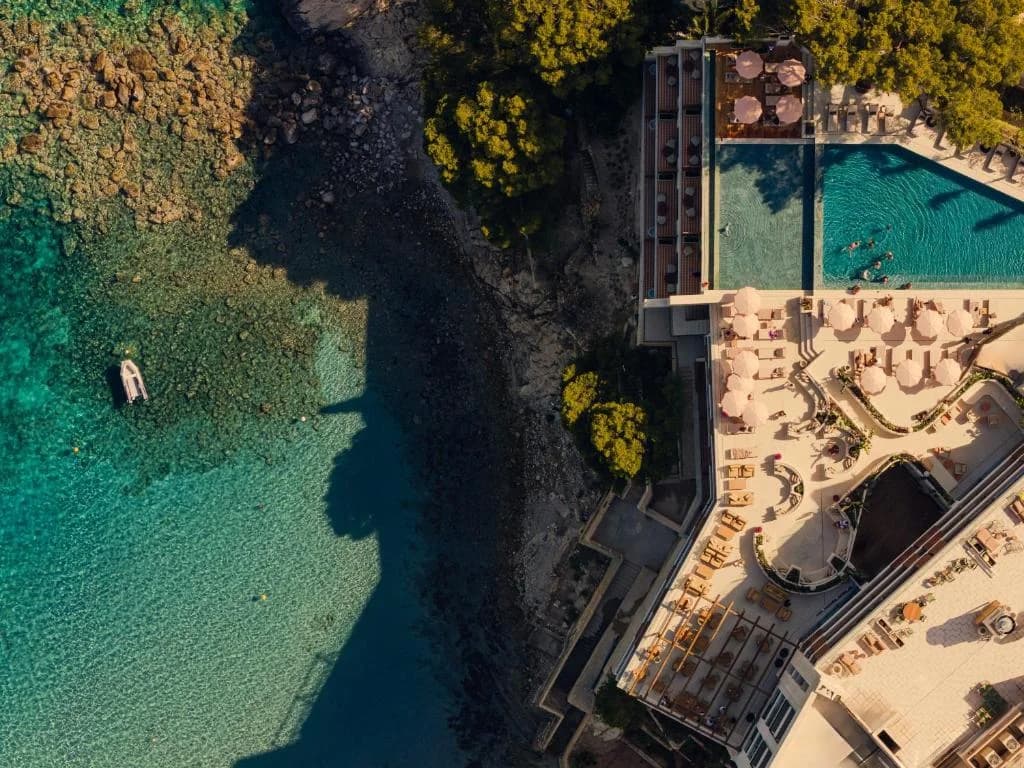
The northern reaches of Jeddah's waterfront represent the city's most contemporary face. This corridor is where the flagship international luxury hotels have established their addresses, taking advantage of Red Sea frontage, marina access, and proximity to upscale retail and dining. Suites in this zone tend to prioritise scale and sea views, with interiors that reflect a contemporary Gulf aesthetic: restrained materials, generous proportions, and carefully managed light. Obhur Creek, a natural inlet north of the city, offers a quieter register, with private resort properties oriented toward water activities and seclusion.
Al-Balad and the historic city
The UNESCO-listed old city is undergoing careful restoration, and a small number of heritage properties have begun to emerge from the coral-stone fabric of the district. Staying here, or in close proximity, places a guest directly inside Jeddah's most architecturally significant environment. The mashrabiya-screened townhouses, some dating to the 19th century, define a spatial logic entirely different from the hotel towers of the corniche. Suites within or adjacent to Al-Balad offer an intimacy and historical resonance that is increasingly rare in the Gulf region.
The diplomatic and residential quarter
Central Jeddah, around the Al-Andalus and Al-Zahra districts, functions as the city's quieter residential and diplomatic core. A number of boutique and mid-scale properties operate here, though the density of high-end suite inventory is lower than on the corniche. For travellers whose itinerary centres on business appointments or extended stays, this zone offers proximity to commercial infrastructure without the noise of the waterfront.
When to visit Jeddah
The optimal window for visiting Jeddah extends from October through to early April. During these months, temperatures are manageable, typically ranging from the mid-teens to the high twenties Celsius, and outdoor movement along the corniche, in Al-Balad, and at waterfront restaurants becomes fully viable. The summer months (June through September) bring intense heat and high humidity given Jeddah's coastal position, and while the city's indoor infrastructure is comprehensively air-conditioned, the experience of the city at street level is constrained.
The period surrounding Ramadan merits specific consideration. The month reshapes daily rhythms entirely: restaurants operate on altered schedules, the pace of commercial life shifts, and the city takes on a distinct atmospheric quality after sunset. For culturally attentive travellers, this can be a genuinely interesting time to visit, provided expectations are calibrated accordingly. Eid al-Fitr and Eid al-Adha see significant domestic travel within Saudi Arabia, which affects both suite availability and rates at the city's leading hotels.
The Jeddah Season, part of the broader Saudi Seasons programme initiated by the General Entertainment Authority, has introduced a structured calendar of cultural events, concerts, and public programming, typically running across the cooler months. This has increased demand for high-end accommodation during specific dates, making early planning advisable.
Local luxury standards: what to expect from top-tier suites in Jeddah
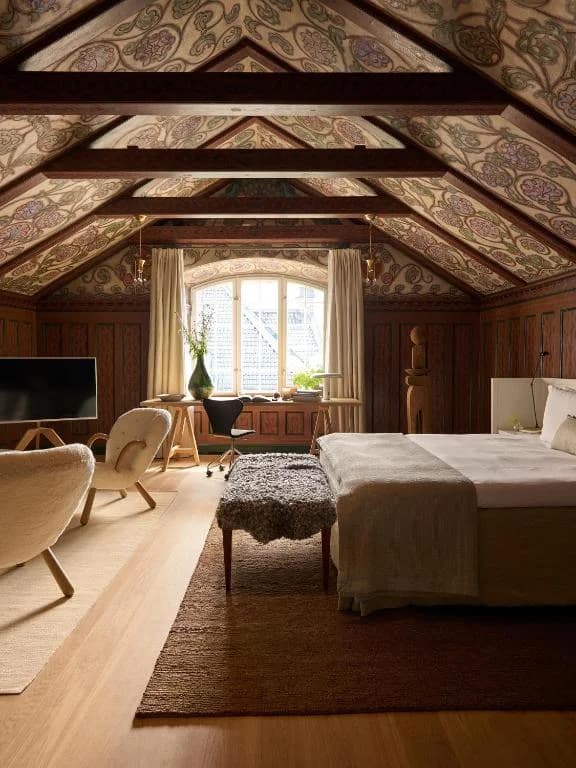
Saudi Arabia does not operate a formal national hotel classification system equivalent to France's Palace distinction, but the international flag carriers present in Jeddah, including properties affiliated with the leading global luxury hotel groups, maintain their own internal standards. At the highest tier, suites in Jeddah are characterised by exceptional spatial generosity: large living areas, dedicated dining spaces, and master bathrooms that reflect considerable investment in marble, lighting, and fixture specification.
Privacy considerations specific to the Saudi context inform the design of many premium suites. Private entrances, discreet butler service, and the option for in-suite dining without interaction with public areas are features that the leading properties have developed with deliberate attention. Female travellers and families travelling with children are well accommodated at the top end of the market, with a number of properties offering family suites and dedicated floor configurations that allow for controlled access.
The food and beverage offer within luxury hotels in Jeddah has evolved considerably. The city is not a dry destination in the sense of a restricted culinary environment; its restaurant culture, both within hotels and in standalone venues, reflects its history as a trading port with connections across the Indian Ocean, the Levant, and East Africa. Suite guests at leading properties can access in-room dining programmes that draw on this culinary range.
How to choose the right suite in Jeddah
The primary axis of decision in Jeddah is between the sea-facing properties of the northern corniche and the heritage-inflected options closer to Al-Balad. These are not interchangeable registers. A corniche suite offers panoramic Red Sea views, direct access to the waterfront promenade, and the amenity density of a large international hotel. A suite near the historic city offers architectural depth and a more contained, curated atmosphere, at the cost of some of the operational scale that larger properties provide.
Consider also the purpose of the visit. Jeddah functions simultaneously as a leisure destination, a business hub, and a transit point for travellers en route to Mecca and Medina (noting that access to those cities is restricted to Muslim travellers). A suite chosen for a business trip will be evaluated on connectivity, meeting infrastructure, and proximity to commercial districts. A suite chosen for cultural exploration will be evaluated on different criteria: access to Al-Balad, proximity to the Corniche Sculpture Museum, and the quality of the concierge's knowledge of the city's less-visible cultural assets.
Why curated selection matters in Jeddah
Jeddah's luxury hotel landscape is expanding rapidly as part of Saudi Arabia's Vision 2030 programme, which has explicitly targeted international tourism as a structural pillar of economic diversification. New properties are entering the market, existing hotels are being repositioned, and the inventory of high-end suites is growing. Within this environment, the challenge for a discerning traveller is not scarcity but discrimination: identifying which properties have genuine architectural and experiential distinction, and which represent category inflation without substance.
La Suite applies a consistent editorial standard to this process. The curated selection available on lasuite.com reflects direct assessment of suite quality, spatial logic, service calibre, and contextual relevance to the city. In a destination undergoing as rapid a transformation as Jeddah, that curation function is not a convenience. It is the difference between a considered stay and a generic one.