Understanding Riyadh as a luxury suite destination
The distinct areas of Riyadh for luxury stays
Al Olaya and the diplomatic corridor
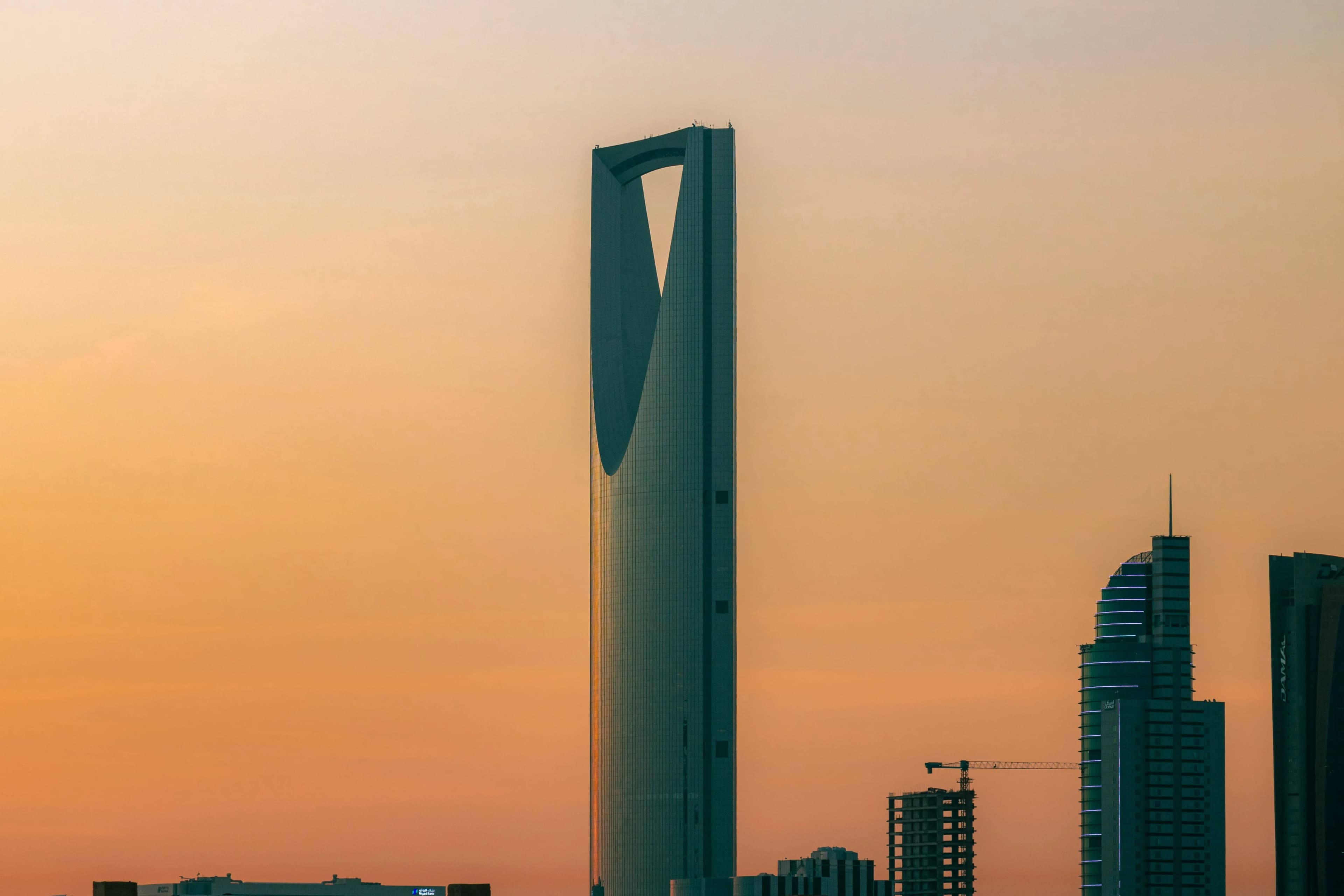
Al Olaya is the city's financial and commercial spine. The district concentrates international hotel brands alongside Saudi hospitality groups that have moved decisively into the upper tier. Suites here serve executives and delegations requiring proximity to corporate headquarters and government institutions. The aesthetic tends toward the formal and the monumental, with floor-to-ceiling glazing, double-height lobbies, and butler-staffed floors that operate with the precision of a private residence.
Dir'iyah and the At-Turaif quarter
Northwest of the city center, Dir'iyah represents a different register entirely. The UNESCO-listed At-Turaif district, built in the Najdi mud-brick architectural tradition, is the historical heart of the Al Saud dynasty. Hospitality development in this zone is designed to complement the heritage fabric rather than override it. Suites here tend toward courtyard geometries, raw material palettes, and a deliberate architectural restraint that prioritizes the surrounding landscape over spectacle.
Diplomatic Quarter
The Diplomatic Quarter, known locally as DQ, was designed as a self-contained district of embassies, residences, and cultural institutions. It is quieter than Al Olaya, more landscaped, and oriented toward long-stay guests and families. Luxury hotel options in this area favor residential-scale suites with generous terraces, kitchen facilities, and access to green corridors that are rare elsewhere in the city.
When to visit Riyadh for a luxury hotel stay
The optimal window for visiting Riyadh is between October and March. Temperatures during this period are moderate, typically ranging from 14 to 25 degrees Celsius, which allows for outdoor engagement with the city's gardens, cultural sites, and open-air dining terraces that suites in higher-category properties often include as private amenities.
The Riyadh Season, an annual entertainment and cultural festival organized by the General Entertainment Authority, runs from October through March and has grown into one of the largest event programs in the region. It brings international performances, art installations, and culinary events to venues across the city, which directly affects suite availability and rate levels. Booking well in advance of peak Riyadh Season dates is a practical necessity for properties in the upper tier.
Ramadan introduces a different but equally compelling travel experience. The city's social rhythm shifts to the night hours, and the finest hotels reconfigure their dining and hospitality programs accordingly. Iftar and Suhoor settings in suite-level properties take on a particular ceremony that is worth experiencing directly.
Local luxury standards: what defines a top-tier suite in Saudi Arabia
The Saudi hospitality market does not operate on the French Palace classification or the Italian Relais system. Assessment is conducted through the Saudi Tourism Authority's official star rating framework, supplemented by the global brand standards of the international hotel groups operating locally. What distinguishes the upper end of the market in Riyadh is primarily scale, service ratio, and the integration of local cultural codes into the suite experience.
Hospitality at this level in Riyadh typically includes a private majlis, the formal reception room central to Saudi social culture, either as a dedicated suite room or as a shared facility reserved for suite guests. Arabic coffee service, known as qahwa, and dates presented on arrival are standard gestures, but in properties at the highest tier they are executed with material specificity: hand-thrown ceramic vessels, single-origin beans, varietal dates sourced from Al-Ahsa or Medina.
Prayer facilities within the suite, Qibla direction markers, and room service adjusted to halal standards across the entire operation are baseline expectations rather than optional features. Understanding this cultural architecture helps travelers calibrate their choice of property correctly.
How to choose the right luxury suite in Riyadh
The primary choice in Riyadh is between properties oriented toward business functionality and those oriented toward cultural immersion. Both categories can reach the same level of material quality, but they serve different travel intentions.
For travelers arriving for corporate or governmental purposes, suites with direct floor connectivity to meeting facilities, 24-hour butler service, and a strong relationship with ground transportation networks will have structural advantages. The suite itself functions as an operational base, and the design should support focus and discretion above all else.
For travelers arriving with cultural or exploratory motivations, the question shifts to proximity and context. Suites positioned within walking distance of Dir'iyah or within the quieter corridors of the Diplomatic Quarter will provide a fundamentally different daily rhythm than those embedded in the Al Olaya tower cluster.
Travelers with families should pay close attention to suite configuration. Riyadh's top-tier properties frequently offer multi-room suite formats, sometimes spanning entire floors, designed to accommodate extended family groups traveling together. These configurations are uncommon in European or American luxury hotel markets at equivalent price points and represent a genuine structural advantage of the local hospitality model.
The value of a curated selection by La Suite
Riyadh's luxury hotel market has expanded rapidly and unevenly. A property that carries an internationally recognized brand flag does not automatically translate its global positioning into local execution at a consistent standard. The gap between a hotel's marketing and its actual suite experience is one that curation exists to close.
La Suite evaluates properties on the architecture of the suite itself, the coherence of the service model, the quality of the cultural integration, and the accuracy of the positioning relative to what a discerning traveler actually needs in this specific city. In a market as dynamic and investment-driven as Riyadh, that editorial filter is not a convenience. It is the difference between a stay that meets its promise and one that does not.