What makes Kadıköy a serious destination for suite travelers
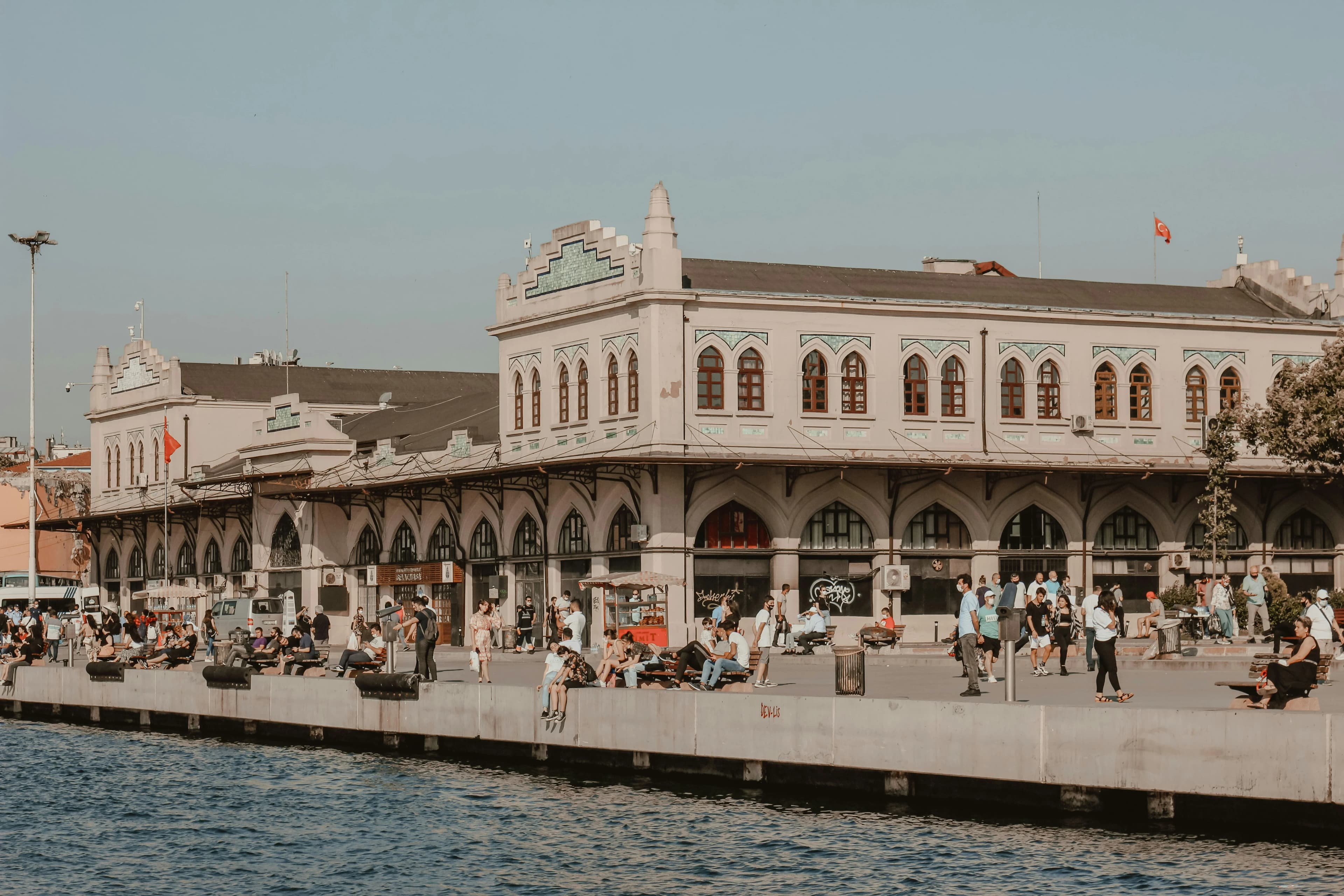
The district is dense with fishmongers, wine bars, bookshops, and art spaces occupying the ground floors of early-twentieth-century buildings. The Moda neighbourhood, which runs along the Bosphorus coast within Kadıköy, offers a quieter residential atmosphere with sea views and a pace that contrasts sharply with the European side. Choosing accommodation in this area means accepting, and actively seeking, that contrast.
For travelers exploring the broader Middle East region, Istanbul's Asian shore represents a genuinely distinct urban culture, shaped by different migratory histories and a different relationship to the city centre than Beyoğlu or Sultanahmet.
The distinct areas within and around Kadıköy
Moda
Moda is the coastal extension of Kadıköy, characterised by tree-lined streets, seafront promenades, and a concentration of independent cafes and restaurants. It attracts Istanbul's creative and intellectual classes. The atmosphere is calm relative to the market district, and the views across the Bosphorus toward the European shore are clear and unobstructed. For a suite traveler, Moda offers the combination of urban authenticity and physical distance from the city's most congested zones.
The Kadıköy market district
The area immediately around Kadıköy's central market (Çarşı) is sensory and direct. The covered spice market, the fish hall, the produce stalls, the narrow streets lined with meyhanes: this is Istanbul at street level, without staging. Properties positioned here place guests inside daily life in a way that more isolated luxury addresses cannot replicate.
Bağdat Avenue corridor
Bağdat Avenue, which extends south from Kadıköy, is Istanbul's most established shopping and residential promenade on the Asian side. It is wide, tree-lined, and surrounded by affluent neighbourhoods. Hotels and serviced residences along this corridor offer a quieter, more residential luxury experience, with good transport links back to the ferry terminals and the broader city.
When to visit Kadıköy for a suite stay
Istanbul operates on a relatively forgiving seasonal calendar. Spring, between April and June, brings mild temperatures and lower humidity, which makes walking the district's streets and markets genuinely comfortable. September and October offer a similar balance: warm enough for the Bosphorus ferry crossings to be pleasant, cool enough for extended exploration on foot.
Summer in Kadıköy is lively and warm, with rooftop bars and outdoor dining active until late. The heat is manageable compared to other Mediterranean destinations, though July and August bring crowds to the ferry terminals and the market district. Winter is quiet, occasionally cold and wet, but offers a different quality of city life: fewer visitors, more access to the neighbourhood as locals actually inhabit it.
The Istanbul Biennial, held in odd-numbered years between September and November, draws a significant international cultural audience. Kadıköy hosts satellite events and independent programming during this period, making it a particularly interesting time for design-literate travelers to be in the city.
Local luxury standards: what to expect from top-tier properties in Kadıköy
Turkey does not operate a formal national palace classification equivalent to France's