Austin's distinct neighborhoods and where luxury stays take shape
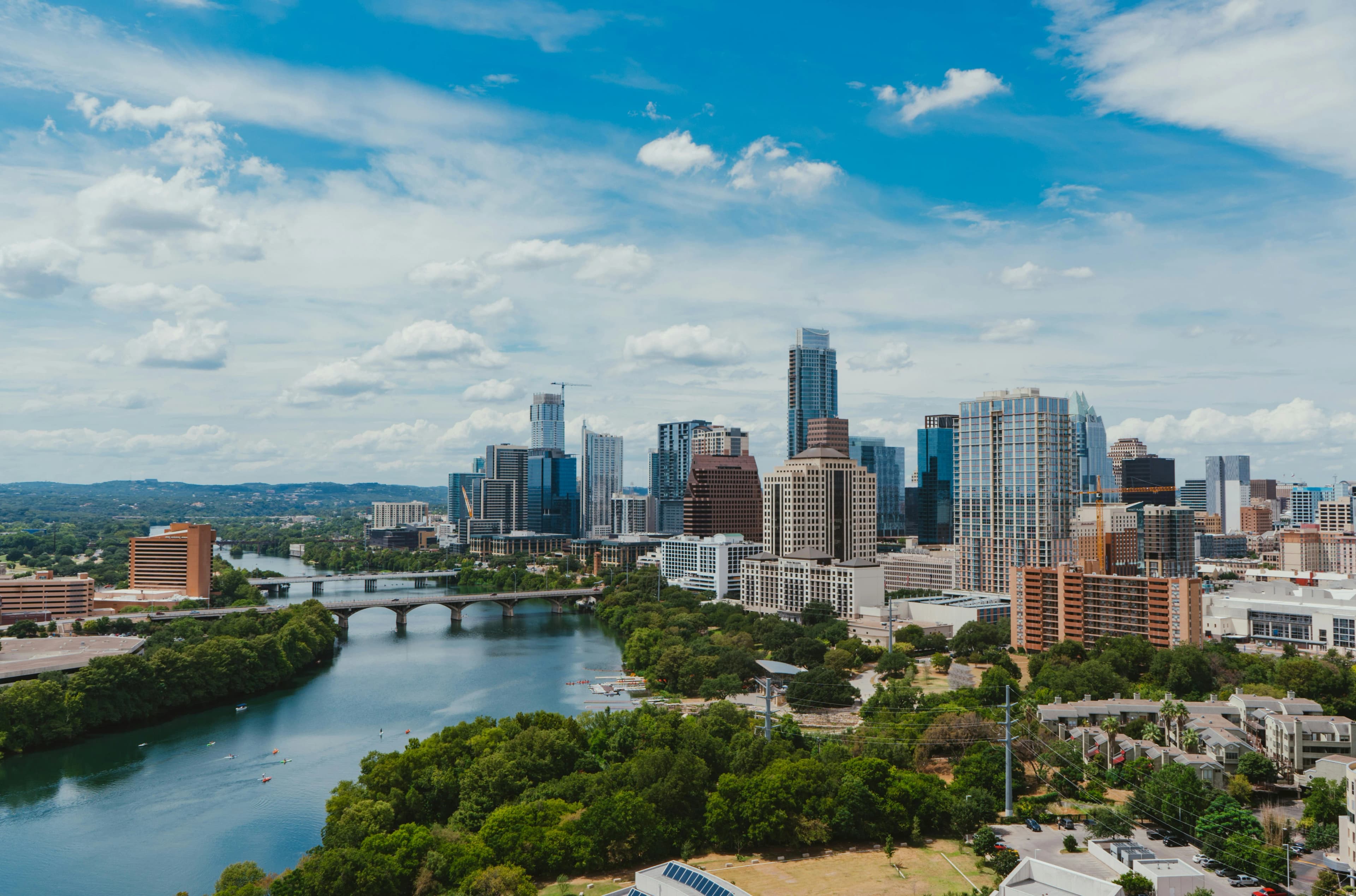
Downtown Austin anchors the city's highest concentration of full-service luxury hotels. The area around Congress Avenue and the Second Street District places guests within immediate reach of the Texas State Capitol, the Blanton Museum of Art, and the restaurant landscape that has made the city a recognized culinary destination. Suites here tend to occupy upper floors of modern towers, offering unobstructed views of the Colorado River or the Capitol dome. The architectural language is contemporary, with local materials and references to the Hill Country palette appearing in the better properties.
South Congress, commonly referred to as SoCo, operates at a lower pitch. Boutique properties in this corridor trade vertical scale for horizontal character: smaller footprints, more individual suite configurations, and a closer relationship to the neighborhood's independent retail and dining scene. Travelers who prefer autonomy over amenity density tend to gravitate here.
The Domain, in North Austin, functions as a secondary business and leisure hub. Properties here serve a different profile: longer stays, corporate travelers transitioning to leisure, and families visiting the University of Texas. Suite offerings in this area prioritize space and practicality over architectural distinction.
The East Austin corridor has attracted a younger, design-forward hospitality offer. Properties here often occupy converted industrial structures and prioritize aesthetic coherence over conventional luxury signaling. The guest experience is more curated and less ceremonial, which appeals to a specific segment of high-end travelers.
When to visit Austin for the best suite experience
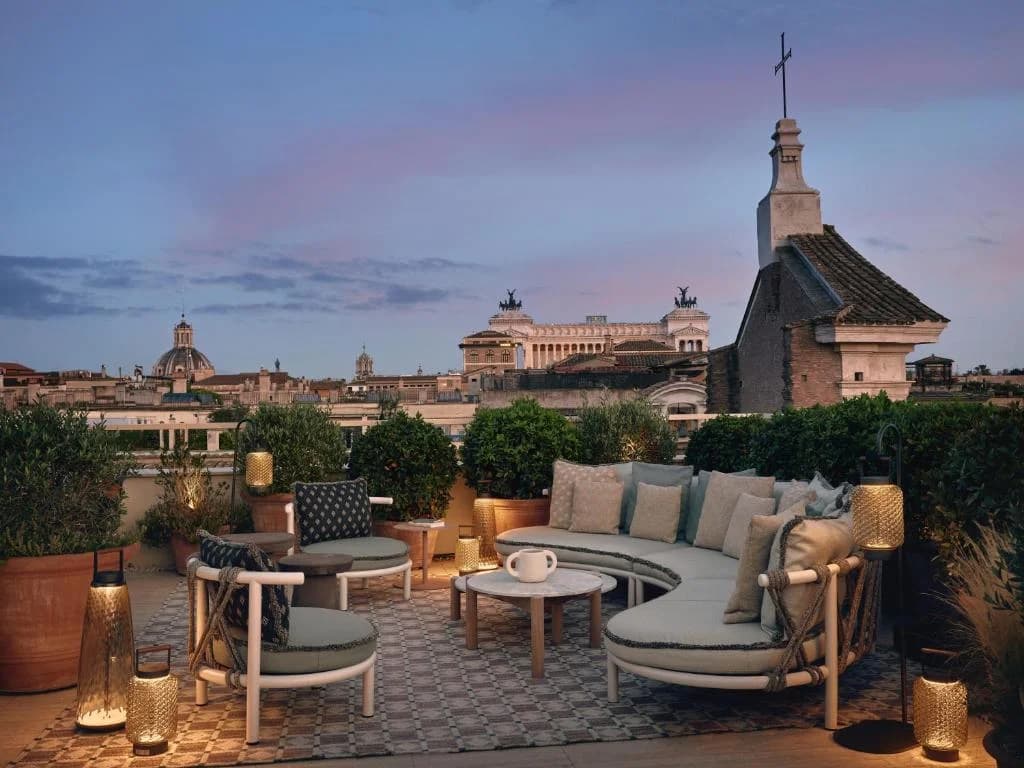
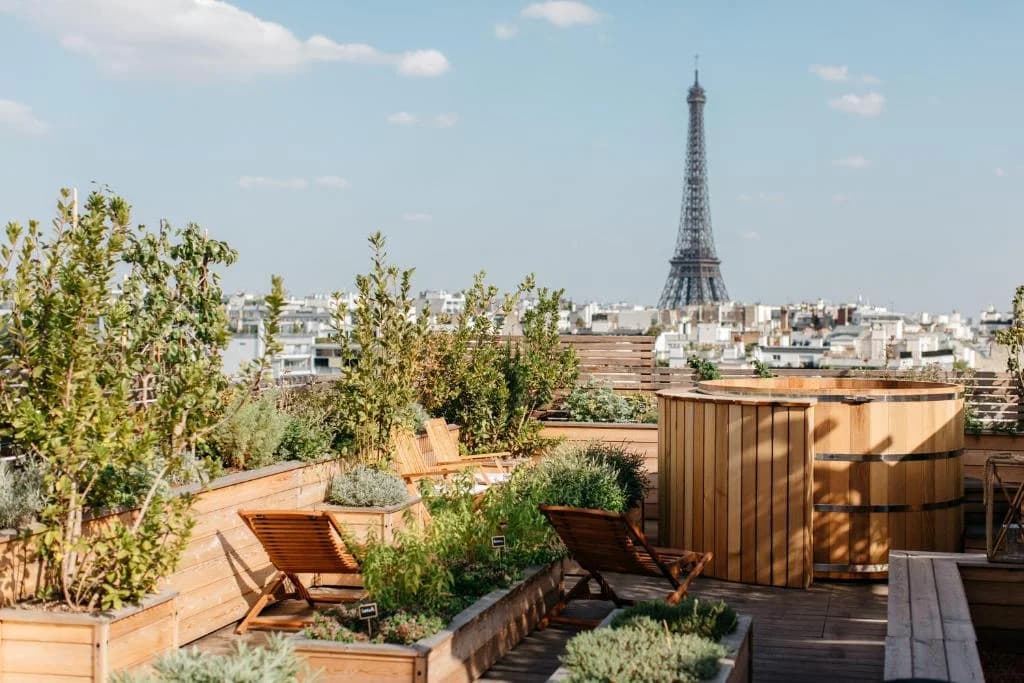
Austin's climate is semi-arid and warm for the majority of the year. Summers are long and genuinely hot, with temperatures regularly exceeding 38 degrees Celsius from June through August. This thermal reality shapes the rhythm of the city: outdoor activity concentrates in the early morning or evening, and properties with private terraces or rooftop pools become significantly more relevant during these months.
Spring (March through May) is the most sought-after window. The weather is temperate, the wildflowers of the Hill Country are in season, and the city hosts South by Southwest (SXSW), one of the most attended convergences of music, film, and technology in the world. Suite inventory during SXSW compresses dramatically and rates rise accordingly. Travelers who want the city without the conference density should target late March or early May.
October and November offer a second high-quality window. The Formula 1 United States Grand Prix at the Circuit of the Americas typically falls in late October, generating another period of compressed availability and elevated pricing across the luxury tier. Advance planning of six to twelve months is standard for that week.
January and February represent the quietest period. Rates soften, availability broadens, and the city retains its cultural programming without the logistical pressure of major events. For travelers whose priority is access and value within the luxury tier, these months reward early consideration.
Local luxury standards: what defines a top-tier suite in Austin
Texas hospitality operates under its own hierarchy. The state does not use a Palace designation in the European sense, but the Forbes Travel Guide five-star rating and AAA Five Diamond classification serve as the primary quality signals in the American luxury market. Austin has a small but growing number of properties that carry these ratings, and the gap between a Forbes-rated property and a well-marketed boutique can be significant in practice.
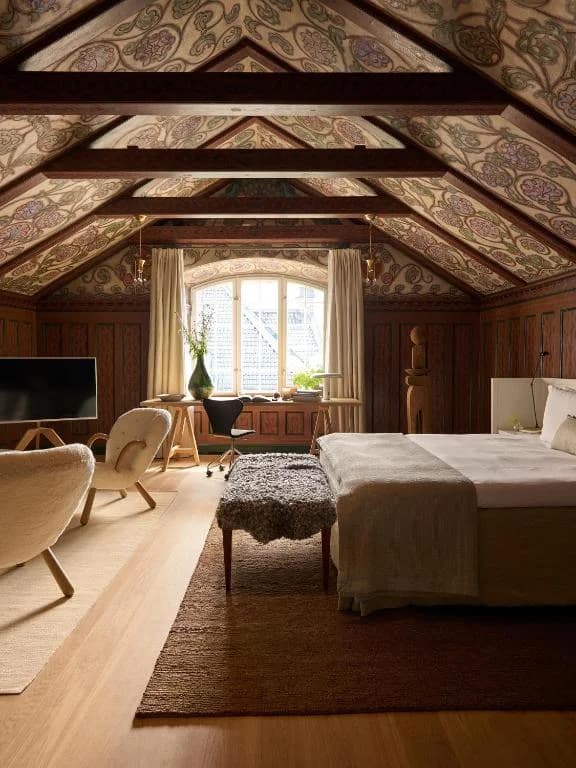
Austin's best suites tend to be architecturally grounded in the aesthetic of the Texas Hill Country: limestone references, warm timber tones, terracotta, and the integration of natural light. The most considered properties layer this regional vocabulary with contemporary design, avoiding the genre-coded Western aesthetic that plays to a tourist expectation rather than a local one.
Service culture in Austin's top properties has matured considerably over the past decade. The city's growth has attracted both operators and talent from established luxury markets in New York, Miami, and Los Angeles, which has raised the baseline for what guests can reasonably expect in terms of concierge depth, F&B quality, and suite-level amenities.
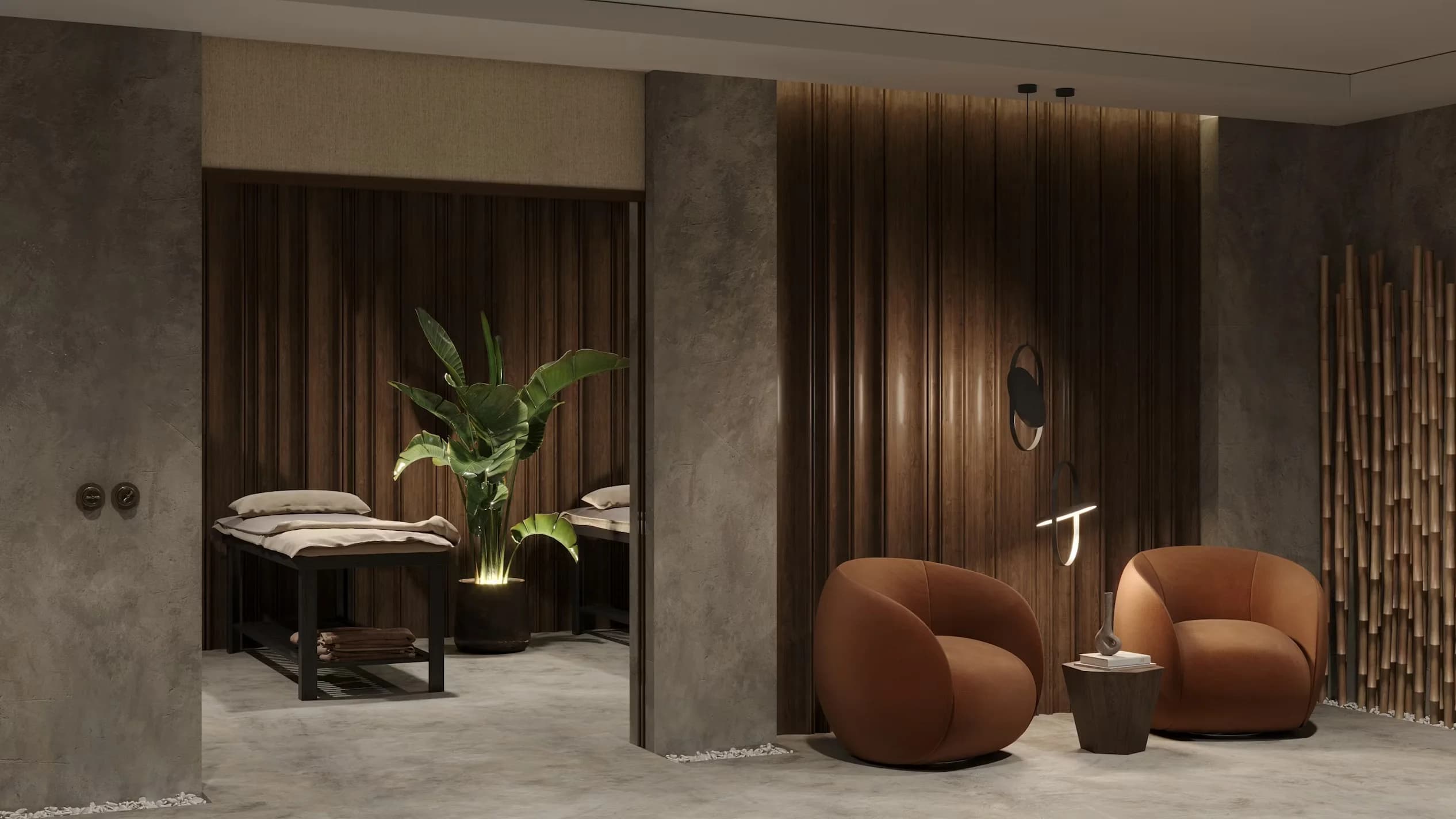
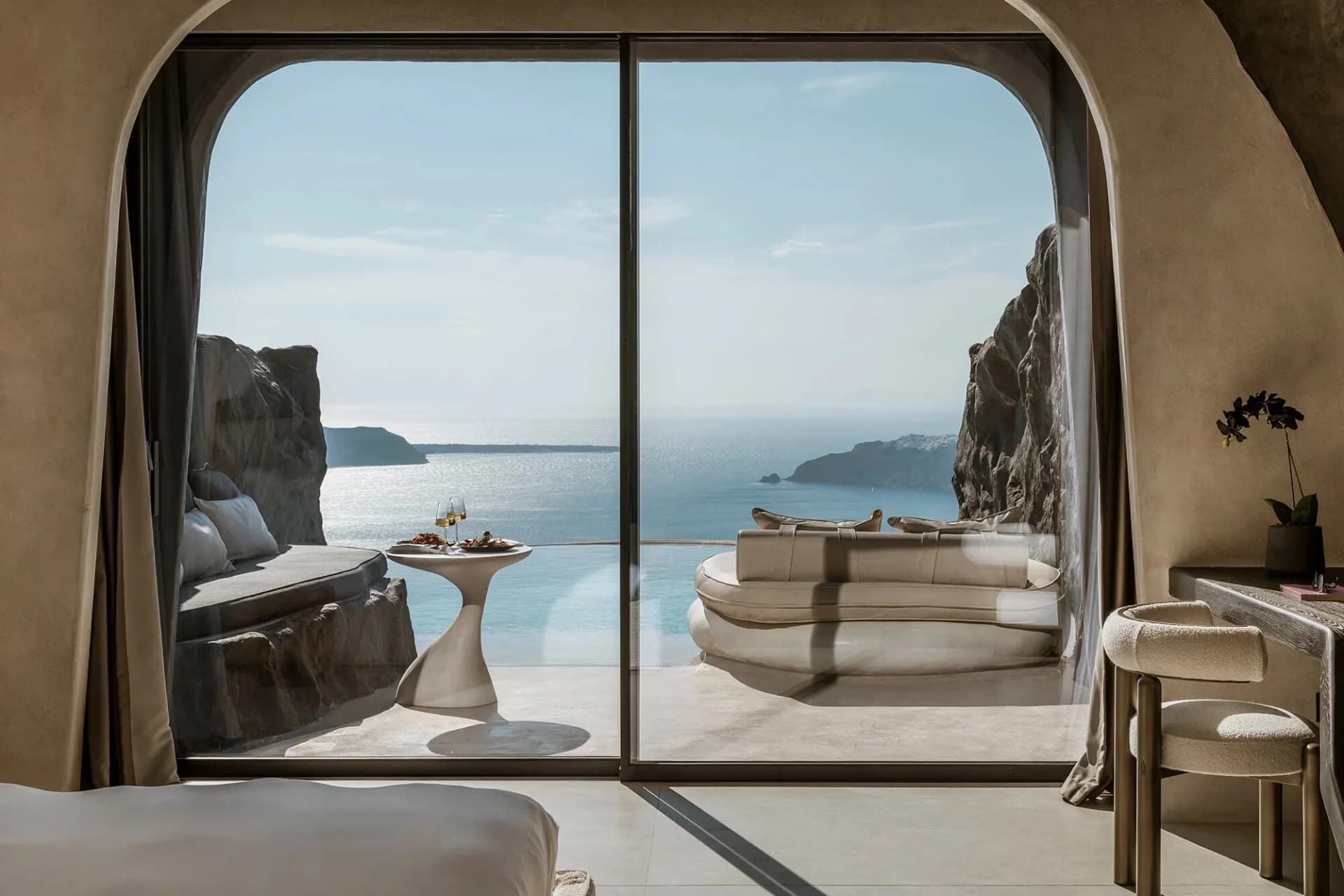
Suites in Austin's premier properties typically range from 60 to 300 square meters, with the upper end reserved for penthouse and presidential configurations. Private terraces with Hill Country or river views, dedicated butler service, and direct access to a spa or wellness facility are markers of the top tier. In-suite dining at the level of the property's own kitchen is standard in the best addresses.
How to choose the right luxury suite in Austin
The choice of suite in Austin is, in practice, a choice about which version of the city you intend to inhabit. The decision framework should begin with geography: proximity to downtown institutions, the Congress Avenue corridor, or the lake, each of these placements produces a meaningfully different stay.
Architectural preference is a second axis. Austin offers a genuine range from glass-and-steel towers with panoramic city views to low-rise properties where the experience is more intimate and the design vocabulary more regional. Neither is superior in absolute terms; the question is which serves the specific trip.
Duration matters. For stays of two nights or fewer, location efficiency justifies a downtown placement even at a premium. For stays of four nights or more, the slower rhythm of a South Congress or East Austin property can produce a more coherent experience of the city as it actually functions for residents.
Travelers attending a specific event (SXSW, Formula 1, Austin City Limits Music Festival) should treat proximity to the event venue as a primary filter. The city's traffic patterns during peak events make distance costly in time and comfort.
Why curation matters in Austin's luxury hotel market
Austin's hotel market has expanded rapidly since 2015, and the proliferation of properties that market themselves as luxury has outpaced the number that genuinely deliver at that level. The vocabulary of high-end hospitality (rooftop bars, locally sourced menus, design-forward interiors) is now common across price points that vary widely in actual quality.
La Suite applies a consistent curatorial standard to the Austin selection. Each property is assessed against criteria that include architectural integrity, suite-specific amenities, service depth, and the coherence of the guest experience from arrival to departure. Properties that perform well in marketing but inconsistently in practice do not appear in the selection.
For the traveler who arrives in Austin once or twice a year and has limited tolerance for a misaligned stay, the curated selection by La Suite compresses the decision process without compressing the options. The shortlist reflects genuine quality, not inventory volume.