The distinct neighbourhoods of Boston for luxury stays
Back Bay and Copley Square
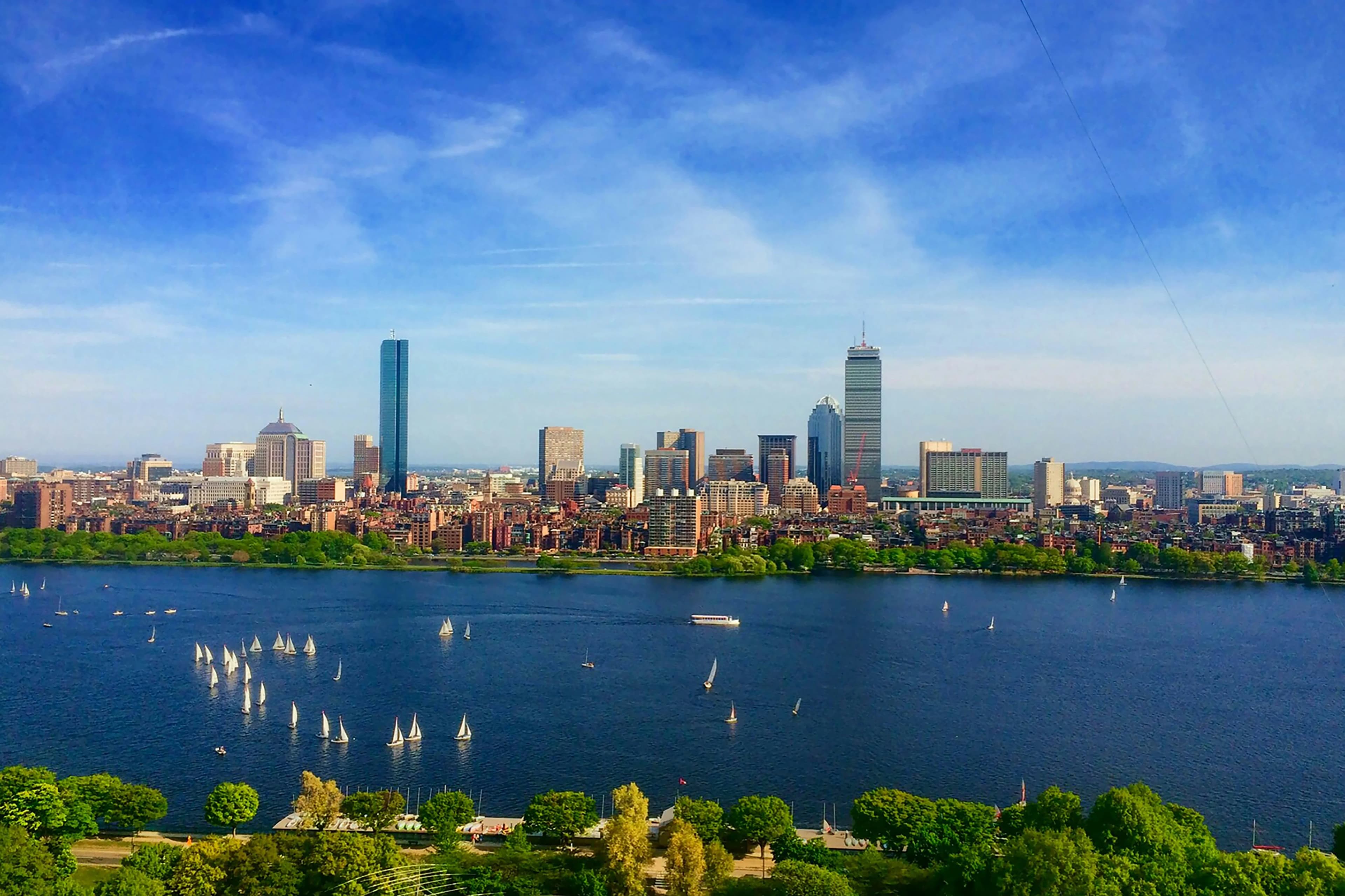
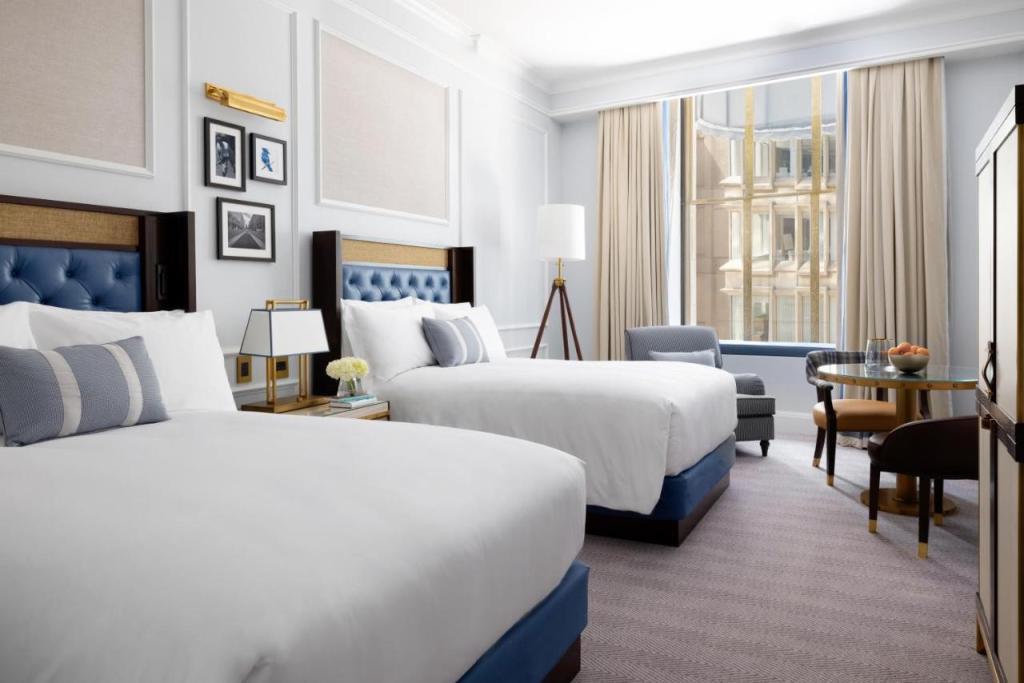
Back Bay is Boston's most formally composed district, built on reclaimed land in the nineteenth century to a grid plan that is unusual for New England. The brownstone-lined streets of Commonwealth Avenue and Newbury Street define the area's character: orderly, prosperous, and oriented toward the arts and commerce. The proximity to the Isabella Stewart Gardner Museum and the Boston Public Library makes this neighbourhood a natural choice for culturally motivated travellers. Luxury hotel properties here tend to occupy purpose-built or sensitively converted structures with high ceilings and considered interiors.
Beacon Hill
Beacon Hill is arguably Boston's most visually coherent residential neighbourhood. Its brick sidewalks, gas-lit lanterns, and Federal-period architecture create an environment that has remained largely intact for two centuries. Hotels in this zone are fewer and smaller in scale, which tends to translate into a more private, residential quality of stay. For travellers who prize discretion and proximity to the Massachusetts State House and Boston Common, Beacon Hill suites offer a different register entirely.
The Seaport District
The Seaport has undergone a significant transformation since the early 2000s, evolving from an industrial waterfront into a district defined by contemporary architecture, design studios, and culinary ambition. The hotels here are newer, with suites that lean toward the architectural and the minimal. Water-facing rooms offer direct views of Boston Harbor. This quarter suits the traveller whose aesthetic leans toward the contemporary and who values proximity to the city's emerging cultural institutions.
The Back Bay Fens and Fenway
Less central but historically significant, the Fenway area borders the Emerald Necklace, Frederick Law Olmsted's network of interconnected parks that runs through the city. For travellers attending events at Fenway Park or visiting the Museum of Fine Arts, this zone offers a quieter residential context with good access to the city's cultural spine.
When to stay in Boston
Boston's climate follows a pronounced seasonal rhythm. Each period carries distinct advantages and considerations for the luxury traveller.
Spring, from April through May, is the city at its most considered: the academic year is winding down, the Public Garden's willow trees are in early leaf, and hotel availability is generally strong before the summer surge. The Boston Marathon, held annually in April, draws significant attention to the city and compresses room availability in the weeks surrounding the race.
Summer, from June through August, brings the city's waterfront culture to the foreground. The Boston Pops Esplanade Concerts and a dense schedule of cultural programming make this a socially active period. Suite rates tend to peak during July and August, and advance planning is advisable.
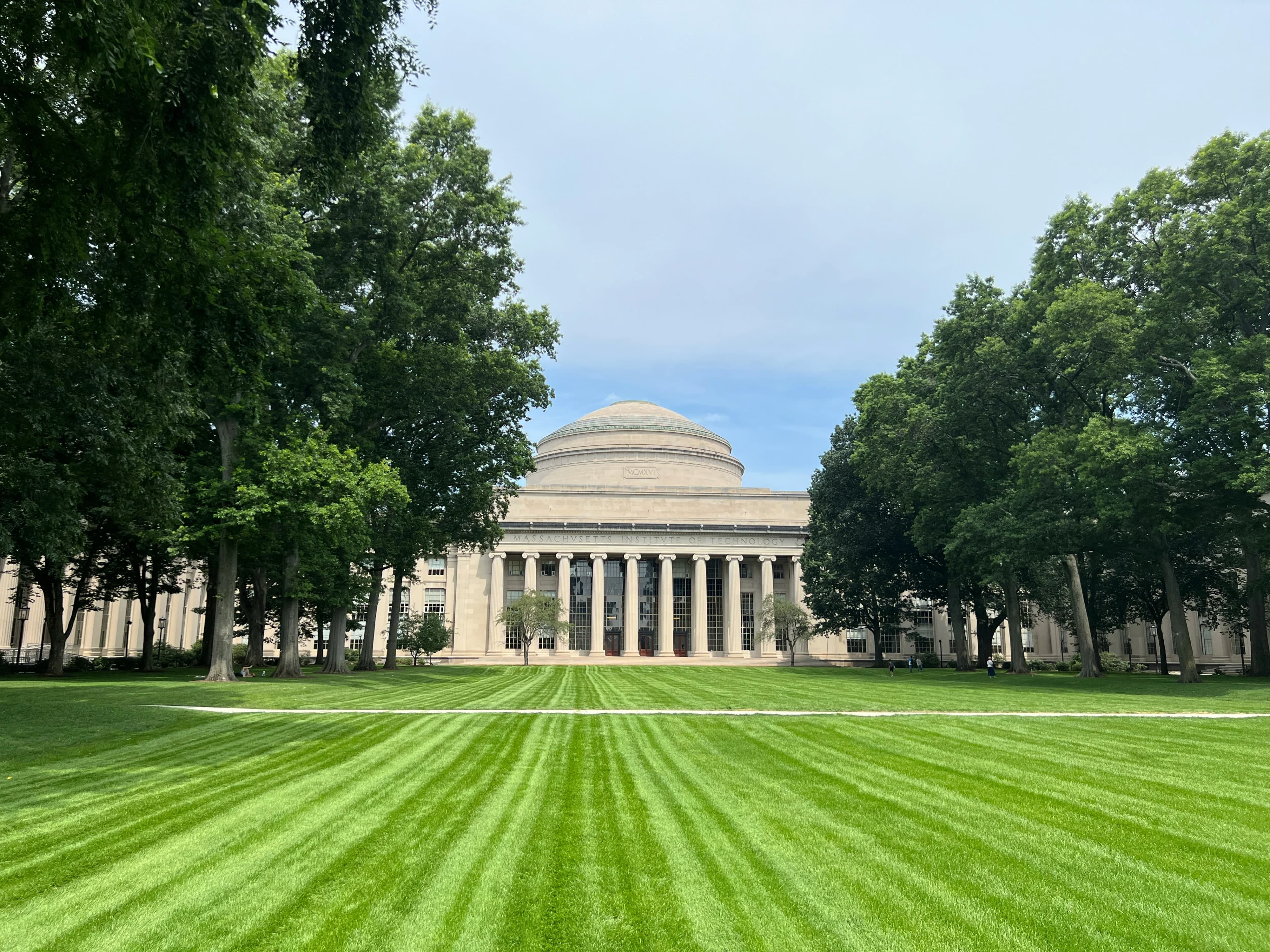
Autumn, from September through November, is widely regarded as the most atmospheric season. The Harvard and MIT academic calendars drive significant demand, particularly in September and early October. The foliage season, which typically peaks in mid to late October across New England, brings additional visitors. Suites with city or park views are particularly sought during this window.
Winter, from December through March, is Boston at its most stripped back. The city's brick and stone architecture reads with particular clarity against winter light. Hotels offer more competitive rates outside the holiday period, and the city's museum landscape, including the Museum of Fine Arts and the Institute of Contemporary Art, provides ample cultural occupation.
Understanding luxury hotel standards in Boston
Boston does not follow the French Palace designation system, nor does it operate within a single prestige label framework equivalent to those found in European luxury hospitality. The city's top-tier hotels are typically rated through Forbes Travel Guide stars, AAA Diamond ratings, and membership in groups such as The Leading Hotels of the World or Preferred Hotels and Resorts.
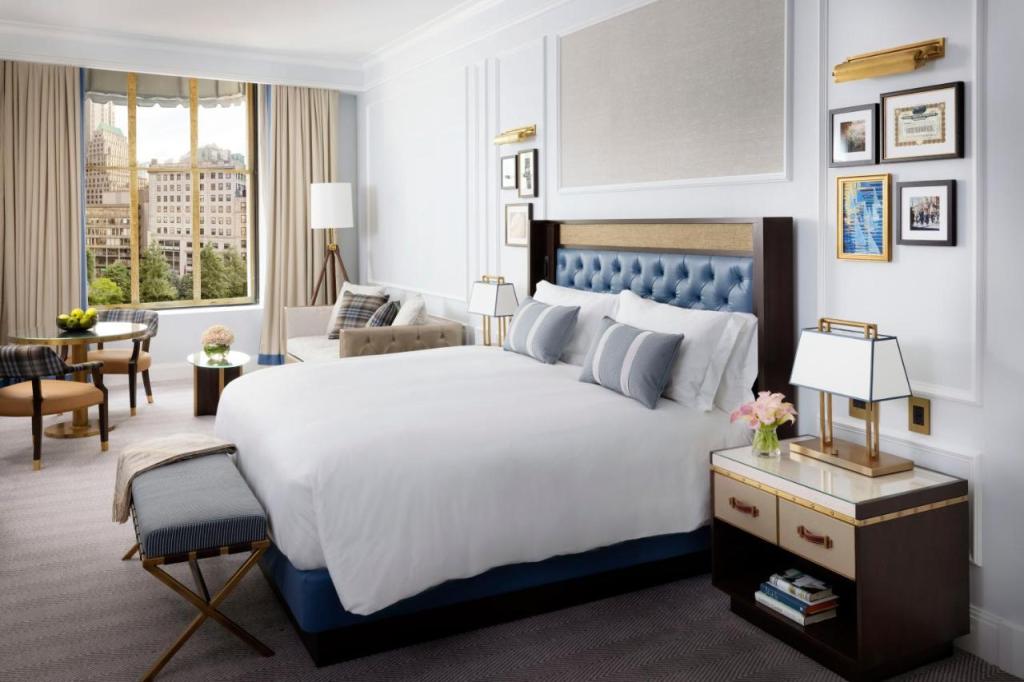
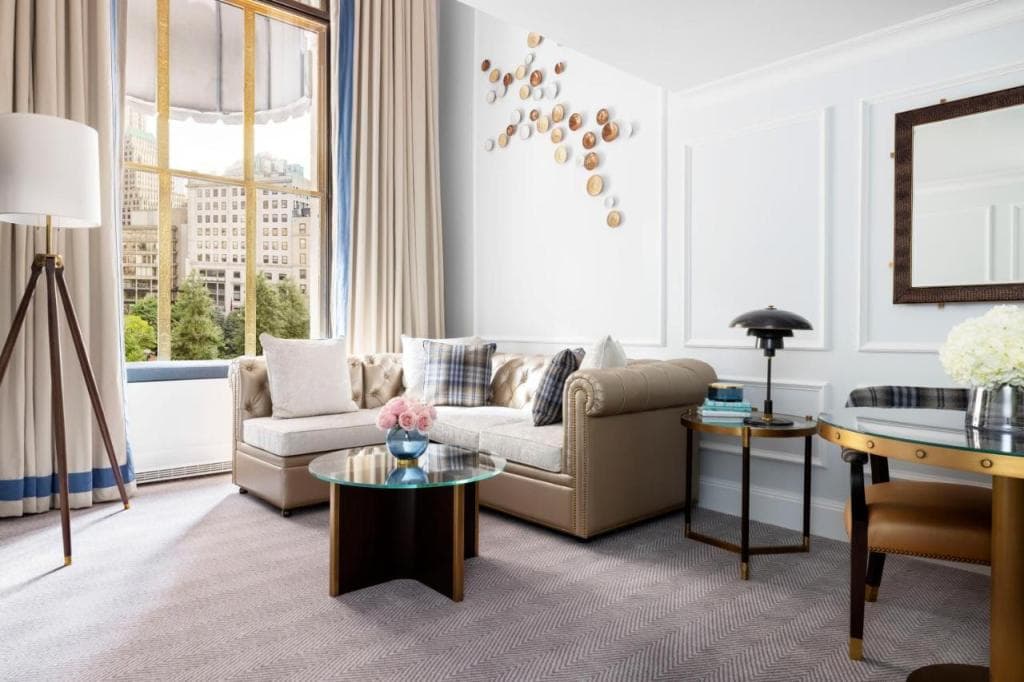
What distinguishes the finest suites in Boston is less about scale and more about architectural integrity and service precision. The city's best luxury hotel suites tend to feature high ceilings, period or contemporary architectural detailing, and a level of spatial organisation that reflects the city's own emphasis on proportion and correctness. Expect butler service, dedicated suite check-in, and access to in-house dining at a serious culinary level. Boston's restaurant culture has matured considerably over the past two decades, and the best hotel restaurants now participate fully in the city's wider food conversation.
Suite sizes in Boston are generally more modest than those found in New York or Miami, reflecting the city's denser urban fabric and older building stock. What is lost in raw square footage is often recovered in quality of materials, ceiling height, and the care invested in the suite's layout and outlook.
How to choose the right luxury suite in Boston
The primary variable when selecting a Boston suite is the tension between historical and contemporary architecture. The city offers both with equal seriousness, and the choice between them is ultimately one of personal register rather than objective quality.
Travellers drawn to period architecture should focus on properties in Back Bay and Beacon Hill, where the building fabric itself is part of the experience. Those who prefer a more minimal, light-filled environment will find the Seaport District's newer inventory more congenial. Water views in this district carry a premium that is generally justified by the quality of the outlook across the Inner Harbor.
Practical considerations include proximity to the city's two principal business districts, the Financial District and the Seaport, as well as access to Logan International Airport, which is served from the city centre by water taxi, the MBTA Blue Line, and car. The water taxi crossing from Seaport is one of the more considered arrivals in American urban travel.
For families, suite configurations with separate sleeping areas are available at several of Boston's larger luxury properties. The city's walkability and the safety of its principal residential neighbourhoods make it an unusually functional destination for family stays at the high end.
Why a curated selection matters in Boston
Boston's luxury hotel market is smaller and more concentrated than those of New York, Los Angeles, or Chicago. The number of properties that genuinely qualify as luxury at the suite level is limited, which means that the cost of a poor choice is proportionally higher. A suite that does not deliver on its positioning wastes not only expenditure but the more finite resource of time.
La Suite applies a consistent editorial standard to every property in its selection across North America, including Boston. The curated selection by La Suite reflects direct knowledge of each property's suite inventory, service model, and the specific conditions under which each suite performs at its best. For the traveller who has already decided that Boston warrants a serious stay, the selection removes the research burden and replaces it with a considered shortlist.