Where to stay in Carmel-by-the-Sea: understanding the landscape
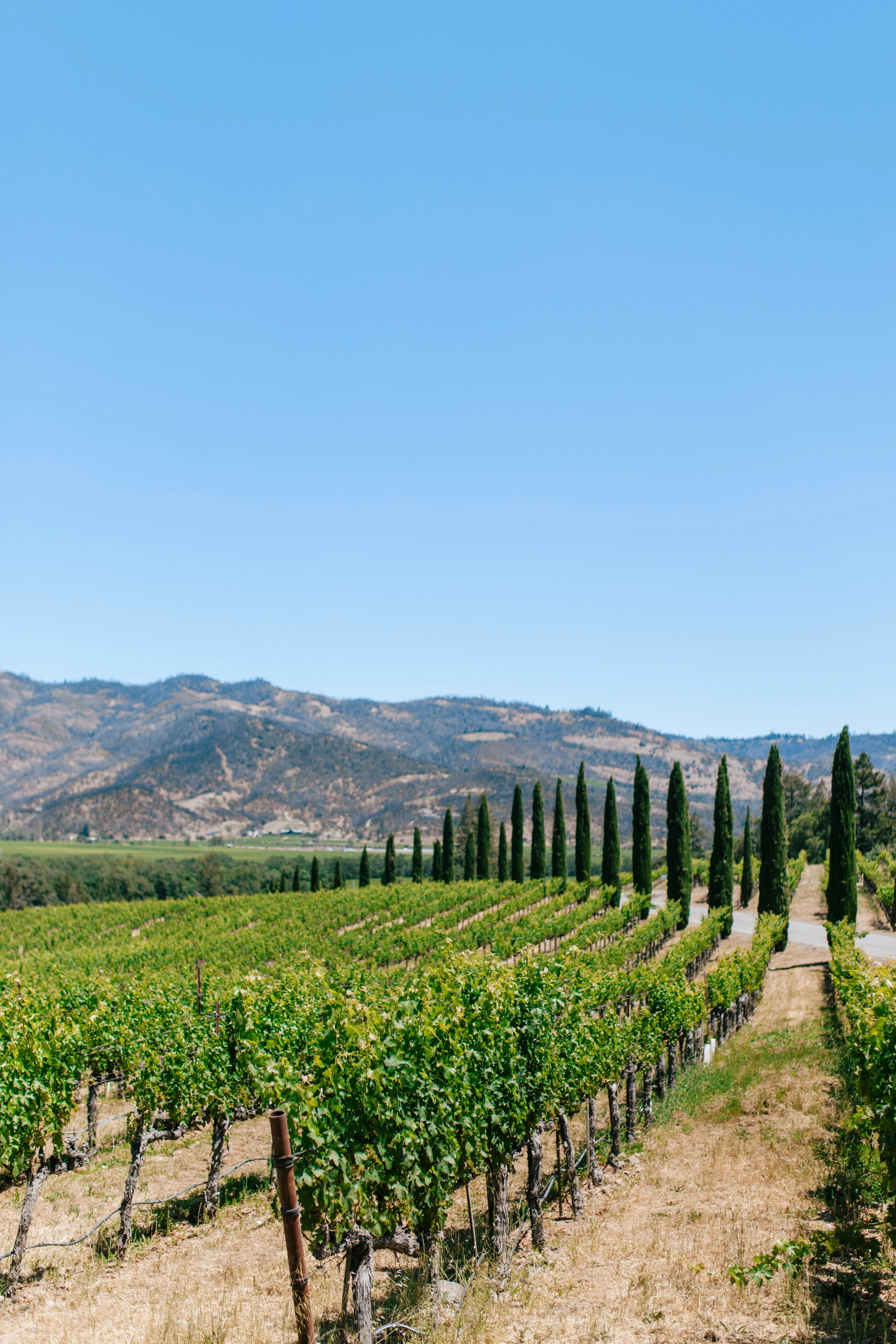
Beyond the village boundary, the broader Carmel area extends toward Carmel Valley, a warmer, drier inland corridor known for wine production and equestrian culture. Properties here tend toward the resort format: more acreage, more amenity, a different relationship to the landscape. For travelers who want a luxury hotel suite with a sense of retreat rather than urban proximity, Carmel Valley is a credible counterpoint to the village itself.
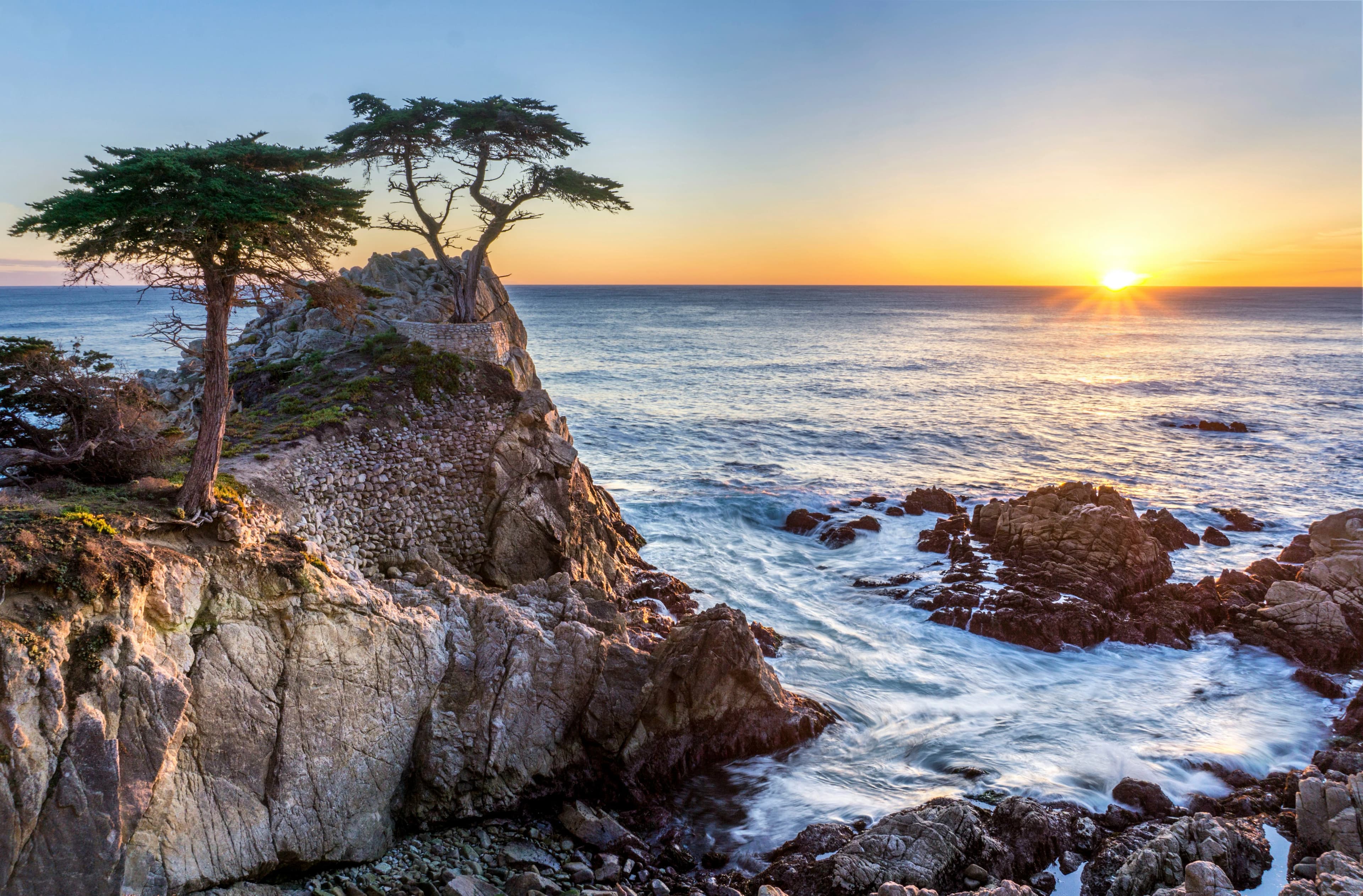
Pebble Beach, the private residential community adjacent to Carmel, occupies its own category. The 17-Mile Drive passes through it, and the Lodge at Pebble Beach anchors one of the most recognized golf destinations in the United States. Suites here carry an entirely different set of expectations: golf-first, ocean-view, and historically significant in the American luxury travel canon.
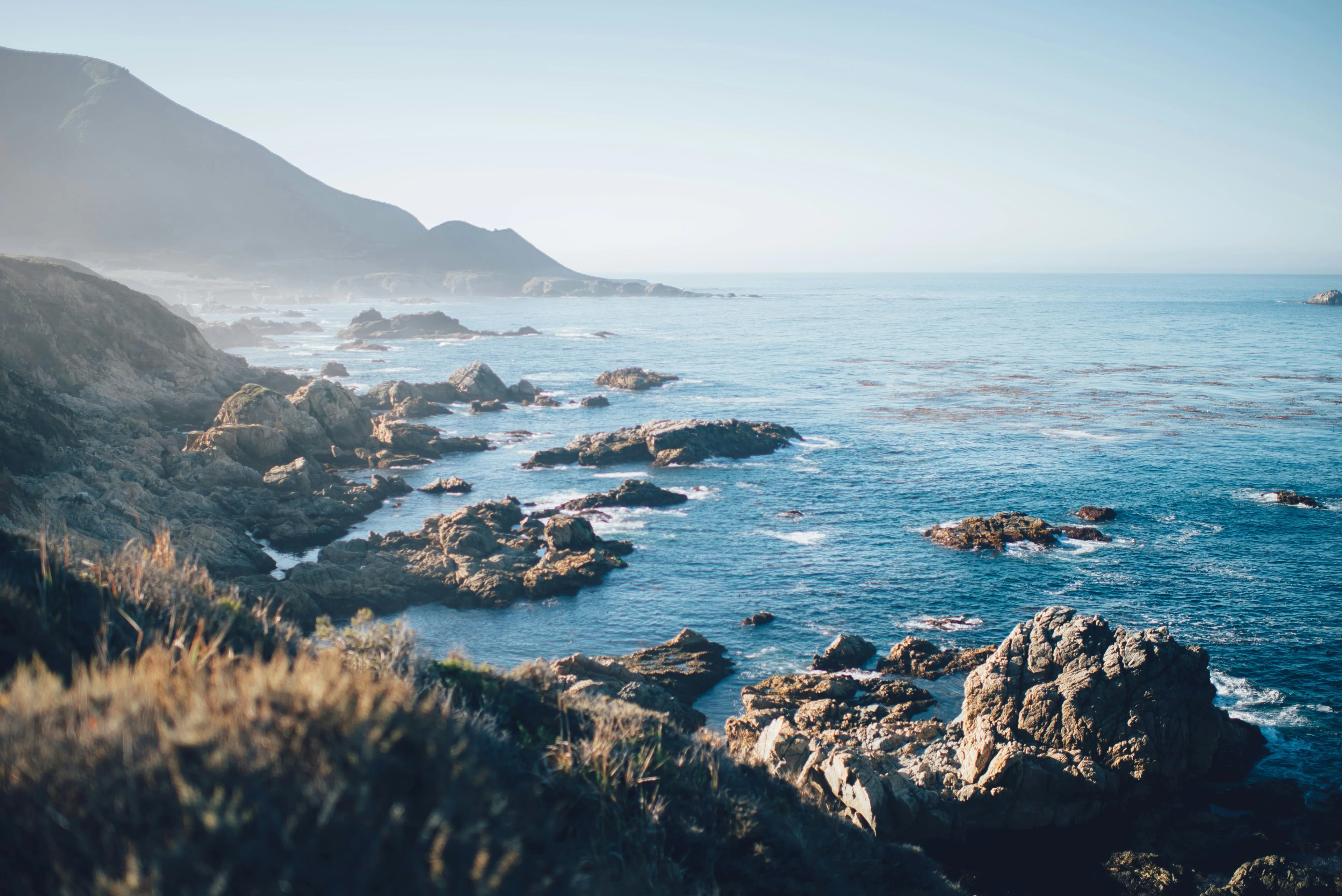
For first-time visitors, the village itself is the most concentrated expression of what Carmel offers: galleries, independent restaurants, a walkable downtown, and direct access to the beach. For returning travelers seeking more seclusion, the valley or the coastal cliff properties farther south toward Big Sur offer a compelling extension of the same landscape in a more solitary register.
When to visit Carmel-by-the-Sea for a luxury suite experience
Carmel's climate is shaped by the cold California Current and the marine layer it produces. Summers are mild rather than warm, often overcast in the mornings with clarity arriving in the afternoon. This is not a beach destination in the conventional sense. The water remains cold year-round. What it offers instead is a certain atmospheric quality: soft light, coastal air, and an absence of the crowds that arrive on California's warmer southern shores.
Spring (April through June) is widely considered the optimal window. The hills are green, the light is favorable, and the town has not yet reached peak occupancy. September and October bring what locals call the second season: warmer, drier days, excellent visibility, and a quieter village after the summer traffic has thinned.
Key cultural moments include the Carmel Bach Festival, held annually in late July and early August and now entering its ninth decade, one of the most respected classical music events in North America. The Concours d'Elegance at Pebble Beach, typically held in mid-August, draws collectors and automotive culture from around the world and places significant pressure on suite availability across the entire Monterey Peninsula. Booking well in advance for these periods is not optional for the best properties.
Winter brings solitude and reduced rates. The village remains open and functional, the landscape more austere and less trafficked. For travelers who value atmosphere over amenity and prefer their luxury experiences unwitnessed, January through March has real appeal.
Local luxury standards: what to expect from top-tier properties in Carmel
Carmel operates under a deliberate architectural code. Buildings are low, materials are natural, and signage is minimal. The village has historically resisted chain hotel development, which means that its luxury accommodation landscape is defined by independent inns, boutique hotels, and small-format properties rather than the large-footprint resort typology found in other California destinations.
The concept of a luxury suite in Carmel is therefore different from what the same phrase means in Los Angeles or San Francisco. Scale is measured in intimacy rather than square footage. A twelve-room inn with a fireplace suite overlooking a courtyard may outperform a larger property on every experiential metric. What to look for: architectural coherence, quality of materials, proximity to the beach or the village center, and the property's relationship to the landscape around it.
California's tiering system does not apply a formal designation equivalent to the French Palace label or the British five-red-star classification. The effective proxies here are Forbes Travel Guide ratings and AAA Five Diamond designations. In the Carmel area, properties that carry these ratings consistently maintain a standard of service and suite quality that justifies the positioning.
Expect fireplaces in a significant proportion of suites, as the marine climate makes them functional rather than decorative. Ocean views, when available, are genuinely premium given the topography. Private terraces overlooking the Pacific or the village gardens are among the most valued suite features in this market.
How to choose the right luxury suite in Carmel-by-the-Sea
The first decision is village versus valley versus coastal cliff. Each offers a structurally different experience. Village suites place you within walking distance of galleries, restaurants, and the beach. Valley properties offer warmer temperatures, more space, and a wine-country adjacency. Coastal properties, particularly those extending toward Big Sur, offer dramatic scenography at the cost of distance from the village infrastructure.
The second consideration is architecture. Carmel has a notable inventory of cottages and English-inspired vernacular structures dating from the early twentieth century. Some of the most compelling luxury accommodations in the area occupy historic buildings that have been sensitively upgraded rather than rebuilt. For design-literate travelers, the patina of these properties is part of the offer.
The third consideration is occasion. Carmel draws a significant volume of couples celebrating anniversaries and milestone trips. Its scale and character make it a natural destination for quiet, deliberate stays rather than high-energy social itineraries. If your travel mode is active, event-driven, or group-based, calibrate expectations accordingly. The village rewards those who want to slow down.
Practical note: Carmel-by-the-Sea has no traffic lights and enforces strict noise ordinances. This is a place that takes its quietness seriously. Confirm check-in logistics in advance, as many boutique properties have limited front-desk hours and a more personal, less institutional arrival experience.
Why a curated selection by La Suite makes the difference in Carmel
The Carmel accommodation market is small but heterogeneous. Marketing language in this segment is often evocative and imprecise, which makes independent research genuinely time-consuming for a traveler with specific requirements. A property that presents well online may deliver a suite that is atmospheric in photograph and underwhelming in reality. Conversely, some of the best suites in the area are held by properties with modest digital presences.
La Suite's editorial process is built on direct assessment and category expertise. We identify properties where the suite quality matches the positioning and where the experience of staying is consistent with what a discerning traveler expects. For a destination as particular as Carmel-by-the-Sea, where the differences between properties can be subtle but significant, that level of specificity is exactly what the decision requires. Our curated selection for the United States applies the same standard of rigor across every market we cover.