Understanding Palo Alto as a luxury destination
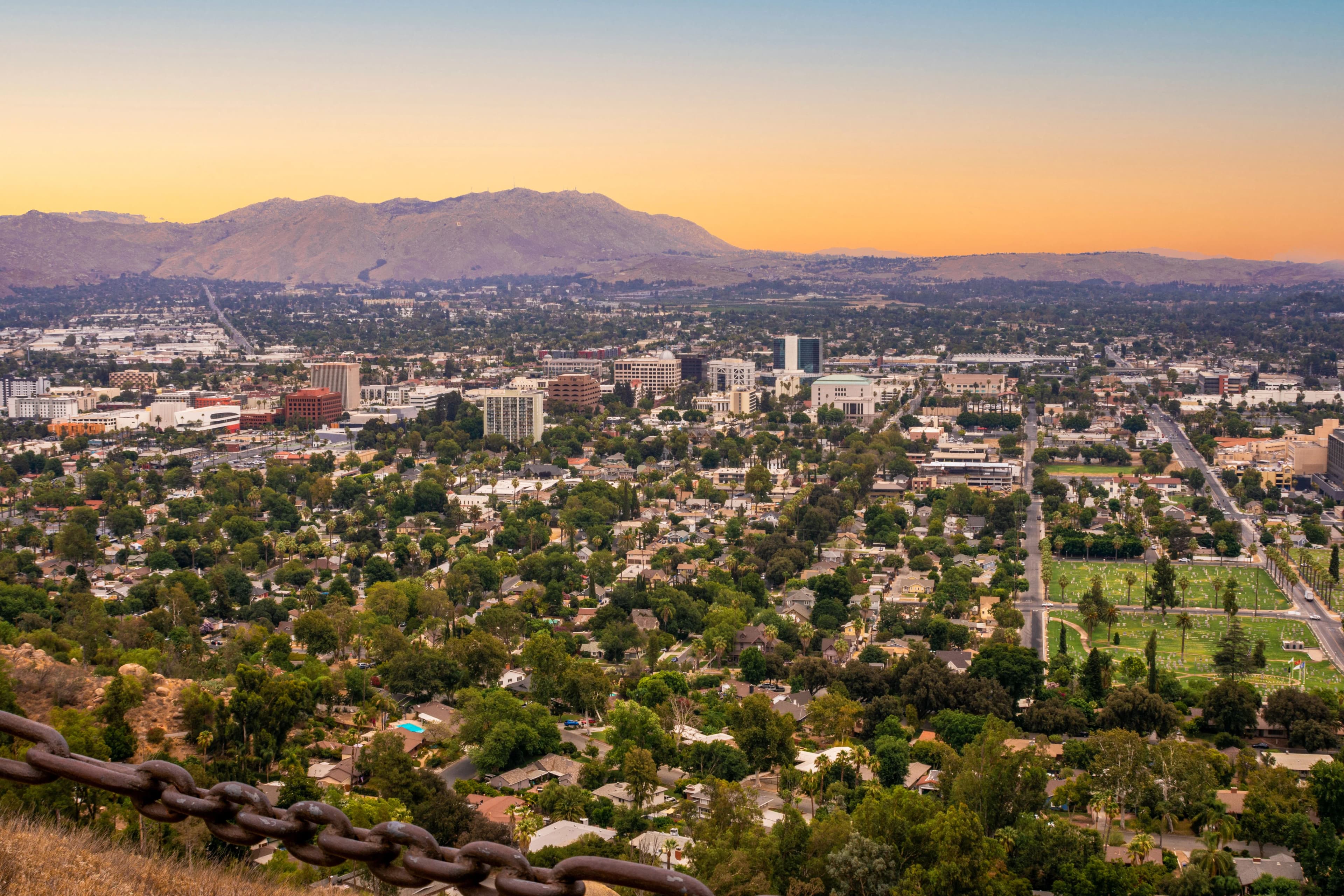
The city itself is architecturally restrained. Mid-century modernism, California craftsman bungalows, and low-rise commercial blocks define the streetscape. There is no vertical skyline. Luxury here reads through landscaping, interior materiality, and the deliberate absence of noise rather than through grand facades. A luxury hotel suite in this environment should reflect that logic: considered, spatially generous, and operationally precise.
Palo Alto sits within the broader United States luxury hotel landscape, and specifically within North America's most demanding corporate travel corridor. Standards are high and expectations around connectivity, service response, and spatial comfort are non-negotiable for the clientele who pass through regularly.
The distinct areas of Palo Alto for a luxury stay
Downtown Palo Alto and University Avenue
The central district along University Avenue concentrates the city's restaurants, independent retailers, and cultural venues. Staying in or near downtown places guests within walking distance of Stanford's main campus gates and the city's most active dining corridor. For travelers who prioritize autonomy over a car, proximity to this axis is the primary consideration. The residential streets immediately south and west of downtown, lined with mature oaks and craftsman homes, create an atmosphere of studied calm that distinguishes Palo Alto from neighboring San Jose or San Francisco.
The Stanford Research Park and Sand Hill Road corridor
For travelers whose visits center on professional engagements in the venture capital ecosystem, positioning closer to Sand Hill Road reduces transit time and mental friction. This western corridor, between the university and the Santa Cruz foothills, is quieter and more expansive. Suites in properties oriented toward this area appeal to guests whose days begin early with breakfast meetings and end late with board-level dinners.
The broader Peninsula context
Palo Alto connects directly to a string of Peninsula communities: Menlo Park to the north, Los Altos to the south, Woodside and Portola Valley to the west. High-end travelers often use a Palo Alto suite as a base for engagements distributed across this wider geography. Proximity to Caltrain and easy freeway access to San Francisco International Airport (approximately 25 miles north) are practical factors that inform suite selection at this level.
When to visit Palo Alto
The Bay Area's Mediterranean climate gives Palo Alto a year-round accessibility that few American cities can match. Summers are warm and reliably dry, with afternoon temperatures regularly reaching the high 70s Fahrenheit. Spring and autumn are considered the most pleasant seasons for outdoor engagement: Stanford's campus is at its most active from September through May, and the academic calendar shapes the rhythm of events, lectures, and symposia that draw culturally engaged travelers.
The weeks surrounding Stanford's graduation ceremonies in June and major tech industry conferences (which cluster in spring and autumn) represent peak demand periods. Suite availability tightens considerably during these windows, and advance planning becomes essential. January and February offer the most predictable availability, though the city's professional calendar never fully empties.
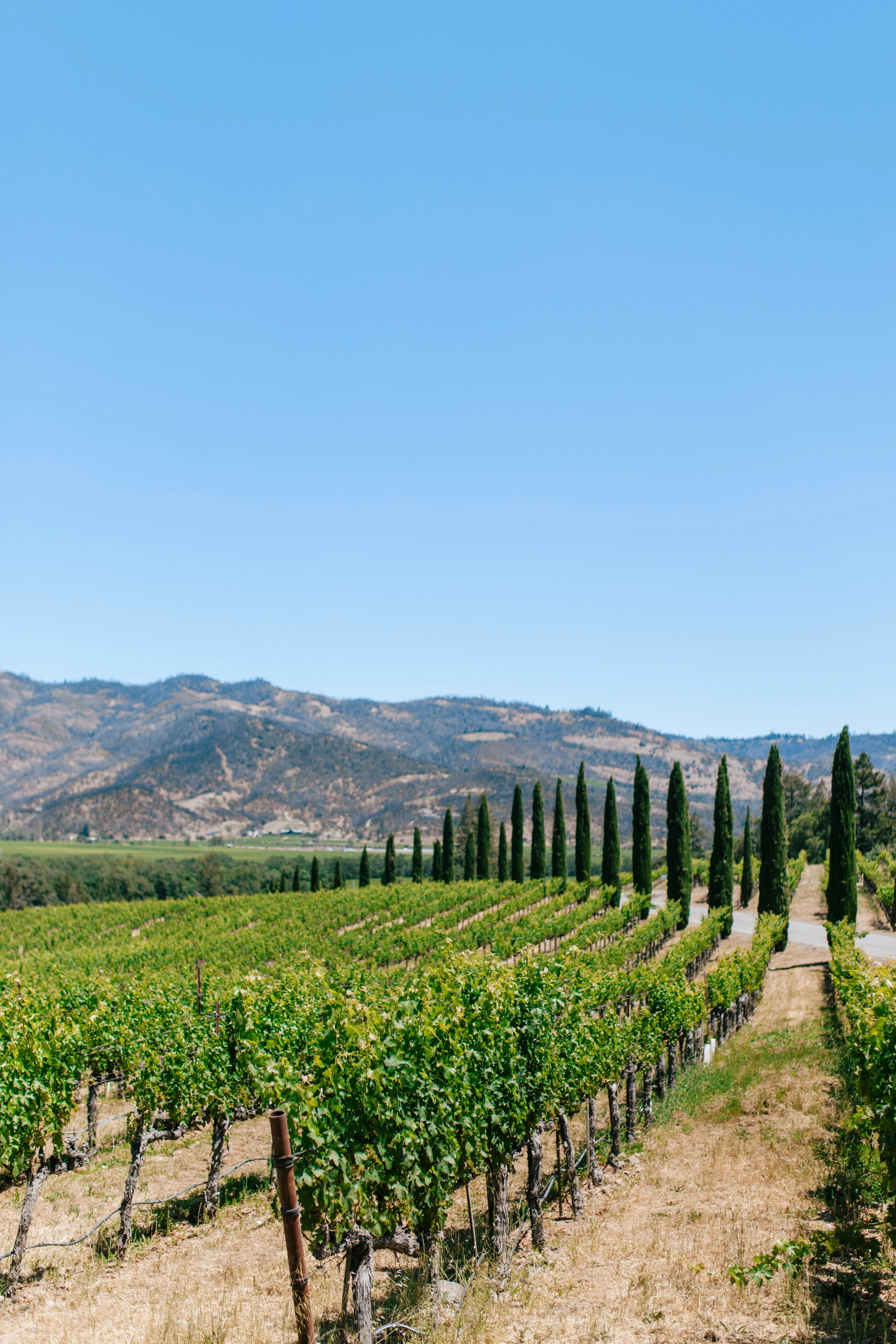
California's wine country, accessible within 90 minutes by car, adds a leisure dimension to any Palo Alto visit. A luxury hotel suite here functions equally well as a base for day trips north toward Napa and Sonoma as it does for the business traveler completing a week of structured meetings.
Local luxury standards: what to expect from top-tier suites in Palo Alto
California's luxury hospitality culture has specific characteristics that differ from East Coast or European equivalents. Service tends to be warm and informal without sacrificing precision. Wellness infrastructure, including spa facilities, fitness programming, and nutritional menus, is taken seriously. Outdoor space, whether a private terrace, a garden-facing suite, or pool access, carries particular weight in a climate that rewards it.
Architecturally, the most accomplished luxury hotel suites in the Palo Alto area often draw from California modernism: clean lines, natural materials (stone, oak, linen), generous window proportions, and an interior palette that references the surrounding landscape. The Silicon Valley client base has influenced local hospitality design toward the functional and the considered rather than the decorative.
The absence of a formal French-style palace classification in the United States means that suite quality is best assessed through a combination of brand positioning, architectural merit, room dimensions, and the specificity of the service model. A suite at a property aligned with a global luxury hotel group carries different operational guarantees than an independently positioned property, and both can be appropriate depending on the traveler's priorities.
How to choose the best luxury suite in Palo Alto
Define the purpose of the stay
A corporate traveler requiring a suite that functions as a working environment will prioritize desk space, high-speed connectivity, privacy from hotel corridors, and proximity to the city's professional hubs. A family visiting Stanford for an admissions tour may weight suite size, multiple bedrooms, and proximity to campus more heavily. Defining the functional requirements before evaluating options prevents the common error of selecting on aesthetics alone.
Consider the building's architectural character
Palo Alto's hospitality stock spans mid-century properties, contemporary builds, and a small number of historically significant structures. Each category offers a distinct sensory experience. A contemporary suite built around California modernist principles will read differently from a property that has evolved through several renovation cycles. Both can meet a high standard; the question is which is coherent with the traveler's broader aesthetic sensibility.
Evaluate the service model
At the luxury suite level, the quality of concierge services, the responsiveness of in-suite dining, and the granularity of pre-arrival communication distinguish properties that perform from those that simply look the part. In a city where time is the primary scarce resource, a suite environment that anticipates logistical needs rather than merely responding to them has measurable practical value.
Why a curated selection by La Suite matters in Palo Alto
Palo Alto's luxury hotel market is compact but uneven. The volume of properties claiming a premium positioning exceeds the number that consistently deliver at the suite level. For a traveler whose time in the city is structured around high-stakes professional or personal objectives, selecting from an unvetted inventory introduces unnecessary risk.
La Suite applies a consistent editorial framework to every property in its selection: spatial assessment, service verification, architectural coherence, and the specific requirements of high-end travelers who use suites as functional environments rather than decorative upgrades. In a market like Palo Alto, where the gap between a property's marketing language and its actual suite-level delivery can be significant, that curatorial discipline has direct value.
The curated selection by La Suite for the United States reflects the same standard applied globally: only properties where the suite experience is genuinely differentiated from the standard room product earn a place in the selection.