Understanding Paradise Valley as a luxury destination
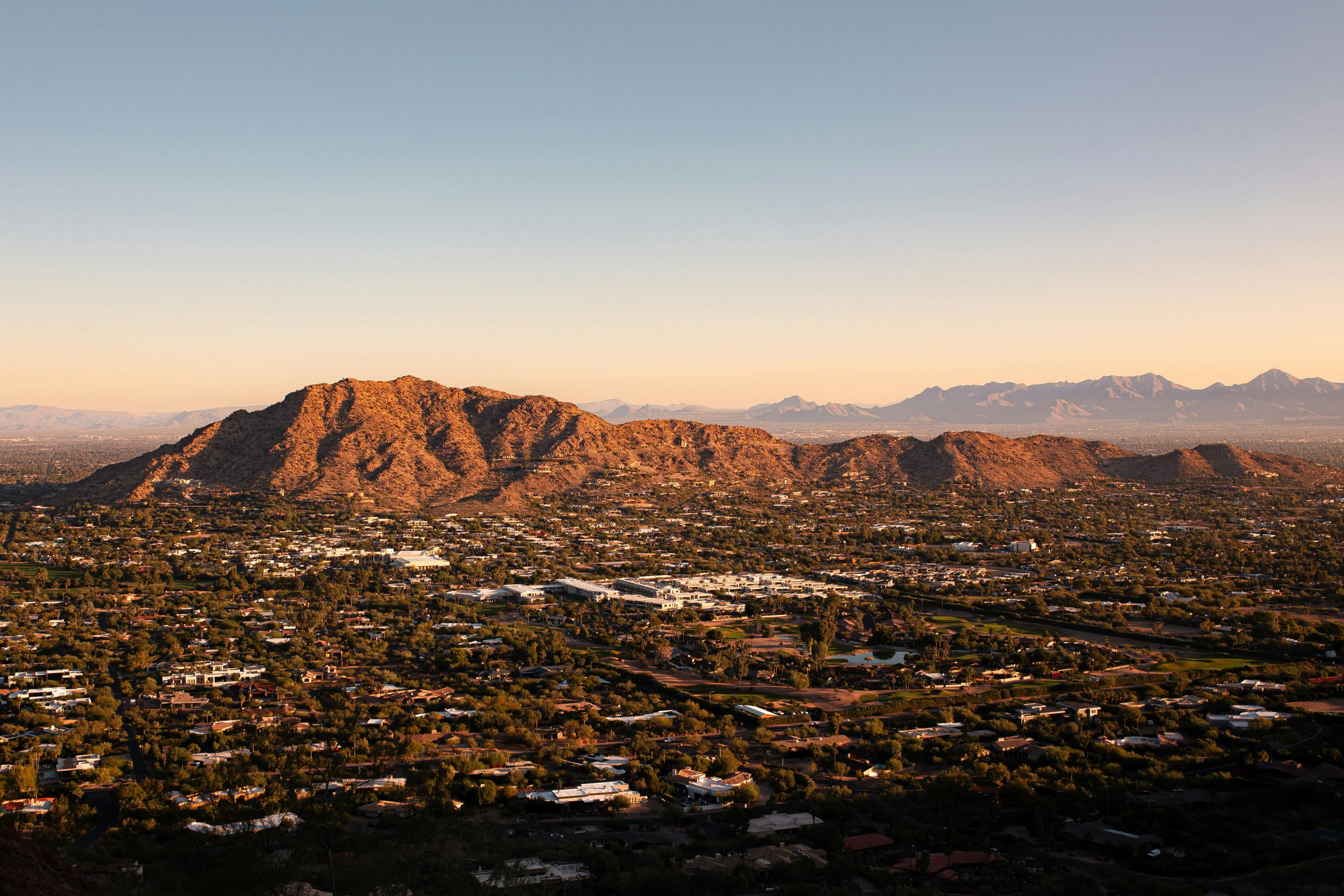
The town sits within the broader Phoenix metropolitan area, which gives guests proximity to cultural institutions, private aviation through Scottsdale Airport and Phoenix Sky Harbor, and a sophisticated restaurant scene, without requiring immersion in either city. Paradise Valley occupies a distinct position in United States luxury travel: it is resort-oriented but not resort-saturated, and it serves a clientele that places equal value on privacy and physical environment.
Best areas to consider within and around Paradise Valley
The Camelback Mountain corridor
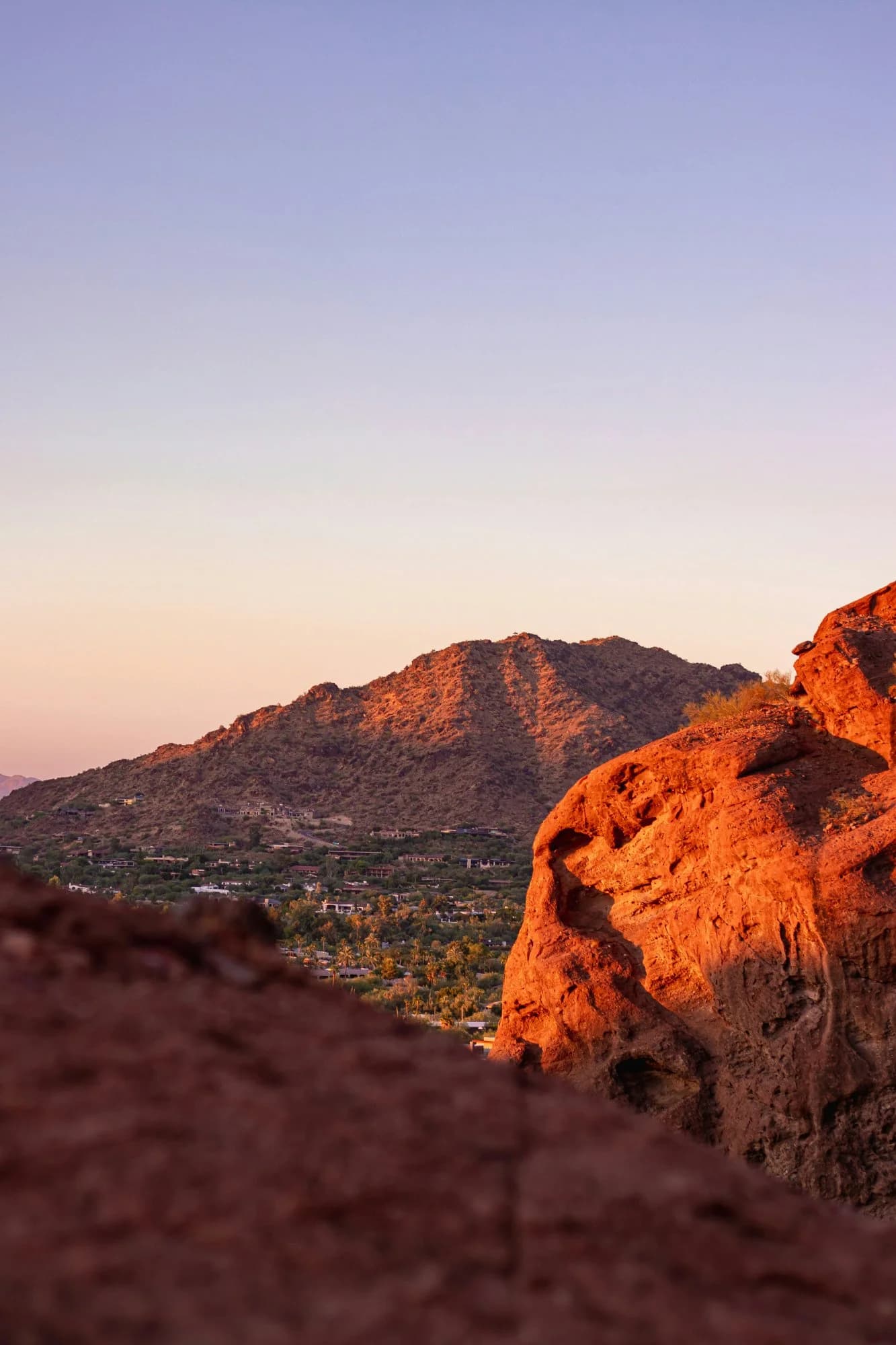
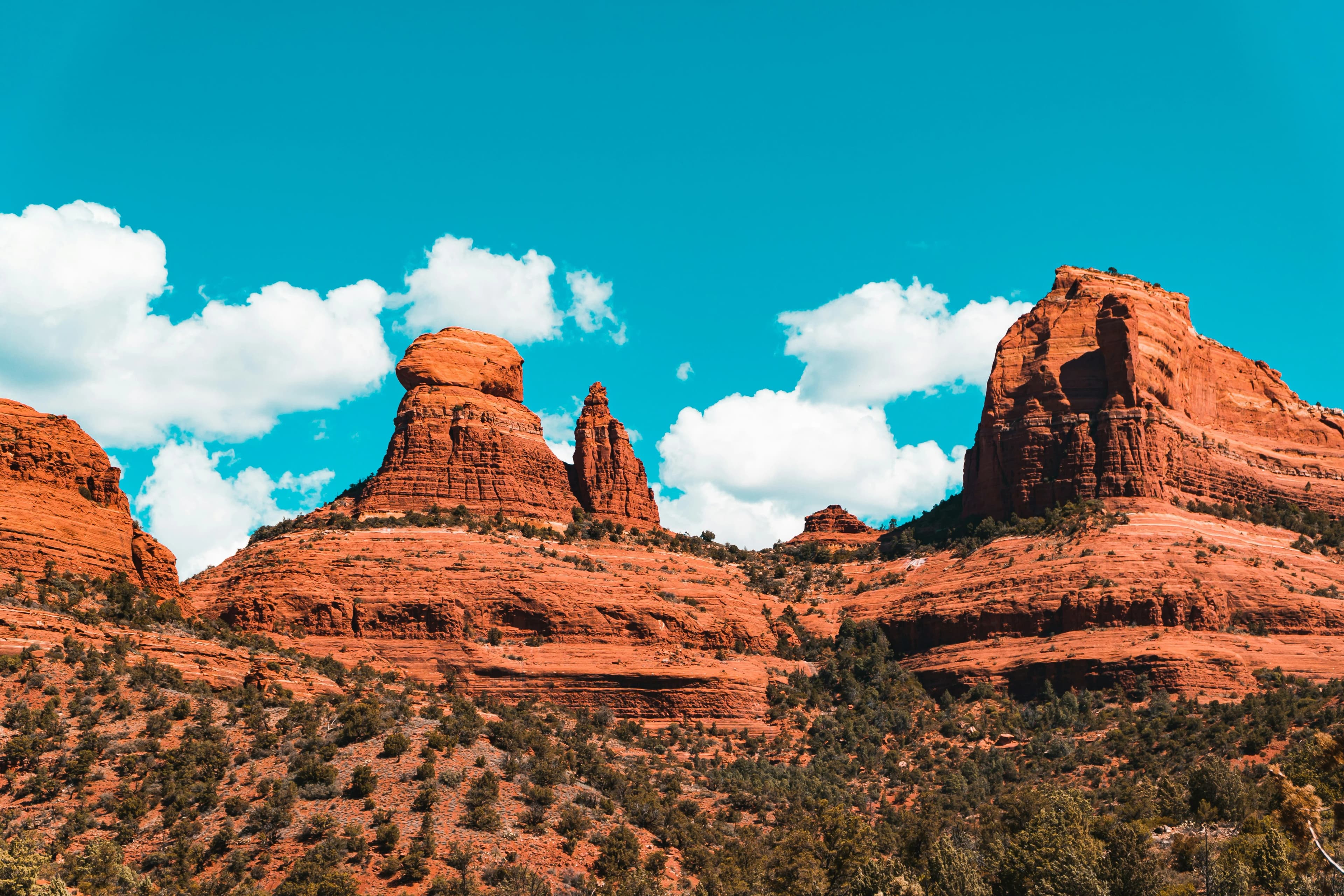
The eastern face of Camelback Mountain is the most coveted address in the area. Properties positioned here benefit from direct sightlines to the mountain's distinctive sandstone formation and from the microclimate effects of the surrounding geology. Suites in this corridor tend to prioritize outdoor living: private terraces, plunge pools, and unobstructed desert views are standard at the upper tier. The architecture ranges from mid-century influenced structures to contemporary desert modernism, with an emphasis on materials that read honestly against the landscape, such as rammed earth, cantera stone, and weathered steel.
The central and southern zones
The flatter terrain toward the center and south of Paradise Valley accommodates properties with larger footprints and more expansive pool and spa complexes. The visual experience is less dramatic than the mountain corridor, but the sense of space is considerable. These properties often attract guests focused on wellness programming, extended stays, and family travel, where suite configurations with multiple rooms and private outdoor areas are a practical requirement rather than a preference.
When to visit Paradise Valley
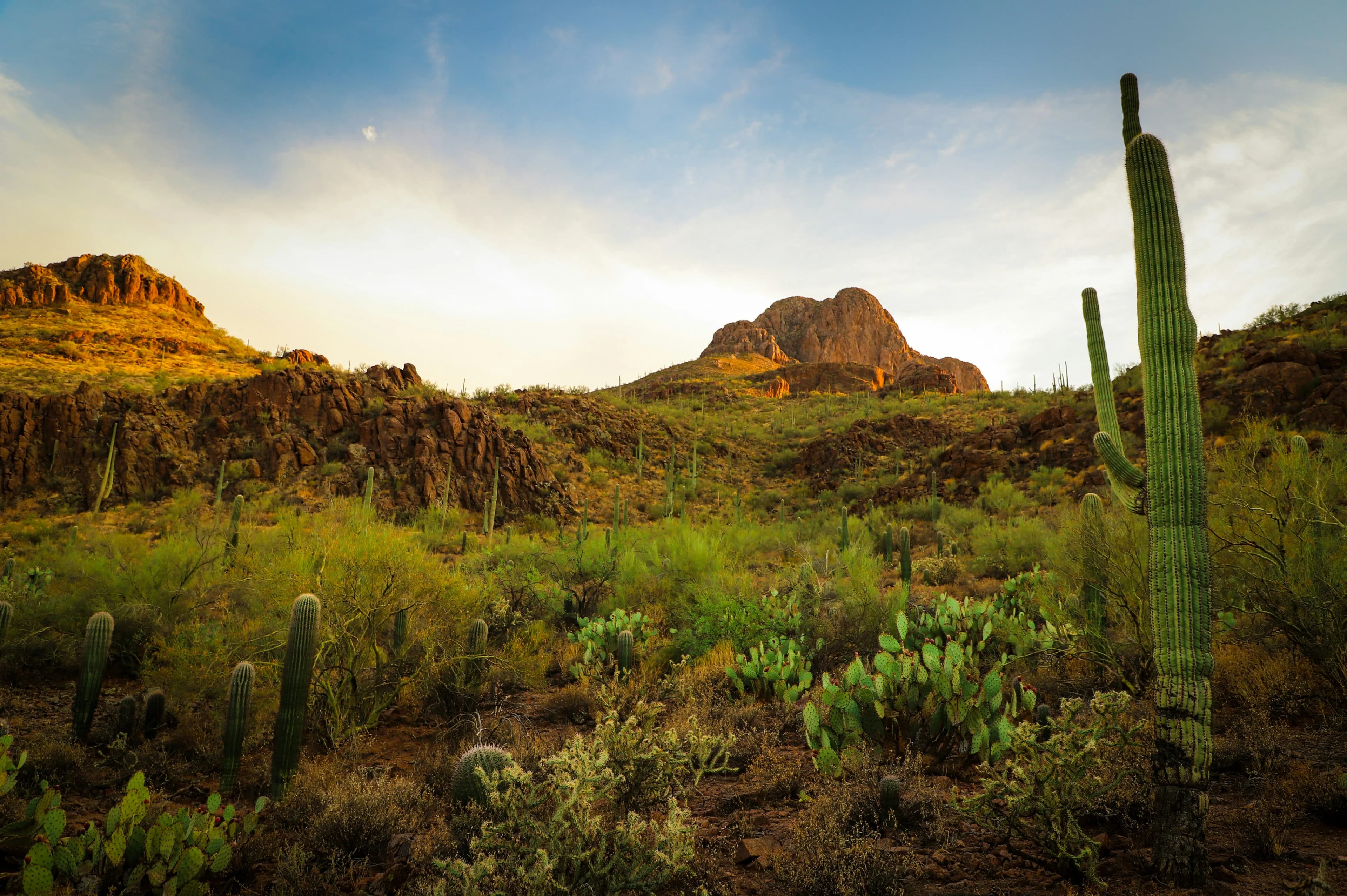
The desert climate of the Sonoran creates a sharply seasonal travel market. The optimal window runs from October through April, when daytime temperatures are consistently comfortable, evenings are cool, and the desert flora is at its most photogenic. January and February bring the Phoenix Open golf tournament, one of the most attended events on the PGA Tour, which increases demand across all property categories. March through April represents peak season proper, with high suite occupancy and corresponding rate structures.
Summer in Paradise Valley is a different proposition. Temperatures routinely exceed 110 degrees Fahrenheit from June through August. Some travelers actively seek this period for the dramatic rate compression it produces and for the experience of a resort landscape in its most extreme state. Properties with strong indoor programming and exceptional spa facilities become the relevant filter at this time of year. Those already familiar with North America's desert resort culture often find the summer interval the most private and the most economically advantageous window to visit.
Local luxury standards: what to expect from top-tier suites in Paradise Valley
The benchmark for a luxury hotel suite in Paradise Valley is set by a small number of properties that have defined the category since the mid-twentieth century and by a newer cohort that has raised the design standard considerably. Several consistent characteristics define the upper tier here.
Outdoor space is not optional. At the level of a genuine luxury suite in this market, a private terrace or plunge pool is a baseline expectation. The Sonoran Desert is experienced outdoors, and properties that fail to extend the suite's living area into that environment are offering an incomplete product. Square footage per suite at the top tier tends to be generous by any international comparison, frequently exceeding 1,000 square feet for a standard luxury configuration.
Spa infrastructure is a differentiator. Paradise Valley has developed a regional identity around wellness and spa culture that predates the broader global wellness travel movement. Several of the area's flagship properties operate spas of considerable scale and clinical sophistication, drawing on Indigenous healing traditions, desert botanicals, and hydrotherapy. For the traveler whose itinerary centers on restoration, the quality of the spa should carry equal weight to the suite itself.
Architectural coherence matters here in a way it does not in all markets. The most respected properties maintain a consistent design language from the public spaces through the suite interiors, and that language responds to the desert context rather than importing a generic international luxury aesthetic. Materials, color temperature, and the treatment of natural light are reliable indicators of a property's seriousness.
How to choose the right suite in Paradise Valley
Define the primary purpose of the stay
A suite chosen for a wellness retreat requires different attributes than one chosen for a golf-focused visit or a private business retreat. Proximity to the spa, suite configuration for couples versus families, outdoor kitchen access, and the quality of in-suite dining infrastructure are all variables that should be assessed against a clearly defined travel intent. Paradise Valley's properties are differentiated enough that matching the suite to the purpose significantly improves the experience.
Evaluate view orientation and light
In a desert landscape where the quality of natural light is one of the defining sensory experiences, suite orientation is consequential. East-facing suites receive the morning light across the mountain faces and the saguaro fields. West-facing suites capture the late afternoon color shift that the Sonoran Desert produces with particular intensity. Both have merit; neither is correct in the abstract. Ask specifically about orientation before confirming a reservation.
Consider the arrival and departure logistics
Paradise Valley is served by two nearby airports. Scottsdale Airport accommodates private and charter aviation with minimal friction. Phoenix Sky Harbor handles all major commercial carriers and is approximately 15 to 20 minutes from most Paradise Valley properties. The drive from the airport is direct and uncomplicated, which matters for guests arriving after long-haul international connections.
The value of a curated selection by La Suite
The luxury hotel market in Paradise Valley is small but not simple. A limited number of properties compete at the genuine top tier, but within that group the differences in suite quality, design standard, and service model are significant. The category description on a booking platform does not reliably convey whether a suite's terrace faces a parking structure or an unobstructed mountain ridge, or whether the spa operates at a clinical standard or a hospitality standard.
La Suite approaches this market the way a knowledgeable buyer approaches a property acquisition: with specific criteria, direct assessment, and a willingness to exclude. The curated selection maintained by La Suite for Paradise Valley reflects properties where the suite itself, not just the brand or the marketing materials, meets the standards that define the category. For the traveler whose time and expectation are both finite, that filter is the relevant starting point.