Amara Resort & Spa, Sedona
Located along Oak Creek and offering beautiful views of the Red Rocks, this Sedona hotel features a full-service spa. A infinity edged pool is also available. A 40-inch flat-screen TV and Italian lin

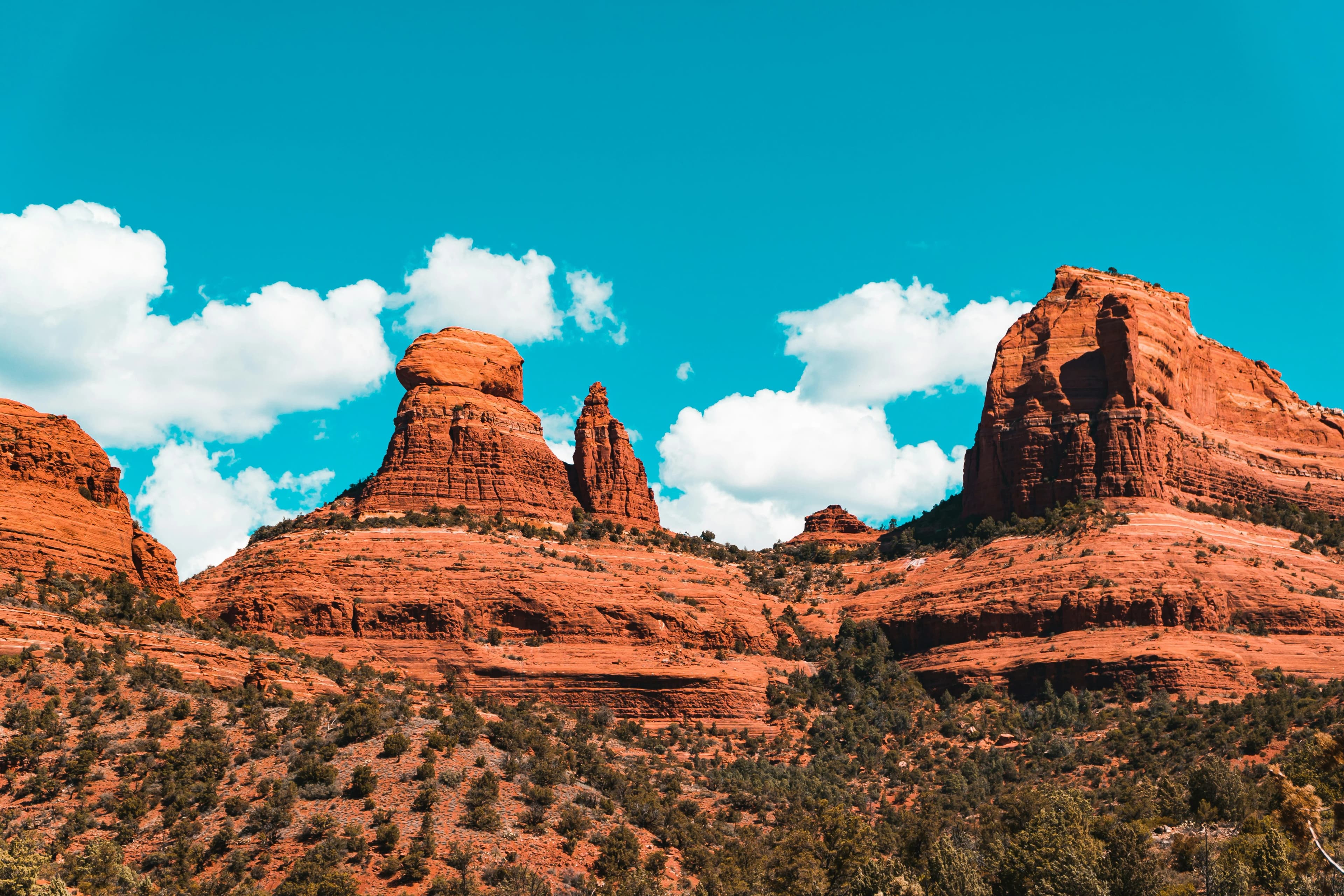
Sedona sits at roughly 1,300 metres above sea level in northern Arizona, positioned between the Colorado Plateau and the Verde Valley. Its reputation as a destination for high-end travelers has evolved substantially over the past two decades, moving from a regional arts enclave toward a nationally recognised address for architecture-forward hospitality and restorative travel. The concentration of luxury hotel properties here is notable given the town's relatively small footprint, and the quality of suite design reflects a serious engagement with the surrounding landscape rather than an attempt to compete with it.
6 hotels available

Located along Oak Creek and offering beautiful views of the Red Rocks, this Sedona hotel features a full-service spa. A infinity edged pool is also available. A 40-inch flat-screen TV and Italian lin

Arroyo Pinion Hotel is a renovated wellness-focused hotel in West Sedona. The hotel is surrounded by Sedona’s red rock scenery and offers easy access to hiking trails, restaurants, shops, and local at

Comfortable Accommodations El Portal Sedona Hotel in Sedona offers family rooms with private bathrooms, air-conditioning, and free WiFi. Each room includes a work desk, refrigerator, and TV. W

Offering a year-round outdoor pool and barbecue, Hyatt Pinon Pointe is located in Sedona, in the northern region of Arizona, 2.4 mi from Chapel of the Holy Cross. Free WiFi is provided. All rooms feat

Featuring free WiFi, a spa center and an outdoor pool, L'Auberge De Sedona offers accommodations in Sedona, 24 mi from Flagstaff. The hotel has a sun terrace and views of the mountains, and guests can

Elegant Accommodations Matterhorn Inn in Sedona offers a 4-star hotel experience with a sun terrace, year-round outdoor swimming pool, and free WiFi. Guests enjoy mountain views, balconies, and privat

159 km away
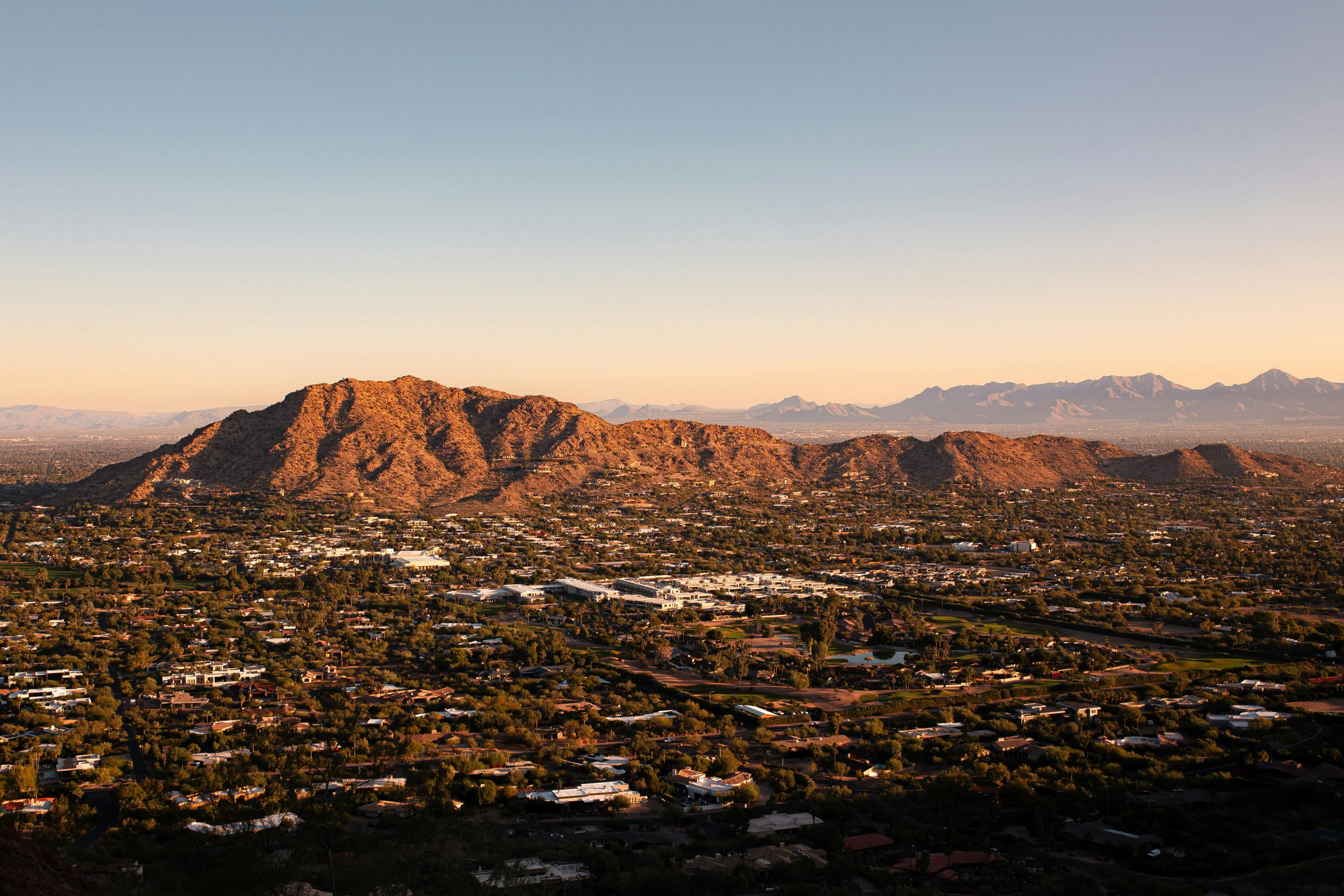
Phoenix is not a single destination but a metropolitan constellation spanning several distinct areas, each carrying a different register of luxury. Understanding these zones is the first practical step for any traveler commissioning a high-end stay in the United States desert Southwest.

Paradise Valley is not a resort corridor or a commercial strip. It is a residential enclave of approximately 13,000 residents that happens to host some of the most architecturally significant resort properties in the American Southwest. Zoning laws have historically limited density and commercial development, which means the properties that do exist here operate with exceptional land-to-guest ratios. Wide plots, generous setbacks, and desert landscaping define the visual register. For the traveler arriving from a dense urban environment, the effect is immediate: the pace of perception slows.

160 km away
Tempe occupies a distinct position within the Phoenix metropolitan area, bordered by Scottsdale to the north, Phoenix to the west, and Chandler to the south. It is denser and more pedestrian-oriented than much of the Southwest, with a compact downtown corridor along Mill Avenue and a developed lakefront at Tempe Town Lake. For travelers arriving from the United States' coastal metros, Tempe offers a Southwest experience that is architecturally grounded and culturally active, without the resort-only identity of Scottsdale.
For travelers exploring North America in search of genuinely distinctive suite experiences, Sedona occupies a category of its own: a desert destination where the physical environment imposes aesthetic discipline on every property, and where the best suites are defined by their relationship to terrain, light, and silence.
The Uptown district functions as the commercial and cultural spine of Sedona, concentrated along State Route 89A. Proximity to galleries, restaurants, and trailheads makes this corridor practical for travelers who want immediate access to the town's cultural infrastructure. Suites in this zone tend toward contemporary desert design, with an emphasis on outdoor terraces and framed views of the Schnebly Hill formation and the Cathedral Rock silhouette to the south.
West Sedona offers a quieter residential register, with properties set further from the commercial center and oriented toward the broader valley. The Village of Oak Creek, located roughly thirteen kilometres south, provides access to the Oak Creek Canyon corridor and the Bell Rock formation. Suites here tend to occupy larger footprints, with more emphasis on garden privacy and direct trail access. The light in the late afternoon in this zone is architecturally significant, with the red formations catching direct sun and producing a range of ochre, copper, and deep crimson tones that shift across the suite's interior.
North of Uptown along State Route 89A, Oak Creek Canyon offers a radically different sensory register: dense riparian vegetation, running water, and shade. Properties in this narrow canyon sit within a microclimate noticeably cooler and more humid than the main Sedona plateau. Suite guests here exchange panoramic desert views for an enclosed, forest-adjacent experience, with the creek as both sound environment and recreational infrastructure.
Sedona's elevation moderates what would otherwise be extreme Arizona temperatures. Spring, from March through May, is broadly considered the optimal window: temperatures range from approximately 10 to 24 degrees Celsius, wildflower activity is visible in the surrounding terrain, and suite availability across the better properties remains competitive before summer demand peaks. The Sedona International Film Festival, held in late February and early March, draws a culturally engaged audience and tends to reduce available inventory at the higher-end properties.
Autumn, from September through November, offers comparable temperatures and carries the additional quality of post-monsoon clarity. The summer monsoon season, which runs roughly from July through September, brings afternoon storms that are visually dramatic and that clear rapidly, leaving an atmospheric quality to the light that photographers and design-oriented travelers find particularly distinctive. Winter brings cold nights and occasional snow at higher elevations, which settles briefly on the red formations and produces a visual contrast that rewards travelers willing to accept variable conditions.
Unlike destinations with formal prestige classification systems, such as the Palace designation in France or the Relais and Chateaux network in Europe, Sedona's luxury hospitality market is assessed primarily through independent rating systems, Forbes Travel Guide recognition, and the AAA Five Diamond programme. Several properties in Sedona hold or have held Forbes four- and five-star ratings, which remains a meaningful benchmark in the North American context.
The defining characteristic of the best luxury hotel suites in Sedona is their physical orientation. Properties at this tier invest significantly in positioning: suites are designed so that the primary living space, the bedroom, and often the bathroom share a direct visual axis with a specific formation or skyline. Floor-to-ceiling glazing is standard at this level, as are private plunge pools or outdoor soaking tubs calibrated to the view. Outdoor living infrastructure, including covered terraces, fire features, and integrated heating, extends the usable footprint of a suite into the exterior environment for a substantial portion of the year.
Spa infrastructure in Sedona has developed a distinct regional identity, drawing on both Indigenous Southwest traditions and contemporary wellness methodology. Several properties offer treatments that reference local mineral content, plant material, and ceremonial practice in a manner that is grounded rather than theatrical. This is a meaningful differentiator for travelers who approach wellness as a functional priority rather than an amenity category.
The primary decision variable in Sedona is orientation. The red rock formations visible from any given suite vary considerably depending on location within the town, and travelers with strong preferences for specific formations should research the property's geographic position before booking. Cathedral Rock, Bell Rock, Courthouse Butte, and the Boynton Canyon formations each offer a distinct visual register, and the quality of light on each changes meaningfully across the day.
Architecture type is a secondary but important variable. Sedona's luxury properties divide broadly between low-rise, campus-style resorts and more intimate boutique properties with fewer than thirty keys. The former offer comprehensive amenity infrastructure, including multiple dining options, large spa facilities, and tiered suite categories. The latter prioritise spatial privacy and a more calibrated guest-to-staff ratio. Both typologies can deliver a genuinely high-quality suite experience, but the experiential logic of each is different, and the choice should reflect the traveler's priorities.
Altitude and access to outdoor activity should also factor into suite selection. Properties adjacent to trailheads or with direct trail access allow guests to move from suite to terrain without logistical interruption. This matters particularly for travelers who treat physical engagement with the landscape as central to the stay rather than incidental to it.
Sedona's hospitality market contains significant variance in quality across its price range. A suite-level rate at one property can deliver a fundamentally different experience from the same rate at another, and the gap is not always visible from standard booking platforms. La Suite approaches Sedona with the same editorial discipline applied to every destination in its portfolio: properties are assessed on the quality of the suite product specifically, not the broader property reputation, and the curation reflects the standards of travelers who have stayed in the finest luxury hotel suites across the United States and internationally.
For a destination as visually particular as Sedona, the selection process also involves an assessment of how each property mediates between guest and environment. The best suites here are not simply well-appointed rooms with views. They are spatial instruments calibrated to a specific landscape, and identifying them requires direct knowledge of the product. That is the function La Suite performs in this market.

Sedona's luxury hotel suites are defined primarily by their relationship to the red sandstone formations that surround the town. Unlike Palm Springs or Scottsdale, where design tends toward poolside resort conventions, Sedona's top-tier properties orient their suites architecturally toward specific rock formations, using glazing, terrace positioning, and outdoor infrastructure to make the landscape a functional part of the suite experience.
The Village of Oak Creek and West Sedona generally offer the greatest degree of privacy, with properties set away from the commercial corridor and configured for longer stays with a residential quality. Oak Creek Canyon suits travelers seeking an enclosed, riparian environment rather than panoramic desert views. Uptown proximity suits those prioritising access to galleries and dining alongside suite comfort.
Spring, from March through May, is broadly the optimal period, offering moderate temperatures, strong light quality, and active trail conditions. Autumn from September through November is comparable and benefits from post-monsoon atmospheric clarity. Summer delivers dramatic afternoon monsoon storms and intense morning light, which appeals to design-oriented travelers willing to manage midday heat.
Sedona's luxury hotel spas have developed a regionally specific identity that references Indigenous Southwest traditions, local mineral content, and desert plant material. At the better properties, spa programming is integrated with the suite experience rather than offered as a separate amenity, and treatments are grounded in practice rather than purely aesthetic in framing. Several properties also incorporate outdoor treatment spaces oriented toward the rock formations.
Forbes Travel Guide ratings and the AAA Five Diamond designation remain the most reliable independent benchmarks in the North American luxury hotel market. In Sedona specifically, the quality of suite orientation toward the landscape, the calibre of outdoor living infrastructure, and the guest-to-staff ratio at boutique properties are practical indicators that supplement formal ratings. A curated platform like La Suite applies these criteria consistently across its selection.
Sedona has built a serious wellness infrastructure over the past decade, with multiple luxury hotel properties offering spa facilities that go beyond conventional amenity delivery. The combination of altitude, dry air, trail access, and a regional wellness tradition grounded in Indigenous practice creates conditions that support genuine restoration. Suite guests benefit from the ability to move between private outdoor space and structured wellness programming within the same property.
At the upper tier of the Sedona market, suites typically include a separate living area, a bedroom with direct formation views, and a bathroom configured for extended occupancy, often with both an indoor soaking tub and an outdoor plunge pool or hot tub. Private terraces with fire features and integrated heating are standard at this level. Square footage varies, but the emphasis on outdoor living infrastructure means the effective usable space typically exceeds the interior footprint.
Several Sedona properties offer multi-room suite configurations or villa-style units that accommodate small groups while maintaining the privacy and design quality associated with the individual suite product. Campus-style resorts with multiple suite categories generally offer more flexibility on this point than boutique properties. The key consideration for group stays is ensuring that outdoor terrace space scales proportionally with the interior configuration.
Spring and autumn represent peak demand windows, and suite inventory at the better-regarded properties in Sedona tends to be limited at these times. The Sedona International Film Festival in late February and early March is a specific pressure point. Summer occupancy softens somewhat due to heat, which can create availability at properties that carry strong annual demand. Winter rates are generally lower and can represent strong value for travelers comfortable with variable weather conditions.
Standard booking platforms aggregate inventory without editorial assessment of suite quality specifically. In Sedona, where the price of a suite-category room spans a wide range and the experiential outcome varies significantly between properties, curation provides a meaningful filter. La Suite's selection is based on direct assessment of the suite product, landscape orientation, and the overall calibre of the stay, rather than aggregate review scores or promotional placement.