Philadelphia's distinct neighborhoods for luxury stays
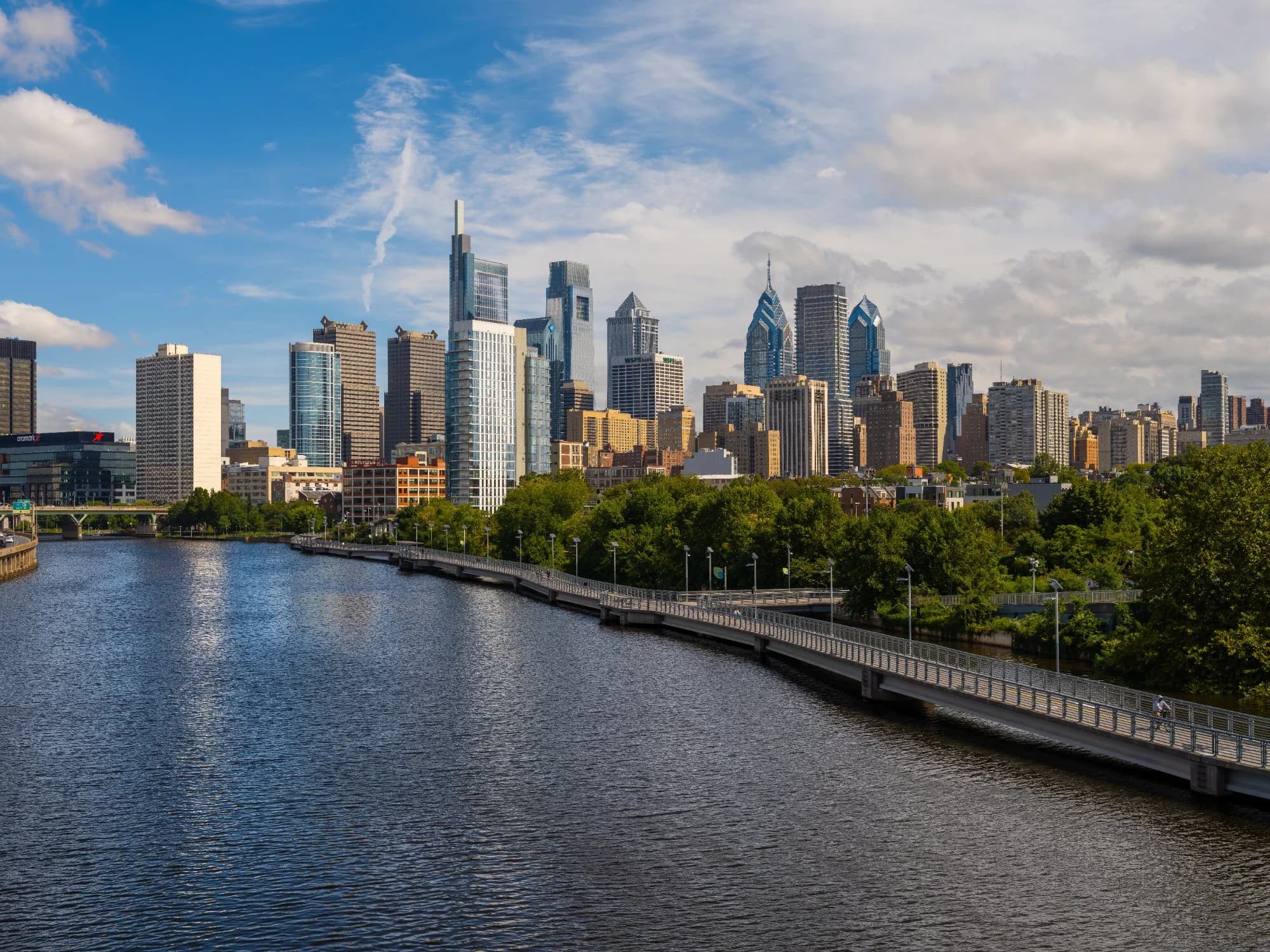
Center City is the commercial and cultural core. It concentrates the highest density of full-service luxury hotels, proximity to major cultural institutions including the Philadelphia Museum of Art and the Barnes Foundation, and access to the city's most serious restaurant scene. For travelers whose itinerary is built around culture, dining, and business, Center City provides the most efficient and refined base.
Rittenhouse Square, slightly southwest of Center City's grid, operates at a quieter register. The square itself is one of the finest urban parks in the United States, and the blocks surrounding it are lined with pre-war residential architecture, independent boutiques, and destination-level restaurants. Hotels and suites in this area tend to emphasize residential scale and discreet service over grand lobby theatrics.
Old City and Society Hill, flanking Independence Hall, offer something genuinely singular: Federal-period and Georgian architecture preserved at scale, cobblestone streets, and a physical proximity to American constitutional history that no other city can replicate. Boutique properties here are often housed in converted historic structures, and their suites carry an inherent narrative weight that more modern buildings cannot manufacture.
For travelers interested in Philadelphia's contemporary creative identity, Fishtown and Northern Liberties represent the city's most evolved cultural frontier. Accommodation here skews toward design-forward independent properties rather than traditional luxury hotel groups, but the neighborhood's energy and culinary output are increasingly compelling for culturally literate travelers.
When to visit Philadelphia for a luxury suite stay
Philadelphia's calendar has a clear logic for suite travelers. Spring, specifically April through early June, is the most temperate and visually rewarding season. The city's squares and parks are in full use, outdoor dining activates the grid, and cultural programming reaches its seasonal peak. Demand for premium suites is high during this window, and advance planning is advisable.
September and October offer an equivalent quality of experience with the added dimension of fall light and foliage, particularly in Fairmount Park, one of the largest urban park systems in the country. The autumn restaurant season in Philadelphia is reliably strong, and the period around the Philadelphia Film Festival in late October draws a culturally sophisticated audience.
Summer in Philadelphia is warm and humid, but it brings expanded outdoor programming, rooftop activations, and a more relaxed pace in the city's cultural institutions. Hotel rates in this period can offer relative value compared to spring and fall peaks.
Winter, while cold, has its own appeal for suite travelers who prefer a city at reduced velocity. The period between Thanksgiving and New Year generates meaningful activity around Rittenhouse Square, with the holiday market and elevated seasonal menus across the dining scene. January and February represent the softest demand period and often the most negotiable rates for extended suite stays.
Understanding luxury hotel standards in Philadelphia
Philadelphia does not carry a formal prestige designation equivalent to France's Palace classification, but the city's top-tier properties operate within a clearly legible hierarchy for experienced suite travelers.
The established five-star properties in Center City and Rittenhouse Square maintain the full infrastructure expected at this level: dedicated concierge teams, butler service in senior suites, in-room dining executed to restaurant standard, and spa facilities of genuine depth. These hotels have long relationships with the city's cultural institutions and can facilitate access and experiences that fall outside standard itinerary planning.
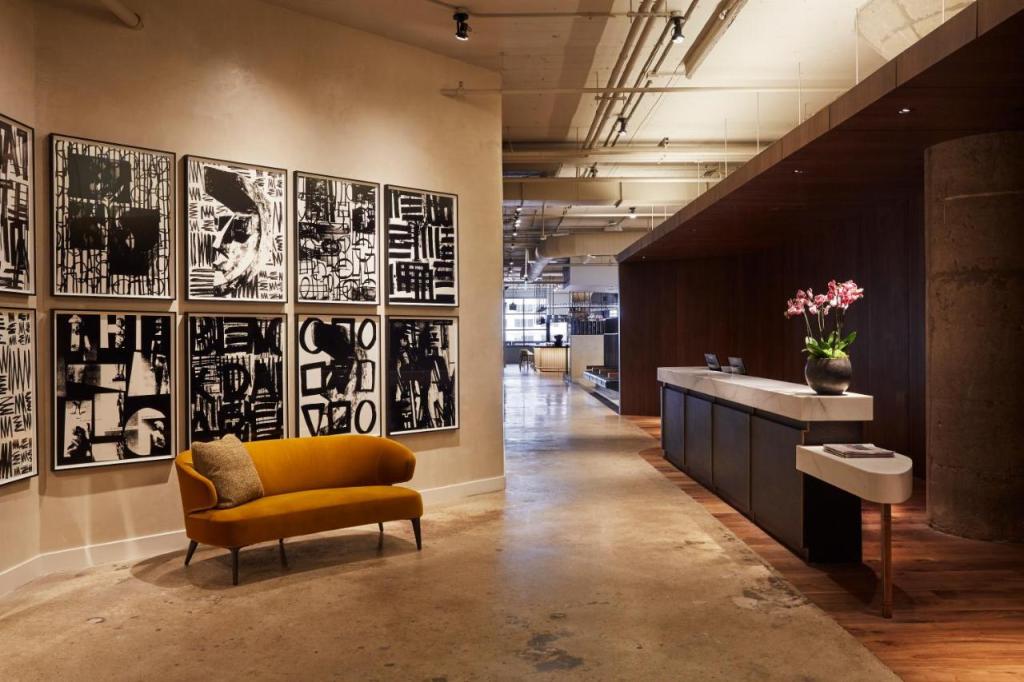
Beyond the branded luxury tier, Philadelphia has a growing number of independent and boutique properties housed in architecturally significant buildings, including converted banks, historic clubs, and 19th-century commercial structures. The best suites in these properties offer something the larger hotels rarely can: a direct spatial relationship with the city's history. High ceilings, original masonry, restored period detail, and bespoke interiors create an environment with genuine character rather than designed-to-formula luxury.
Philadelphia is also notable for the seriousness of its food and beverage culture. The city's dining scene has matured significantly over the past decade, and the best hotel restaurants here are destinations in their own right rather than afterthoughts. When selecting a suite, the quality of the property's culinary offering merits consideration as a substantive part of the overall experience.
How to choose the right suite in Philadelphia
The first decision is architectural: historic or contemporary. Philadelphia's strongest suit is precisely its layered architectural heritage, and travelers who are sensitive to spatial design will find the most distinctive experiences in properties that have preserved and adapted historic fabric rather than built from scratch.
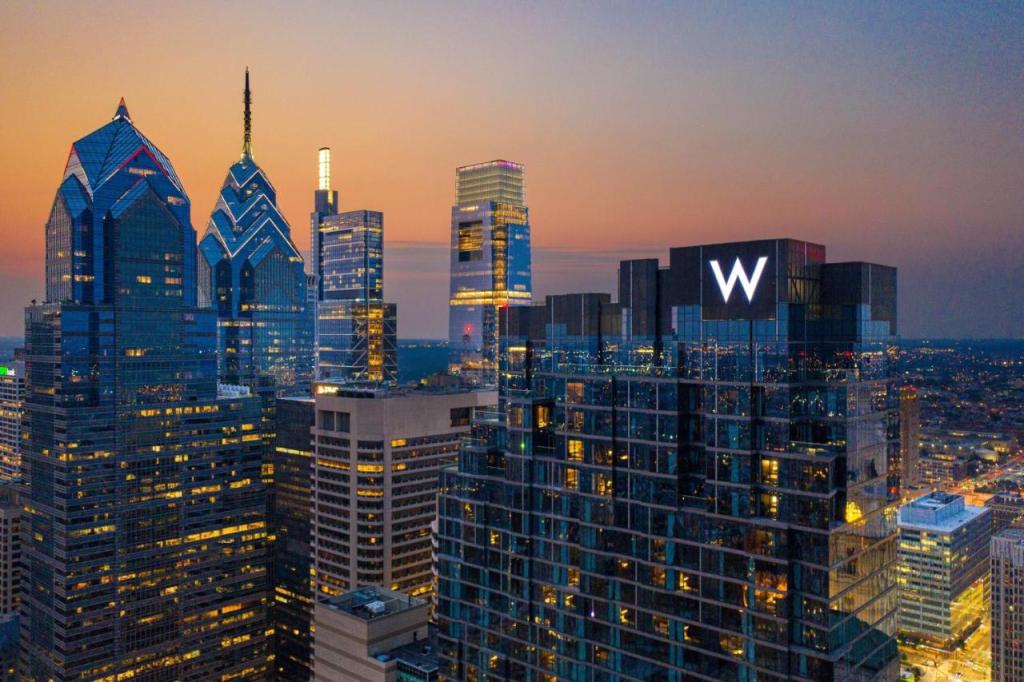
The second consideration is orientation and elevation. Philadelphia is a walkable, low-rise city by American standards, and upper-floor suites in taller Center City properties offer skyline perspectives that reveal the grid's logic and the Delaware River's presence to the east. Corner suites at this height provide the clearest compositional views.
For families or travelers requiring extended space, some of Philadelphia's finest properties offer multi-room suite configurations that function more like private residences. These are particularly well-suited for stays of several nights or more, where the quality of the living environment becomes as important as proximity to external programming.
Service philosophy varies considerably between properties. The large legacy hotels prioritize formality and comprehensive amenity provision. The independent boutique properties tend toward a more editorial, personally calibrated service model. Neither is categorically superior: the right choice depends on what the traveler is optimizing for.
Across North America, urban suite selection increasingly rewards travelers who look beyond the obvious headline properties and engage with the specific character of a city's architectural and cultural offer. Philadelphia is a strong case study in this approach.
Why a curated selection matters in Philadelphia
Philadelphia's hotel market is not as immediately legible as New York or Chicago. The city has fewer internationally recognized flagship properties, and the most compelling suite experiences are often found in properties that do not lead with aggressive visibility or marketing spend. This is precisely where curation adds value.
La Suite's editorial process for Philadelphia prioritizes spatial quality, architectural authenticity, service depth, and the kind of experiential detail that only becomes apparent once you are inside a property. Our curated selection is built to give the traveler immediate orientation in a market where the best choices are not always the most visible ones. Explore the La Suite curated selection for Philadelphia and approach the city with the same deliberateness you would bring to any serious travel decision.