Conrad Washington DC, Washington
Conrad Washington DC is located in downtown Washington DC. The property is located 2 blocks from Washington Convention Center, Capital One Arena, and two main metro stops, Metro Center and Gallery Pla

Washington, D.C. is a planned city in the truest sense. Pierre Charles L'Enfant's 18th-century grid of diagonal avenues, circles, and formal axes gives the capital a spatial logic that feels deliberate at every turn. For the high-end traveler, this structure matters: neighborhoods are distinct, distances are walkable in ways that few American cities allow, and the architectural vocabulary shifts sharply from one quadrant to the next. Choosing where to stay is therefore not incidental. It shapes the entire texture of the visit.
30 hotels available

Conrad Washington DC is located in downtown Washington DC. The property is located 2 blocks from Washington Convention Center, Capital One Arena, and two main metro stops, Metro Center and Gallery Pla

Located on the corner of 12th and K Streets NW in Downtown Washington, Eaton DC is blocks away from shopping, the Metro, and the Smithsonian. Every room features a floor-to-ceiling window, a flat-scr

Set in Washington, 0.9 mi from Phillips Collection, Fairmont Washington DC Gold Experience features a complimentary weekday breakfast and free WiFi. Guests can enjoy a drink at the bar or a meal in th

Comfortable Accommodations Hotel Washington in Washington offers family rooms with private bathrooms, air-conditioning, and city views. Each room includes a work desk, TV, and free WiFi. Exceptional F

This eco-friendly Washington, D.C. hotel features state-of-the-art amenities, on-site dining and rooms with a flat-screen TV. It is 1 mi from the White House. Guests can take advantage of the hotel’s

Located 2133 feet from the White House, JW Marriott Washington, DC offers rooms with a flat-screen TV. The rooms of JW Marriott Washington, DC have a modern interior. All rooms feature premium movie c

Comfortable Accommodations Kimpton Banneker Hotel by IHG in Washington offers spacious rooms with air-conditioning, private bathrooms, and city views. Guests enjoy amenities such as bathrobes, free Wi

Located 2461 feet from Walter E. Washington Convention Center, Kimpton Hotel Monaco Washington DC offers free WiFi. A flat-screen TV with cable offers entertainment options in all guest rooms at Kimpt

Comfortable Accommodations Lyle DC in Washington offers family rooms with air-conditioning, private bathrooms, and modern amenities. Each room includes a work desk, TV, and free WiFi. Dining a

Located in Washington, D.C.’s West End, this hotel features on-site fine dining and a relaxing spa room. The Kennedy Center for the Performing Arts is 0.6 mi away. Each guest room at the Park Hyatt Wa

Elegant Accommodations Pendry Washington DC - The Wharf in Washington offers luxurious rooms with air-conditioning, private bathrooms, and modern amenities. Guests enjoy free WiFi, mini-bars, and

Prime Location Riggs Washington DC is located in Washington, less than 0.6 mi from The National Mall and the National Gallery of Art. Nearby attractions include the Smithsonian National Air and Space

Centrally located in Georgetown just 10 minutes’ walk from Georgetown University, this hotel features a restaurant and rooftop bar. Each guest is pampered with personal assistant services. Guests of R

Located in Southwest Waterfront, Salamander Washington DC is 2395 feet from the L'Enfant Plaza Metro station. A full-service spa is available for a fee. Salamander Washington DC features 36,000 square

Located 1312 feet from the White House in Washington, D.C., this historic hotel features an on-site restaurant and lounge. All rooms feature a flat-screen TV with cable. The underground is 1969 feet a

The Darcy Hotel, Washington DC is a 10 minute walk (located 2953 feet) from the White House and 1.2 mi from The National Mall. The property features 24-hour room service, a fitness center, business se

This hotel is located at the top of Dupont Circle just minutes from the historical landmarks of Washington, D.C. The Dupont Circle Metro station is 394 feet away The rooms at The Dupont Circle Hotel a

Featuring a location overlooking the White House, this historic Washington, D.C. hotel offers gourmet on-site dining options and easy access to major attractions. The Hay-Adams hotel offers free WiFi,

With an established reputation as Washington, DC's most discerning hotel, just blocks from the White House and historic DC landmarks, The Jefferson is a 99-room luxury boutique hotel featuring an intr

Housed in a neoclassical 20th century church in Adams Morgan, LINE DC features 60-foot vaulted ceilings, millwork, brass detailing, and large copper entry doors. It is located 1.7 mi from Downtown Was
Hotels in the area, but in a neighbouring town.
The central business district and Penn Quarter form the city's most commercially dense corridor. Proximity to the National Portrait Gallery, the Shakespeare Theatre, and the major federal institutions makes this quadrant practical for travelers combining cultural appointments with professional ones. Hotels in this zone tend toward the grand civic scale, with lobbies that read more as public institutions than private sanctuaries.
Georgetown predates the federal city itself and retains a residential gravity that the rest of Washington rarely matches. Federal-era rowhouses, mature tree canopies, and the commercial restraint of M Street and Wisconsin Avenue create an atmosphere closer to a well-edited European quarter than a typical American neighborhood. Luxury properties here tend to be smaller, more architecturally specific, and oriented toward guests who prefer atmosphere over adjacency to monuments.
The stretch of Massachusetts Avenue known informally as Embassy Row concentrates diplomatic missions inside repurposed Gilded Age mansions. The surrounding Dupont Circle neighborhood offers some of the city's most architecturally intact residential blocks. Hotels in this corridor attract a guest who values character over convention, and the scale is more intimate than the downtown core.
Immediately west of the White House complex, this area offers direct access to the Kennedy Center and the Potomac waterfront. The profile here leans toward the established and the institutional. Larger properties with significant meeting and event infrastructure dominate, serving a clientele that includes heads of state, senior government officials, and major international delegations.
The capital operates on two distinct seasonal rhythms. The political calendar drives demand from September through May, when Congress is typically in session and the city's hotel inventory absorbs significant pressure from diplomatic visits, lobbying events, and policy conferences. Travelers seeking suite availability at peak properties should plan well in advance for this window.
Spring, specifically late March through mid-April, coincides with the National Cherry Blossom Festival. This period is among the most heavily booked in the city's calendar and commands a premium across all tier levels. Families and leisure travelers should note that this window brings the highest nightly rates of the year.
Summer sees an influx of domestic tourism, drawn by the Smithsonian museums and the open-air national memorials. Hotel rates moderate slightly relative to peak spring, and suite availability improves. Autumn is arguably the most composed period for the discerning traveler: the political season resumes but leisure crowds thin, the light is particularly favorable, and the city's park system is at its best.
Washington, D.C. does not have a formal national prestige classification equivalent to France's Palace designation. American hotel rating systems, including the Forbes Travel Guide star system and AAA Diamond ratings, provide the closest benchmarks for quality at the apex of the market. Forbes Five-Star properties in the capital represent the highest independently verified standard and are the appropriate reference point when assessing true top-tier product.
The city's finest suites reflect the capital's architectural duality: some occupy purpose-built properties from the early 20th century, with high ceilings, marble detailing, and a civic formality that mirrors the surrounding federal architecture. Others are housed in adaptive reuse projects, where historic structures including former apartment buildings and institutional properties have been converted into hotel product with significant design investment. Both typologies produce suites of genuine quality, though the experiential register is quite different.
Guests should expect suites at this level to offer dedicated reception areas, separate sleeping quarters, and meaningful views, whether over the capital's low-rise skyline, the Potomac River, or the Mall's open green corridors. Butler service, access to private dining arrangements, and in-suite meeting capability are standard at the upper end of the market.
The first consideration is purpose. Washington visits tend to be purposeful: political, diplomatic, cultural, or familial. Each calls for a different suite profile. A traveler attending a Kennedy Center season or a Smithsonian private event has different spatial and logistical requirements from one attending a Senate hearing or hosting a private dinner for a delegation.
The second consideration is architecture. Historic properties offer permanence and a sense of continuity with the city's institutional character. Contemporary properties, particularly those that have opened or been substantially renovated in the last decade, offer the design clarity and technical specification that a certain generation of traveler now expects as baseline.
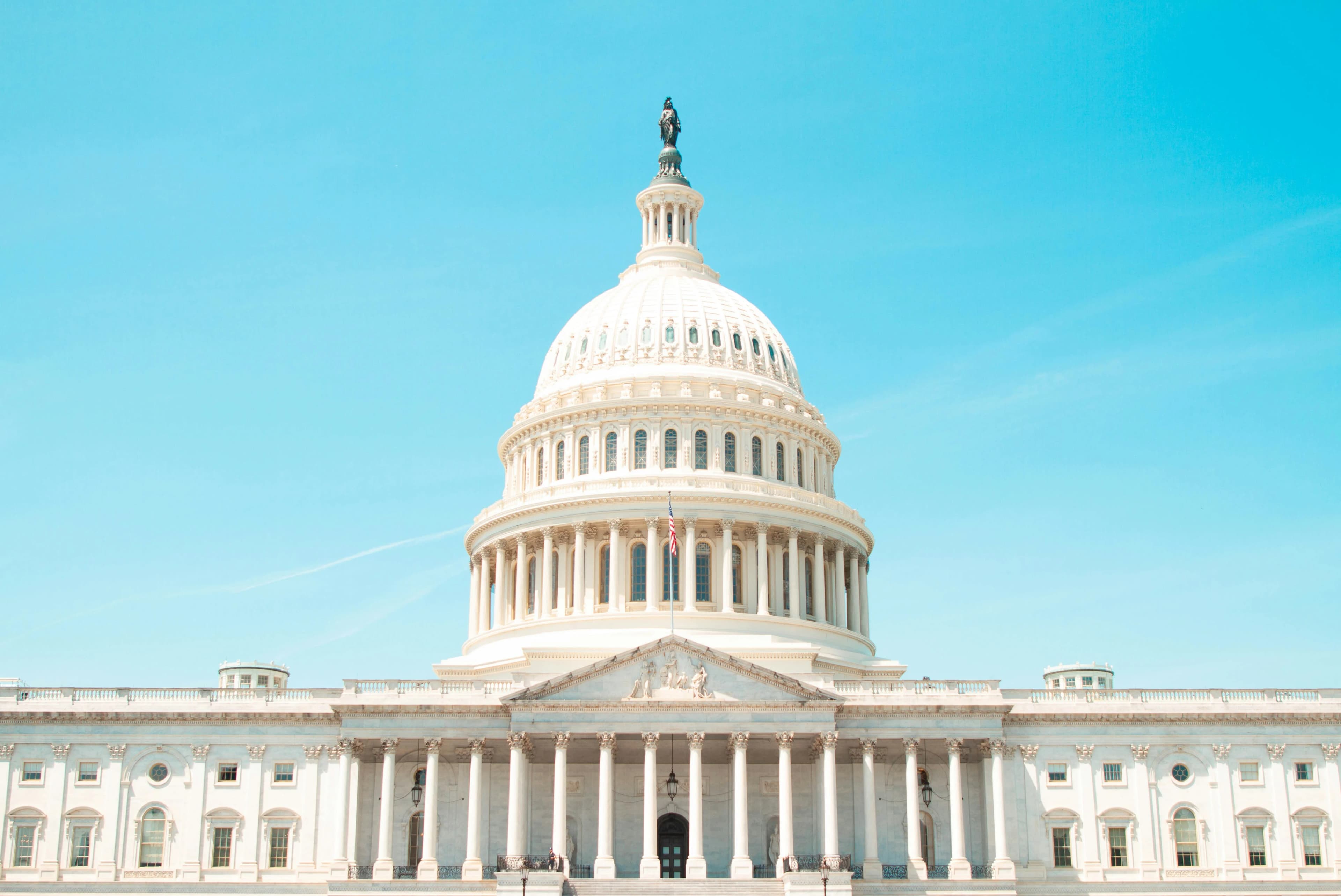
Location relative to primary appointments matters in a city where security protocols and motorcade activity can affect ground-level transit unpredictably. Staying within the central zone reduces exposure to those variables. View orientation is a more subjective consideration, though suites with direct sightlines to the Washington Monument or the Capitol dome command a premium that the market consistently supports.
Washington's hotel market is not large by the standards of New York or London, but it is stratified in ways that are not immediately legible from public-facing booking platforms. Rack rates and aggregator listings rarely convey the distinction between a suite that has been genuinely designed for a specific guest profile and one that simply occupies a larger footprint. The political and diplomatic character of the city means that a proportion of the best inventory is absorbed by long-term or relationship-based arrangements that never surface on open channels.
La Suite's curated selection focuses specifically on the properties and suite categories that meet the standards this audience requires: spatial quality, privacy infrastructure, service consistency, and architectural coherence. In a city where the wrong choice is not simply a comfort issue but potentially a professional one, that curation is not a convenience. It is the decision itself.

The most privacy-oriented luxury suites in Washington tend to be found in smaller boutique properties in Georgetown and the Dupont Circle corridor, as well as in Forbes Five-Star hotels with dedicated suite floors and private elevator access. Properties serving diplomatic and government clientele invest significantly in discretion infrastructure, including private entrances and restricted floor access. La Suite's curated selection prioritises exactly these criteria.
Autumn, from September through November, offers the most favorable conditions for booking high-end suites: political season demand has resumed but leisure crowds have largely cleared, and suite inventory at top properties is more accessible than during the spring peak. Late March and April, coinciding with the Cherry Blossom Festival and a compressed Congressional calendar, is the most competitive window and commands the highest nightly rates.
At the upper end of Washington's market, top-tier suites offer dedicated reception areas, separate sleeping and living quarters, and butler service as standard features. They typically provide meaningful city views, in-suite meeting capability, and direct access to the hotel's private dining arrangements. The gap between a standard junior suite and a genuine luxury suite product in this city is significant and not always apparent from photography alone.
Georgetown suits travelers prioritizing atmosphere, architectural character, and residential calm. The West End and Foggy Bottom area is preferred by those requiring proximity to the Kennedy Center or the White House complex. Downtown and the Penn Quarter provide the most direct access to federal cultural institutions. Each neighborhood produces a materially different daily experience from the same suite price point.
Yes, Washington, D.C. has properties that carry Forbes Travel Guide Five-Star recognition, which represents the highest independently audited standard in the American market. This designation requires properties to meet more than 900 service and quality criteria assessed through anonymous inspections. For travelers calibrating expectations at the apex of the market, Forbes Five-Star status is the most reliable public reference point.
At Forbes Five-Star properties and comparable luxury hotels in the capital, butler service typically includes unpacking and packing assistance, in-suite dining coordination, reservation management, and a dedicated point of contact for the duration of the stay. In a city where scheduling and discretion are priorities, a well-trained butler functions as a logistical partner rather than a purely hospitality-oriented role.
For the late March to mid-April Cherry Blossom Festival window, the most desirable suite inventory at top-tier properties is typically reserved three to six months in advance. The combination of high leisure demand and a compressed political calendar during this period means that last-minute availability at premium properties is genuinely scarce, particularly for multi-room suite configurations.
Washington's height restriction, which limits buildings to a maximum of 130 feet under the Height of Buildings Act of 1910, produces a low-rise skyline that affects suite views and hotel typology in ways unique among major American cities. Properties cannot compete on tower height, so prestige is expressed through architectural detail, interior quality, and the specificity of views across the city's formal open spaces and monumental corridors.
Washington is well suited to high-end family travel, particularly in summer when the Smithsonian Institution's network of free museums and the open national memorials create a rich cultural itinerary without logistical complexity. Top-tier suite configurations in the capital can accommodate families with connecting rooms or multi-bedroom layouts, and several properties offer dedicated concierge services for family-specific programming including private tours of federal institutions.
La Suite applies a consistent editorial and quality standard across its selection, focusing on spatial quality, service architecture, privacy infrastructure, and architectural coherence rather than relying solely on star ratings or brand affiliation. In Washington's relatively compact luxury market, this means identifying the specific suite categories within each property that genuinely meet the requirements of discerning travelers, rather than listing entire hotel inventories. The result is a selection built for decision-making, not browsing.