Where to stay in San Diego: districts and their luxury character
Downtown and the Gaslamp Quarter
The downtown waterfront is the city's most commercially dense luxury corridor. Hotels here occupy high floors above the harbor, offering direct sight lines to San Diego Bay and the Coronado Bridge. The Gaslamp Quarter, a 16-block historic district of Victorian commercial buildings, sits adjacent and provides walkable access to the city's dining and cultural programming. A luxury hotel suite in this zone suits the traveler who wants proximity to the convention center, the Embarcadero, and the USS Midway Museum without sacrificing elevation or privacy.
La Jolla
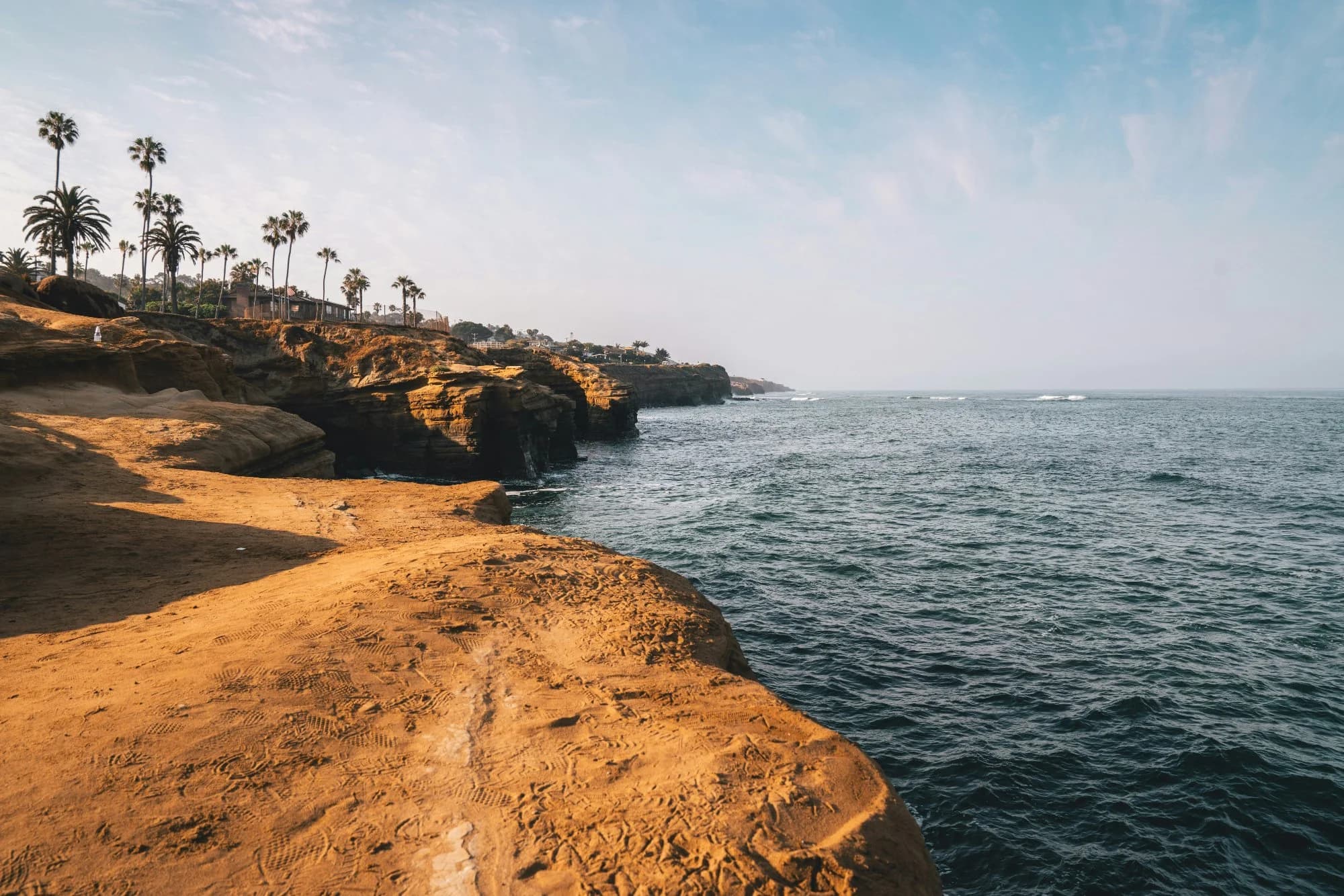
Thirteen miles north of downtown, La Jolla operates as a self-contained enclave of clifftop residences, galleries, and refined dining. The coastline here is geological rather than purely recreational: sea caves, sandstone bluffs, and protected cove beaches define the physical experience. Staying in a luxury suite in La Jolla means access to one of California's most architecturally serious coastal settings. The neighborhood's proximity to the Salk Institute and UC San Diego also makes it a natural base for travelers with academic or cultural interests.
Coronado Island
Connected to downtown by the iconic arched bridge, Coronado offers a deliberately paced alternative to the urban core. The island's wide beach, low-rise residential streets, and historic hotel stock create a setting closer to a Pacific resort town than a city neighborhood. Suites here tend toward the classic American resort format: ocean-facing, spacious, and designed for extended stays. The lack of high-rise development keeps the skyline clear and the atmosphere unhurried.
Mission Bay and Pacific Beach
This zone is defined by its relationship to the water. Mission Bay is an engineered aquatic park surrounded by hotels, and Pacific Beach sits directly on the open Pacific. The scale here is horizontal rather than vertical. Luxury suites in this area tend to emphasize terrace space, marina or ocean views, and proximity to recreational water access. This is the appropriate base for travelers whose itinerary centers on sailing, paddleboarding, or simply watching the Pacific from a private outdoor space.
When to visit San Diego for a luxury suite stay
San Diego's climate is among the most stable of any major American city. Average temperatures along the coast remain between 57 and 77 degrees Fahrenheit year-round, which means the concept of a single optimal season is less relevant here than in most destinations. That said, specific periods carry distinct advantages.
Late spring and early summer bring the coastal phenomenon locally known as May Gray and June Gloom, when morning marine layer keeps the coast overcast until midday. This period is actually ideal for travelers who prefer a quieter city: hotel rates are frequently lower, and the afternoons clear reliably. July through September delivers the clearest skies and the city's peak cultural calendar, including the San Diego Comic-Con in July, which fills the convention center district and affects suite availability significantly. Travelers should plan well in advance if their dates overlap with Comic-Con weekend.
October and November are arguably the most comfortable months, with warm dry air, reduced crowds, and strong suite availability at competitive positioning. December through February brings the gray whale migration season off the Point Loma coast, which adds a specific natural event to the coastal itinerary.
Local luxury standards: what defines a high-end suite in San Diego
California does not operate a formal state-level hotel classification system equivalent to France's Palace designation. In practice, the top tier of San Diego's hotel market is defined by a combination of Forbes Travel Guide ratings, AAA Five Diamond assessments, and the physical quality of the property itself.
San Diego's luxury hotel stock is a mix of historic resort properties, contemporary waterfront towers, and boutique hotels within adaptive reuse buildings. The historic resort format, best represented on Coronado and in Mission Hills, typically offers larger suite footprints with separate living rooms, formal dining areas, and outdoor terraces. Contemporary downtown properties tend toward a more architectural aesthetic: floor-to-ceiling glass, integrated technology, and curated art installations in the room.
Service standards at the top end reflect California's service culture: attentive but not formal, personalized without being intrusive. The expectation at a five-star San Diego property is that the suite itself carries the experience, supported by staff who operate with restraint and efficiency. In-suite amenities at this level typically include custom California-sourced bath products, access to private club floors or dedicated concierge lines, and direct coordination with the hotel's culinary team for in-room dining.
How to choose the right luxury suite in San Diego
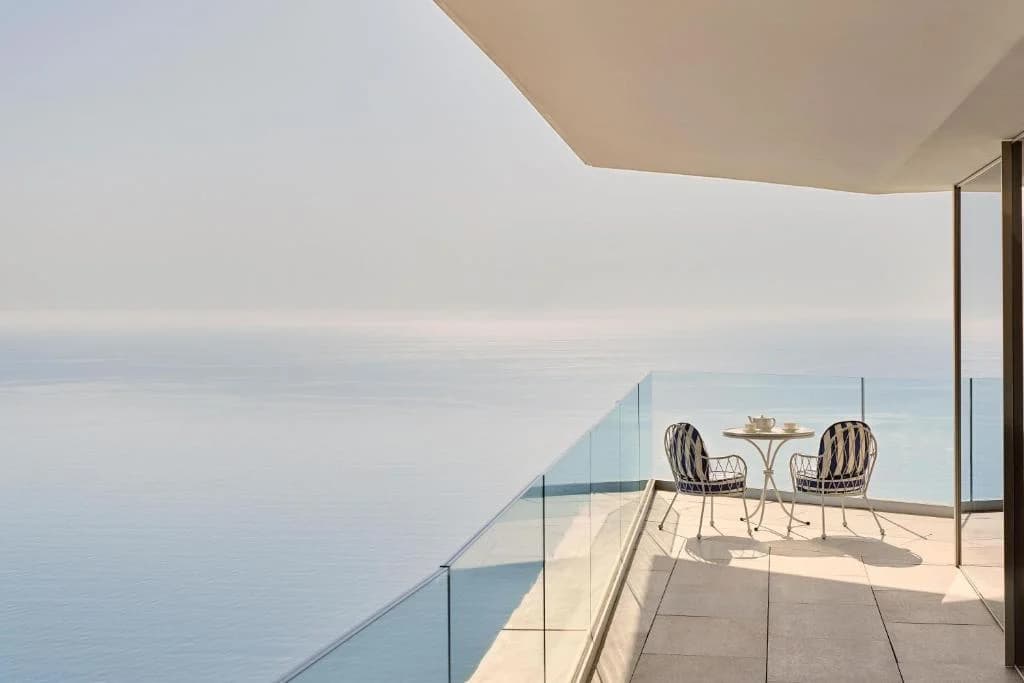
The central variable in selecting a luxury suite in San Diego is orientation: ocean-facing, bay-facing, or city-facing rooms offer fundamentally different visual and atmospheric experiences. Ocean-facing suites on the coast deliver direct Pacific exposure, including sound, light, and air quality that shift with the tides and wind. Bay-facing suites downtown offer calmer water views with the Coronado Bridge as a compositional element, particularly at night. City-facing suites in downtown towers are appropriate for travelers whose primary interest is the urban cultural program rather than the water.
A second consideration is architecture. San Diego has a strong Spanish Colonial Revival heritage, visible in Balboa Park, Old Town, and several historic hotel properties. Travelers who value historical architectural context will find this vernacular more present in older hotel stock than in the contemporary waterfront buildings, which follow a generic international luxury aesthetic. Both are valid choices, but they represent different sensory environments.
Floor height matters more in San Diego than in many cities because the urban landscape is relatively low-rise outside of downtown. A suite on the upper floors of a downtown tower can deliver unobstructed 180-degree views from Point Loma to Coronado. In lower-density neighborhoods like La Jolla, the equivalent premium comes from cliff-edge positioning rather than elevation above surrounding buildings.
Why a curated selection by La Suite improves the decision process in San Diego
San Diego's hotel market spans a wide range of properties that use the language of luxury without consistently delivering it at the suite level. The city's tourism infrastructure is large, and the marketing presentation of many properties is not always differentiated from the actual guest experience. La Suite applies a consistent editorial standard to every suite in its selection: spatial quality, service architecture, design coherence, and the specific character of the views and outdoor spaces.
For travelers visiting San Diego without local knowledge, the distinction between a genuinely exceptional suite and a premium-priced standard room with a partial ocean view is not always legible from a hotel's own website. La Suite's curation resolves that ambiguity. The result is a selection of properties where the suite itself, rather than the hotel brand, is the primary consideration. This is particularly relevant in a city where the best physical experiences are often delivered by properties that do not carry the most recognizable international brand flags.