Where to stay in Santa Barbara for a luxury suite experience
The waterfront and Stearns Wharf corridor
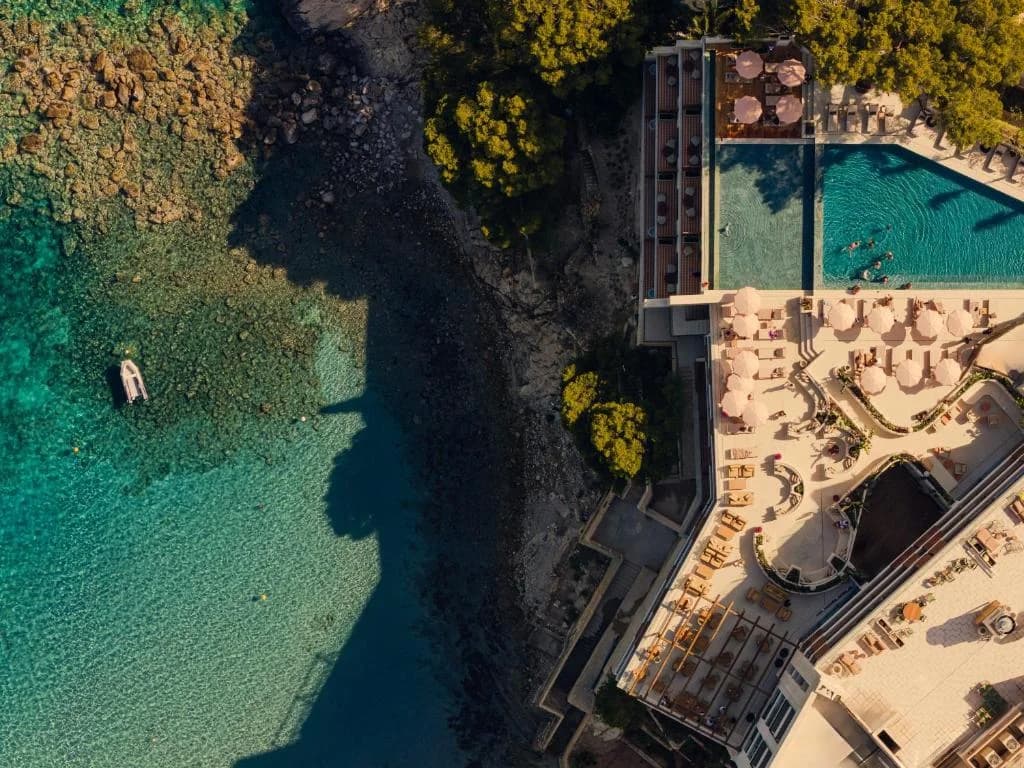
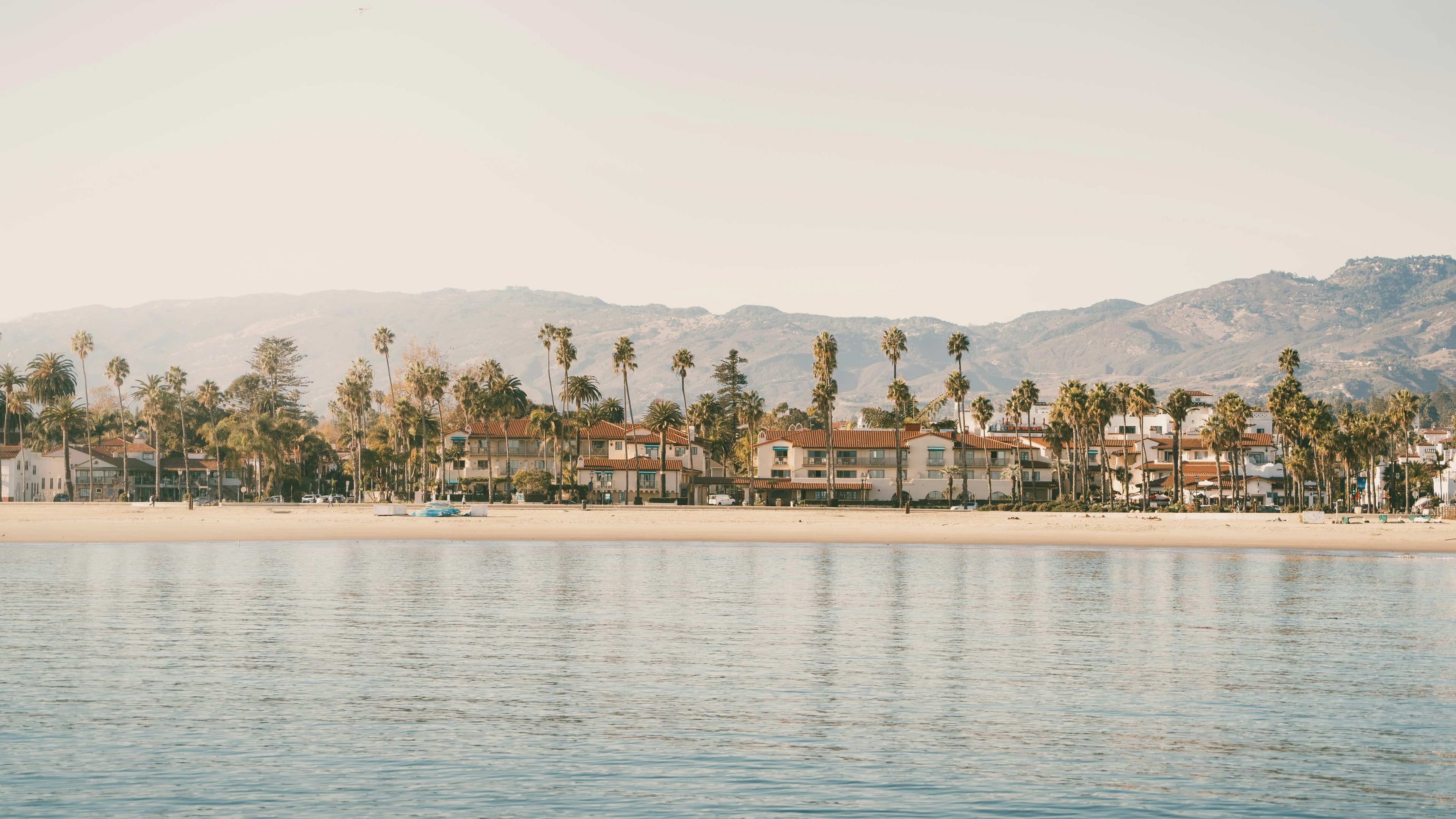
Properties positioned along Cabrillo Boulevard and the lower State Street approach occupy the most direct relationship with the Pacific. Suite guests here work with panoramic ocean sightlines, salt air, and proximity to East Beach, one of the cleaner urban beaches on the California coast. The urban energy here is measured rather than frenetic, making it well suited to longer stays where morning walks and evening returns become ritual.
The upper State Street and Riviera districts
Moving inland and uphill, the residential Riviera district and the properties near the Santa Barbara Mission offer a different proposition: elevation, garden quiet, and views back over the city toward the water. Suites in this zone often occupy historic buildings or Mediterranean-revival structures, and the architectural coherence of the surroundings reinforces the sense of deliberate retreat.
Montecito
Immediately adjacent to Santa Barbara's eastern edge, Montecito functions as a separate township with its own microclimate and social register. It is one of the most consistently affluent residential communities on the West Coast, home to an unusually dense concentration of high-net-worth households. Luxury hotel properties here tend toward the resort format, with significant grounds, spa infrastructure, and the kind of spatial generosity that urban sites cannot replicate. For travelers whose priority is maximum privacy and property scale, Montecito is the correct orientation.
When to visit Santa Barbara
Santa Barbara's climate is genuinely temperate. The city averages roughly 300 days of sunshine per year, and the mountains provide a natural buffer against the thermal extremes common elsewhere in Southern California. That said, the experience of the city shifts across the calendar in ways that matter to luxury travelers.
Spring (March through May) brings the most reliable combination of mild temperatures, low humidity, and full bloom in the botanical gardens and private estates. Summer draws significant domestic tourism, particularly in July and August, which creates pressure on suite inventory and elevates rates at the better properties. Travelers with flexibility should note that early June and late September offer comparable weather with materially reduced competition for preferred accommodations.
The Santa Barbara International Film Festival, held in late January and early February, attracts a culturally engaged crowd and creates a specific hospitality pulse around the downtown corridor. The Santa Barbara Wine Festival and the I Madonnari Italian Street Painting Festival are summer anchors that bring a different texture to the city. For those whose primary interest is wine country access, harvest season in the Santa Ynez Valley (September through October) is the logical window, when the vineyards are in active production and tastings carry an immediacy that off-season visits cannot replicate.
Local luxury standards: what defines a high-end suite in Santa Barbara
California does not operate a formal hotel classification system equivalent to France's Palace designation or Italy's Leading Hotels framework, but the luxury tier in Santa Barbara is legible by a different set of markers.
The dominant architectural language is Spanish Colonial Revival, codified by city ordinance following the 1925 earthquake that destroyed much of downtown. The best luxury hotels here work with that vocabulary rather than against it: arched corridors, Saltillo tile, hand-plastered walls, and interior courtyard gardens that create acoustic separation from the street. Suites that sit within historically coherent buildings offer a spatial experience that is specific to this city and unavailable elsewhere on the California coast.
At the resort scale, particularly in Montecito, the standard shifts toward acreage, butler-level service, multiple food and beverage programs, and spa facilities that operate at a destination wellness level. These properties attract guests who are not simply visiting Santa Barbara but are largely staying within the resort ecosystem for the duration of their trip.
The most discerning travelers will look for suites that combine indoor-outdoor flow (a climatic reality in Santa Barbara, not a marketing phrase), material finishes that read as regional rather than generic luxury hotel vernacular, and service that does not require management.
How to choose the best luxury suite in Santa Barbara
Several practical considerations shape the decision process specific to this market.
First, orientation matters. West-facing suites capture the late afternoon Pacific light and sunset sightlines. North-facing rooms look toward the mountains and the Mission. The choice between water and mountain orientation is genuinely consequential and worth specifying at the point of inquiry.
Second, the distinction between in-city and Montecito properties is more than geographic. An in-city suite places you within walking distance of State Street, the courthouse, the museum, and the restaurant corridor. A Montecito resort requires a car for most excursions but provides a quality of physical environment that central Santa Barbara properties cannot match. Clarifying whether you want a city-integrated stay or a compound-style retreat should precede any other filtering.
Third, seasonal pricing in Santa Barbara is steep and compressed. The gap between shoulder and peak rates at the better properties can be significant, and suite inventory at the top tier is limited. Travelers whose schedules permit flexibility of two to three weeks around their ideal dates will access better availability and more favorable terms.
Fourth, many of the finest properties in this market have outdoor components (private terraces, plunge pools, garden access) that are integral to the suite experience. Reviewing floor plans and suite orientation before committing is standard practice for this level of travel.
Why curated selection matters in Santa Barbara
Santa Barbara has a relatively small luxury hotel inventory compared to Los Angeles or San Francisco, but the range in actual quality within that inventory is wider than the price points alone would suggest. Properties at similar rate levels can differ substantially in suite square footage, architectural character, service model, and physical proximity to the experiences that define the city.
La Suite's curated selection for Santa Barbara is built on direct assessment criteria: suite dimensions, material quality, service infrastructure, and the coherence between what a property presents and what it actually delivers. For a market this specific and this compressed in inventory, curation removes the interpretive work and surfaces the suites that perform at the level the price commands.