Understanding Santa Cruz as a luxury destination
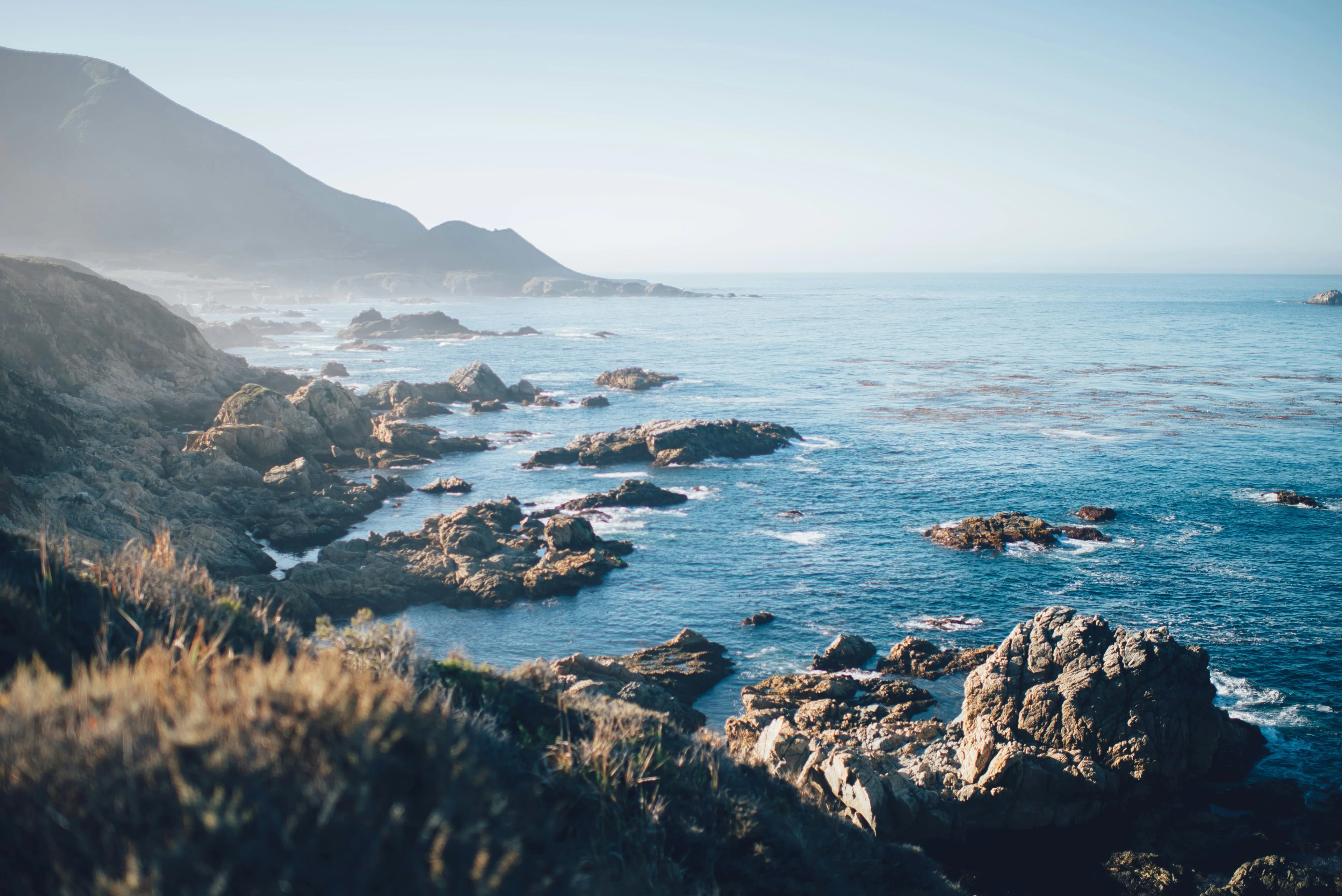
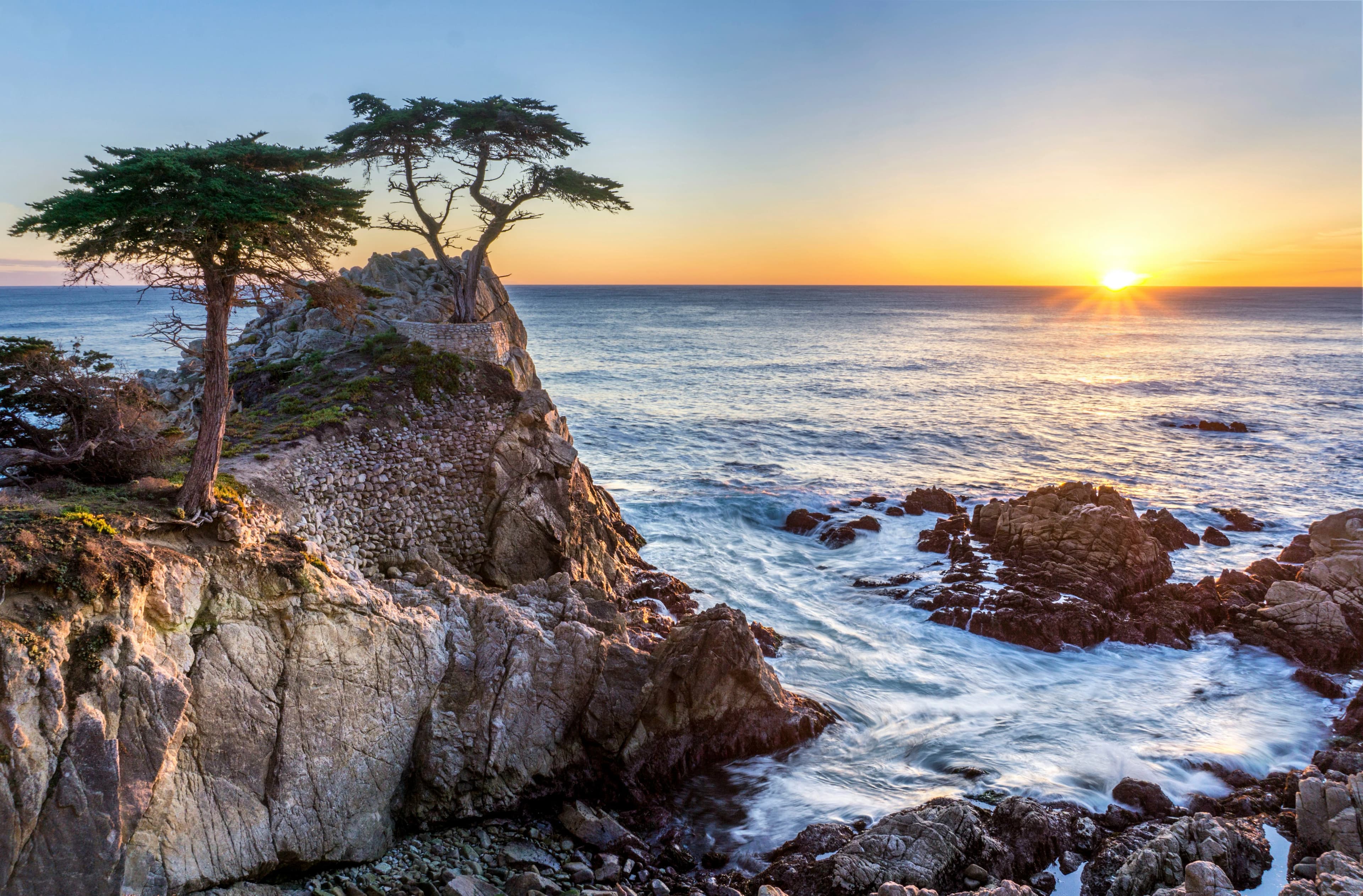
This combination creates a luxury profile that is understated rather than performative. Guests who come here are not looking for a scene. They are looking for coastal air, physical space, and proximity to landscapes that remain largely intact. A luxury hotel suite in Santa Cruz should reflect that orientation: generous natural light, materials that reference the surrounding environment, and access to outdoor experience without friction.
Key areas to consider when choosing where to stay
The West Side and the coastline
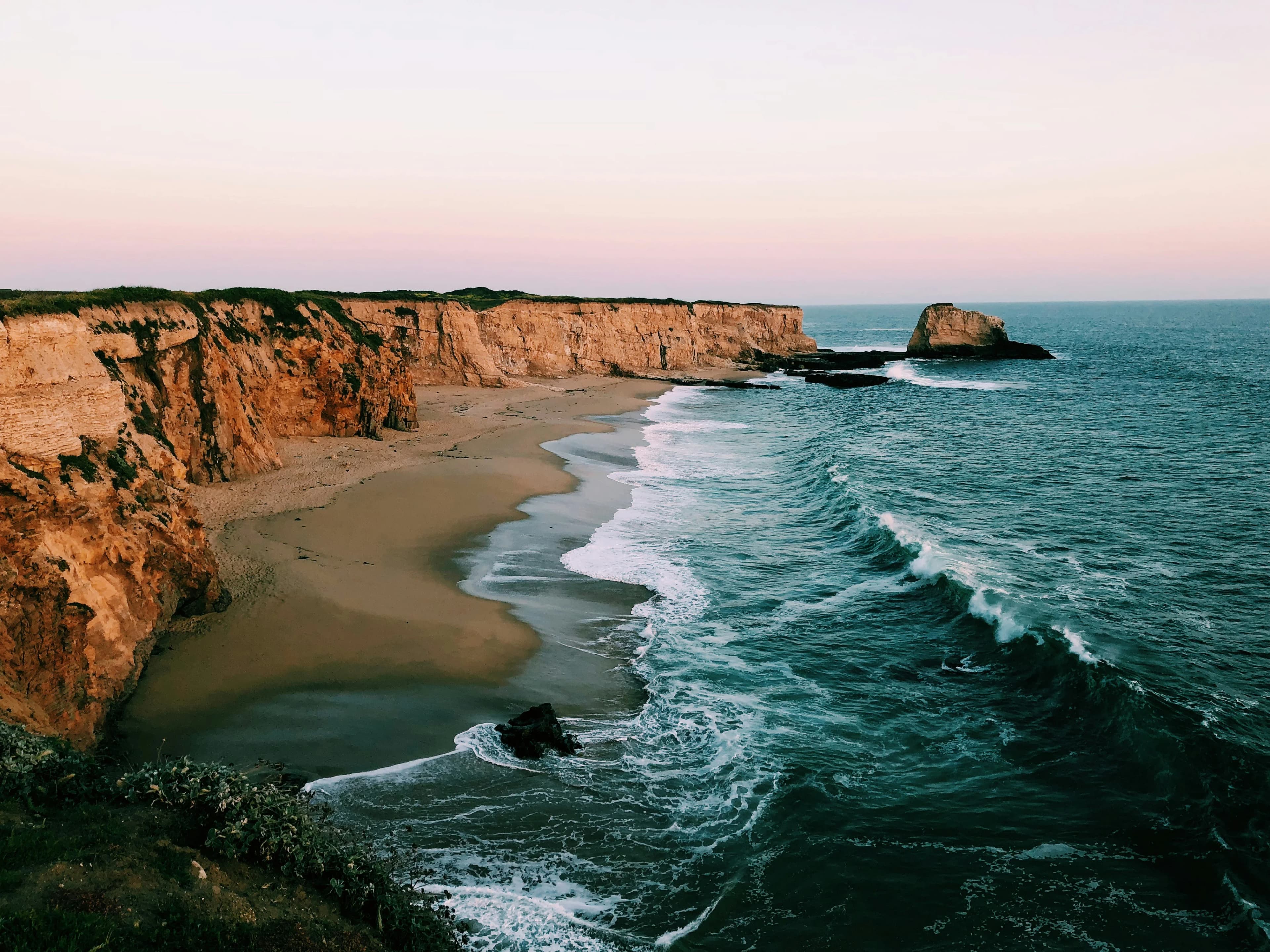
The western edge of Santa Cruz, between Natural Bridges State Beach and the downtown core, offers the closest proximity to open water and the best exposure to the Pacific. Properties here benefit from prevailing west-facing light and direct access to coastal walking routes. For travelers who want to begin and end the day at the water's edge, this corridor is the most logical choice.
The Santa Cruz Mountains foothills
Moving inland and upward, the foothills of the Santa Cruz Mountains provide a different register entirely. The redwood canopy here is dense and the thermal contrast with the coast is significant. This is the corridor that connects Santa Cruz to the wine-producing areas of the Santa Cruz Mountains AVA, a small but serious American Viticultural Area producing Pinot Noir and Chardonnay that rarely leaves the region. Stays in this zone offer privacy, altitude, and a sensory quiet that the coastline cannot match.
Capitola and the Soquel corridor
Immediately south and east of the city, the village of Capitola and the Soquel Creek corridor represent a more residential, village-scaled version of the Santa Cruz experience. The pace here is slower, the architecture more varied, and the access to local farm markets and artisan producers is excellent. Travelers who prioritise culinary engagement tend to find this area particularly rewarding.
When to visit Santa Cruz for a luxury stay
The California coast operates on a climate logic that is counterintuitive to many visitors. Summer, particularly June and early July, is frequently overcast along the Santa Cruz coastline due to the marine layer phenomenon known locally as June Gloom. The clearest, warmest days in Santa Cruz typically arrive between late August and November, when the marine layer retreats, daytime temperatures rise into the low-to-mid 70s Fahrenheit, and the light takes on a quality that is distinctive to this part of the Pacific coast.
Spring, from March through May, offers a different appeal: the hills are green, wildflowers are active across the coastal bluffs, and the redwood groves hold moisture that creates a particular atmospheric density. For travelers whose priority is landscape rather than beach weather, spring represents an underappreciated window.
The Santa Cruz Mountains harvest season, running from September through October, aligns well with visits oriented around wine and agriculture. Several small producers in this AVA open their cellars during harvest, and the region's farm-to-table culinary culture is at its most engaged during this period.
Local luxury standards: what to expect from top-tier accommodation here
California does not operate a formal prestige classification system equivalent to the French Palace designation or the Italian Relais and Chateaux framework. Quality is instead assessed through a combination of Forbes Travel Guide ratings, Michelin recognition (extended to hotels in California in recent years), and the reputation of independent curators who track properties against international benchmarks.
In Santa Cruz specifically, the luxury hotel landscape is more intimate than in larger California cities. The most considered properties tend to be boutique in scale, with a strong emphasis on landscape integration, locally sourced material palettes, and programming that connects guests to the region's agricultural and natural assets. Expect suites to prioritise outdoor access, whether through private terraces, direct garden connections, or proximity to trail networks, over urban amenities such as large conference facilities or high-volume dining.
Service in the finest Santa Cruz properties mirrors the culture of the region: knowledgeable, direct, and unpretentious. Staff at this level of property will have genuine familiarity with local wine producers, surf conditions by beach, and the schedules of the region's best farmers markets.
How to choose the right luxury suite in Santa Cruz
The first variable to resolve is the landscape relationship you want. A suite positioned on the coastal bluff delivers ocean sound and marine light but relatively little privacy from adjacent trails. A property set back into the redwood hills offers complete acoustic isolation and dramatic canopy views but requires a short drive to reach the water. Neither is superior; they serve different travel intentions.
The second variable is architectural register. Santa Cruz has examples of mid-century California modernism, craftsman-influenced lodge architecture, and contemporary builds that use reclaimed wood and passive solar orientation. Travelers with strong design sensibilities should look carefully at the material palette and spatial logic of a suite before committing, not merely at the room category or square footage.
A third consideration is access to the Santa Cruz Mountains wine country. If vineyard visits and cellar tastings are part of the itinerary, proximity to Highway 9 and the towns of Felton and Boulder Creek meaningfully reduces friction. Some properties in this corridor maintain direct relationships with local producers and can arrange private access that is not available to walk-in visitors.
Why a curated selection by La Suite matters in this region
The luxury accommodation market in Santa Cruz is small enough that the distinction between a genuinely exceptional property and a well-marketed average one is not always visible from standard booking platforms. Room categories can be misleading, photography can flatten the spatial reality of a suite, and the difference between a property with genuine design integrity and one that has applied cosmetic upgrades to existing infrastructure requires on-the-ground knowledge to detect.
La Suite approaches curation in Santa Cruz, and across North America more broadly, through direct assessment of architectural quality, service depth, and the coherence between a property's positioning and its actual guest experience. The platform exists precisely for destinations where the noise-to-signal ratio on conventional booking tools is too high to navigate efficiently. For travelers arriving in Santa Cruz with limited time and high standards, a curated selection by La Suite removes the research burden and eliminates the risk of a misaligned choice.