The distinct neighborhoods of Seattle and where luxury stays
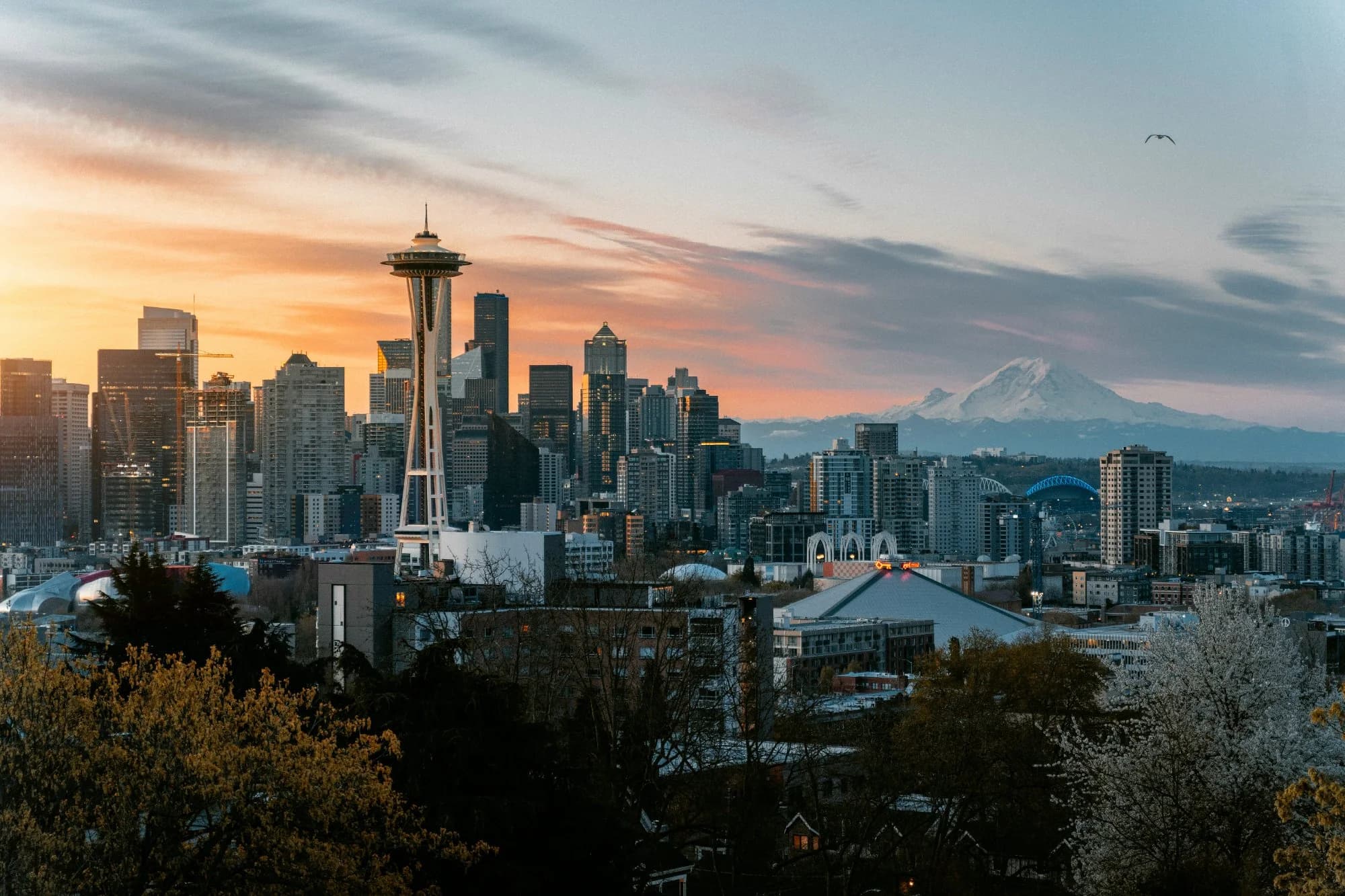
Downtown and the Waterfront corridor remain the gravitational center of high-end hospitality. Properties here place guests within reach of the Seattle Art Museum, the Pike Place Market, and direct sightlines to Elliott Bay. For travelers whose priority is cultural access and ease of movement, this zone offers the highest concentration of full-service luxury hotels.
South Lake Union, reshaped over the past two decades by the technology sector, reflects a different sensibility entirely. Its hospitality offering tends toward the architectural and contemporary, drawing guests who appreciate design-forward interiors and a proximity to the city's commercial energy without sacrificing quiet.
First Hill and Capitol Hill occupy elevated ground and attract a more culturally specific traveler, one drawn to independent galleries, James Beard-recognized restaurants, and the ambient seriousness of neighborhoods that have not been fully absorbed by tourism. Luxury hotel options here are fewer but notably considered.
Belltown, directly north of downtown, sits at the intersection of Seattle's music history and its current restaurant density. For travelers whose evenings matter as much as their mornings, a suite in this district offers immediate access to one of the more active dining corridors in the Pacific Northwest.
When to visit Seattle for a luxury hotel stay
Seattle's climate is frequently misrepresented. The city receives far less annual rainfall than cities such as New York or Miami, but its overcast character from November through March creates a particular atmosphere that some travelers find genuinely appealing, particularly those seeking interior calm and unhurried access to museums, restaurants, and the indoor market culture of Pike Place.
Late spring, from May through June, marks the transition into the city's most temperate period. Hotel availability remains relatively strong before the peak summer surge, making this the optimal window for travelers who prioritize both access and suite-level occupancy. July and August bring consistent dry weather, the Seattle International Film Festival's extended programming, and peak demand across the luxury hotel tier.
September into early October offers what many consider Seattle's most balanced travel conditions: clear skies, cooling temperatures, and a cultural calendar that includes the Bumbershoot arts and music festival, the Seattle Design Festival, and a generally unhurried pace compared to mid-summer. Suite rates often reflect this transition downward in late September, creating one of the more favorable booking windows of the year.
Understanding luxury standards in Seattle's hotel market
The United States does not operate under the formal palace designation system used in France, nor the ryokan classification framework found in Japan. American luxury hotel standards are largely governed by Forbes Travel Guide ratings and AAA Diamond designations, both of which apply objective, inspection-based criteria covering service consistency, physical infrastructure, and amenity depth.
In Seattle, the upper tier of the hotel market skews toward what industry observers characterize as Pacific Northwest restraint: natural materials, muted palettes, and a service approach that prizes discretion over performance. This is not the chandeliered formality of a European grand hotel. It is precision in a different register, where the thread count of a suite's linen and the quality of the in-room coffee program carry as much weight as the lobby's architectural statement.
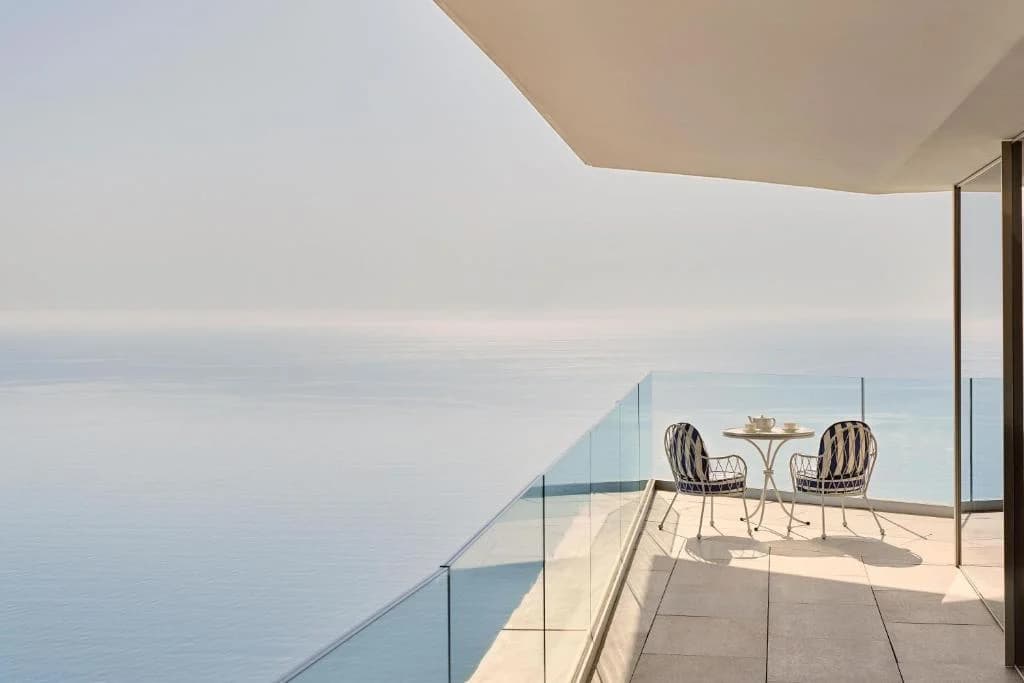
Penthouse suites and corner suites with water views command significant premiums, particularly those with direct visual access to the Olympic Mountains or the bay. Travelers should note that Seattle's hillside geography means that view quality varies considerably even within a single property, making suite selection a more nuanced decision than in flatter urban markets.
How to choose the best luxury suite in Seattle
The first consideration is orientation. In a city where the relationship between interior space and exterior landscape defines much of the luxury proposition, a suite's view angle matters materially. North and west-facing suites tend to capture the bay and mountain sightlines that distinguish Seattle from other American cities. East-facing suites look toward Capitol Hill and the Cascades, a compelling visual but a different character entirely.
The second consideration is architectural context. Seattle's luxury hotel stock includes both purpose-built contemporary towers and properties developed within historic commercial buildings. Travelers who value ceiling height, pre-war detail, and the specific texture of adaptive reuse will find different properties appropriate than those who prioritize floor-to-ceiling glazing and contemporary furniture programs.
Service model is the third variable. Full-service properties with dedicated butler programs, in-suite dining, and 24-hour concierge access represent one end of the spectrum. Some of Seattle's more design-focused boutique properties offer a lighter, more autonomous service model that appeals to travelers who prefer privacy over attended service.
Finally, consider proximity to the waterfront versus elevation. Street-level and low-floor suites near the waterfront carry ambient noise from the ferry terminals and the Pike Place Market area. Elevated suites in mid-rise and high-rise properties trade some of that immediacy for quiet and panoramic reach.
Why a curated selection by La Suite matters in Seattle
Seattle's luxury hotel market is neither as deep nor as extensively documented as markets in New York, London, or Paris. The city's relative scale means that the number of properties genuinely operating at the suite level of international luxury standards is limited, and differentiating between them requires a granular understanding of room typology, view quality, and service infrastructure that generic booking platforms do not provide.
La Suite approaches this market with editorial discipline. Every property in the curated selection has been assessed against consistent criteria: suite-specific amenities, architectural quality, service consistency, and the degree to which a stay in that property actually reflects the character of Seattle rather than a generic luxury hotel template transposed onto a Pacific Northwest address.
For travelers arriving in Seattle on business, for extended family travel, or for those making the city a base for Pacific Northwest exploration that extends toward the Olympic Peninsula or Puget Sound's island geography, the precision of a curated selection reduces decision friction significantly. The properties La Suite identifies are those where the suite itself becomes a reason to be in Seattle, not merely a place to sleep between activities.