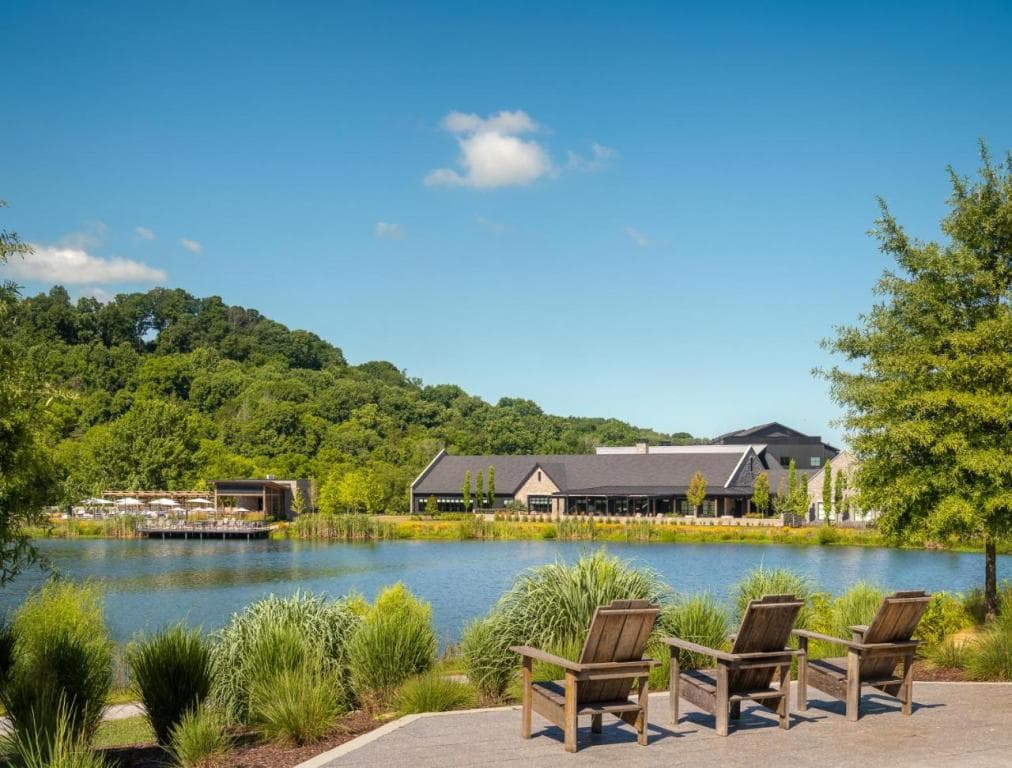
Where to stay in Tennessee for a luxury suite experience
East Tennessee and the Smoky Mountains
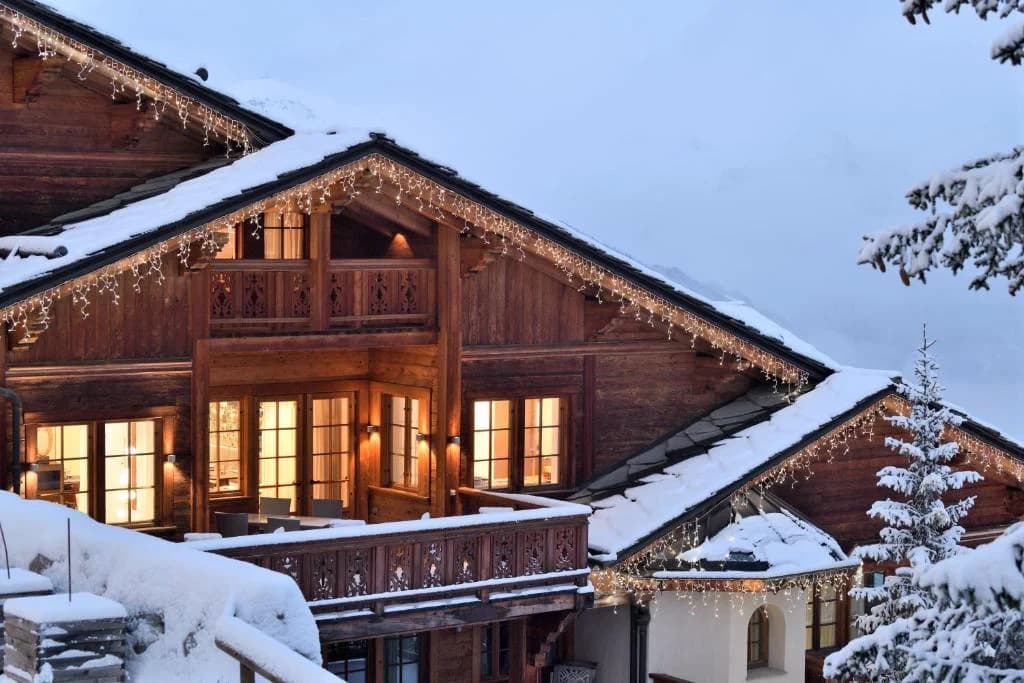
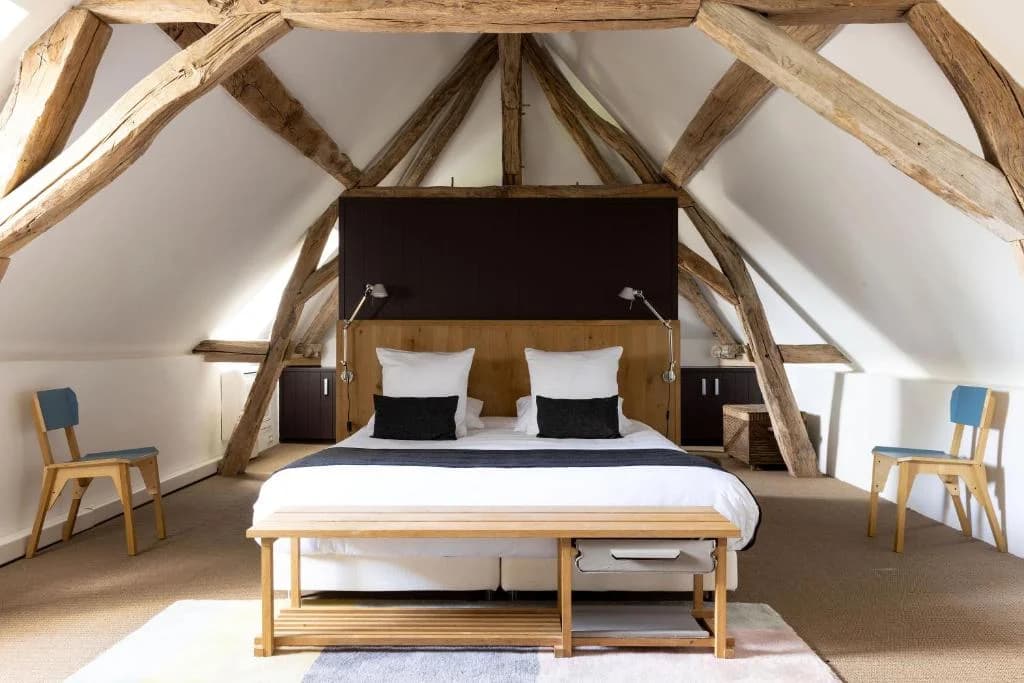
The eastern reaches of the state are defined by the Blue Ridge escarpment and the Great Smoky Mountains National Park, the most visited national park in the United States. The landscape here is dense, green, and atmospheric in a way that favors intimate, architecturally considered properties over large convention hotels. Luxury suites in this corridor tend to prioritize privacy, natural sightlines, and tactile materials drawn from the local environment: exposed timber, stone, and hand-fired ceramics. The towns of Gatlinburg and Sevierville serve as gateways, but the most discerning properties position themselves at a deliberate remove from commercial corridors.
Middle Tennessee and the Nashville basin
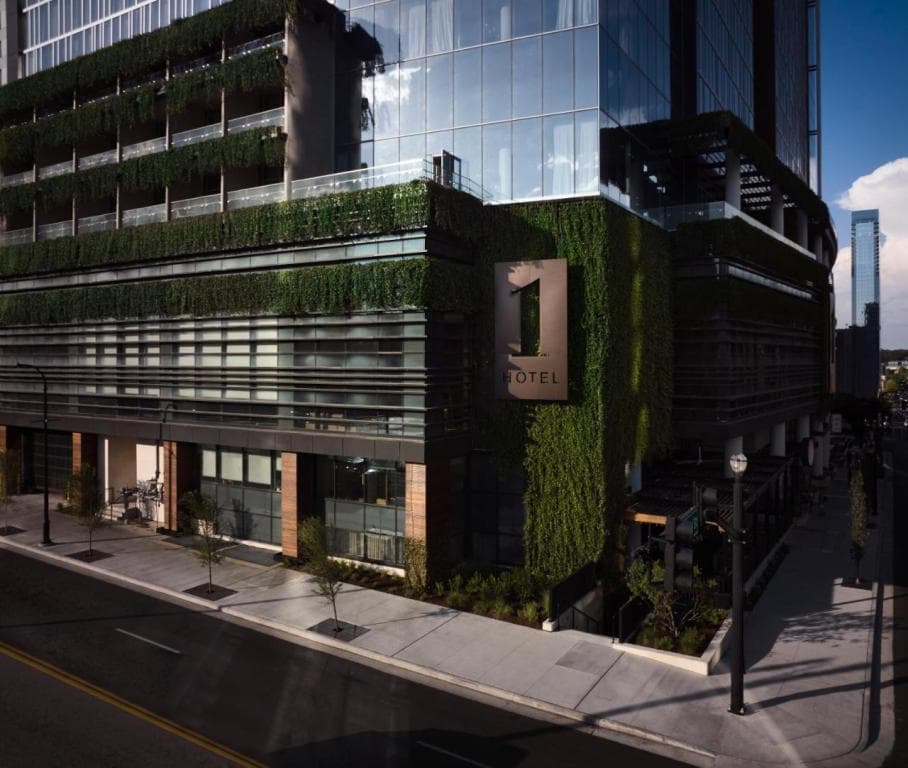
The central basin surrounding Nashville has become one of the most closely watched hospitality markets in the American South. The city's transformation over the past decade has attracted serious investment in hotel design and programming, resulting in a layered market that now includes properties with genuine architectural ambition. Suites in this zone tend to reflect the tension between Nashville's heritage vernacular and its aspirations toward contemporary design. The surrounding countryside, including the rolling pastures of Williamson County and the antebellum landscape of Franklin, offers a counterpoint for travelers seeking space beyond the city limits.
West Tennessee and the Mississippi Delta edge
West Tennessee is flatter, quieter, and less trafficked by luxury travelers, which makes it all the more interesting for those who approach the region with curiosity. Memphis anchors this zone with a cultural density that ranges from Beale Street's blues tradition to the civil rights history documented at the National Civil Rights Museum. Suite-level accommodation here tends to be found in historically significant properties, where the architecture itself carries narrative weight.
When to visit Tennessee for the best suite availability
Tennessee operates on a four-season calendar with meaningful variation across its geography. Spring, from late March through May, delivers ideal conditions across the state: temperatures remain moderate, the Smoky Mountains emerge from winter dormancy with dramatic wildflower blooms, and Nashville's event calendar begins to accelerate. This window sees competitive suite availability, particularly around the Nashville Film Festival and the Tennessee Walking Horse National Celebration held in Shelbyville.
Summer brings heat and humidity to the lowland areas, but the elevated eastern counties remain cooler and attract families seeking mountain air without traveling to the Rockies. Autumn is widely regarded as the peak aesthetic season in East Tennessee, when the hardwood canopy turns across the Appalachian ridges and suite rates in mountain properties reach their annual high. October is consistently the most requested month for high-end bookings in the Smokies corridor.
Winter offers the most favorable suite rates across the state and an unusually calm atmosphere in Nashville, where the hospitality industry contracts slightly after the holiday event season. For travelers focused on whiskey tourism or culinary exploration, the colder months allow a more focused, unhurried experience.
Understanding luxury hotel standards in Tennessee
Tennessee does not operate within the French Palace classification system or the formal designation frameworks used in parts of Europe. The American market relies primarily on Forbes Travel Guide star ratings and AAA Diamond ratings as third-party quality signals. A Forbes Five-Star or AAA Five Diamond designation represents the upper threshold of formal recognition and indicates consistent delivery across service, facilities, and spatial standards.
Beyond formal ratings, Tennessee's luxury hotel market is increasingly shaped by independent boutique operators who bring architectural specificity and locally informed programming to their properties. These are not chain-managed assets. They are often the result of significant personal investment by owners with strong points of view about how the state's identity should be expressed in built form. Suites in these properties tend to offer something distinct: spatial generosity, curated art acquisitions, and culinary programs that source directly from Tennessee's agricultural producers, including its growing network of heirloom grain farmers, small-batch distillers, and heritage livestock operations.
The state's whiskey heritage also intersects with its hospitality culture in ways that are increasingly formalized. Several properties in Middle and East Tennessee have developed suite packages that incorporate distillery access, barrel selection experiences, and private tastings. This is a distinctly regional luxury format with no direct equivalent in other American states.
How to choose the right luxury suite in Tennessee
The first consideration is architectural context. Tennessee offers a wide range of property types: antebellum manor conversions, purpose-built contemporary lodges, urban boutique hotels in converted industrial buildings, and resort-scale properties with full amenity programs. Each type delivers a different sensory experience, and the correct choice depends entirely on how you plan to engage with the surrounding landscape and culture.
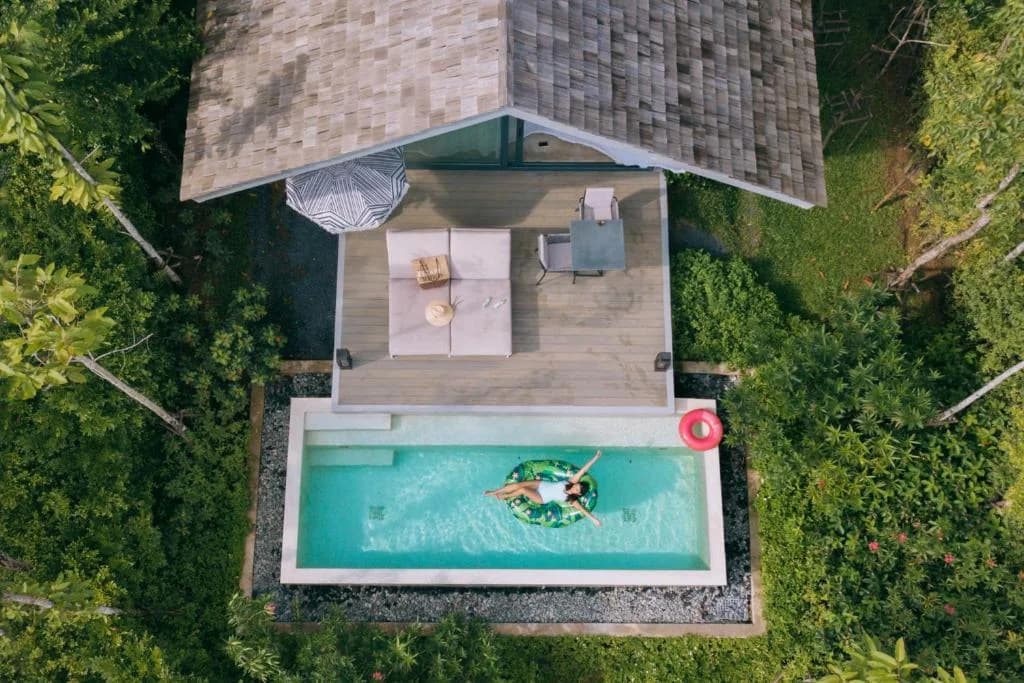
For travelers oriented toward nature and topography, suites in elevated mountain properties with direct access to hiking trail systems and private outdoor terraces tend to deliver the most coherent experience. The relationship between interior and exterior space is a primary design criterion here.
For travelers arriving with a cultural agenda, proximity to Nashville's music infrastructure, its independent dining scene, and its gallery ecosystem matters considerably. Suites in centrally located urban properties eliminate the inefficiency of transit and allow the city's rhythm to dictate the day's pace.
Practical considerations include: suite orientation relative to natural light, the quality of soundproofing in urban properties (a meaningful variable in Nashville, given the density of live music venues), the presence of a dedicated butler or concierge resource for property-level curation, and the quality of the culinary program. Tennessee's food culture has developed considerable sophistication, and the dining program attached to a suite property is often a reliable indicator of the property's overall seriousness.
Why curation matters when booking luxury suites in Tennessee
The Tennessee luxury hotel market is not uniform. The distance between a property that uses the language of luxury and one that actually delivers at that level is considerable, and that gap is not always visible through standard booking platforms. Photography can compress the difference between a well-designed suite and a merely expensive one. Rate levels do not reliably indicate quality in a market that is still maturing.
La Suite approaches Tennessee with the same editorial standards applied to Paris, the Maldives, or Kyoto. Each property in the curated selection has been assessed against a consistent framework: spatial quality, design coherence, service infrastructure, and the integrity of the experience it offers. The result is a selection where every listed property represents a genuine commitment to suite-level hospitality, not a category upgrade from a standard room. For travelers who value their time as much as their comfort, that distinction is the entire point of the exercise.