Where to stay in Patagonia, Argentina
The Andean lake district
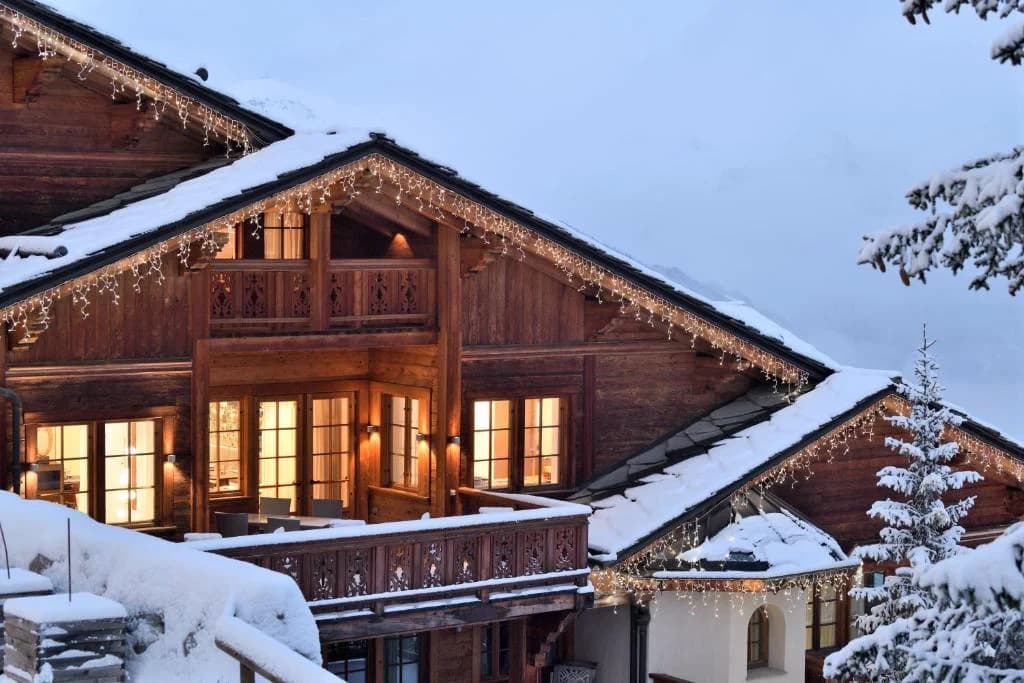
The northwestern edge of Argentine Patagonia, anchored by San Carlos de Bariloche and extending south toward El Bolsón and Esquel, is characterised by dense Valdivian forest, glacial lakes of deep blue-green, and a built environment shaped partly by Central European immigration in the early twentieth century. The so-called Andino style, with its use of stone, wood, and steeply pitched roofs, defines the architectural register of the region. Luxury properties here tend toward intimate scale, with suites designed around lake or mountain orientation. The sensory experience is defined by cold water, pine resin, and low cloud on granite peaks.
The steppe and the pampas of Patagonia
Moving east, the Andes give way to the Patagonian steppe: an arid, wind-scoured plateau of extraordinary horizontal reach. The light here is flat and relentless. Estancias, the large ranches that have shaped the economic and social history of the region since the late nineteenth century, represent the dominant luxury accommodation model in this zone. A converted estancia suite offers not just space but operational immersion into a functioning agricultural landscape. Sheep, horses, and the rituals of asado define the daily rhythm.
Los Glaciares and El Calafate
The southern Patagonian ice field, the third largest freshwater reserve in the world, anchors this zone. El Calafate serves as the primary access point for the Perito Moreno glacier and the broader Los Glaciares National Park. Hotel suites in this area are defined by their orientation: the best properties position their principal rooms to frame the lake and the distant peaks of the Andes. The architecture must work against extreme weather, and the finest suites manage this with materials, fenestration, and heating systems that make the exterior conditions part of the interior atmosphere rather than a threat to it.
El Chaltén and the Fitz Roy massif
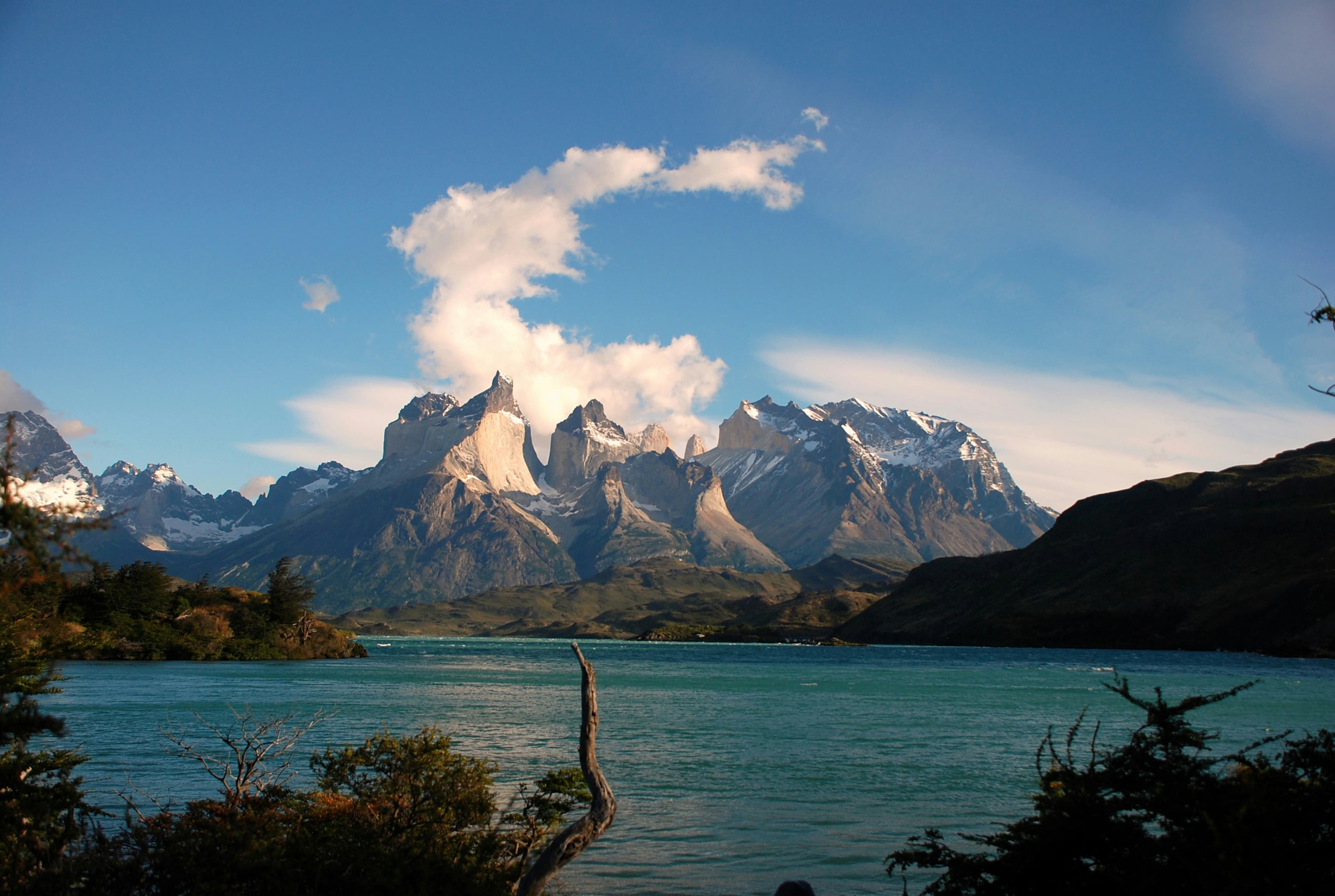
El Chaltén, at the base of Cerro Fitz Roy and Cerro Torre, is the trekking capital of Argentina. The luxury offer here is sparser and more deliberate than in El Calafate. Properties tend to be smaller, and the best suites are chosen not for amenity density but for their proximity to the trail system and for unobstructed views of one of the most geologically dramatic mountain formations in the southern hemisphere.
The Atlantic coast and Peninsula Valdés
The eastern edge of Argentine Patagonia meets the South Atlantic along a coastline that includes UNESCO-listed Peninsula Valdés, a critical breeding ground for southern right whales, elephant seals, Magellanic penguins, and orcas. Luxury stays in this zone are built around wildlife proximity and the particular quality of coastal Patagonian light, which shifts rapidly across the low scrubland and the grey-blue sea.
When to visit Patagonia for a luxury suite stay
Timing in Patagonia is a serious consideration. The region operates on seasons that differ significantly from Northern Hemisphere reference points.
The austral summer, from November through March, is the primary travel window. Temperatures in the Andean zones are mild to warm, trails are accessible, and the long southern daylight hours extend the usable day considerably. January and February represent peak demand, and the finest suites across all zones tend to be fully committed well in advance. Advance planning of three to six months is not unusual for the most sought-after properties.
The shoulder seasons, October and April, offer a different quality of experience: fewer travelers, lower ambient noise, and a shift in the landscape palette toward autumn gold or early spring green. For travelers who prioritise privacy and atmospheric depth over optimal weather, these months can produce the more memorable stays.
The austral winter, June through August, is severe in the Andean zones and the south, with heavy snow and limited trail access. Some properties close entirely. However, the estancias of the steppe and certain lake district properties remain operational and offer a completely different register of Patagonian experience: firelit interiors, horseback riding across snow-dusted grassland, and a near-total absence of other visitors.
Peninsula Valdés has its own seasonal logic, tied to wildlife cycles. Southern right whales are present from June through December, with peak activity in September and October. Orcas hunting sea lions on the beach at Punta Norte is most reliably observed in March and April.
Local luxury standards: what defines a top-tier suite in Patagonia
Argentina does not operate a formal national hotel classification system equivalent to France's Palace label or Spain's Gran Lujo category. The quality of a luxury property here must be assessed through direct criteria rather than official designation.
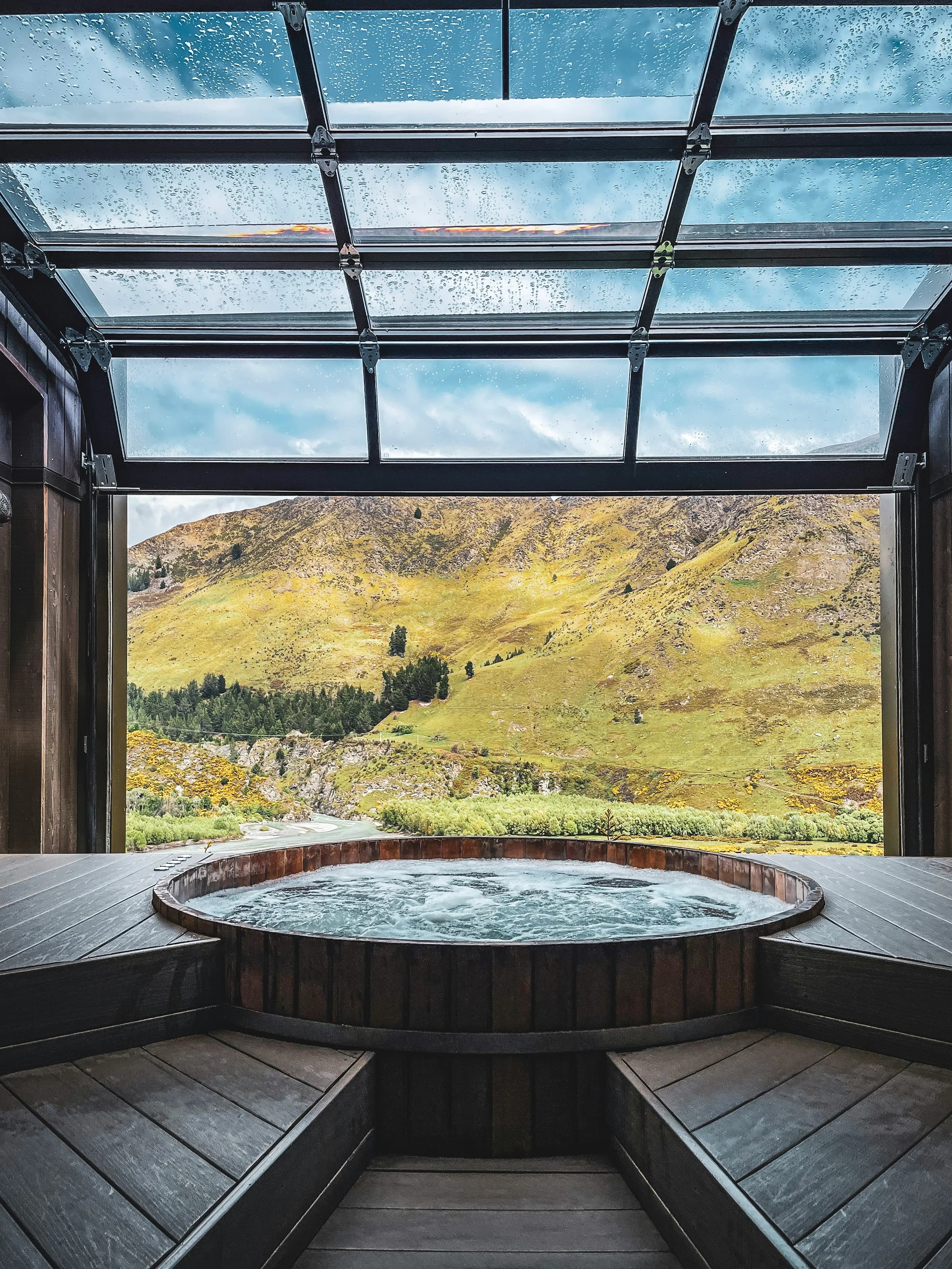
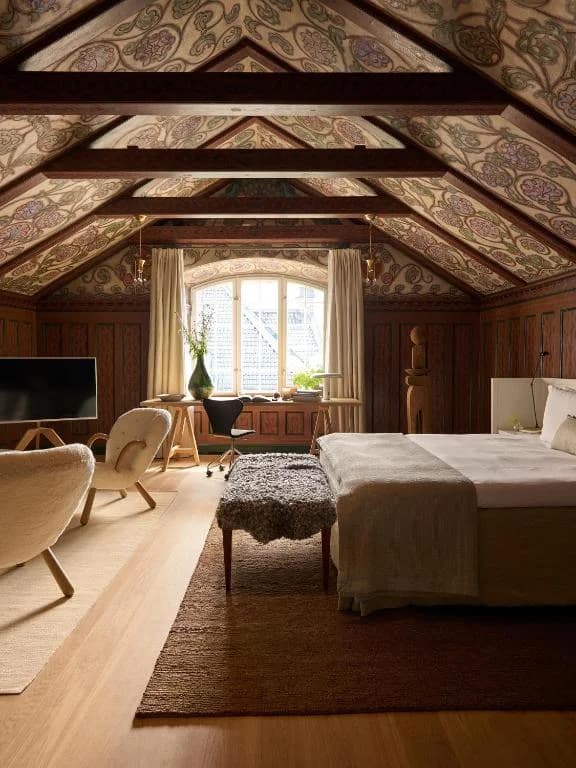
The architectural standard of the best Patagonian suites is defined by three factors: material honesty, thermal performance, and landscape integration. Stone quarried from local formations, native lenga beech timber, and wool textiles from Patagonian flocks appear across the most serious properties. Glass plays a structural role as much as an aesthetic one: the suite that fails to frame its landscape correctly fails the territory.
Service in Argentine Patagonia has a particular character. It is warm in the local sense, direct, and often tied to deep personal knowledge of the surrounding terrain. The best properties employ naturalist guides, local historians, and in the estancia context, gauchos with generational knowledge of the land. This human layer is part of the luxury proposition and cannot be replicated by a city hotel.
Gastronomy in the finest suites and their associated dining spaces draws from Patagonian lamb, Andean trout, centolla (king crab) from the south, and regional wines from the Río Negro and Neuquén valleys, which produce some of Argentina's most serious cool-climate expressions of Malbec, Pinot Noir, and Sauvignon Blanc.
How to choose the best luxury suite in Patagonia
The key variable in suite selection here is environmental. Unlike urban luxury destinations where adjacency to cultural infrastructure drives the choice, in Patagonia the landscape itself is the primary asset. A suite that faces the wrong direction, or that insulates its occupant from the exterior climate rather than mediating it, is a fundamental failure regardless of its thread count or service ratio.
Consider the following when evaluating a property. First, the view orientation and the time of day at which natural light enters the principal spaces. Second, the degree to which the property provides structured access to the surrounding territory, whether through guides, horses, boats, or established trail systems. Third, the heating infrastructure: Patagonian temperatures drop sharply at night even in summer, and a suite with inadequate thermal management produces a poor experience. Fourth, the acoustic environment. The best suites in the region offer near-complete silence, interrupted only by wind and water.
For the lake district, the choice between lakeside and mountain-facing orientation is not trivial. For the glacial south, the distance from the glacier and the property's operational relationship to boat or ground excursions matters significantly. For estancias, the operational calendar of the ranch, what activities are offered, what livestock cycles are underway, shapes the entire character of the stay.
Why curated selection by La Suite matters in Patagonia
The Patagonian luxury market is uneven. The region's remoteness and the high cost of construction and logistics mean that some properties command significant rates without delivering the experiential quality those rates imply. Marketing in this sector can be aggressive, and the visual language of social media, dramatic landscapes photographed from above, can obscure fundamental weaknesses in a property's suite design or service architecture.
La Suite applies a consistent editorial framework to its selection in Patagonia: spatial quality of the suite itself, integrity of the landscape relationship, depth of the human layer (guides, staff, local knowledge), and the coherence of the overall experience as a proposition for a sophisticated traveler. Properties are assessed against the standards of international luxury hospitality, not against the lower bar of regional comparison.
For a territory this large and this varied, intelligent pre-selection is not a convenience. It is a condition of a successful trip. The curated selection by La Suite exists to make that pre-selection rigorous, defensible, and aligned with the values of travelers who approach Patagonia as a serious destination rather than an adventure checkbox.