



Argentina
Hotels with luxury suites in Argentina
Argentina's geography divides naturally into several distinct luxury travel corridors, each with its own architectural vernacular and pace of life.
Best areas of Argentina for a luxury suite stay
Buenos Aires
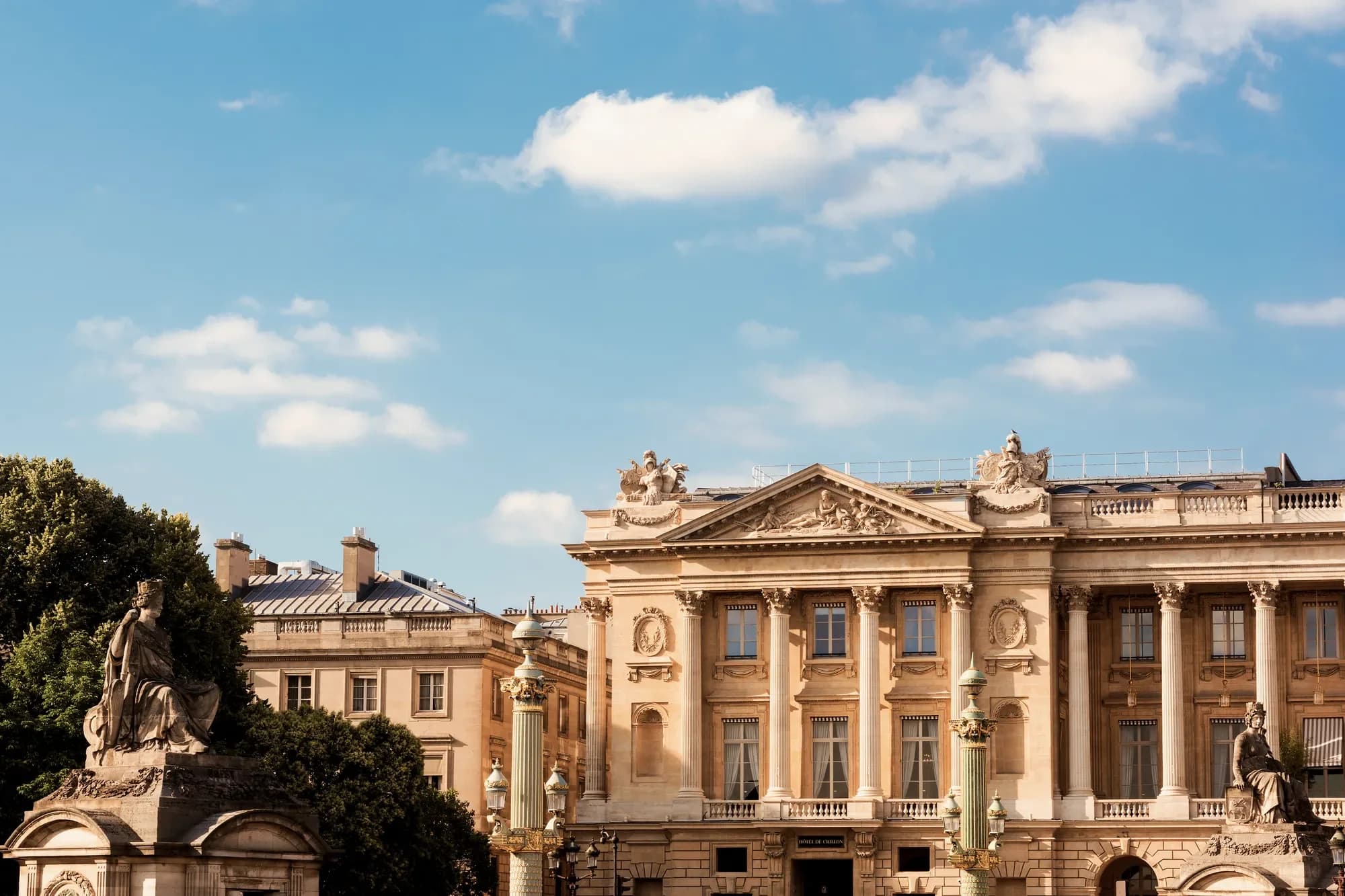
The capital remains the country's most concentrated address for high-end hospitality. The neighborhoods of Recoleta, Palermo, and Puerto Madero each present a different register: Recoleta is Haussmann-inflected and formal, Palermo trades on boutique scale and design credibility, and Puerto Madero offers a more contemporary, riverfront sensibility. A luxury hotel suite in Buenos Aires typically commands significant floor area, city or water views, and access to the capital's dense cultural and gastronomic infrastructure.
Mendoza and the wine country
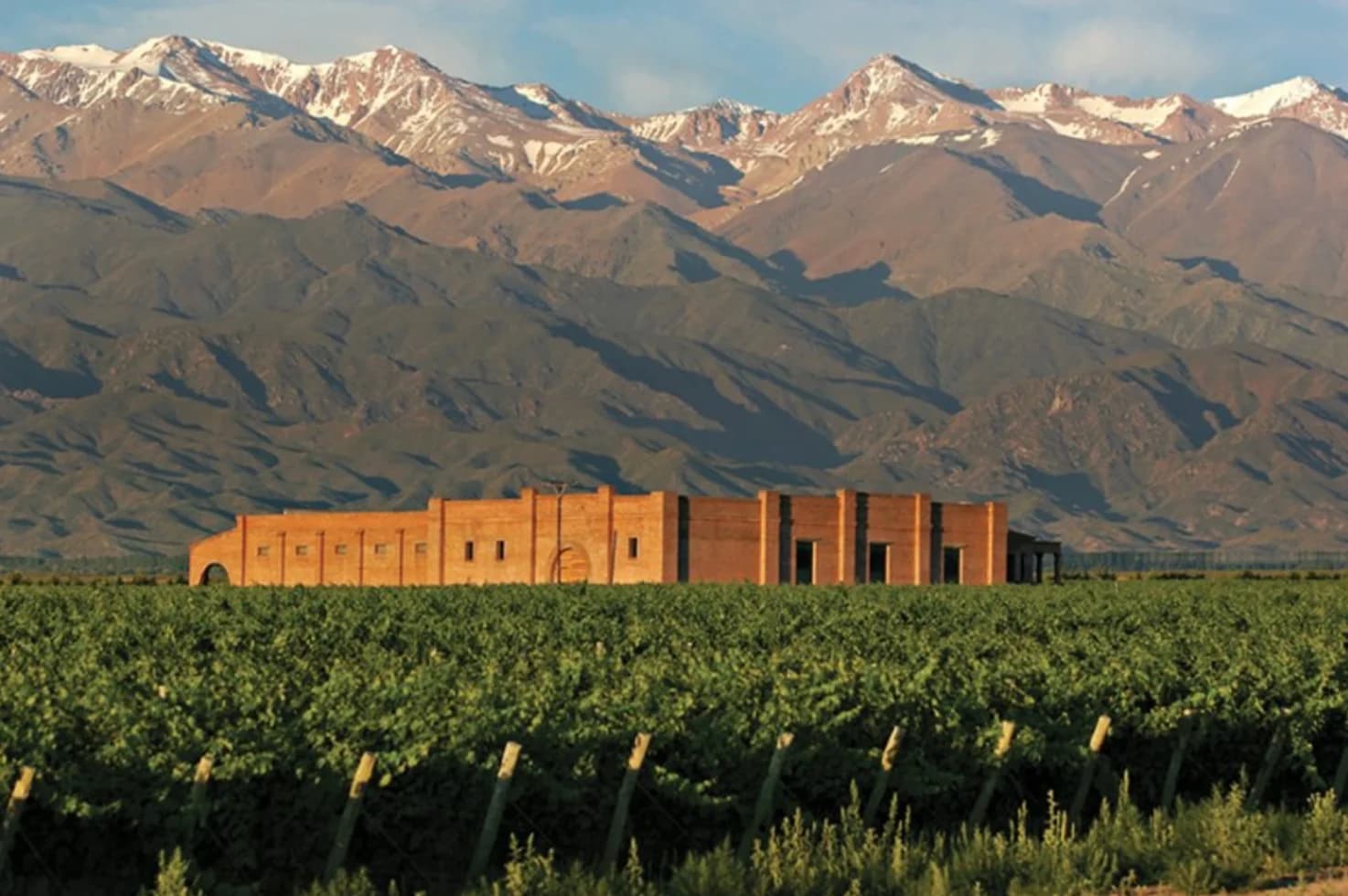
Mendoza sits at roughly 750 meters above sea level, against the backdrop of the Andes, and functions as the center of Argentina's Malbec wine industry. The luxury stay offer here is almost entirely defined by vineyards: properties integrated into working bodegas, where suites open directly onto vine rows and the Andean skyline. The experience is sensory in a specific way: altitude light, dry air, the cycle of harvest and dormancy marking the calendar more reliably than any hotel events program.
Patagonia
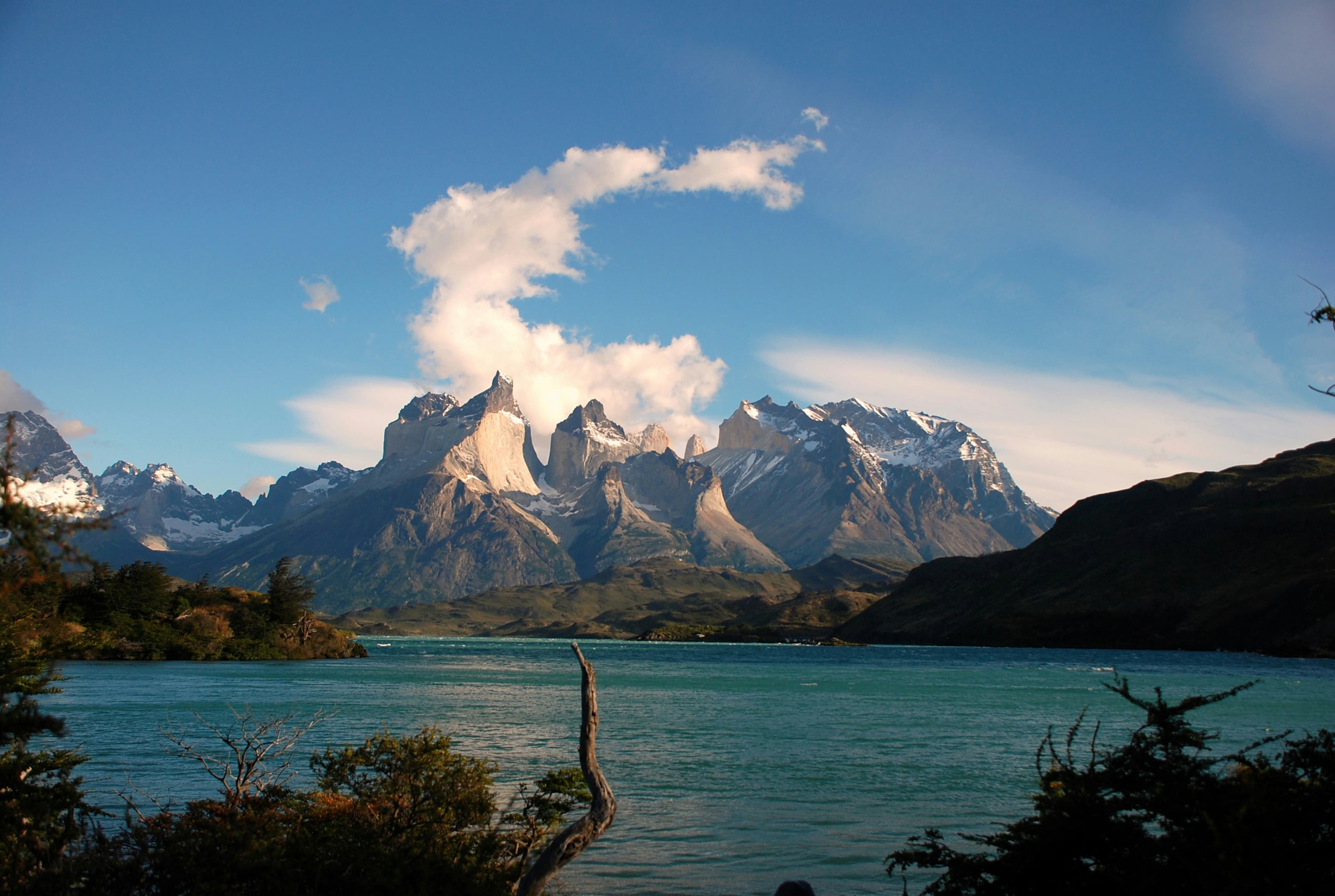
The south of Argentina, encompassing both the lake district around Bariloche and the far-south regions approaching Tierra del Fuego and the Perito Moreno glacier, operates on a different logic entirely. Luxury here is defined by proximity to landscape rather than by urban amenity. Lodges are typically small, architecture is contextual, and suites are designed to frame specific views: the glacier, the lake surface, the beech forest. The season matters acutely here, and availability at the finest properties reflects it.
Salta and the northwest
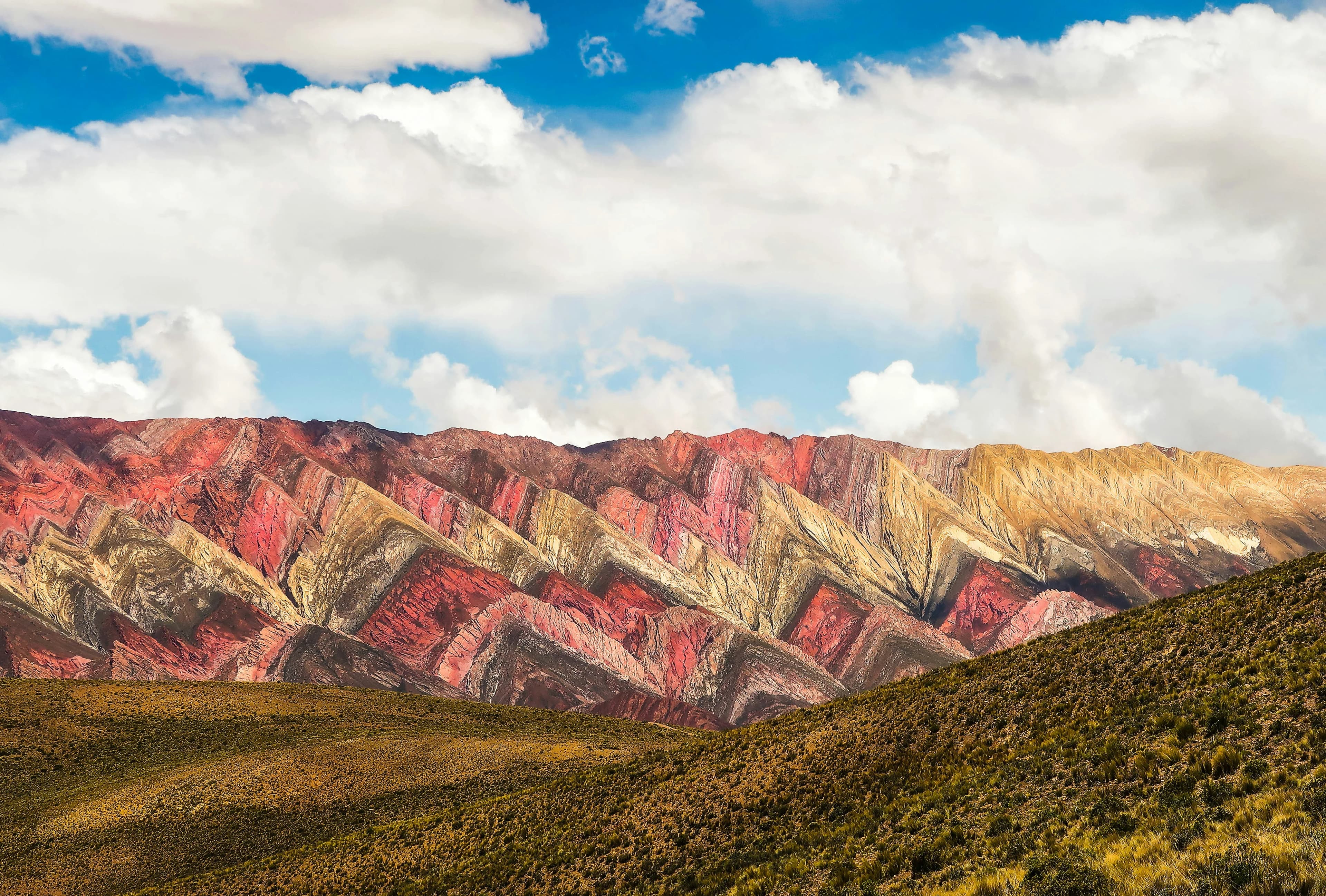
The Andean northwest, centered on Salta and extending into the Quebrada de Humahuaca, offers a colonial architectural fabric and a high-altitude palette of ochre, terracotta, and sage. Luxury hotel properties in this corridor tend toward the intimate and historically grounded, with converted colonial mansions providing the dominant typology. The cultural density of this region, including pre-Columbian heritage and an active craft tradition, gives a suite stay here a qualitatively different texture from the south.
When to visit Argentina for a luxury suite experience
Argentina spans roughly 3,700 kilometers from north to south, which means that the optimal travel window varies significantly by region.
Buenos Aires is most comfortable between March and May (autumn) and September and November (spring), when temperatures sit between 15 and 25 degrees Celsius and the city's cultural season, including the opera, theater, and fashion programs, is at full intensity. The Vendimia wine harvest festival in Mendoza takes place in late February and early March and represents the peak moment for wine-country stays, with significant demand at the top properties.
Patagonia's high season runs from November through March, aligned with the Southern Hemisphere summer. The Perito Moreno glacier is accessible year-round, but the lake district and trekking infrastructure operate primarily within this window. Booking luxury hotel suites in Patagonia six to twelve months in advance is standard practice for peak weeks.
The northwest is navigable in most months, though the rainy season between December and February can affect road access to the more remote parts of the Quebrada. October and November offer the clearest conditions and the richest light for the landscape.
Understanding Argentina's luxury hotel standards
Argentina does not operate a formal Palace designation of the kind France administers through Atout France, but the country's luxury hotel market has its own internal hierarchy that informed travelers recognize.
At the upper tier, the leading properties in Buenos Aires and Mendoza are affiliated with international luxury groups and carry the service infrastructure those affiliations imply: dedicated concierge teams, in-suite dining executed at restaurant standard, and the kind of physical scale in suite design that distinguishes a genuine luxury hotel suite from an oversized standard room. Floor areas for premium suites in Buenos Aires typically begin at 80 square meters and extend to full-floor arrangements exceeding 300 square meters in the top-tier addresses.
In Patagonia and the northwest, the luxury standard is expressed differently. Properties here are typically smaller (often ten to twenty keys in total), and the premium is placed on service ratio, landscape access, and material quality rather than on square footage alone. Locally sourced stone, native timber, and artisan textile work are common in the construction and furnishing of these suites, and the experience of staying in them is deliberately tied to place in a way that larger urban properties cannot replicate.
Argentina also has a category of rural stay that functions as a distinct luxury typology: the estancia. Working cattle and horse farms that have been converted, at varying levels of ambition, into guest properties. The finest estancias offer suite-level accommodation with activities (polo, horsemanship, asado culture) embedded directly in the stay rather than arranged externally. This model has no direct equivalent in most other luxury travel markets.
How to choose the best luxury suite in Argentina
The primary decision axis for a suite stay in Argentina is whether the priority is urban access or landscape immersion. These two propositions rarely overlap in a single property, and attempting to combine them within a single trip requires careful itinerary construction.
For Buenos Aires, the relevant variables are neighborhood character, floor height and view orientation, and the quality of the hotel's food and beverage program (the city has a serious restaurant culture and the best hotels engage with it directly). Suite travelers should also consider whether they want a property with direct cultural infrastructure nearby: the Teatro Colon, the MALBA museum, and the design galleries of Palermo all reward proximity.
For wine country, the key variable is the relationship between the property and the vineyard: some suites are integrated into production estates with genuine winemaking programs, others are adjacent to, but not embedded in, the agricultural operation. The distinction matters experientially.
For Patagonia, view orientation and season are determinative. A suite that faces the glacier or the primary lake will deliver a qualitatively different experience from one oriented toward secondary landscape, and this is worth interrogating before confirming a reservation.
Practical considerations include the altitude factor in Mendoza and the northwest (acclimatization typically takes 24 to 48 hours and can affect the first day of any stay), and the transfer logistics in Patagonia, where the finest properties may require small aircraft or extended road transfers from the nearest commercial airport.
Why a curated selection matters in Argentina
With twelve properties across a country of this geographic scale, the La Suite selection represents a genuine editorial position rather than an exhaustive directory. The distance between a well-marketed property and one that actually delivers at suite level is significant in Argentina, where the luxury hotel market includes properties that command high tariffs on the strength of location or brand recognition without the underlying service or design quality to justify them.
The La Suite curation process evaluates suite design, service consistency, physical condition, and the coherence of the overall guest experience. In a market as varied as Argentina, where the typology shifts from urban tower to vineyard lodge to Patagonian outpost, that editorial function is the most efficient path to a stay that meets the expectations of a traveler who has chosen suites deliberately and does not want to discover the limitations of a property after arrival.
Frequently asked questions
What is the best time of year to book a luxury suite in Patagonia, Argentina?
The optimal window for Patagonia is November through March, which corresponds to the Southern Hemisphere summer. This is when trekking routes, lake activities, and full lodge services are operational. Top properties at peak weeks are frequently booked six to twelve months in advance.
Are luxury hotel suites in Buenos Aires comparable to those in European capitals?
The leading addresses in Buenos Aires are broadly comparable to upper-tier European properties in terms of suite floor area, service ratio, and food and beverage quality. Several internationally affiliated luxury hotels in the city operate suite programs that begin at 80 square meters and extend to full-floor configurations.
What distinguishes a wine country luxury suite in Mendoza from a standard hotel room?
The defining characteristic of the best Mendoza suite properties is direct integration with a working vineyard: suites that open onto vine rows, with cellar access, harvest participation, and in-room programming tied to the production cycle. This creates an experiential layer that a standard room in the same building cannot replicate.
What is an estancia and how does it relate to luxury suite travel in Argentina?
An estancia is a working Argentine ranch, typically focused on cattle or horse breeding, that has been adapted to receive guests. The finest examples offer suite-level accommodation alongside embedded activities including polo, horsemanship, and traditional asado culture. The stay format has no direct equivalent in most other luxury travel markets.
How far in advance should I book a luxury hotel suite in Argentina during peak season?
For Patagonia during the November to March high season, six to twelve months in advance is standard practice at the top properties. Buenos Aires requires less advance planning outside of major cultural events, though spring and autumn weekends at the leading addresses fill early.
What are the altitude considerations for staying in a luxury suite in Mendoza or northwest Argentina?
Mendoza sits at approximately 750 meters above sea level, which is manageable for most travelers. The Andean northwest, including areas around Salta and the Quebrada de Humahuaca, reaches significantly higher elevations. Acclimatization typically requires 24 to 48 hours and can affect energy levels and sleep quality during the first day of a stay.
What types of views can I expect from a luxury hotel suite in Argentina?
The view typology varies substantially by region: Buenos Aires suites offer city skylines and, in Puerto Madero, the Rio de la Plata. Mendoza properties frame the Andean range against vineyard landscapes. Patagonian suites are oriented toward glaciers, glacial lakes, or native beech forest. View orientation within a specific property is worth confirming before reservation.
Is Argentina a good destination for luxury suite travel year-round?
Argentina is viable year-round but the optimal region shifts by season. Buenos Aires and the northwest are best in spring and autumn. Patagonia's hospitality infrastructure is concentrated in the Southern Hemisphere summer. Mendoza's wine harvest in late February and early March represents a specific seasonal draw with premium demand.
What should I look for when comparing luxury suites in Argentina?
The primary distinction is between urban access and landscape immersion, as very few properties combine both at the same quality level. Secondary variables include the service ratio, the physical condition and material quality of the suite, view orientation, and in Patagonia and Mendoza, the coherence between the property's setting and its experiential programming.
How does La Suite select its luxury hotel properties in Argentina?
La Suite evaluates properties against consistent criteria: suite design and floor area, service consistency, physical condition, and the overall coherence of the guest experience. With twelve properties selected across Argentina, the curation represents an editorial position rather than a directory, prioritizing genuine delivery at suite level over brand recognition or marketing visibility.