Chile wine country, Chile

Chile wine country, Chile

Hotels with luxury suites in Chile wine country

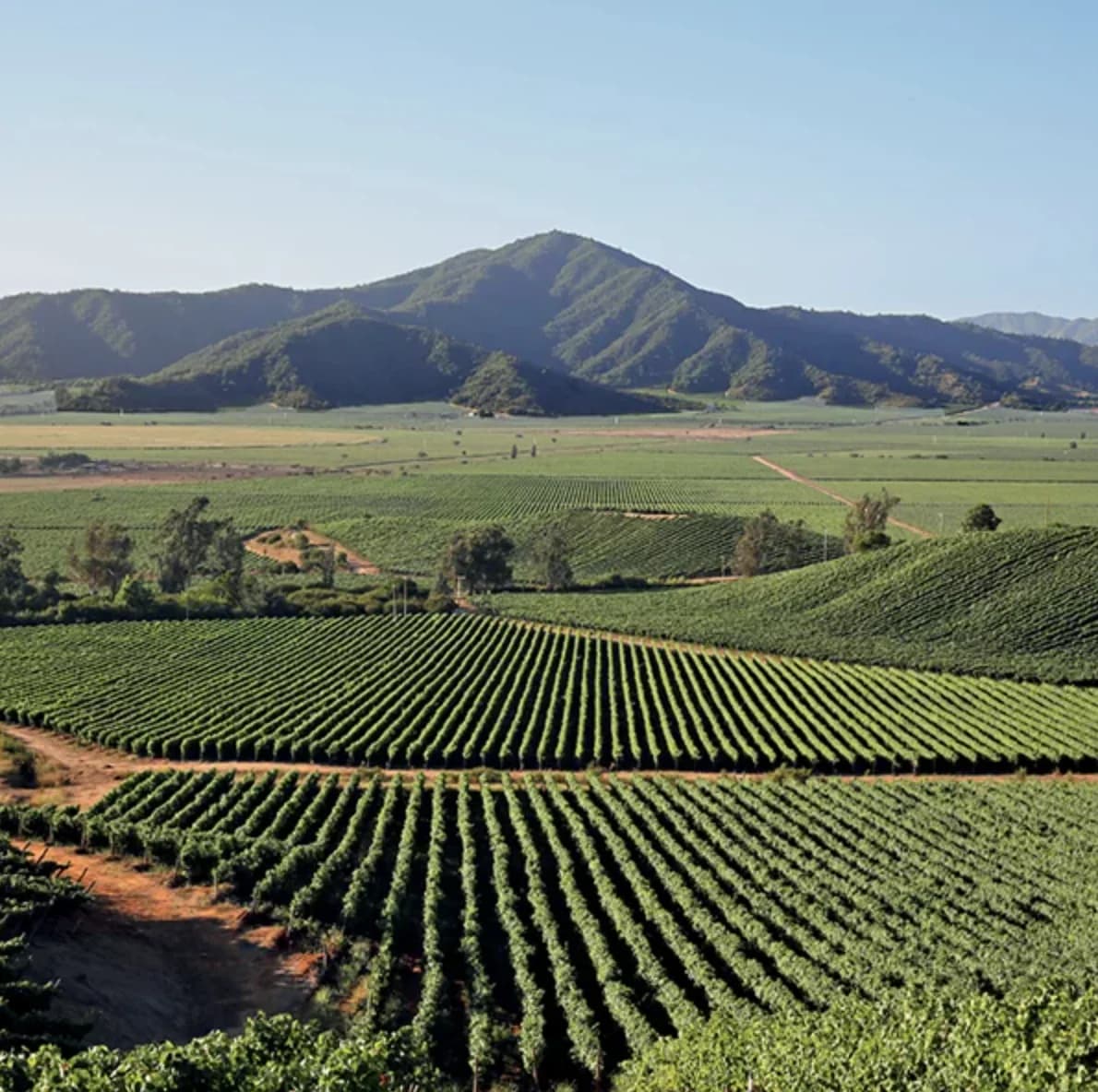
Chile's principal wine regions occupy a north-to-south axis stretching roughly from the Maipo Valley, just south of Santiago, down through the Rapel, Colchagua, and Maule valleys toward the cooler Bio-Bio corridor. Each zone carries a distinct character that shapes the quality and atmosphere of any stay.

List modeShow map

3 hotels available

Hotel Eco Boutique Bidasoa

Hotel Eco Boutique Bidasoa, Vitacura

Pet friendlyBarRestaurant
More information

Located just a 10-minute walk from Parque Arauco Shopping Center, Hotel Boutique Bidasoa offers accommodations in the exclusive neighborhood of Vitacura, in Santiago. There is an outdoor swimming pool

Apartment

Apartment

170 m²

This apartment features a hot tub and a sauna. This spacious apartment consists of 1 living room, 2 separate bedrooms and 3 bathrooms with a shower and free toiletries. The air-conditioned apartment p

Discover
Junior Suite with Mountain View

Junior Suite with Mountain View

64 m²

This spacious suite consists of 1 living room, 1 separate bedroom and 1 bathroom with a bath and free toiletries. The air-conditioned suite provides a flat-screen TV with cable channels, soundproof wa

Discover

Mandarin Oriental, Santiago

Mandarin Oriental, Santiago, Las Condes

Pet friendlyBarSwimming poolRestaurant
More information

A lagoon-style swimming pool with a waterfall and a garden is offered at Mandarin Oriental, Santiago. Free parking is available. Rooms at the Mandarin Oriental, Santiago are elegantly designed with m

Terrace Suite

Terrace Suite

81 m²

This elegant suite offers both space and privacy with a wealth of accommodations. Large glass doors open out onto an outdoor terrace with an adjoining living room ideal for relaxing, complete with com

Discover
Executive Room King

Executive Room King

52 m²

Located between the first and the seventh floor, this room offers comfortable sleeping, sitting and working areas. Polished wood, modern carpet and neutral color hues give it a contemporary and calm f

Discover
Deluxe Room King

Deluxe Room King

52 m²

Located between the first and fifteenth floor, this room offers comfortable sleeping, sitting and working areas. Polished wood, modern carpet and neutral color hues give it a contemporary and calm fee

Discover
Deluxe View King Room

Deluxe View King Room

52 m²

Located on our higher floors, this room offers comfortable sleeping, sitting and working areas. Polished wood, modern carpet and neutral color hues give it a contemporary and calm feel, with a large b

Discover
Executive King Suite

Executive King Suite

81 m²

With spacious 81sqm, this elegant suite offers plenteous space from which to enjoy. Comfortable sofas and delicate, contemporary décor decorate the separate living area, while the large master bedroom

Discover
Grand Terrace Suite

Grand Terrace Suite

144 m²

This elegant, contemporary suite features a grand bedroom and a modern living room, with plenty of space to entertain. Overlooking the city’s glimmering skyline, the suite’s outdoor terrace is ideal f

Discover
Panoramic Suite

Panoramic Suite

141 m²

The suite is furnished with a desk and a seating area. The unit has 1 bed.

Discover
Club Room Twin

Club Room Twin

52 m²

Located between the sixteenth and eighteenth floor, this room offers comfortable sleeping, sitting and working areas. Polished wood, modern carpet and neutral color hues give it a contemporary and cal

Discover
Executive Room Queen

Executive Room Queen

52 m²

Located between the first and fourteenth floor, this spacious room is furnished with two queen beds and a table to enjoy dinner, work or relax. Light and luxurious, the bathroom features a great walk-

Discover
Club Room King

Club Room King

52 m²

Located between the sixteenth and eighteenth floor, this room offers comfortable sleeping, spacious sitting and working areas. Polished wood, modern carpet and neutral color hues give it a contemporar

Discover
Premier Suite King

Premier Suite King

122 m²

Luxurious, comfortable and luminous, this suite offers lots of space for families or business travelers to relax and enjoy. Backdropped by the stunning Andes Mountains or city views, a stylish living

Discover
See the other suites

The Ritz-Carlton, Santiago

The Ritz-Carlton, Santiago, Las Condes

Pet friendlyBarSpa and wellness centerSwimming pool
More information

Attractively located in the Las Condes district of Santiago, The Ritz-Carlton, Santiago is located a 13-minute walk from Costanera Center, 1.8 miles from Parque Bicentenario Santiago and 1.9 miles fro

Deluxe King Room with Terrace - Club Lounge Access

Deluxe King Room with Terrace - Club Lounge Access

40 m²

Featuring free toiletries and bathrobes, this double room includes a private bathroom with a bath, a shower and a hairdryer. The spacious air-conditioned double room features a flat-screen TV with cab

Discover
One-Bedroom Executive King Suite - Club Lounge Access

One-Bedroom Executive King Suite - Club Lounge Access

60 m²

Featuring a separate bedroom, living room and sitting area, this spacious suite features a classic décor and a King feather bed with a down comforter and duvet. It also includes a spacious bathroom wi

Discover
One-Bedroom Junior Suite with Two Queen Beds

One-Bedroom Junior Suite with Two Queen Beds

50 m²

Offering free toiletries and bathrobes, this suite includes a private bathroom with a bath, a shower and a hairdryer. The air-conditioned suite offers a flat-screen TV with cable channels, a mini-bar,

Discover
Club King Room - Club Lounge Access

Club King Room - Club Lounge Access

40 m²

This room features spacious interiors, a classic décor, open views overlooking Santiago and a large marble bathroom with signature Asprey brand bath products.

Discover
See the other suites

Best areas to stay in Chile wine country

Maipo Valley

The Maipo Valley sits closest to Santiago, making it the most logistically accessible wine corridor in the country. The soils here are dominated by alluvial deposits and gravel, producing the Cabernet Sauvignons that established Chile's international reputation. Properties in this area tend to position themselves as architectural retreats, with views oriented toward the Andes and a pace calibrated for guests who want proximity to the capital without sacrificing quiet. The air is dry and clear for most of the year, and the scale of the estates is generous.

Colchagua Valley

Colchagua is widely regarded as Chile's most prestigious red wine zone and arguably the area with the highest concentration of estate-level hospitality. The valley runs inland from the coastal range, and the light here in summer is long and golden. Several of the region's most significant wine families have invested heavily in guest infrastructure, creating properties that function as self-contained environments: vineyards, cellars, stables, and formal dining within a single estate boundary. For travelers seeking immersion over proximity, Colchagua remains the most architecturally coherent option.

Casablanca and San Antonio valleys

Both valleys sit within reach of the Pacific coast, and the cool marine influence produces entirely different varietals: Sauvignon Blanc, Pinot Noir, and Chardonnay dominate. The landscape is more open and windswept than the interior valleys, and the light has a different quality, softer, more diffuse. Properties here tend to be smaller and more design-forward, attracting guests who prioritize contemporary architecture and coastal access alongside the wine experience.

Maule Valley

Maule is one of the largest wine-producing regions in Chile by volume, but it is also where the country's most interesting old-vine project has emerged. Pais and Carignan from dry-farmed, century-old vines have attracted significant international attention. The valley remains less developed for luxury tourism than Colchagua or Maipo, which means privacy and space come more naturally, though curation matters more here than anywhere else in the region.

When to visit Chile wine country

The Chilean wine country follows a Southern Hemisphere calendar. The harvest season runs from late February through April, and this is the period of highest activity across the estates: picking crews, sorting tables, the smell of fermentation, and a general intensity that permeates even guest-facing spaces. For travelers who want access to the production process, March is the optimal month.

Summer, from December through February, brings long days, dry heat, and the full operational calendar of most estate properties. Outdoor dining, horseback itineraries, and extended cellar visits are all reliably available. The risk is that this period coincides with peak Chilean domestic travel, and the most considered properties book well in advance.

Autumn, from April to June, is the preferred season for many experienced visitors. The harvest concludes, temperatures moderate, and the vineyards shift through amber and copper. The crowds diminish, and the properties often offer more attentive service ratios during this shoulder period.

Winter, from July through September, is the low season. Rain is more probable in the southern valleys, and some smaller estate properties operate on reduced schedules. However, for guests seeking solitude and reduced pricing at properties that remain open year-round, this window has a particular appeal.

Local luxury standards in Chile wine country

Chile does not operate a formal palace or grand hotel classification system equivalent to France's Palace designation or Italy's Relais and Chateaux framework in its domestic categorization. The luxury standard in the wine country is instead defined by the estate model: a single family or wine producer who has invested in guest accommodation as an extension of their brand and agricultural identity.

The finest properties here operate on the concept of the hacienda or fundo, the Chilean rural estate, updated with contemporary design sensibility and serious food and wine programming. A luxury hotel suite within this context typically means a freestanding room or villa that opens directly onto vineyard rows or a private garden, with architecture that references local materials: adobe, timber, volcanic stone, and rammed earth all appear across the better properties.

Wine tourism infrastructure in Chile has matured considerably since 2010. The leading estates now employ sommeliers with international credentials, source ingredients from their own organic gardens, and commission architects rather than contractors when expanding their guest facilities. The standard is genuinely high, though it rewards guests who understand what to look for.

How to choose the best luxury suite in Chile wine country

The primary consideration when selecting a suite in this region is orientation: toward the vineyard, toward the Andes, or toward the estate's central facilities. Each axis produces a fundamentally different experience of the landscape and the daily rhythm of the property.

Guests who prioritize sensory connection to the wine production cycle should look for suites positioned adjacent to or above the cellar infrastructure, where the progression from vine to barrel is visible and audible during harvest. Those who prefer architectural contemplation over agricultural immersion should focus on properties where the design brief was executed by a named architect and where the suite itself functions as a considered space rather than an adapted farm building.

Practical considerations include altitude, as the Maipo Valley properties at the Andean foothills can reach elevations where temperature drops significantly at night, and pool orientation, since the dry summer heat makes outdoor water access a genuine functional requirement rather than a luxury amenity. Transfer logistics from Santiago are also worth assessing carefully: some properties are within 45 minutes of the international airport, while others in Colchagua require two hours or more of road travel.

Why curation matters in Chile wine country

The category of wine country hospitality in Chile contains a wide range of properties that present themselves with comparable marketing language but deliver substantially different experiences. The differentiation between a genuinely architectural estate suite and a converted guesthouse with vineyard views is not always legible from a hotel's own website.

La Suite applies an editorial standard that examines spatial quality, architectural intention, service consistency, and the coherence between the property's wine identity and its hospitality offer. In a region where the estate model is the dominant format, that coherence is the decisive factor. A curated selection by La Suite removes the noise from the decision and surfaces only the properties where the suite experience is treated as the primary product, not an ancillary revenue stream attached to a wine operation.

Frequently asked questions

What is the best time of year to stay in a luxury suite in Chile wine country?

The harvest period from late February through April offers the most active estate experience, with access to production facilities and a heightened atmosphere across properties. Autumn, from April to June, is favored by many experienced visitors for its moderate temperatures, reduced occupancy, and more attentive service ratios. Summer remains the peak season for outdoor activities and full operational estate programming.

Which wine valley in Chile offers the most refined luxury hotel suite experiences?

The Colchagua Valley is generally considered the most developed zone for estate-level luxury hospitality in Chile, with several major wine families having invested in architecturally serious guest infrastructure. Maipo Valley offers the advantage of proximity to Santiago, while Casablanca and San Antonio attract guests seeking design-forward properties with a coastal influence.

How far are Chile's wine country estates from Santiago international airport?

Properties in the Maipo Valley can be reached in as little as 45 minutes from Santiago's Arturo Merino Benitez International Airport, making them the most accessible option for short stays. Colchagua Valley properties typically require between 90 minutes and two and a half hours of road travel, depending on the specific estate location. Transfer arrangements should be confirmed directly with the property before arrival.

What architectural styles define luxury hotel suites in Chile's wine regions?

The dominant architectural references draw from the Chilean fundo or hacienda tradition, updated with contemporary design. Local materials including adobe, rammed earth, volcanic stone, and native timber appear frequently in higher-end properties. The better estates commission architects rather than adapt existing agricultural structures, and the interior language tends toward restraint and spatial generosity rather than decorative excess.

Are luxury wine country suites in Chile suitable for private events or exclusive buyouts?

Several of the leading estate properties in Colchagua and Maipo are structured to accommodate private events, including wine dinners, harvest experiences, and full property buyouts for small groups. The estate model lends itself naturally to exclusive use arrangements, as the facilities, vineyards, cellars, and dining spaces are all contained within a single boundary. Availability for buyouts should be discussed directly and well in advance of intended dates.

What should guests expect from dining at a top-tier wine estate suite in Chile?

The finest estate properties in Chile operate dedicated kitchen programs that source from on-site or nearby organic gardens and are designed specifically around the estate's wine portfolio. Formal pairing menus, cellar dinners, and private asado experiences are common at the leading addresses. The standard has risen considerably over the past decade, and the best properties employ chefs with serious culinary credentials rather than generalist hospitality staff.

Is the Casablanca Valley a good choice for a luxury suite stay focused on white wine?

Casablanca is Chile's most recognized cool-climate wine zone and produces the country's most highly regarded Sauvignon Blanc and Chardonnay. Properties here tend to be smaller and more architecturally contemporary than those in the interior valleys. The proximity to the Pacific coast adds a distinctive quality of light and temperature to the experience, and the valley is accessible from Santiago in approximately one hour.

What distinguishes a genuine luxury hotel suite in Chile wine country from a standard boutique option?

The clearest differentiators are spatial quality, architectural intention, and the coherence between the property's wine identity and its guest experience. A genuine luxury suite in this context will typically feature direct vineyard or landscape orientation, a service model designed around the individual guest rather than group operations, and design choices that reflect the specific agricultural and cultural identity of the estate. Standard boutique options often offer proximity to vineyards without the integration of the two.

Can luxury suites in Chile wine country be accessed without a private vehicle?

Most estate properties in Chile's wine regions are not accessible by public transport and assume guests will arrive by private vehicle or arranged transfer. Many of the leading properties offer airport transfer services, and a small number work with specialist ground operators who provide curated itinerary vehicles for multi-valley visits. Independent access by taxi or ride-share is possible for Maipo Valley properties but becomes logistically complicated for Colchagua or Maule Valley addresses.

What role does La Suite play in selecting luxury hotel suites in Chile wine country?

La Suite applies a consistent editorial standard focused on spatial quality, architectural coherence, and the integrity of the guest experience relative to the property's wine identity. In a region where marketing presentation often outpaces delivered experience, that curatorial filter is practically useful. The platform surfaces only those properties where the suite itself is treated as a primary product, enabling guests to make decisions based on verified criteria rather than promotional material.