





Chile
Hotels with luxury suites in Chile
Chile does not function as a single destination. Its geography enforces clear regional identities, and the calibre of a luxury hotel suite varies significantly depending on which zone you are working with.
Where to stay in Chile: distinct territories for luxury travelers
The Atacama Desert and the north
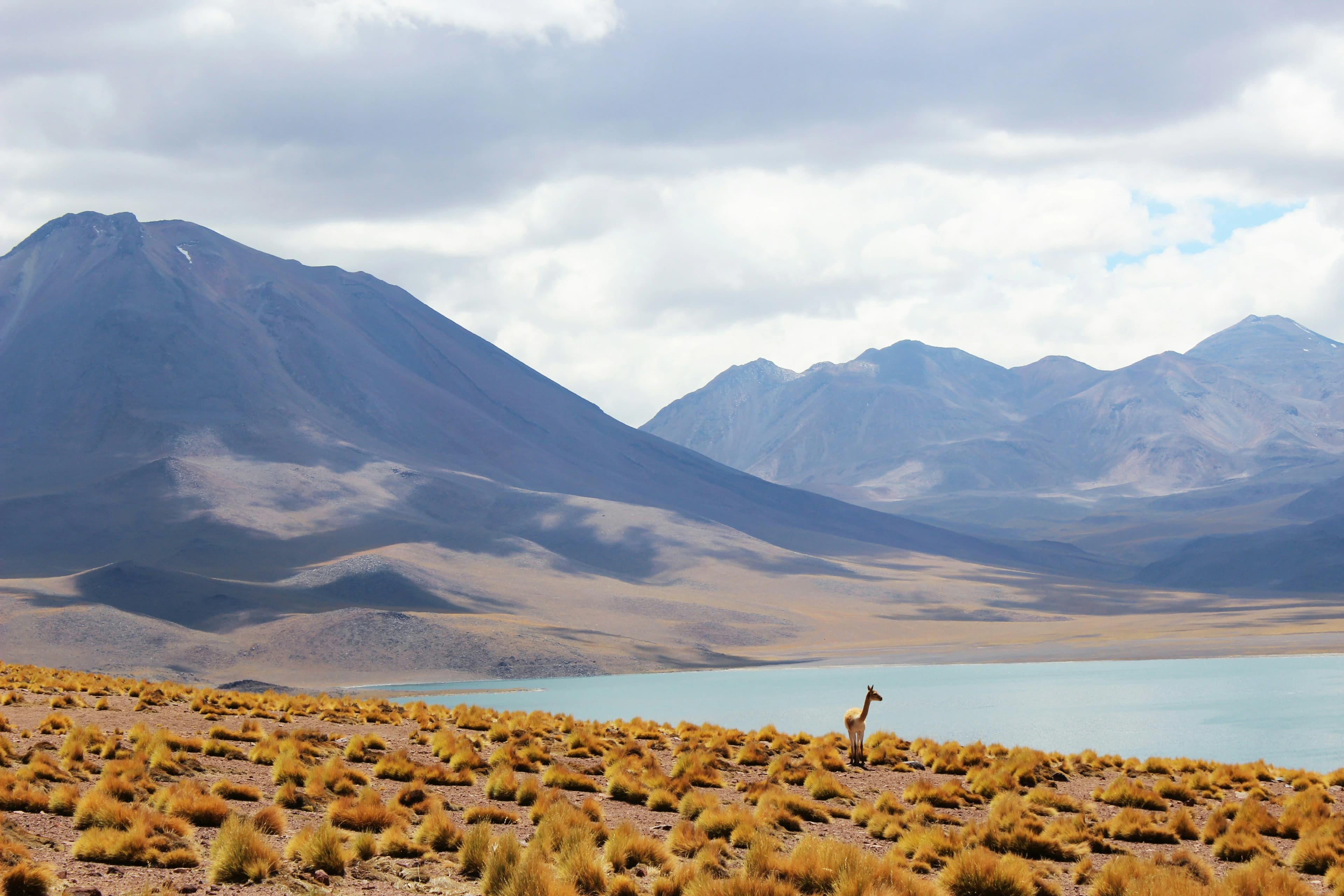
San Pedro de Atacama sits at approximately 2,400 metres above sea level in the Antofagasta region. The light here is particular: dry, unfiltered, and constant during daylight hours. The best properties in this area are low-rise, adobe-influenced structures that respond to the thermal extremes of desert nights and midday heat. A luxury suite in the Atacama is typically defined by its relationship to the exterior: private terraces oriented toward salt flats or volcanoes, open-air bathing, and darkness calibrated for stargazing. The region hosts some of the clearest skies on the planet, a fact that the finest hotels have integrated into their programming.
The Chilean Lake District and the Andes foothills
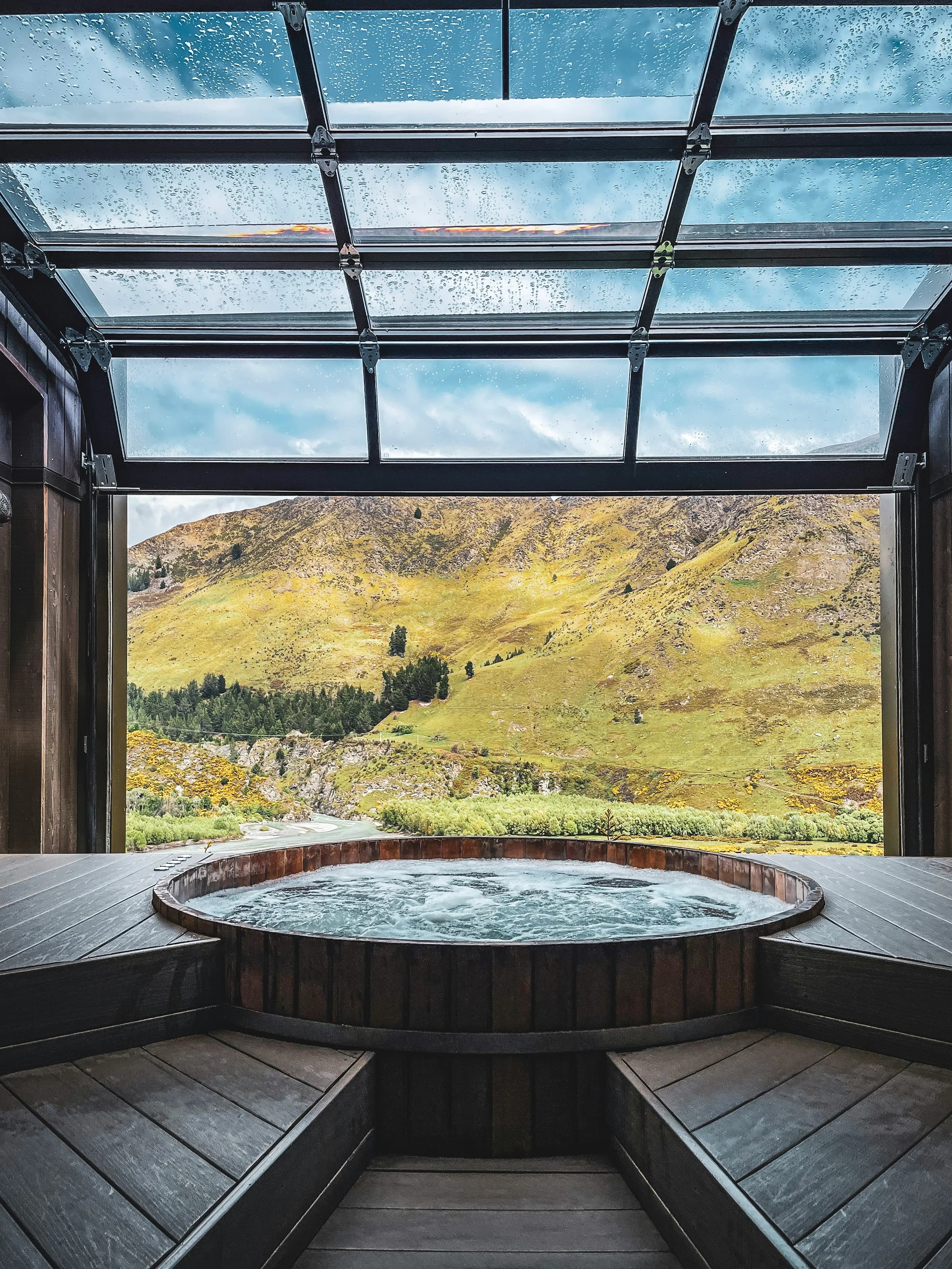
The Los Lagos and Araucania regions, centred roughly between Temuco and Puerto Montt, offer a fundamentally different register. Volcanic cones, deep glacial lakes, and dense native forest define the visual grammar. Luxury properties here tend toward the architecturally considered: large-format glass, local timber, and spatial planning that frames the landscape rather than competing with it. The thermal bath culture is embedded in this region, and the best hotels incorporate geothermal or mineral-rich soaking facilities as a structural amenity rather than an afterthought.
Patagonia: Chilean and Argentine border territory
The Torres del Paine area in Magallanes region represents a specific category of remote luxury. Access involves long-haul transfers from Punta Arenas, and the weather is genuinely unpredictable across all seasons. Properties positioned near the park perimeter or within private estancia land offer the most coherent experience. Luxury suites here are rarely about ornament: they are about insulation, proportion, and panoramic orientation toward granite towers and glacial lakes. Occupancy in the top properties is limited, and lead times for reservations can extend to twelve months for peak season slots.
The Chilean wine regions: Colchagua and Maipo
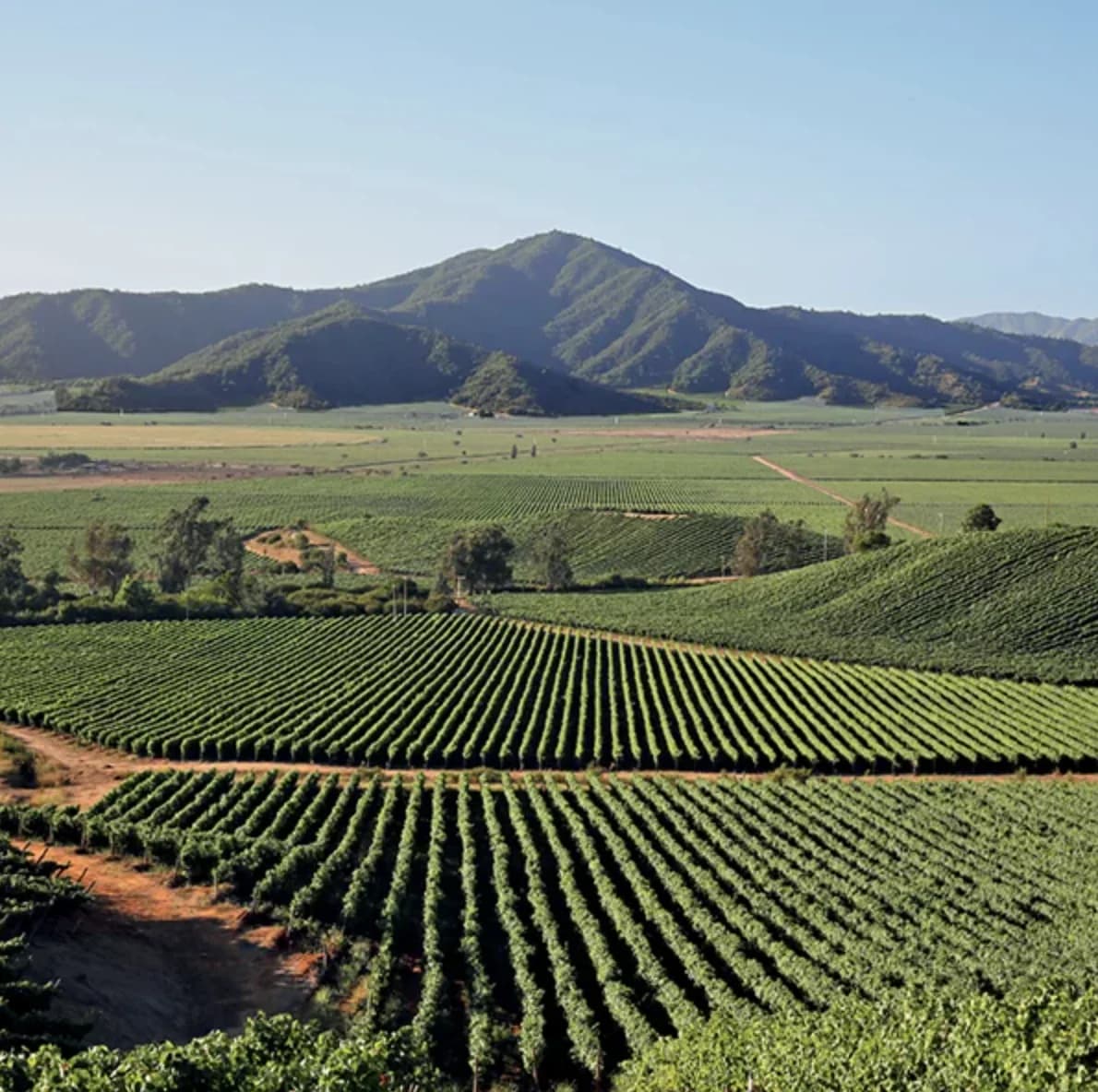
South of Santiago, the central valley wine regions form a quieter axis of luxury travel. Boutique lodge properties on working vineyards offer suite-level accommodation where the immediate environment is productive agricultural land rather than wilderness. The sensory experience is gentler: oak, soil, and afternoon heat. These properties attract travelers who are less focused on physical extremity and more interested in cultural depth, table culture, and extended stays.
When to visit Chile for a luxury suite experience
Chile's geography means there is no single optimal travel window. The northern Atacama is accessible year-round, with the driest and most stable conditions running from April through November. The shoulder months of April and May offer lower occupancy and more flexible suite availability without sacrificing conditions.
Patagonia's high season runs from November through March, aligned with the Southern Hemisphere summer. January and February represent peak demand, and premium suites at the most sought-after properties are typically fully committed by the preceding winter. Travelers planning a Patagonia-focused trip should factor in a minimum twelve-month booking horizon for first-choice properties.
The Lake District is most comfortable between November and April, though the shoulder periods offer a quieter version of the landscape with minimal trade-off in conditions. The wine regions south of Santiago are best experienced during harvest, which falls between late February and early April depending on the variety and elevation of the vineyard.
Understanding luxury standards in Chilean hotels
Chile does not operate under a formal national classification system equivalent to France's Palace designation or the UK's AA star-grading methodology. Quality signals must therefore be read differently. The strongest indicators of genuine suite-level luxury in Chile are: the ratio of staff to guests, the specificity of in-house naturalist or guide programming, the architecture's response to its immediate site, and the sourcing coherence of the kitchen.
Several Chilean properties have achieved international recognition through Relais and Chateaux membership or Leading Hotels of the World affiliation, which provide a reference point for minimum standards. However, some of the most considered luxury hotel suites in the country sit outside these frameworks, particularly in Patagonia and the Atacama, where small-scale independent operators have built highly specific experiences that formal classification systems are not well designed to measure.
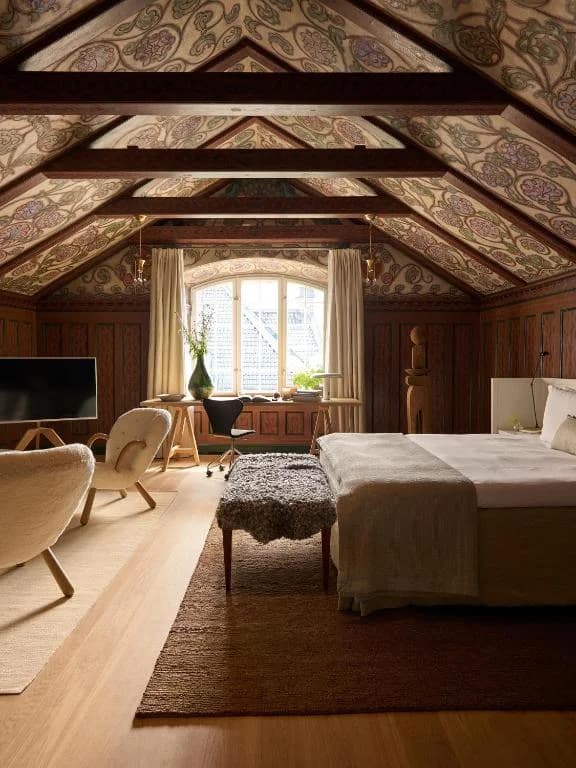
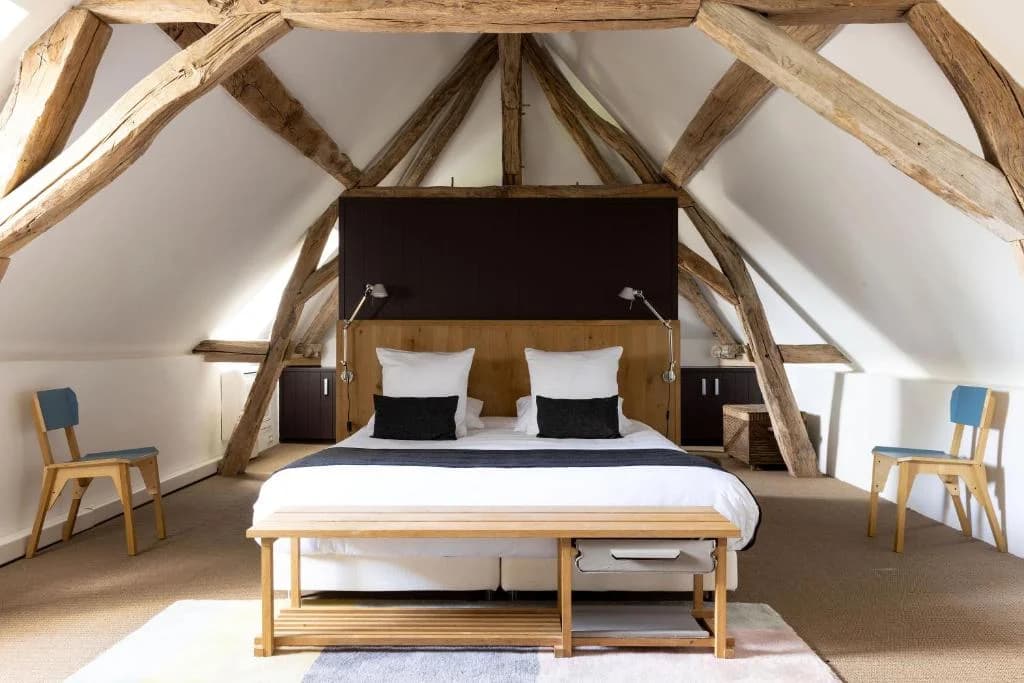
Expect suite interiors in the finest Chilean properties to reflect local material culture: volcanic stone, lenga beech timber, Mapuche textiles, and hand-thrown ceramics. The aesthetic register tends toward restraint and material honesty rather than European decorative opulence.
How to choose the right luxury suite in Chile
The primary decision axis in Chile is geographic rather than stylistic. Before considering room category or amenity set, a traveler needs to determine which region or combination of regions they are building around, because the logistics of moving between zones are significant and should not be underestimated.
For single-destination trips, the Atacama and Patagonia both support five to seven night stays at a single property with sufficient programming to justify the travel investment. For multi-region itineraries, the convention is to treat each major zone as a separate module with dedicated property selection.
Within any given property, suite selection in Chile often hinges on orientation. In the Atacama, south-facing terraces capture the most consistent volcano views. In Patagonia, suites positioned to face the Torres massif or a glacial lake frontage carry a meaningful experiential premium over garden-facing alternatives. This is not a detail that generic booking platforms surface reliably. Altitude is also a practical consideration in the north, where properties at higher elevations expose guests to more acute acclimatisation requirements.
Private transfer logistics, in-house versus third-party guide operations, and kitchen sourcing are all variables worth examining before confirming a reservation at this price point.
Why curated selection matters in Chile
With only a handful of properties in any given Chilean region meeting genuine luxury suite standards, the selection process is less about filtering volume and more about assessing fit between a specific traveler's priorities and a property's actual character. The gap between marketing representation and on-the-ground reality can be wide, particularly in remote areas where direct verification is difficult.
La Suite's curated selection for Chile is built on assessed properties, filtered by suite quality, site coherence, and the integrity of the guest experience across all touchpoints. For a destination this logistically demanding, where a misaligned property choice affects not just comfort but the entire structure of a trip, working from a curated reference is a practical advantage rather than a luxury abstraction.
Frequently asked questions
What are the best regions in Chile for a luxury hotel suite experience?
The four principal regions for luxury suite travel in Chile are the Atacama Desert, the Lake District, Patagonia near Torres del Paine, and the central valley wine regions south of Santiago. Each offers a fundamentally different landscape and architectural approach to high-end accommodation. The choice depends on whether the traveler is oriented toward wilderness, viticulture, or thermal and volcanic environments.
When is the best time to book a luxury suite in Patagonia, Chile?
The Patagonian high season runs from November through March, with January and February representing peak occupancy at the finest properties. Reservations for premium suites during this window are typically made twelve months in advance. Shoulder months such as November and March offer marginally more availability and quieter conditions without significant loss of weather quality.
How far in advance should I reserve a luxury suite in the Atacama Desert?
For the Atacama Desert, a booking horizon of three to six months is generally sufficient outside of peak Chilean holiday periods. The region is accessible year-round, and occupancy pressures are less acute than in Patagonia. That said, the smallest and most architecturally distinct properties operate with very limited room counts, and popular dates fill quickly.
What distinguishes a true luxury hotel suite in Chile from a standard high-end room?
In the Chilean context, a genuine luxury suite is typically defined by its site orientation, the ratio of indoor to outdoor private space, and the quality of naturalist or cultural programming integrated into the stay. Private terraces, dedicated butler or concierge service, and access to in-house guides are more reliable markers of suite-level quality than room size alone. Material quality, particularly the use of local volcanic stone, native timber, and artisan textiles, is also a meaningful differentiator.
Is Chile suitable for luxury travelers who are not interested in adventure activities?
Yes. While Chile's reputation is heavily weighted toward expedition travel, the wine regions of Colchagua and Maipo, the thermal spa culture of the Lake District, and several Atacama properties offer a quieter register of luxury focused on table culture, landscape contemplation, and extended rest. A well-chosen luxury hotel suite in any of these zones supports a non-physically demanding itinerary without requiring compromise on comfort or quality.
How does the Palace hotel classification in France compare to luxury hotel standards in Chile?
Chile does not have an equivalent to France's Palace designation, which is a state-awarded classification for hotels meeting specific criteria across service, architecture, and cultural contribution. Chilean luxury properties are assessed through international affiliations such as Relais and Chateaux or Leading Hotels of the World, or through independent editorial evaluation. Travelers accustomed to European classification frameworks should read quality signals through staff ratios, guide programming specificity, and kitchen sourcing rather than official star categories.
What should I look for when comparing luxury suites in Patagonia specifically?
Suite orientation is the primary variable in Patagonia: properties with direct sight lines toward the Torres del Paine massif or a glacial lake frontage deliver a materially different experience from those with secondary or garden-facing positions. Transfer logistics from Punta Arenas, the in-house versus third-party structure of excursion programming, and the thermal insulation quality of the suite itself are all practical considerations given the region's unpredictable weather patterns.
Are there luxury hotel suites in Chile that incorporate local Mapuche cultural influences?
Several of the more considered luxury properties in Chile, particularly in the Lake District and Araucania regions, incorporate Mapuche textile traditions, food culture, and design references into their interiors and programming. This integration ranges from decorative in some cases to substantive in others, including partnerships with local artisans and curated cultural visits. Properties that engage with this dimension in an authentic rather than decorative way tend to be identifiable through their kitchen sourcing and their guide and cultural programming rather than through marketing language alone.
Can I combine multiple Chilean regions in a single luxury trip?
Multi-region itineraries in Chile are logistically feasible but require careful planning given the country's extreme north-to-south length. A common structure pairs the Atacama Desert with Patagonia, with Santiago as a transit hub between the two. This format works well over twelve to fourteen days, allowing five to seven nights in each zone. Adding the Lake District or wine regions extends the trip and changes its register substantially, introducing a slower and more culturally embedded pace alongside the wilderness components.
How does La Suite select and curate luxury hotel suites in Chile?
La Suite curates Chilean properties based on assessed suite quality, the coherence between the property's architectural approach and its site, and the integrity of the guest experience across service, programming, and kitchen. Given the limited number of properties that meet genuine luxury suite standards in any Chilean region, the curation process is as much about confirming fit as it is about filtering volume. The selection is reviewed against direct property knowledge rather than relying solely on third-party classification systems.