Understanding Cuzco as a luxury destination
Key areas to consider when staying in Cuzco
The historic centre and Plaza de Armas
The historic centre, anchored by the Plaza de Armas, is where colonial grandeur is most concentrated. Properties occupying former convents, aristocratic casas, or ecclesiastical buildings in this zone offer the most direct immersion in the city's architectural palimpsest. Suites within these structures typically feature original stonework, interior courtyards, and elevations that frame the Cathedral of Cuzco or the Church of La Compañia de Jesús. Proximity to the main square means cultural access is immediate, though the area carries the ambient energy of a Unesco World Heritage site in active use.
San Blas
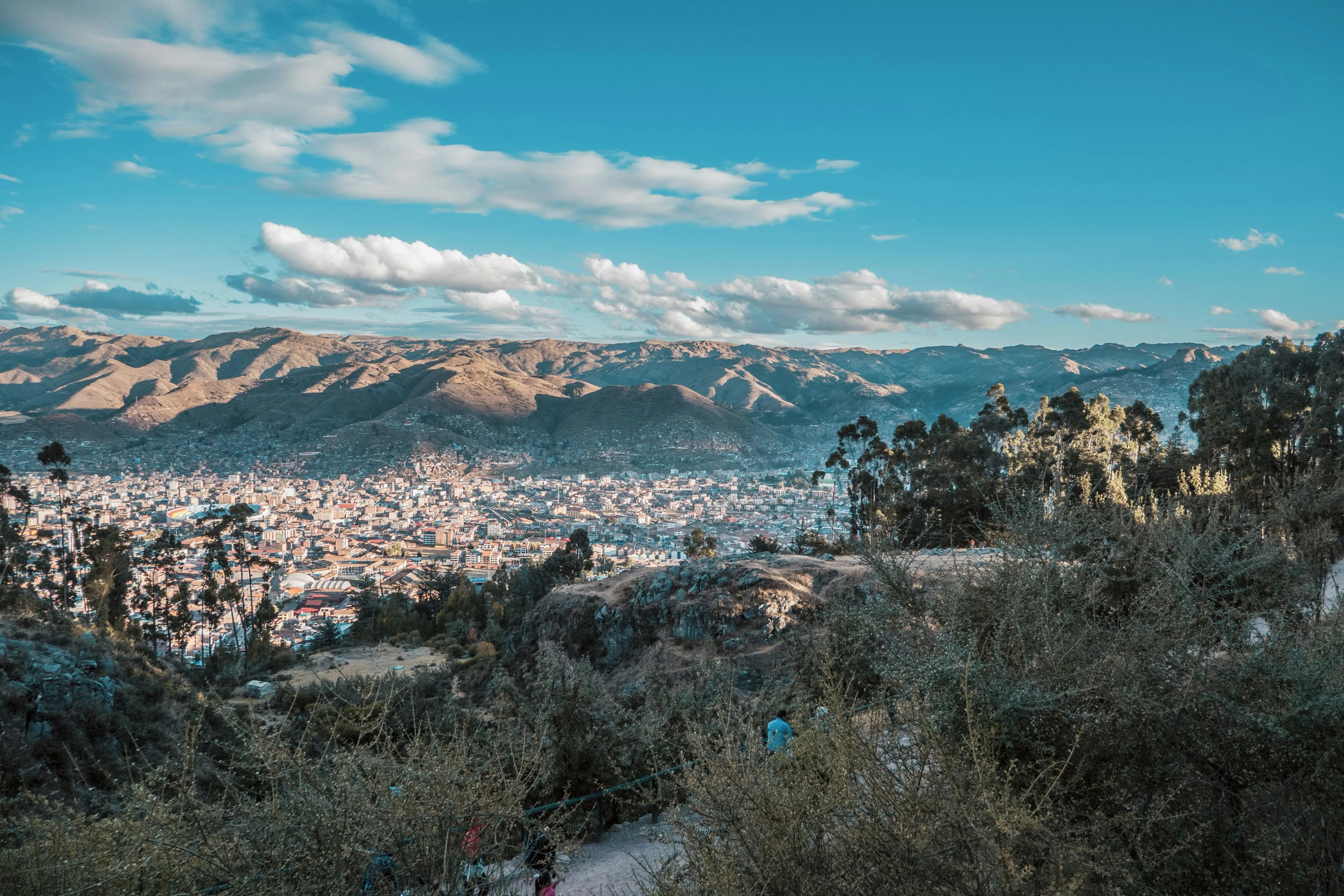
The San Blas neighbourhood, rising steeply northeast of the Plaza de Armas through narrow cobbled streets, is Cuzco's most artisan-dense quarter. Boutique properties here tend to be smaller in scale, more architecturally intimate, and positioned for travellers who prioritise aesthetic quietude over centrality. The neighbourhood's topography rewards those who are already acclimatised, as the elevation differential within San Blas itself is physically significant. Suite terraces in this district offer unobstructed views across terracotta rooftops toward the Andes.
The Sacred Valley as a complementary base
While not within Cuzco proper, the Sacred Valley of the Incas, running northwest between Pisac and Ollantaytambo, functions as an extension of the Cuzco luxury circuit. Several of Peru's most considered high-end properties are located here, at a lower altitude of approximately 2,800 metres, which makes acclimatisation physically easier for new arrivals. Many itinerary-conscious travellers begin their stay in the Valley before moving into Cuzco, using the altitude gradient strategically.
When to visit Cuzco for a luxury suite experience
Cuzco's climate follows a clear seasonal structure. The dry season runs from May through October, with June, July, and August representing peak demand. Temperatures during the day are mild, typically between 15 and 20 degrees Celsius, while nights drop sharply. Suite availability in the finest properties during this window requires significant advance planning, particularly around Inti Raymi, the Inca Festival of the Sun, held annually on 24 June. This event draws considerable international interest and compresses accommodation options across all categories.
The wet season, from November through April, brings afternoon rain and reduced visitor volumes. Properties are more accessible, rates are generally more negotiable, and the landscape around the city turns to an intense green that alters the visual character of the entire region. The period between November and early December is particularly considered by experienced travellers as offering the most favourable balance of conditions and availability. Machu Picchu itself remains open year-round, though entrance is managed through timed ticketing regardless of season.
Local luxury standards and what to expect from top-tier suites
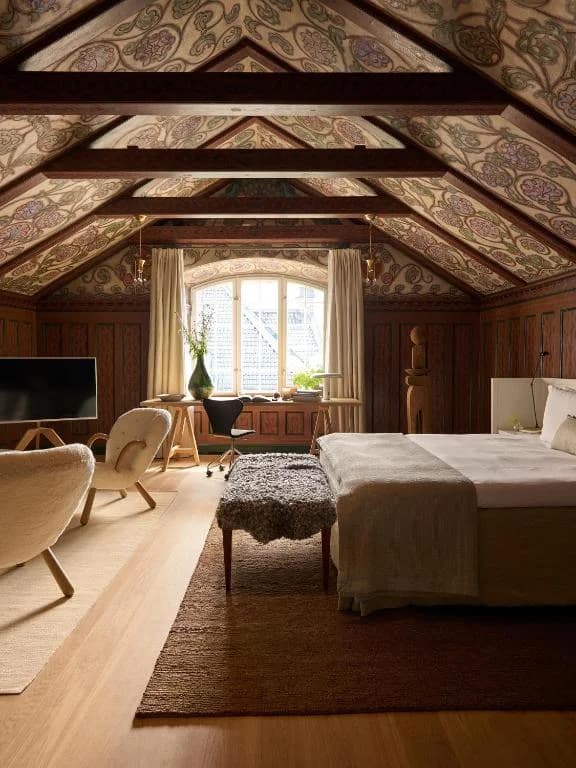
Peru does not operate a formal palace classification equivalent to France's system. Quality in Cuzco's upper tier is therefore best read through affiliation with international luxury consortia, the architectural provenance of the building, and the specificity of the property's cultural programming. The most respected properties in this category are typically housed in genuine colonial-era structures, with suites that have been designed with restraint rather than maximalism, allowing the building's original materiality to carry the spatial narrative.
Expect locally sourced textiles (alpaca and Andean wool feature prominently), altitude-conscious menus developed around Andean ingredients such as quinoa, chuño, and purple corn, and in-house medical support for altitude sickness, which is a practical rather than optional amenity at 3,400 metres. Private transfers, pre-arrival oxygen consultations, and culturally literate concierge programming are the differentiating features of genuinely high-calibre operations in this city.
How to choose the right luxury suite in Cuzco
Altitude management as a selection criterion
Altitude is the single most consequential practical variable in Cuzco suite selection. Symptoms of altitude sickness (headache, fatigue, shortness of breath) can affect even physically fit travellers upon arrival. The finest properties address this through supplemental oxygen in rooms, coca leaf tea protocols, and medical staff availability. When evaluating suites in Cuzco, altitude management infrastructure should be assessed with the same rigour as architectural quality or suite configuration.
Historical fabric versus contemporary design
Cuzco's luxury properties divide broadly into two typologies: colonial conversions, where the building's historical character is the primary draw, and contemporary interpretations that engage with Andean aesthetics through a modern lens. The choice is substantive. Colonial structures offer spatial idiosyncrasy, original stonework, and a direct physical connection to the city's history. Contemporary properties may offer more consistent technical standards in areas such as soundproofing, plumbing, and climate control. Both can achieve genuine excellence; the decision depends on whether the traveller is seeking immersion or refinement.
Private terrace access and views
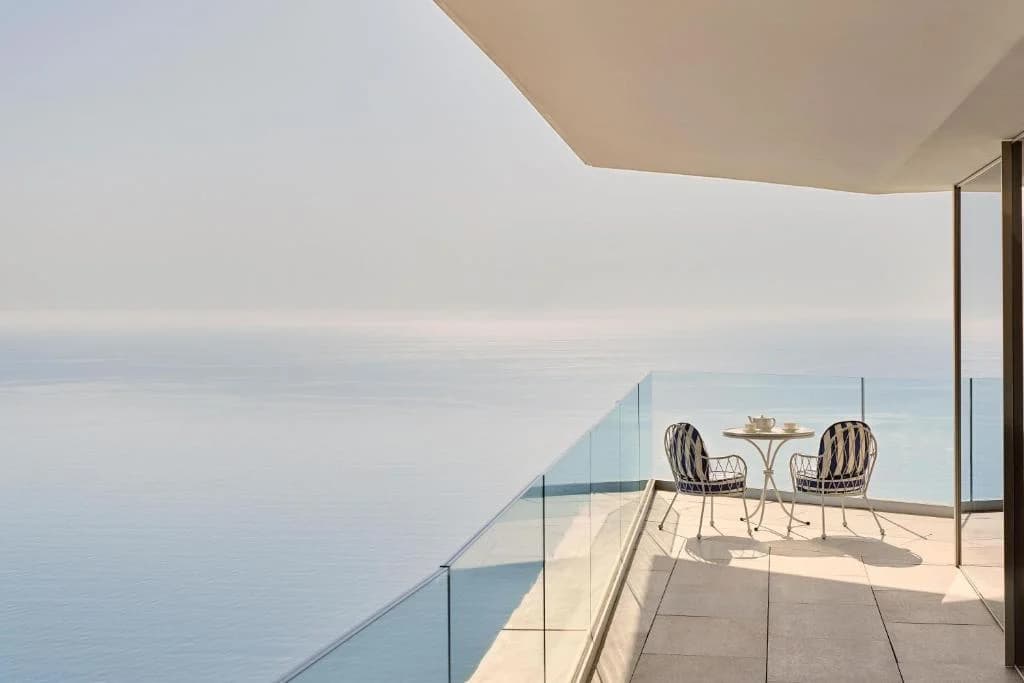
In Cuzco, the suite's relationship to its exterior elevation is a material consideration. The city's topography means that even modest vertical differentiation produces dramatically different sight lines. A suite with a private terrace oriented toward the Andes, or positioned above the roofline of the colonial centre, occupies a fundamentally different experiential register than one facing an interior courtyard, however beautiful the latter may be.
The value of a curated selection in Cuzco
Cuzco presents a particular curation challenge: its reputation as a globally significant destination has produced a wide range of properties that market themselves at the luxury level but deliver inconsistently. The gap between a property's positioning and its actual suite experience can be considerable, particularly in a city where altitude, building age, and the complexity of heritage renovation all introduce variables that generic booking platforms do not capture.
La Suite's curated selection in Cuzco is built on direct assessment of how each property manages the specific conditions of this city: altitude infrastructure, architectural integrity, cultural depth of programming, and the actual spatial quality of the suite itself. For a destination where the wrong choice means a physically compromised first 48 hours and a missed connection to one of the world's most significant archaeological environments, that curation is not a convenience. It is the difference between a trip that meets its potential and one that does not.