Understanding Lima as a luxury destination
Best areas to stay in Lima for suite travelers
Miraflores
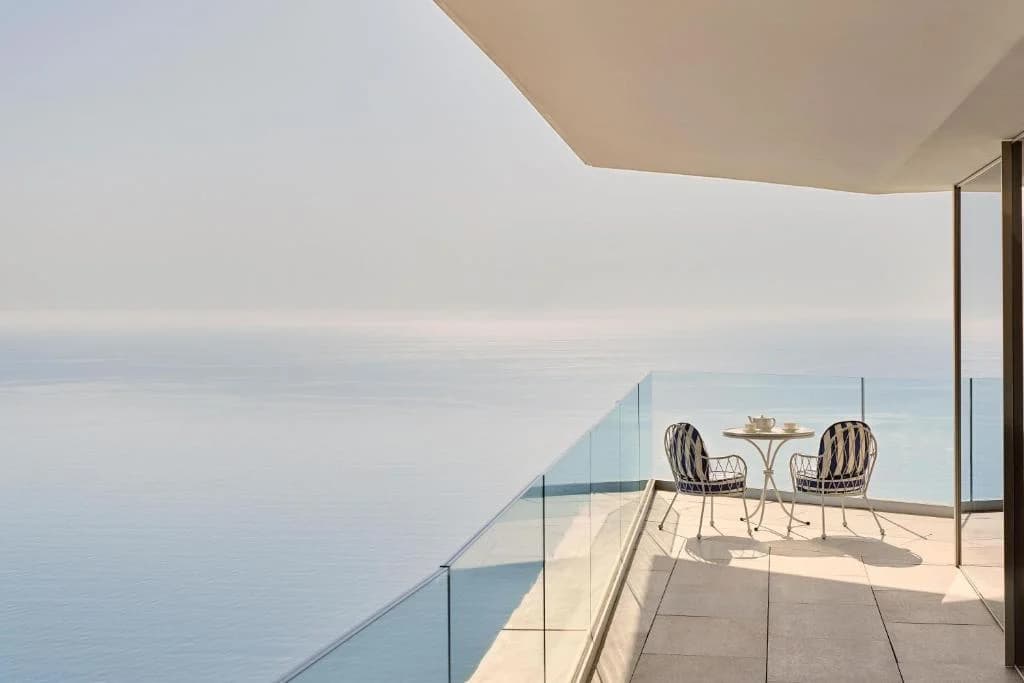
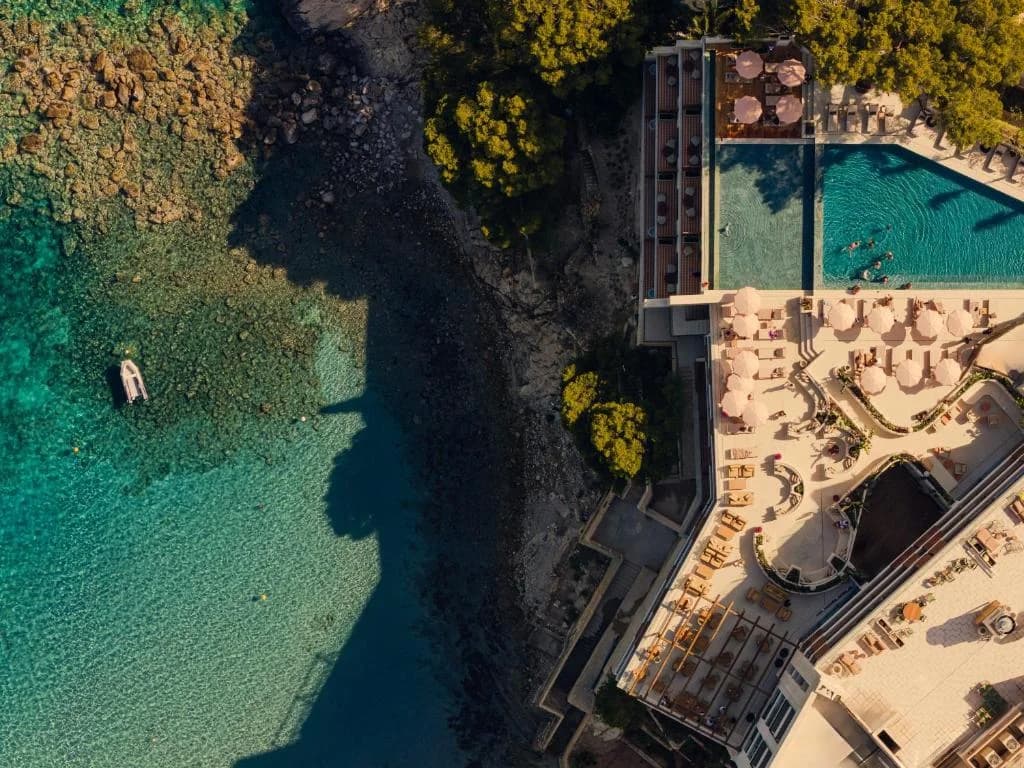
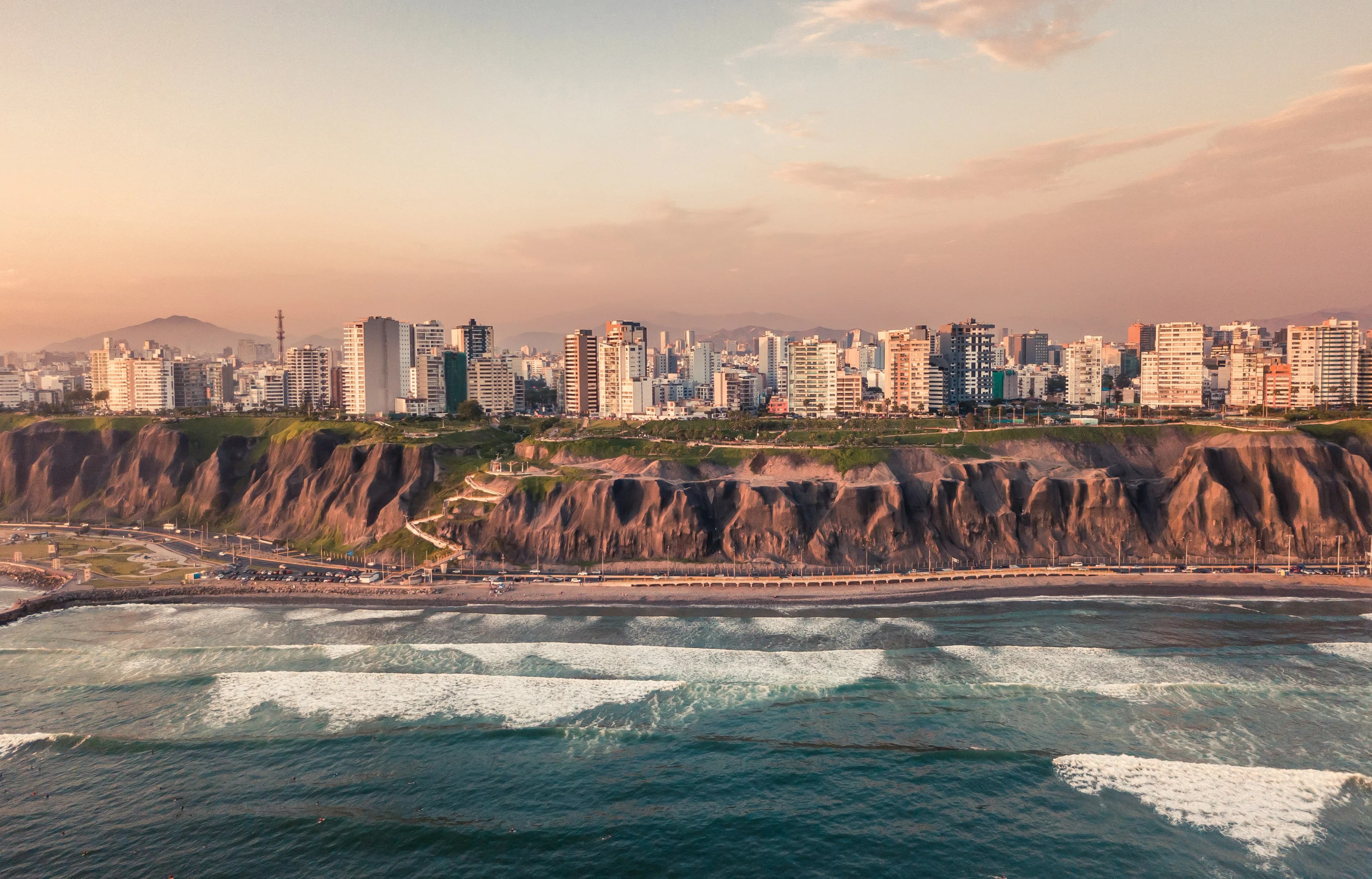
Miraflores remains the default address for international travelers seeking a luxury hotel in Lima. Its proximity to Larcomar, the clifftop shopping and dining complex, and its walkable access to Parque Kennedy and the Malecón coastal path make it operationally efficient. Suites here tend to occupy upper floors of full-service hotels, with Pacific-facing terraces that catch afternoon light when the garúa lifts. The district is well-policed, well-maintained, and oriented toward an international clientele without losing its residential character.
San Isidro
San Isidro is the choice for travelers whose stay involves business, embassy visits, or a preference for absolute quiet. The Bosque El Olivar, an urban grove of centuries-old olive trees planted in the colonial period, gives this district an unexpected calm. Luxury hotels here are typically positioned for corporate travelers but offer suite configurations that reward longer stays. The cooking scene in San Isidro, anchored by several landmark restaurants, is as rigorous as anything in Miraflores.
Barranco
Barranco functions as Lima's most architecturally coherent neighborhood. Its Republican-era houses, many converted into boutique hotels and cultural spaces, offer a suite experience that is fundamentally different from the international hotel model. Scale is smaller, design is more deliberate, and proximity to Lima's contemporary art scene is direct. The Puente de los Suspiros and the surrounding streets provide a pedestrian quality that the rest of the city rarely achieves. For design-literate travelers, Barranco is the correct answer.
When to visit Lima
Lima's climate is unusual for a city at this latitude. Positioned in a coastal desert kept temperate by the Humboldt Current, it rarely reaches extremes in either direction but divides clearly into two seasons. From December to April, summer brings warmer temperatures, clear skies, and dry conditions across the coast and the highlands. This is the optimal window for combining a Lima stay with travel to Cusco or Machu Picchu, as highland weather is more stable. From May to November, the garúa settles over the city, producing cool, overcast days that are entirely tolerable but unfamiliar to visitors expecting tropical conditions. Luxury hotel availability is generally strong year-round, though the Christmas and New Year period, as well as Fiestas Patrias in late July, see elevated demand across the best properties.
Lima does not have a single defining luxury travel event in the way that some European cities do, but the annual release of the Latin America's 50 Best Restaurants list, which has consistently featured Lima restaurants in its upper rankings, draws a concentrated wave of gastronomically focused international travelers. Planning a suite stay around this period provides access to tasting menu experiences at their most competitive.
Lima's luxury hotel standards and what to expect
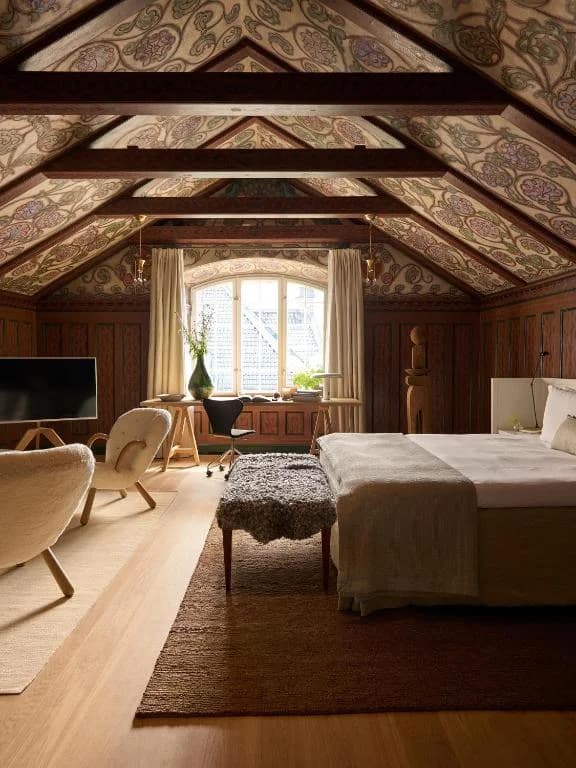
Peru does not operate a formal palace hotel classification in the manner of France. The distinction between a five-star hotel and a genuinely elite property in Lima is therefore best read through other indicators: the presence of branded spas with locally sourced treatments, in-suite dining programs developed by named chefs, butler service with genuine local knowledge, and the quality of the suite's physical construction, including ceiling height, natural materials, and acoustic separation from corridors and adjacent rooms.
Lima's top-tier hotels have increasingly invested in suite-level amenities that reflect the city's gastronomic identity. In-room dining in the city's best properties is not an afterthought but an extension of restaurants that hold serious regional reputations. Suites at the upper end of the market tend to feature Peruvian textiles, ceramics, and art commissions rather than generic luxury hotel furnishings, which gives them a cultural specificity that differentiates them from comparable suites in other Latin American capitals.
The concept of the boutique hotel in Barranco deserves particular attention. Several properties in this district have developed suite configurations within restored historic buildings, where original architectural features, including tiled floors, internal courtyards, and period ironwork, are preserved and integrated into the guest experience. This is a different register from the clifftop international hotel but represents a legitimate and increasingly sought-after form of luxury accommodation in Lima.
How to choose the right suite in Lima
The first decision is district, and it should be made before considering individual properties. Miraflores suits travelers who want operational ease, Pacific views, and proximity to the city's most established restaurants. San Isidro suits those with business commitments or a preference for quiet over character. Barranco suits design-conscious travelers prepared to trade some convenience for architectural integrity and cultural proximity.
The second decision concerns suite configuration. Lima's luxury hotels offer a range of suite types, from junior suites with dedicated seating areas to full residential configurations with separate living rooms, private dining spaces, and in some cases, private terraces with direct ocean or garden views. For extended stays of four nights or more, the additional space of a larger suite is not a luxury but a functional requirement, particularly given Lima's traffic conditions, which make leaving the hotel a considered decision rather than a casual one.
Travelers should also assess the hotel's culinary infrastructure. In a city where the restaurant scene is as sophisticated as Lima's, a hotel that can secure reservations, facilitate private chef experiences, or extend the restaurant program into the suite itself represents a meaningful advantage. This is a specific capability worth verifying before booking.
Why curation matters in Lima
The Lima luxury hotel market contains a relatively small number of genuinely elite properties, but navigating even a contained market without guidance carries real costs. The difference between a suite with Pacific views and one facing an internal courtyard, or between a property with genuine butler infrastructure and one that uses the term loosely, is not always visible in standard booking interfaces. La Suite applies a consistent editorial framework to the properties it lists, assessing not just the physical suite but the service architecture, the culinary integration, and the degree to which a property understands what a high-end traveler actually requires in Lima specifically. The curated selection by La Suite reflects direct knowledge of the market rather than aggregated user reviews or commission structures.