Understanding the geography of a Machu Picchu stay
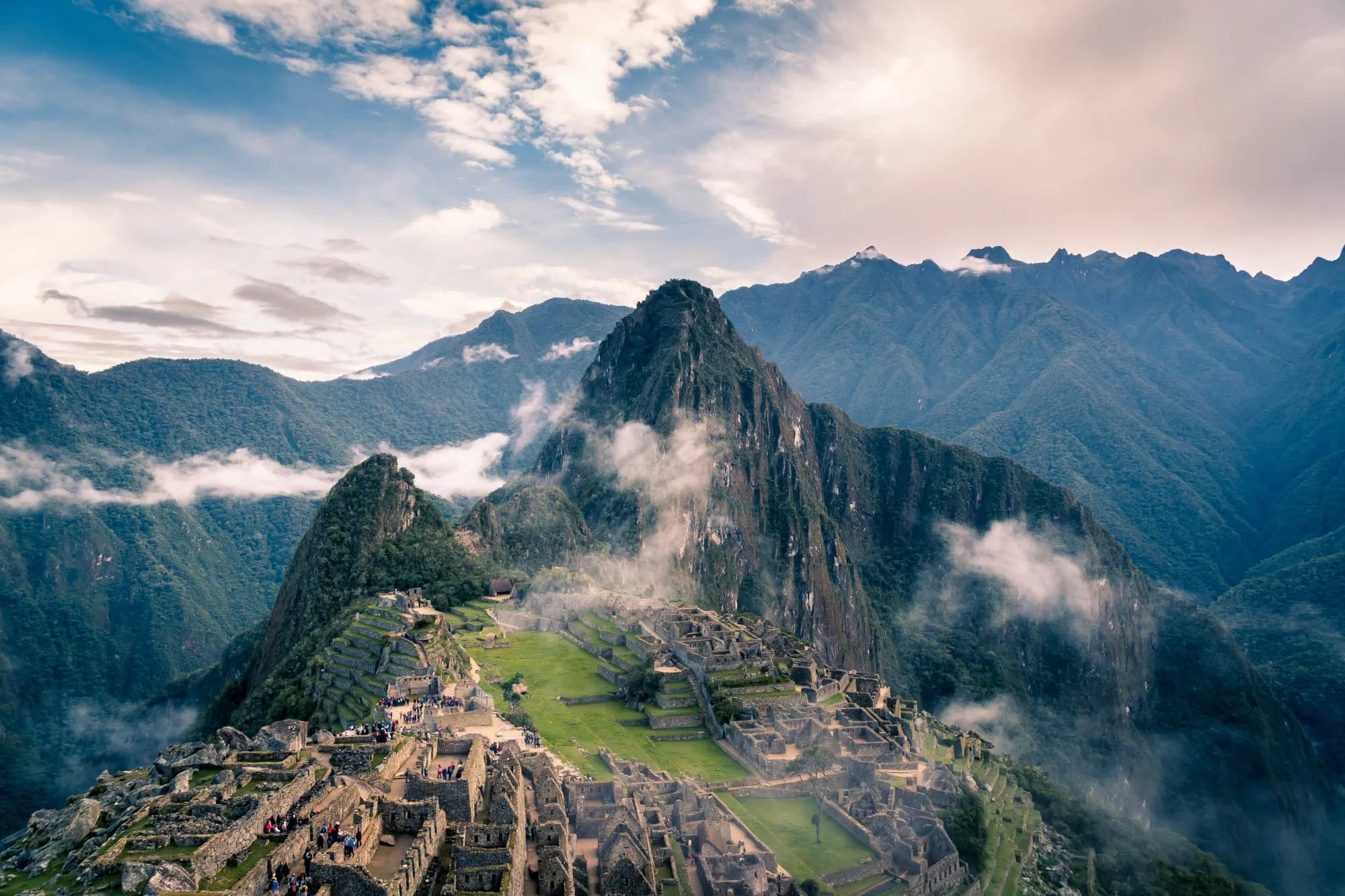
Aguas Calientes (officially Machu Picchu Pueblo) is the only town at the base of the citadel, accessible exclusively by train from Ollantaytambo or Cusco. Staying here places you closest to the entrance gates, with the advantage of early access before day-visitor crowds arrive. The town is compact and built along a river gorge; its best properties channel the surrounding cloud forest rather than competing with it.
The Sacred Valley, the broad agricultural corridor running between Cusco and Ollantaytambo, offers an alternative logic. Altitude here is more forgiving (approximately 2,800 metres versus Cusco's 3,400), and the landscape opens into a scale that suits extended stays. Properties in this corridor tend toward hacienda and estate formats, with gardens, thermal pools, and views across Inca terracing. From here, Machu Picchu is a day excursion rather than a doorstep experience, which some travelers find the more considered approach.
Cusco itself, the former Inca capital and now a UNESCO World Heritage city, serves as the regional hub. Colonial palaces converted into high-end hotels line the historic centre; these are architecturally significant buildings in their own right. For travelers combining Machu Picchu with broader Peruvian exploration, a suite in Cusco anchors the itinerary with cultural density.
When to visit: seasons, access, and suite availability
Peru's Andean climate divides into two distinct seasons. The dry season runs from May through October, peaking in June, July, and August. During these months, the Inca Trail is fully operational, skies are reliably clear, and site visibility is at its sharpest. This is also the period of highest demand; suites at the best properties near Aguas Calientes and in the Sacred Valley should be secured well in advance, often four to six months ahead for peak weeks.
The wet season, November through April, brings daily rainfall and frequent cloud cover at altitude. The citadel itself takes on a different character during these months: mist moves through the terraces, vegetation is intensely green, and visitor numbers drop considerably. February is the only month when Machu Picchu closes entirely for maintenance. For travelers who prioritise solitude and photographic atmosphere over guaranteed clear skies, the shoulder months of November and April offer a compelling case.
The Inti Raymi festival in late June (the Inca festival of the sun, centered in Cusco) draws significant cultural interest and fills accommodation across the region. Travelers attending should plan accommodation accordingly.
Local luxury standards: what to expect from top-tier suites here
Peru does not operate under the formal palace classification system used in France, nor does it have an equivalent of Japan's ryokan grading structure. The luxury hotel landscape here is shaped instead by three distinct typologies that serious travelers should understand before selecting a property.
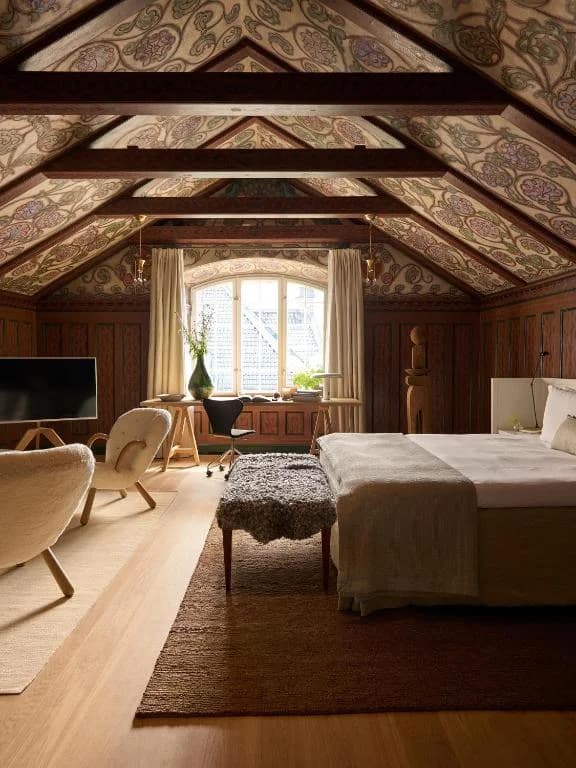
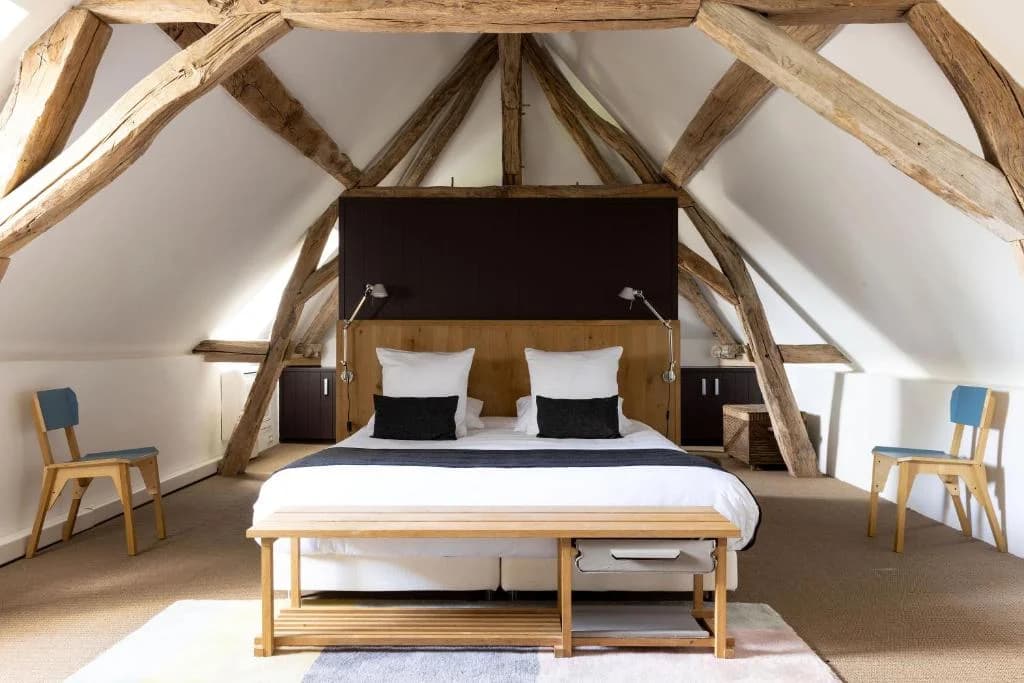
The first is the converted colonial or hacienda property. These are historic buildings, frequently dating to the 16th or 17th century, that have been adapted into high-end hotels. Their suites tend to feature thick stone walls, interior courtyards, and original architectural detailing. Comfort levels are high, but the spatial logic follows the original structure rather than a contemporary hotel brief.
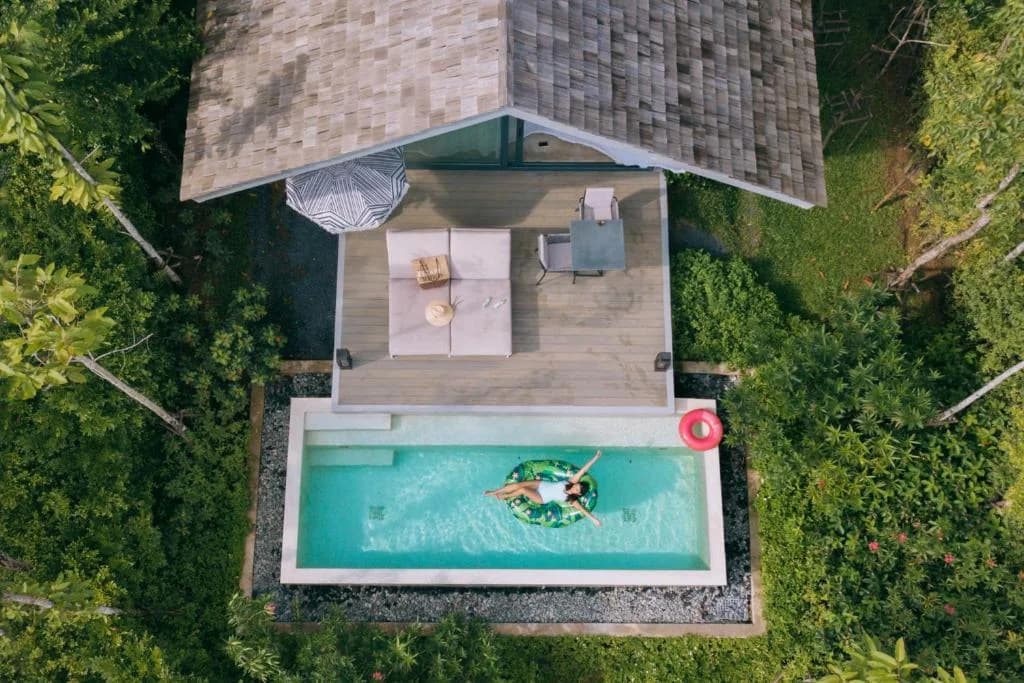
The second typology is the purpose-built contemporary lodge, particularly prevalent in the Sacred Valley and around Aguas Calientes. These properties are designed from the ground up with the landscape as the primary material: views are framed, thermal springs are integrated, and local stone and wood define the aesthetic. Suites here often prioritise a direct visual or physical connection to the environment.
The third is the train-connected sanctuary property. There is one property within the Machu Picchu sanctuary itself (accessible only by a separate permit and transport), which operates as a singular category: the only hotel with an address inside the archaeological reserve. Suites here command significant premiums and require advance planning of a different order entirely.
Across all categories, altitude acclimatisation is a practical consideration that the best properties address directly: coca tea, oxygen availability, and knowledgeable staff briefings are standard markers of quality at this elevation.
How to choose the right suite: practical considerations for this destination
The decision framework for a Machu Picchu suite differs from most luxury destinations because proximity to the site is not automatically the dominant variable. Travelers should map their priorities clearly before selecting.
If early access to the citadel before crowds is the priority, then Aguas Calientes is the logical base. Look for suites with river-facing orientations and properties that offer private transfer arrangements to the gate. Altitude here is manageable; the challenge is the town's limited scale and the noise of the river and passing trains.
If the quality of the stay itself is weighted equally with site access, the Sacred Valley offers the strongest case. The landscape is extraordinary, the climate more comfortable, and the best properties here rank among the most considered in South America. Machu Picchu becomes one element of a broader itinerary rather than the sole focal point.
If cultural depth is the primary motivation, a suite in Cusco's historic centre provides access to museums, markets, Inca stonework, and a restaurant culture that has developed significantly over the past decade. Day trips to Machu Picchu run efficiently by train from Cusco station.
In all cases, travelers should verify that their chosen property has protocols for altitude adjustment, particularly if arriving directly from sea level. The best luxury hotels in the region treat this as a standard part of the arrival experience, not an afterthought.
The value of a curated selection in a constrained destination
The Machu Picchu region presents a specific curation challenge: the total number of properties that meet a genuine luxury standard is small, the geographic options are structurally different from one another, and the wrong choice in terms of location or category can materially affect the quality of the entire journey.
La Suite approaches this territory as it does all high-stakes destinations: with a focus on properties where the suite itself is an architectural and experiential argument, not simply a larger room. In a destination where the surrounding landscape does much of the work, the interior quality and spatial intelligence of a suite matter considerably more than a long amenity list.
The curated selection by La Suite filters for properties where altitude is managed with expertise, where the relationship between the suite and its landscape setting is deliberate, and where early access, privacy, and genuine local knowledge are built into the experience. In a destination with this level of complexity, that filter is not a luxury: it is a necessity.