








The Soul of Space: When Heritage Becomes the Destination | LaSuite.com
BY Jules Peulet
Ultimate luxury is no longer engineered; it is inherited. This essential guide deciphers the profound psychological aura of the Heritage Suite, exploring the hidden architectural stakes of historical preservation, the allure of authentic patina, and why elite travelers worldwide abandon glass towers for spaces endowed with soul.
In the contemporary landscape of ultra-luxury hospitality, new establishments are launched daily. Billions of dollars are invested in the construction of vertiginous glass penthouses, futuristic kinetic facades and hyper-modern minimalist sanctuaries. These new constructions offer impeccable technological integration, mathematically perfect ergonomics and immaculate, flawless surfaces. Yet, despite their unlimited budgets and architectural supremacy, they fundamentally lack the unique element that the modern ultra-luxury traveler desires above all else: a soul.
The modern definition of luxury has aggressively turned away from the simple pursuit of shine and newness. For the ultra-wealthy individual—who already inhabits hyper-modern and perfectly designed spaces in their daily life—ultimate luxury is the acquisition of time, history and narrative. He does not simply wish to book a room; he wants to inhabit a legend. He seeks properties where the walls guard jealously preserved secrets, where the floors possess the authentic patina of centuries, and where the air is charged with the ghosts of the titans who preceded them.
This profound desire has elevated the heritage suite to the rank of the most coveted and expensive real estate in the global travel market. When an iconic palace hotel manages to preserve its historical DNA while seamlessly integrating modern operational comfort, it ceases to be a mere commercial hospitality venue. It becomes a cultural monument, a silent witness to history, and an active participant in global diplomacy and the arts.
This exhaustive master guide deconstructs the psychology of heritage hospitality. We will explore why the past creates an irrepressible desire, how master architects and hotel archivists navigate the brutal challenges of historical restoration, how to modernize a nineteenth-century palace without destroying its soul, and how the elegance of slow time has become the ultimate metric of prestige in the modern luxury suite.
1. The ghost's aura: sleeping in the shadow of giants
The most powerful marketing tool in luxury hospitality's arsenal is not a panoramic ocean view, a private infinity pool or a Michelin-starred room service menu; it is the authenticated ghost of a historical giant. There is a profound, almost mystical psychological transfer that occurs when a guest crosses the threshold of a suite intrinsically linked to a legendary figure. The suite ceases to be evaluated according to its square footage or the thread count of its silk draperies; it is evaluated entirely by the magnitude of the legacy it contains.
Consider the Gabrielle Chanel Suite at the Ritz Paris. When an elite traveler pays an extraordinary premium to sleep in this specific architectural volume, they are not simply renting a magnificently appointed room overlooking Place Vendôme. They are paying for the profound emotional resonance of inhabiting the exact space where the most influential fashion creator of the twentieth century lived for thirty-four years. They share the same vistas, breathe the same historical air, and absorb the rebellious and elegant energy that defined her global empire. Architecture acts as a physical bridge across time.
This psychological phenomenon extends globally. At the Mamounia in Marrakech, the Winston Churchill Suite commands absolute reverence because it is the precise sanctuary where the British Prime Minister retreated to paint in watercolor and find solace during the darkest days of the twentieth century. At the Pera Palace in Istanbul, Room 411 remains a literary pilgrimage site because it is where Agatha Christie allegedly wrote Murder on the Orient Express. At L'Hôtel in Paris, the suite where Oscar Wilde famously spent his final days declaring mortal combat against his wallpaper remains one of the most sought-after rooms in the French capital.
The presence of these historical giants irrevocably transforms the perceived value of the space. The suite becomes a vessel of inspiration. For the modern CEO, creative director, or writer seeking a professional breakthrough, sleeping in the shadow of these titans offers an implicit, intoxicating promise: that the creative or intellectual power of the former resident might somehow seep into their own unconscious. To explore the specific suites that have hosted the architects of the modern world, discover our dedicated guide: The Suites of Legends: how former residents define modern prestige, where we map the ultimate historical sanctuaries available for reservation today.
2. The Architectural Paradox: Restoring Legacy Against Modern Comfort
Owning a piece of history is a profound privilege, but maintaining it is an architectural and financial nightmare. Creating a modern heritage suite requires navigating a brutal and relentless paradox: the property must offer the cutting-edge technological fluidity demanded by the twenty-first-century billionaire, without destroying the delicate and irreplaceable historical fabric of nineteenth-century architecture.
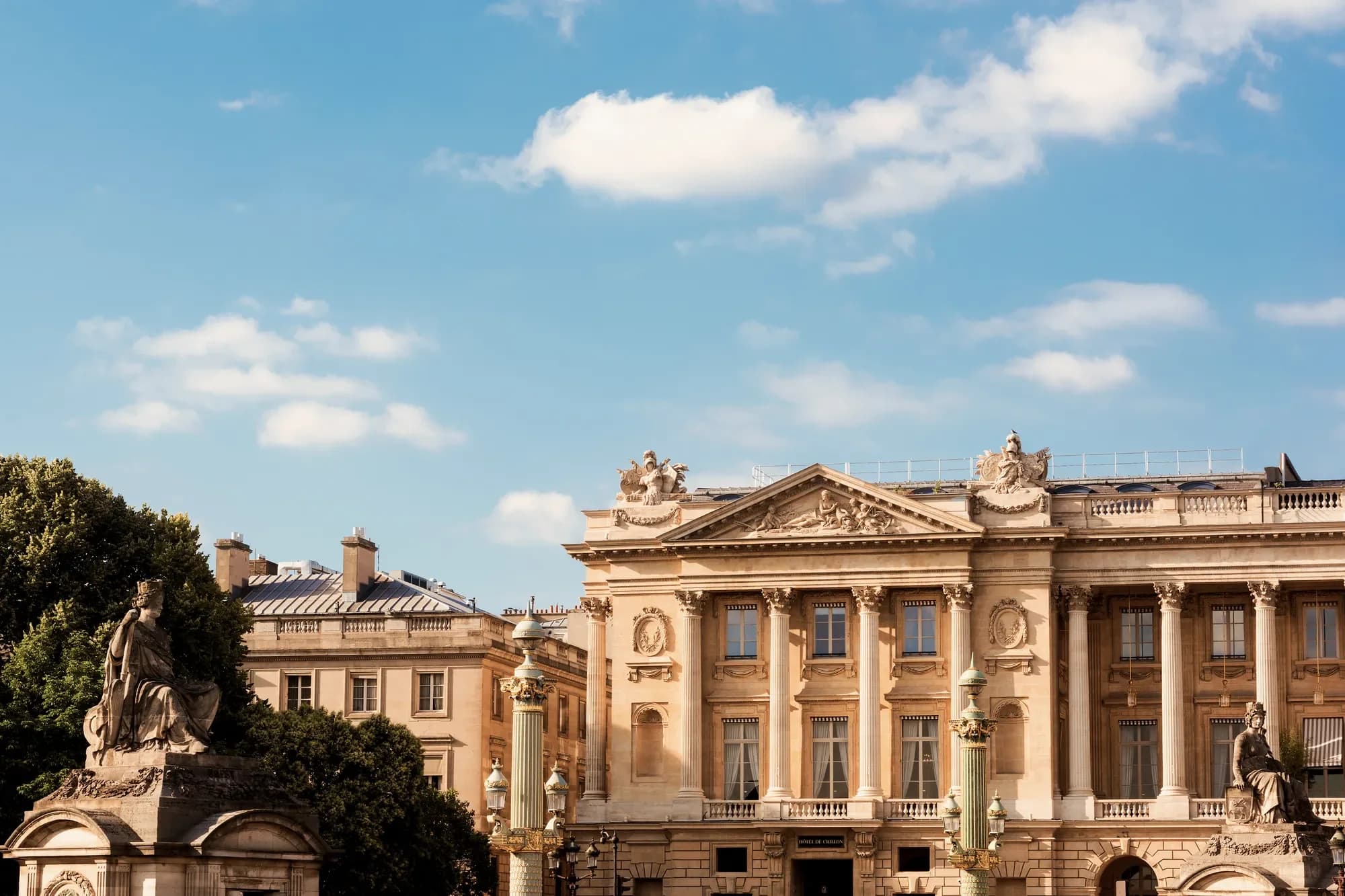
When a legendary palace — such as The Savoy in London, the Hôtel de Crillon in Paris or the Waldorf Astoria in New York — undergoes a renovation spanning several years and several hundred million dollars, architects face heart-wrenching decisions. Elite travellers demand flawless, silent climate control, high-speed fibre optic connectivity and massive spa-calibre water pressure. Yet installing vast air conditioning ducts, running miles of digital cabling and reinforcing old wooden floors to support the immense weight of monolithic modern marble bathtubs often conflicts with strict preservation laws governing listed historical monuments.
Master architects specializing in heritage restoration operate far more as archaeologists and illusionists than traditional builders. They must completely gut the building's internal structure to install modern concrete cores and digital nervous systems, then meticulously reconstruct the historical façade and interior panelling so nothing appears to have changed. The goal is invisible modernization.
Moreover, the modern heritage suite faces an enormous sustainability challenge. How do you make an eighteenth-century palace energy-efficient when national heritage laws explicitly forbid the removal of original single-glazed wooden windows? Architects must deploy brilliant solutions, such as developing custom, invisible interior secondary glazing that provides modern thermal and acoustic insulation without altering the historic exterior façade.
This restoration process requires the mobilization of the world's most elite and most endangered artisans. When a silk damask wall covering is damaged in a heritage suite, the hotel cannot simply order a replacement from a commercial catalogue. It must commission from the original silk weaving houses in Lyon or Venice, using 18th-century Jacquard looms to recreate the exact textile pattern from archived original perforated cards. When Versailles parquet flooring is restored, master carpenters use traditional hand-scraping tools and organic beeswax, intentionally avoiding modern synthetic polyurethanes that would destroy the tactile authenticity of the wood. To understand the monumental financial and technical challenges of keeping history alive, consult our comprehensive architectural analysis: Restoring Heritage: The Hidden Challenges of Preserving the Palace Suite.
3. The Walls That Whisper: Hotel Archivists and Hidden Secrets
A luxury suite is the ultimate closed-door environment, making it the perfect stage for the most critical and confidential moments in human history. The prestige of a heritage property is heavily weighted by the secrets its walls have absorbed. A suite that hosted clandestine diplomatic negotiations, royal scandals, or the drafting of treaties that changed the world possesses a narrative gravity that no new building can ever reproduce.
However, to monetize this history, hotels can no longer rely on vague rumours. Elite travellers demand authenticity. Consequently, the world's greatest palaces have created a highly specialized new role: the hotel archivist. These in-house historians are tasked with sifting through century-old guest registers, physical leather-bound books, unearthing vintage luggage labels, and reading decades of private correspondence to authenticate legends. The archivist ensures that when a hotel claims Ian Fleming wrote a James Bond novel in a specific suite, documented evidence exists. He preserves physical artefacts—a framed 1920s bar chit, an original room key, or a handwritten letter on hotel letterhead—and displays them within the suite, transforming the room into a verifiable historical exhibition.
Throughout the 20th century, Europe's, Asia's, and the Americas' great hotels served as neutral ground for major players of global power. The suites at Hotel Sacher in Vienna or Beau-Rivage in Geneva hosted countless espionage exchanges, peace treaty drafting sessions, and parallel diplomacy meetings that circumvented official government channels.
Beyond global politics, heritage suites are the epicenters of cultural scandals and legendary romance. These are the spaces where Elizabeth Taylor and Richard Burton conducted their explosive and highly public affairs far from the prying lenses of paparazzi. These are the rooms where legendary rock bands of the 1970s threw televisions out windows, defining an era of absolute hedonistic rebellion.
For the modern elite traveler, knowing the illicit, scandalous, or historically essential events that unfolded in the precise location where he currently savors his morning espresso adds an intoxicating layer of narrative depth to the stay. The hotel is no longer a passive service provider; it is a legendary storyteller. To discover the most captivating stories hidden behind the heavy mahogany doors of the world's greatest palaces, immerse yourself in our curated selection: Hotel Secrets: The Diplomacy, Scandals, and Masterpieces Forged in the Suites.
4. The Sensory Legacy: The Sound and Scent of the Past
Heritage is not merely a visual experience; it is a profound sensory immersion. One of the most overlooked aspects of historic luxury hospitality is the preservation of the building's acoustic and olfactory signatures. Modern hotels, constructed with endless sheets of drywall, synthetic carpeting, and highly polished resins, possess a completely sterile sensory profile. Heritage suites, by contrast, are alive.
The Acoustic Signature: A nineteenth-century palace possesses a unique acoustic resonance. The massive thickness of original structural stone walls offers a deep and heavy silence that modern soundproofing struggles to replicate. Yet within this silence, there is life. The subtle and satisfying creak of original Versailles parquet beneath the feet, the sharp metallic and heavy sound of a massive brass door mechanism engaging, or the muffled chime of a grandfather clock resonating through a grand corridor—these are the acoustic signatures of heritage. Elite travelers cherish these sounds; they are auditory evidence of the building's survival and structural integrity.
The Olfactory Signature: The scent of a true heritage property cannot be reproduced by spraying synthetic ambient fragrance through air conditioning ducts. The olfactory profile of a historic suite is built over decades. It is the complex and rich amalgam of organic beeswax-based wax used on antique mahogany woodwork, the subtle and delicate dry fragrance of aged leather armchairs, the crisp scent of starched linen, and the faint sweet aroma of old paper from the suite's private library. Vanguard heritage properties actively protect this olfactory profile, employing master perfumers to identify the building's organic scents and ensuring that cleaning teams use only traditional and natural waxes and soaps to maintain the authentic aroma of the past.
5. The Elegance of Slow Time: Why Patina is the Ultimate Luxury
At the highest levels of aesthetic appreciation, perfection is considered vulgar. The modern obsession with flawless finishes and ultra-bright surfaces, scratch-resistant synthetic materials, and sterile environments is perceived by true design connoisseurs as a characteristic mark of "new money" anxiety. True luxury—the aesthetic of "old money"—embraces the Japanese philosophy of Wabi-Sabi: the profound and discreet beauty found in imperfection, impermanence, and the physical trace of time.
This is the philosophy of Patina, and it is the defining characteristic of the world's most authentic heritage suites. When a true aesthete enters a historic suite at the Villa d'Este on Lake Como or at Raffles Singapore, they do not wish to see brass door handles polished to a blinding synthetic shine. They want to see the oxidised bronze darkened where thousands of hands have turned the handle before them. They want to feel the gentle indentations in the marble threshold carved by centuries of footsteps. They want to observe the subtle discolouration of antique Persian carpets caused by decades of afternoon sunlight.
This physical trace of "slow time" provides profound psychological comfort. It communicates permanence. In a world characterised by hyperbolic speed, digital fragility, and constant aesthetic disruption, a room that proudly displays its age offers the resident an anchor. It proves that the space has survived world wars, economic collapses, and cultural shifts, and that it remains standing, dignified and elegant.
Preserving this patina is actually far more difficult and costly for a hotel than simply replacing old objects with new manufactured products. It requires constant and gentle curation. Wood must be hand-oiled rather than chemically varnished; leather must be conditioned to crack elegantly rather than flake; antique mirrors with naturally degraded silvering (foxing) must be preserved rather than replaced with flawless modern glass. To explore how elite designers cultivate this specific aesthetic of historical permanence, consult our visual and material study: The Elegance of Slow Time: Embracing Patina in the Heritage Suite.
6. The World Heritage Map: Where History Resides
To truly experience the soul of a place, the discerning traveller must know how to navigate the global map of heritage hospitality. The expression of history varies dramatically according to the cultural and geographical context of the destination. Here is a definitive guide to how heritage manifests itself in the world's most emblematic regions.
The Parisian Palace: Belle Époque Grandeur
In Paris, heritage is defined by the strict rules of classical French opulence and the Belle Époque. Establishments such as the Ritz Paris, Le Meurice and the Hôtel Plaza Athénée are the undisputed guardians of this style. Heritage suites here are characterised by soaring ceilings, intricate gilt-leaf cornices, Versailles parquet and Louis XVI furniture. Staying in a Parisian heritage suite is to step into a world of literary salons, the origins of haute couture and unvarnished royal maximalism.
The Grand British Hotel: Edwardian Power
London's heritage properties, such as The Savoy, The Connaught and Claridge's, offer a distinctly different historical flavour. Here, the aesthetic is rooted in Edwardian discretion, Art Deco glamour and the massive weight, with dark wood panelling, of the British Empire. The suites favour deep mahogany, dark leathers and blazing fireplaces. The history contained within these walls is one of wartime strategy, royal discretion and the birth of modern global diplomacy.
American Golden Age: Monumental Ambition
In the United States, heritage hospitality is defined by the explosive wealth and monumental ambition of the Gilded Age and the Roaring Twenties. Establishments such as The Plaza in New York, The Waldorf Astoria and The Beverly Hills Hotel epitomize this era. The suites are distinguished by grand and generous proportions, intricate mouldings and cinematic glamour that has welcomed titans of American industry, the Kennedy dynasty and Hollywood's golden age of royalty.
The Asian colonial masterpiece: tropical nostalgia
In Southeast Asia, heritage is preserved in grand colonial-era hotels built at the turn of the nineteenth and twentieth centuries. Establishments such as Raffles in Singapore, The Strand in Yangon or the Eastern & Oriental in Penang offer a distinctive and romanticized architectural history. The suites feature slowly rotating ceiling fans, dark teak flooring, expansive louvered verandas and white-gloved butler service. The narrative here is deeply tied to the age of global exploration and expatriate writers such as Somerset Maugham.
The grand dame of the Riviera: golden age hedonism
Along the Mediterranean coast, heritage is synonymous with the roaring twenties, the lost generation and the birth of modern celebrity. The Hôtel du Cap-Eden-Roc in Antibes or the Hôtel de Paris in Monaco possess suites that capture the sun-soaked hedonism of F. Scott Fitzgerald, Pablo Picasso and Grace Kelly. Heritage here focuses on grand sea-facing terraces, elegant linen drapes and timeless coastal charm.
7. The aesthete's intuition: the theme park danger
At La Suite, we evaluate historic properties with a deep level of critical rigor. While authentic heritage is the ultimate in luxury, the attempt to commercialize history frequently leads to the greatest aesthetic failures in the hotel industry. The greatest danger facing a historic hotel is crossing the delicate line between an authentic living monument and a sterile, artificial theme park.
This failure—often called "Disneyfication"—occurs when a hotel treats its history as a cheap marketing gimmick rather than a living philosophy. We frequently audit establishments that boast of their former celebrated residents but execute the homage with embarrassing and clumsy clichés. Naming a suite after Ernest Hemingway and then decorating it with mass-produced fake typewriters, generic framed quotations, and false vintage suitcases creates an environment that resembles a cheap museum exhibition rather than an elegant residential sanctuary.
Furthermore, some hoteliers confuse "historic" with "dilapidated." There is a massive difference between the beautiful authentic patina of a well-maintained antique and the unacceptable reality of an old sunken mattress, peeling wallpaper, and abominably outdated plumbing. Elite travelers are willing to pay for history, but they flatly refuse to sacrifice elementary physical comfort and modern hygiene in the name of nostalgia.
Our professional directive for the heritage-seeking traveler is clear: seek out properties that allow their history to breathe. The most successful heritage suites are those that retain authentic architectural structure and antiques while updating furnishings, lighting, and art with a sharp contemporary eye. The suite should resemble the private residence of a modern aristocrat who respects his ancestors, not the dusty untouched bedroom of a ghost. Always verify that the property has undergone complete structural renovation within the last decade to ensure that plumbing, acoustics, and climate control meet the most demanding modern standards.
The Curation Crossroads: Emblematic Heritage Suites to Know
To bypass the artificial and experience the absolute pinnacle of historical authenticity, one must turn to the true guardians of hotel heritage. Here are the emblematic properties that have mastered the essence of place:
Le Ritz, Paris (France) : The undisputed global benchmark for heritage preservation. Suites such as the Imperial Suite (registered historical monument) or the F. Scott Fitzgerald Suite offer flawless immersion in French history, supported by invisible and state-of-the-art technological infrastructure.
The Savoy, London (United Kingdom) : A masterpiece of dual-story preservation. The property beautifully balances its heavy Edwardian suites overlooking the river with its streamlined Art Deco suites from the roaring twenties on the Strand side, meticulously preserving the original architectural details from both eras.
The Plaza, New York (United States) : The ultimate symbol of the American Gilded Age. Its heritage suites feature monumental plasterwork and grand chandeliers, overlooking Central Park, capturing the pure ambition and wealth of early 20th-century New York.
Pera Palace Hotel, Istanbul (Turkey) : Built specifically to welcome Orient Express passengers, this hotel is a living time capsule. Its suites remain steeped in the deep and complex history of international espionage, literature, and the final days of the Ottoman Empire.
Villa d'Este, Lake Como (Italy) : The ultimate expression of Renaissance heritage. A former 16th-century princely residence, its suites feature authentic period antiques, heavy silk damasks, and a level of romantic patina that has made it the sanctuary of European aristocracy for over a century.
Raffles, Singapore : Following a masterful recent restoration, the legendary suites have retained their period teak flooring, their 4.20-meter ceilings and antique furnishings, while subtly enhancing the lighting and acoustic insulation to create the ideal tropical heritage sanctuary.
Frequently Asked Questions
How do hotels acquire the historical artifacts displayed in heritage suites?
When a historic hotel decides to restore a heritage suite to its original splendor, the hotel's archivist often visits prestigious auction houses such as Christie's or Sotheby's to repurchase pieces of the hotel's original furniture that were sold decades ago. They also actively work with heirs of legendary former guests to acquire authentic letters, sketches, or personal objects. Additionally, they explore local antique markets to source period-appropriate objects that correspond exactly to the decade on which the suite's narrative is based, ensuring absolute historical accuracy.
Why is it so difficult to modernize Wi-Fi or air conditioning in a historic hotel suite?
Historic palace hotels are often legally protected by strict heritage organizations at the national level (such as Monuments Historiques in France or Grade I listing in the United Kingdom). These laws completely prohibit alteration of the original architectural fabric. One cannot simply drill through an 18th-century plaster ceiling to install air conditioning ducts, nor bore through listed wood paneling to run fiber optic cables. Architects must employ incredibly complex engineering solutions—such as installing microclimate systems beneath floors or concealing invisible Wi-Fi routers behind antique mirrors—to modernize the suite without breaching the law.
If a celebrity stayed in a suite 80 years ago, does original furniture still exist?
In most cases, textile furniture (mattresses, sofas, curtains) has been replaced dozens of times for hygiene and comfort reasons. However, elite heritage hotels go to extraordinary lengths to preserve "hard" historical assets. Grand marble fireplaces, intricate ceiling frescoes, antique desks, and crystal chandeliers are often the very same pieces used by historical figures. The magic lies in preserving the architectural volume and the specific perspectives that the resident experienced.
How do you distinguish "authentic patina" from a piece that simply needs renovation?
Authentic patina is the graceful aging of high-quality, noble materials. It is the subtle darkening of solid brass, the worn softness of a solid oak banister, or the mellowing of a high-grade leather club chair. This involves maintenance and care over time. A piece requiring renovation is characterized by the deterioration of cheap materials: synthetic veneers flaking off, stained carpets, silicone mold in bathrooms, and sagging upholstery. Patina enhances the tactile experience; degradation destroys it.
Do heritage suites possess a specific acoustic signature compared to modern hotels?
Yes, and it's a critical part of the experience. Modern luxury hotels are built with concrete cores and deep soundproofing, creating a "dead" or completely silent acoustic environment. Heritage suites, often constructed with thick stone walls and suspended wooden floors, possess natural and warm resonance. You can hear the slight satisfying creak of original parquet underfoot, or the distant muffled chime of a grandfather clock in the hallway. For aesthetes, this subtle acoustic life is vastly preferable to the sterile silence of a modern glass tower.
Conclusion: The Ultimate Currency of Time
In a global economy where almost everything can be manufactured, replicated, and optimized, the only true scarcity is time. The heritage suite remains the most powerful and coveted asset in luxury hospitality, because it offers an experience that simply cannot be rushed nor purchased by a newly enriched billionaire building a hotel from scratch.
When you take possession of the keys to a legendary heritage suite, you cross a temporal bridge. You align your own personal narrative with the ghosts of artists, diplomats, and visionaries who shaped the modern world within these walls. The slightly creaking parquet, the faded silvered mirrors, and the heavy mahogany doors are not signs of aging; they are badges of survival, testaments to mastered craftsmanship, and silent witnesses to history.
To navigate this elite historic landscape and ensure you're booking an authentic living monument rather than a superficial theme park, we invite you to explore our comprehensive network of heritage design guides, in-depth architectural restoration analyses, and unfiltered suite evaluations. In the ultimate quest for luxury, the finest destination is not a coordinate on a map; it's a moment in history.

More from the Journal
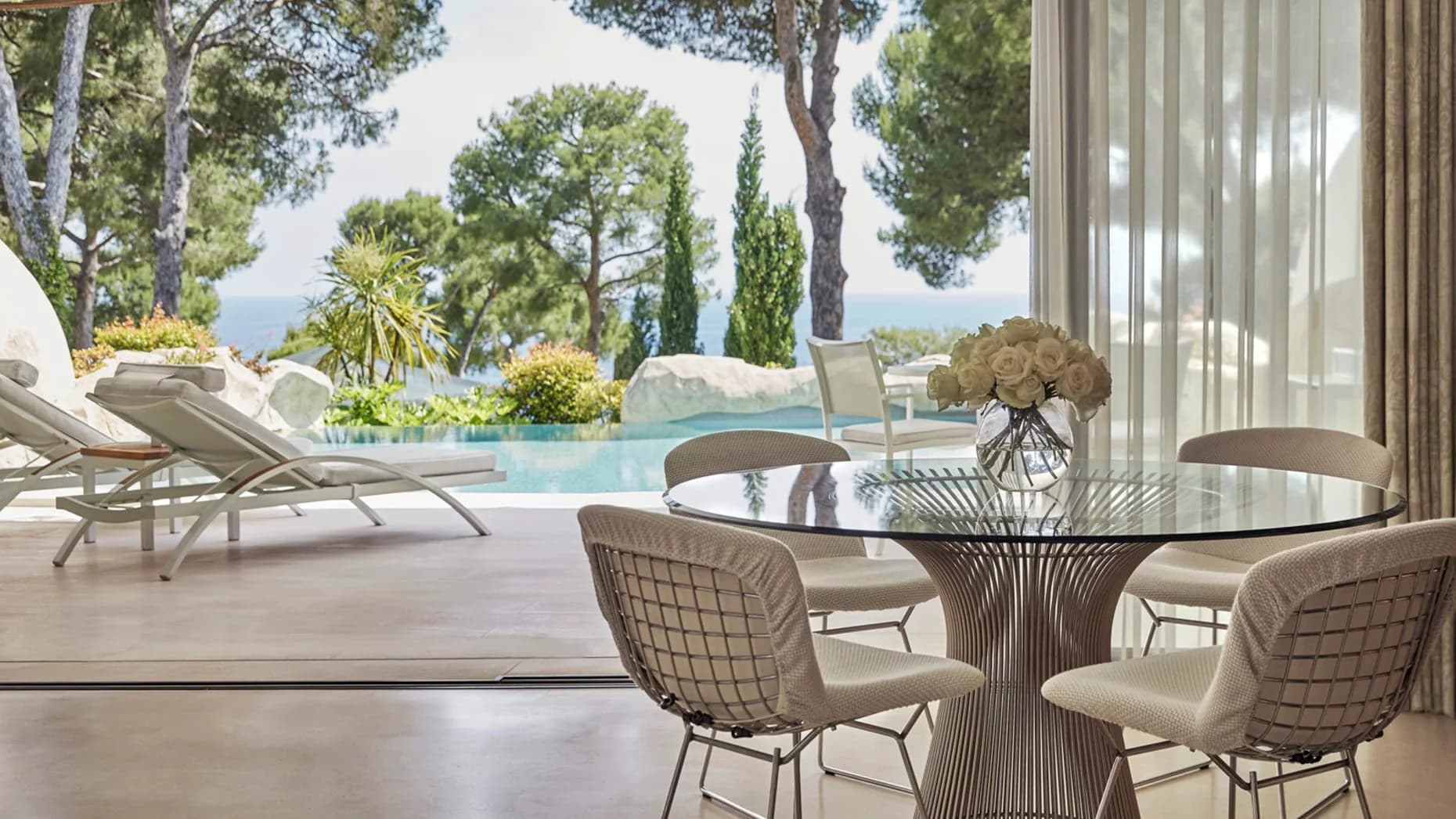
Art of Living: The Most Beautiful Suites with Private Pools on the French Riviera
The French Riviera is a timeless myth. From the red rocks of the Esterel to the elegant facades of the Saint-Jean-Cap-Ferrat peninsula, the Côte d'Azur embodies the very essence of Mediterranean living. Yet in the heart of summer, when the world converges on these golden shores, the magic can fade under the weight of excitement. For the discerning traveler, true contemporary luxury is no longer simply staying on the French Riviera, but having the privilege of finding solitude there. This is where hotel excellence reaches its pinnacle: the suite with private pool. Offering yourself your own stretch of water facing the sea means abolishing constraints, escaping crowded beaches and setting your own pace. From modernist architecture to bohemian hideaways in the hinterland, we have selected four absolute sanctuaries for you. Here is our guide to experiencing the Riviera at the height of its exclusivity.
BY Jules Peulet
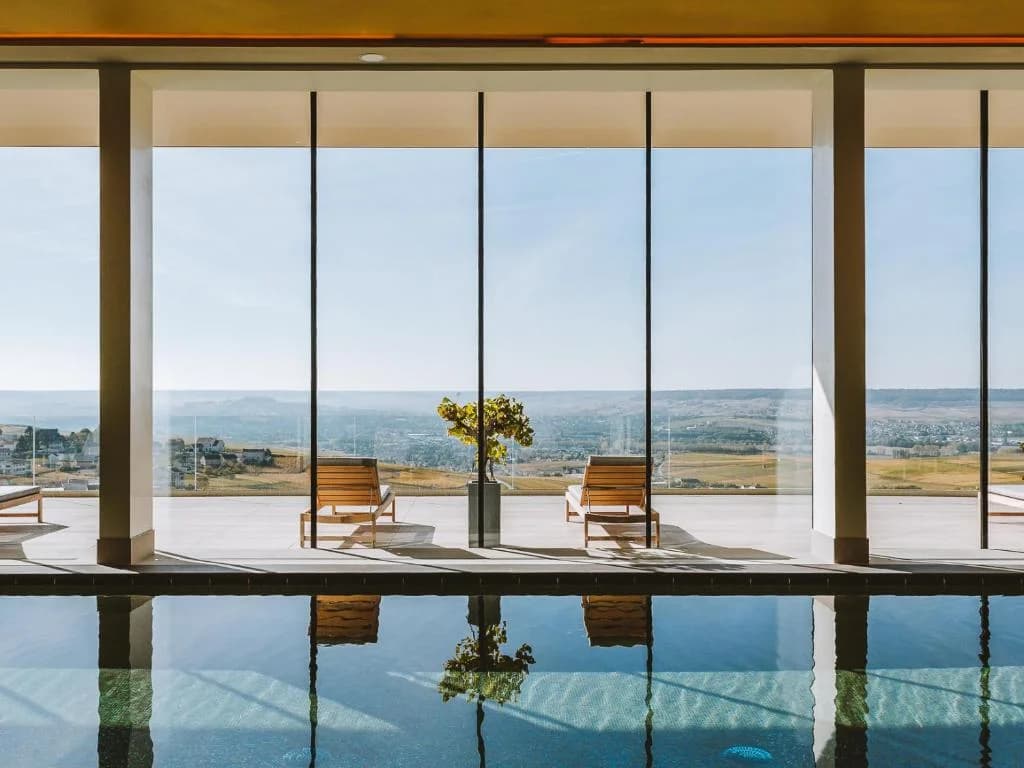
The Sanctuary of Self: Redefining Wellness at the Suite
The era of crowded luxury hotel spas in basements is over. Discover how the world's most sophisticated luxury suites have transformed into true private sanctuaries of advanced engineering, dedicated to cellular regeneration, biohacking, and absolute physical restoration.
BY Jules Peulet
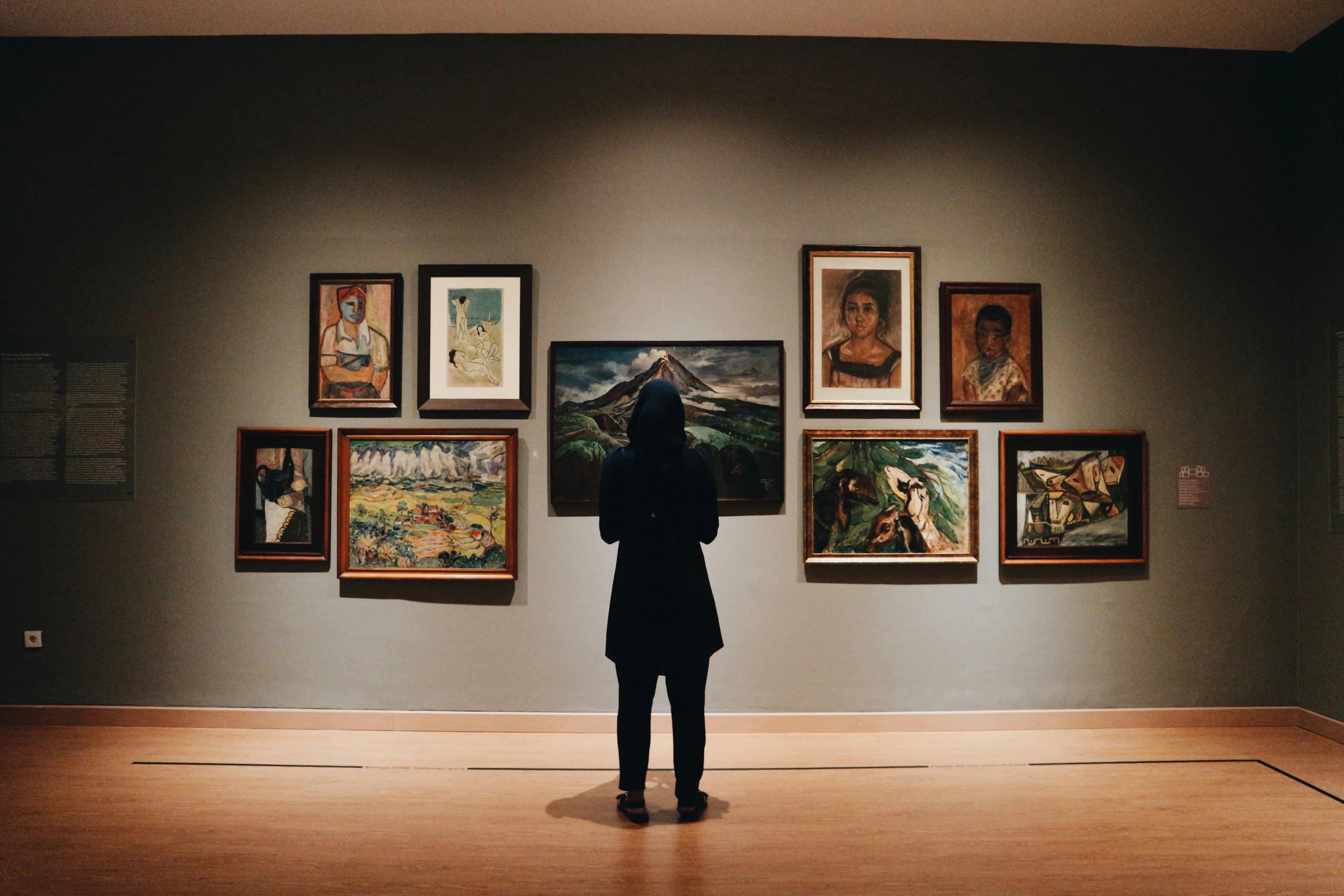
The Gallery Suite: When Art Becomes the Host
Ultimate luxury is no longer optical; it is intellectual. This essential guide deciphers the emergence of the Gallery Suite, exploring the shift from passive hotel decoration to museum curation, on-site artist collaborations, and rare libraries that physically and psychologically transform a transitory commercial space into a genuine cultural sanctuary.
BY Jules Peulet