
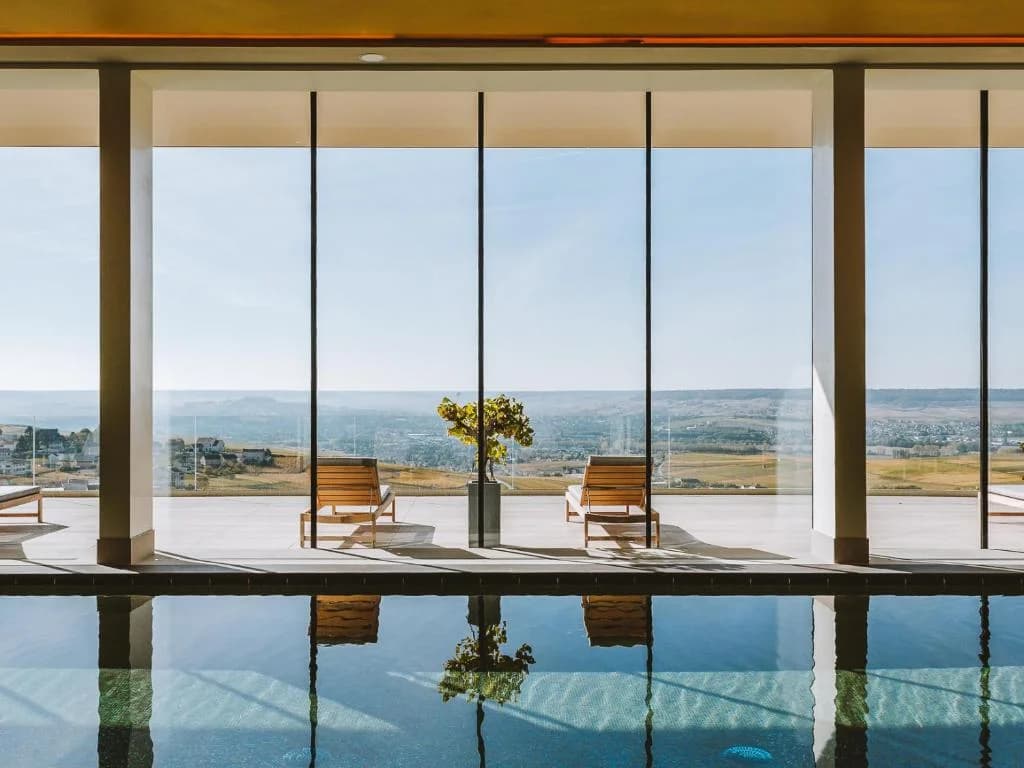
The Sanctuary of Self: Redefining Wellness at the Suite
BY Jules Peulet

The era of crowded luxury hotel spas in basements is over. Discover how the world's most sophisticated luxury suites have transformed into true private sanctuaries of advanced engineering, dedicated to cellular regeneration, biohacking, and absolute physical restoration.
For decades, the concept of wellness in the luxury hospitality sector has been heavily compartmentalized. A traditional five-star hotel offered a beautifully appointed bedroom for sleeping, while "wellness" was relegated to a designated common facility, typically an underground spa and a windowless gymnasium tucked into the property's basement. To experience physical restoration, the elite traveler had to sacrifice their privacy, navigate the hotel's public corridors in a bathrobe, share hammams with strangers, and adapt their personal rhythm to the rigid schedules of external therapists.
Today, the ultra-high-net-worth traveler has completely rejected this fragmented, public model. Time, privacy, and physical health are the ultimate, non-negotiable luxuries of the modern era. Citizens of the global elite (whether they are high-performing CEOs managing multinational corporations, professional athletes, or individuals suffering from the intense cognitive drain of hyper-connectivity) no longer consider wellness to be simply a two-hour massage. They demand continuous, immersive, 24-hour physical and mental optimization.
In response to this profound cultural shift, the world's most visionary architects, medical experts, and hoteliers have internalized the spa experience, bringing the pinnacle of wellness technology directly into the private luxury suite layout. We are witnessing the birth of the "Sanctuary Suite."
In these highly engineered architectural volumes, every point of contact (from ambient air filtration and the mineral composition of shower water to the circadian rhythm of lighting and the electromagnetic protection of the bedroom) is clinically calibrated to induce profound, regenerative healing.
This master guide explores the absolute frontier of hospitality wellness. We deconstruct how elite suites have integrated the latest generation of biohacking, replaced traditional gyms with private kinetic cocoons, and transformed the bathroom into a monolithic private spa, converting the luxury suite into the ultimate fortress of personal regeneration.
1. The death of the public spa and the emergence of absolute privacy
To understand the emergence of the Sanctuary Suite, one must first recognize the fundamental friction inherent in the traditional hotel spa model. For a highly recognizable public figure, an exhausted corporate executive, or a traveler seeking deep mental decompression, the public spa introduces multiple levels of stress. Checking in at a reception desk, waiting in common relaxation lounges, adhering to strict appointment slots, and sharing wet facilities severely disrupt the psychological state of surrender necessary for true nervous system healing.
The modern paradigm demands absolute, uninterrupted privacy. The luxury suite has expanded its footprint to absorb the entirety of the spa, allowing the guest to transition seamlessly from their bed to a cutting-edge wellness facility without ever crossing a public threshold, making small talk with a receptionist, or adapting their schedule.
This evolution fundamentally transformed the interior architecture of the hotel suite. The main bathrooms are no longer simple functional spaces intended for hygiene; they now represent up to forty percent of the total suite surface area. Dedicated wellness corridors are integrated into the layout, often fitted with discreet secondary service entrances. These hidden doors allow world-renowned massage therapists, acupuncturists or functional medicine nurses to enter the suite, install their equipment in a dedicated treatment alcove, provide the service and leave discreetly. This architectural arrangement completely preserves the client's isolated sanctuary. The suite's architecture acts as an impenetrable barrier, closing the door to the noise, schedules and views of the outside world, enabling a deeply personalized and uncompromised journey of physical restoration.
2. The Architecture of Sleep: Designing Ultimate Rest and Electromagnetic Field Shielding
Despite the appeal of gilded fittings, curated art collections and panoramic views of the city, the most critical biological function of a hotel room is to facilitate sleep. In the high-stakes world of luxury travel, sleep is not a passive activity; it is an active state of cellular regeneration, hormonal balance and cognitive repair. Conscious that global travelers suffer considerably from jet lag, adrenal fatigue and digital overstimulation, luxury hospitality has moved away from simply providing "comfortable beds" to designing scientifically optimized sleep ecosystems.
The architecture of sleep begins with absolute acoustic and light isolation. The finest Sanctuary Suites are constructed as "rooms within rooms," using decoupled walls, heavy acoustic insulation and triple-glazed windows filled with argon gas to achieve a zero-decibel baseline. Motorized blackout shades operate on internal rails that physically lock into window frames, eliminating the "light leak" phenomenon that compromises natural melatonin production.
However, the new frontier of sleep architecture is electromagnetic field (EMF) shielding. Wealthy individuals are increasingly aware of the disruptive impact that Wi-Fi signals, 5G networks and Bluetooth frequencies exert on the brain's Delta waves during deep sleep. Cutting-edge wellness suites now incorporate Faraday cage technology into the main bedroom walls. With a simple button press near the bed, the room becomes completely protected from external electromagnetic radiation, while the internal Wi-Fi router is automatically deactivated, allowing the nervous system to rest in a biologically pure, frequency-free environment.
The central point of this ecosystem remains the architecture of the bed. Standard commercial mattresses have been replaced by bespoke, monumental sleep systems from heritage brands like Hästens or Vispring, handcrafted from breathable natural horsehair, linen and wool to naturally regulate body temperature. In the most progressive establishments, these beds are integrated with AI-driven cooling technology that actively monitors the resident's heart rate and dynamically adjusts mattress temperature according to different sleep phases, maintaining the body in a state of deep, restorative REM sleep. To delve deeper into the science of premium recovery, consult our dedicated article: The Architecture of Sleep: How Luxury Suites Design the Ultimate Rest.
3. The Invisible Infrastructure: Biohacking, Air and Light
Beyond physical furnishings and room scale, the deepest wellness advances in luxury suites are completely invisible to the naked eye. We have entered the era of architectural biohacking, where the fundamental elements of life, air, light and water, are technologically manipulated to optimize human biology and accelerate recovery.
In standard luxury hotels, central air conditioning systems simply cool the air, frequently circulating dust, allergens and dry recycled oxygen that dehydrates skin and irritates the respiratory system. In a Sanctuary Suite, HVAC systems are enhanced with medical-grade HEPA filtration networks combined with UV-C sterilization. These systems purify ambient air of 99.9% of particles, volatile organic compounds (VOCs), mold spores and urban pollution, while simultaneously pumping perfectly humidified and ionized oxygen into the room. This ensures that the resident's lungs are constantly bathed in pristine air, mimicking the atmospheric quality of an alpine forest inside a Manhattan or London skyscraper.
Equally critical is the meticulous manipulation of light. Our circadian rhythms are dictated by the colour temperature of the sun, yet international travel severely disrupts this biological clock. Advanced suites now integrate intelligent lighting systems that automatically adjust the light spectrum throughout the room during the day. In the morning, the suite is flooded with bright, blue-enriched light (simulating 6000K daylight) that suppresses melatonin and naturally energizes the brain. As evening approaches, the system switches to warm, amber and low-lux illumination, completely eliminating blue light to signal to the pineal gland that it is time to rest.
Even the water infrastructure is biohacked. Showers are equipped with advanced dechlorination filters and infused with vitamin C to neutralize aggressive chemicals found in municipal water, protecting the microbiome of the host's hair and skin. For a comprehensive analysis of these invisible, medical-grade quality systems, consult our specialized guide: Biohacking the Suite: the invisible technology of air, water and light.
4. The monolithic wet room: private spas and contrast therapy
The transformation of the suite bathroom into a monolithic and private spa is one of the most visually striking and functionally important design evolutions in modern hospitality. Elite travelers no longer wish to share the intense and detoxifying experiences of heat and steam therapies. Consequently, architects are carving monumental wet rooms directly into the suite layout, using single blocks of unpolished travertine, raw limestone or slate to create spaces that resemble ancient private Roman baths.
The cornerstone of the private spa is the integrated steam hammam. Framed in floor-to-ceiling glass and lined with heated stone benches, these oversized steam chambers allow the host to undergo intense thermal detoxification in complete solitude. Many of these private hammams are equipped with chromotherapy (color light therapy) and aromatherapy infusion systems, allowing the resident to trigger eucalyptus or lavender essential oils directly into the clouds of steam.
However, the true hallmark of a modern and elite Sanctuary Suite lies in the integration of Contrast Therapy. Drawing inspiration from the Wim Hof method and elite sports recovery protocols, ultra-luxury suites now pair the heated hammam with a dedicated Cold Plunge bath with controlled temperature. Immersing the body in water cooled to 4°C immediately triggers a massive release of endorphins, reduces systemic inflammation and dramatically increases dopamine levels.
Adjacent to these thermal zones, the traditional hotel bathtub has been entirely reinvented. It is no longer a fiberglass tub, but an immense freeform relaxation basin, often carved from a single block of Japanese Hinoki cypress wood or cast in volcanic stone that retains heat. Furthermore, these spacious wet rooms are designed with enough surface area to effortlessly accommodate two professional massage tables, allowing couples to simultaneously receive full-body restorative treatments dispensed by external therapists. To discover the world's most magnificent private aquatic sanctuaries, immerse yourself in our detailed feature: The Private Spa: Monolithic Wet Rooms and In-Suite Healing Rituals.
5. The kinetic cocoon: in-suite fitness and conscious movement
The traditional hotel fitness room (often a crowded and uninspiring space filled with heavy, intimidating equipment and television screens broadcasting stressful news networks) is the exact opposite of modern wellness. For the high-performing traveler, maintaining one's physical kinetic routine is non-negotiable, but he refuses to do so in a public theater.
To resolve this tension, luxury suites have transformed into "Kinetic Cocoons," seamlessly integrating beautiful and highly functional fitness and movement equipment into residential design. The objective is to eliminate every psychological barrier between waking and engaging the body. Cumbersome and unattractive commercial treadmills are replaced by avant-garde, sculptural fitness tools. The integration of systems like the Technogym Kinesis Personal (a stunning wall-mounted functional cable training system clad in mirror glass or rich leather) allows the guest to perform over 200 strength and flexibility exercises without compromising the aesthetic purity of the suite.
For cardiovascular health, suites are frequently equipped with private Peloton bikes or graceful WaterRowers crafted in sustainable walnut, positioned facing floor-to-ceiling windows to inspire the resident. Beyond high-intensity training, the modern suite strongly privileges conscious movement and somatic release. Spacious private outdoor terraces or open living spaces are pre-configured with premium thick Manduka yoga mats, cork blocks, and meditation cushions.
Digital integration is equally paramount. Interactive fitness mirrors are integrated directly into wall panels, invisible once deactivated, yet offering access to world-class personal trainers, guided breathwork sessions, and private yoga classes at the touch of a screen. For executive leaders seeking to push their endurance limits, certain ultra-advanced suites even offer "hypoxic environments", allowing the client to simulate high-altitude training directly in their living room. To explore properties that have succeeded in merging intense physical training with architectural elegance, consult our expert analysis: The Kinetic Cocoon: Mastering Fitness and Yoga in the Private Suite.
6. The Nutritional Ecosystem and Medical Concierge
One cannot biohack the environment, design the ultimate sleep, and deliver kinetic training without addressing the fuel that nourishes the body. The traditional luxury hotel minibar (historically a refrigerated drawer filled with refined sugars, ultra-processed snacks, small bottles of alcohol, and artificially flavored sodas) is a toxic relic of the past. In the Sanctuary Suite, the minibar has been entirely eliminated and replaced by a highly curated Nutritional Ecosystem.
When a client opens the wellness pantry of an advanced suite, they are greeted by a meticulously curated selection of functional foods and cognitive enhancers. The refrigeration units are stocked with raw, unpasteurized kombuchas for gut microbiome health, organic cold-pressed green juices, and revitalized, structured waters. Standard chocolate bars are replaced by high-cacao dark chocolates rich in antioxidants, adaptogenic mushroom elixirs (such as lion's mane for concentration or reishi for sleep), and organic cold-ground protein snacks.
Furthermore, in-suite dining menus have been completely reimagined to support cellular regeneration. Heavy, sodium-laden club sandwiches from room service have been replaced by bespoke "Sleep Menus" featuring meals rich in tryptophan and magnesium, designed to be consumed two hours before bedtime to naturally induce drowsiness.
Beyond food, the pinnacle of in-suite restoration involves the Medical Concierge. Elite suites now offer preventative medical treatments brought directly to the living room. Clients can order Intravenous Therapy (IV infusions), including high-dose Vitamin C infusions, Glutathione, or NAD+ (Nicotinamide Adenine Dinucleotide), administered by a licensed nurse while the client responds to emails or relaxes on the sofa. This provides a massive and instantaneous boost to cellular energy and immune function, completely bypassing the digestive system.
7. The Aesthete's Insight: The Pitfalls of "Wellness-Washing"
At La Suite, we are committed to protecting the elite traveler from the pervasive marketing illusions of the hospitality industry. While the wellness sector has exploded into a multi-trillion-dollar market, a dangerous trend of "wellness-washing" has infected the luxury hotel landscape. Many properties now simply affix the word "Wellness" to a suite's title simply because they have placed a yoga mat in the closet, a green apple on the desk, and a generic bottle of lavender spray on the pillow, while completely ignoring the fundamental structural laws of human health.
The most catastrophic failure we observe in so-called wellness suites is combined architectural acoustic failure and aggressive, noisy air conditioning. A hotel can install a custom forty-thousand-dollar mattress, but if the suite is positioned next to the elevator shaft, or if the aging ventilation system produces substantial noise with each air conditioning activation, the promise of deep sleep is completely destroyed. True wellness demands absolute, uncompromising silence; everything else is mere appearance.
Another critical pitfall is technological over-complication. We frequently audit suites where biohacking technology, circadian lighting panels, automated blackout shutters, and smart thermostats, are controlled by extremely complex and unintuitive digital tablets. If a guest suffering from severe jet lag must spend fifteen minutes navigating a frustrating digital menu simply to turn off a bright LED light or lower the room temperature at 2am, the technology actively generates anxiety and raises cortisol levels, completely undermining its initial purpose of relaxation.
Our clinical counsel for the wellness-conscious traveler is unequivocal: look far beyond marketing terminology. Before booking a Sanctuary Suite, prioritize invisible infrastructure. Demand confirmation of acoustic isolation, ask precise questions about air filtration systems and electromagnetic shielding capabilities, and verify that private water facilities are structurally separated from bedrooms to prevent moisture from compromising your rest. True wellness in a hotel is not an add-on feature or marketing claim; it is the fundamental structural reality of the building itself.
The Curation Hub: The Ultimate Sanctuary Suites of the World
To experience the absolute pinnacle of suite-based regeneration, one must target establishments where health is integrated into the very foundation of architecture. Here is a carefully curated selection of the world's most advanced wellness suites:
Equinox Hotel Hudson Yards, New York (USA): The undisputed global pioneer in high-performance hospitality. Its suites are named "Dark, Silent and Cool," equipped with medical-grade sleep systems, complete acoustic isolation, on-demand vitamin intravenous infusions (IV), and uncompromising attention to biomechanical recovery for the elite athlete and senior executive.
SIRO One Za'abeel, Dubai (United Arab Emirates): A revolutionary concept entirely dedicated to fitness and recovery. The suites offer dedicated active zones with integrated fitness equipment connected via app, recovery cabinets equipped with percussive massage guns, and advanced thermoregulation mattresses.
Aman New York (USA): The apotheosis of the urban luxury sanctuary. The suites function as private and silent fortresses above Manhattan, fitted with actual fireplaces, massive soaking bathtubs, and access to an unparalleled 25,000 square-foot wellness center, with practitioners offering everything from traditional Chinese medicine to advanced cryotherapy.
Six Senses Ibiza (Spain): Operating at the intersection of spiritual retreat and extreme biohacking. Their prestige suites offer direct access to the RoseBar longevity club, equipped with in-suite hyperbaric oxygen chambers, comprehensive IV infusion menus, and personalized nutritional protocols designed to reverse cellular aging.
Lanserhof Sylt (Germany): Operating at the intersection of a luxury seaside retreat and an advanced medical facility. The suites are designed according to rigorous biological construction principles, using exclusively natural and non-toxic materials, electromagnetic shielding to block Wi-Fi and cellular signals during sleep, and clinical attention to gut health and cellular detoxification.
Frequently Asked Questions
What is the "First Night Effect" and how do advanced luxury suites remedy it?
The "First Night Effect" is a well-documented neurological phenomenon where one hemisphere of the human brain remains slightly awake and vigilant during the first night in a new environment, acting as an evolutionary defense mechanism against potential threats. This ruins deep sleep. Advanced sanctuary suites remedy this by offering extensive personalization before arrival. By allowing the client to set their exact preferred mattress firmness, pillow density, and room temperature before even arriving, the suite reproduces the precise biometric conditions of the client's home, tricking the brain into feeling secure and bypassing this neurological defense.
How does contrast therapy (hot/cold baths) truly benefit a traveler in a hotel suite?
Contrast therapy involves alternating between intense heat (such as a steam hammam) and intense cold (a cold bath at 4°C). For a traveler, this practice is rapid bio-optimization to overcome jet lag and physical stiffness. Intense heat dilates blood vessels, while sudden cold constricts them, creating a cardiovascular pumping action that eliminates lactic acid from muscles, drastically reduces inflammation linked to flight, and forces the brain to release a massive wave of norepinephrine and dopamine, completely resetting the user's energy levels.
How does circadian lighting actually work in a hotel suite?
Standard hotel lighting emits a static color temperature. Circadian lighting systems, by contrast, are dynamic. They are programmed to mimic the exact color temperature and intensity of the sun relative to the local time zone. In the morning, the LEDs emit cool white-blue light (approximately 5000K-6000K) that signals the brain to stop melatonin production and release cortisol to wake you up. In the evening, the system automatically switches to a very warm amber glow (approximately 2200K) with no blue light emission, prompting the pineal gland to flood the body with melatonin, naturally preparing you for sleep.
Are the air purifiers in these suites truly different from standard air conditioning?
Radically different. Standard HVAC systems simply regulate temperature and use basic filters that only capture large dust particles. Medical-grade systems in biohacked suites use HEPA filtration (High-Efficiency Particulate Air) combined with UV-C light sanitization. This means they actively capture microscopic pollutants, mold spores, and viruses, while UV-C light neutralizes bacteria. The result is hyperoxgenated and clinically pure air that significantly reduces respiratory inflammation and improves cognitive clarity.
Conclusion: The Ultimate Investment in Yourself
The definition of luxury travel has fundamentally evolved. It is no longer measured by passive consumption of caviar, the height of a skyscraper, or the mere size of a marble bathroom. True modern luxury is measured by biological optimization and the extension of human longevity. When an elite traveler checks into a hotel, they no longer simply seek a temporary escape from their daily life; they seek active and profound intervention to restore their physical and cognitive health.
The Sanctuary Suite is the architectural response to this intense demand. By integrating advanced biohacking technology, absolute acoustic silence, contrasted private thermal spas, and highly curated nutritional ecosystems within private quarters, hoteliers have created the ultimate fortress for cellular regeneration. When you invest in a true wellness suite, you are not paying for a night's accommodation; you are acquiring a highly engineered medical and psychological reset.
To navigate this new landscape and discover the precise architectural environments that will elevate your health, longevity, and high-performance living, we invite you to explore our complete network of wellness design guides and unfiltered clinical suite reviews. In the world of high-performance living, the ultimate luxury is waking up as a superior version of yourself.
More from the Journal
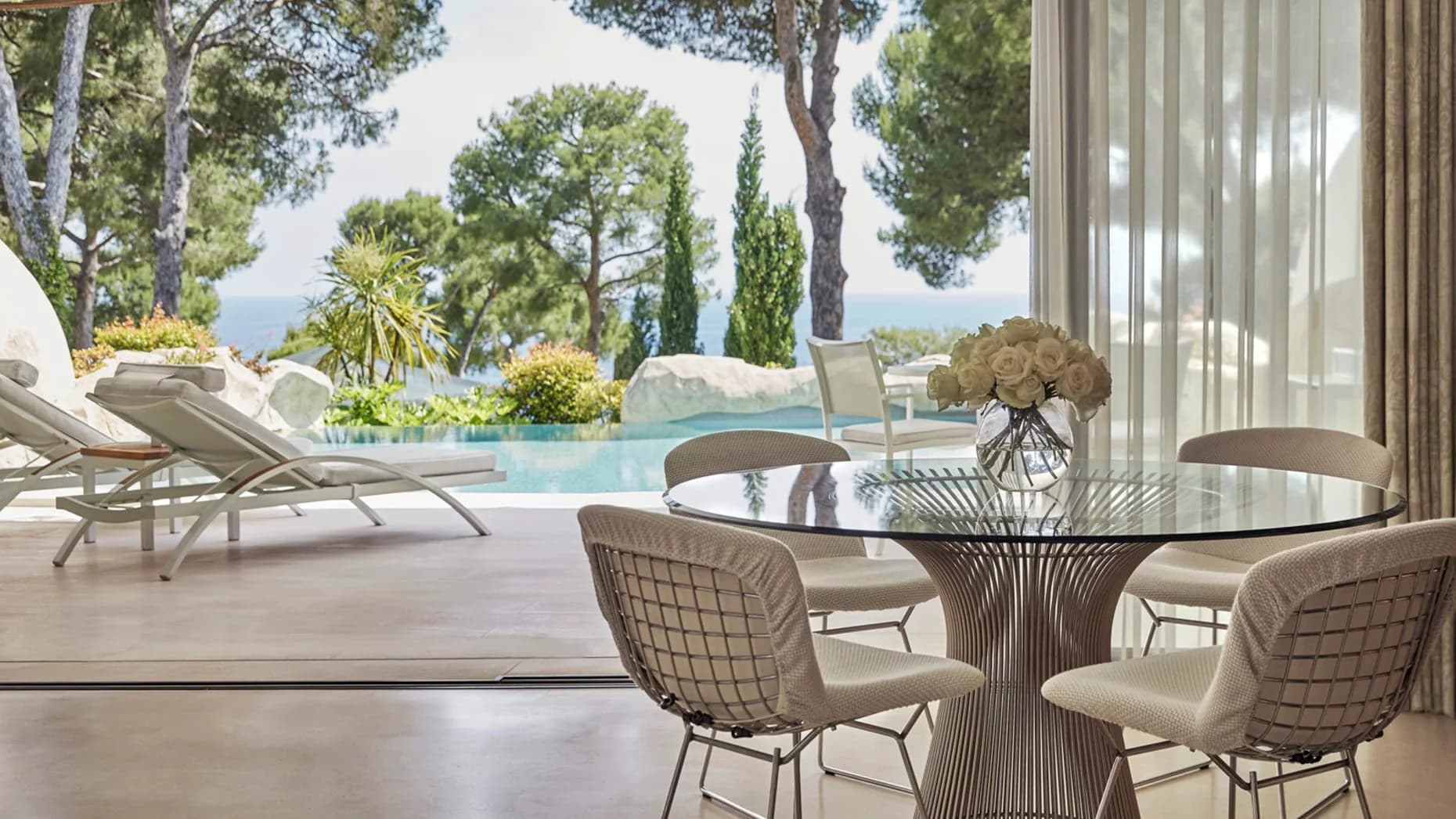
Art of Living: The Most Beautiful Suites with Private Pools on the French Riviera
The French Riviera is a timeless myth. From the red rocks of the Esterel to the elegant facades of the Saint-Jean-Cap-Ferrat peninsula, the Côte d'Azur embodies the very essence of Mediterranean living. Yet in the heart of summer, when the world converges on these golden shores, the magic can fade under the weight of excitement. For the discerning traveler, true contemporary luxury is no longer simply staying on the French Riviera, but having the privilege of finding solitude there. This is where hotel excellence reaches its pinnacle: the suite with private pool. Offering yourself your own stretch of water facing the sea means abolishing constraints, escaping crowded beaches and setting your own pace. From modernist architecture to bohemian hideaways in the hinterland, we have selected four absolute sanctuaries for you. Here is our guide to experiencing the Riviera at the height of its exclusivity.
BY Jules Peulet
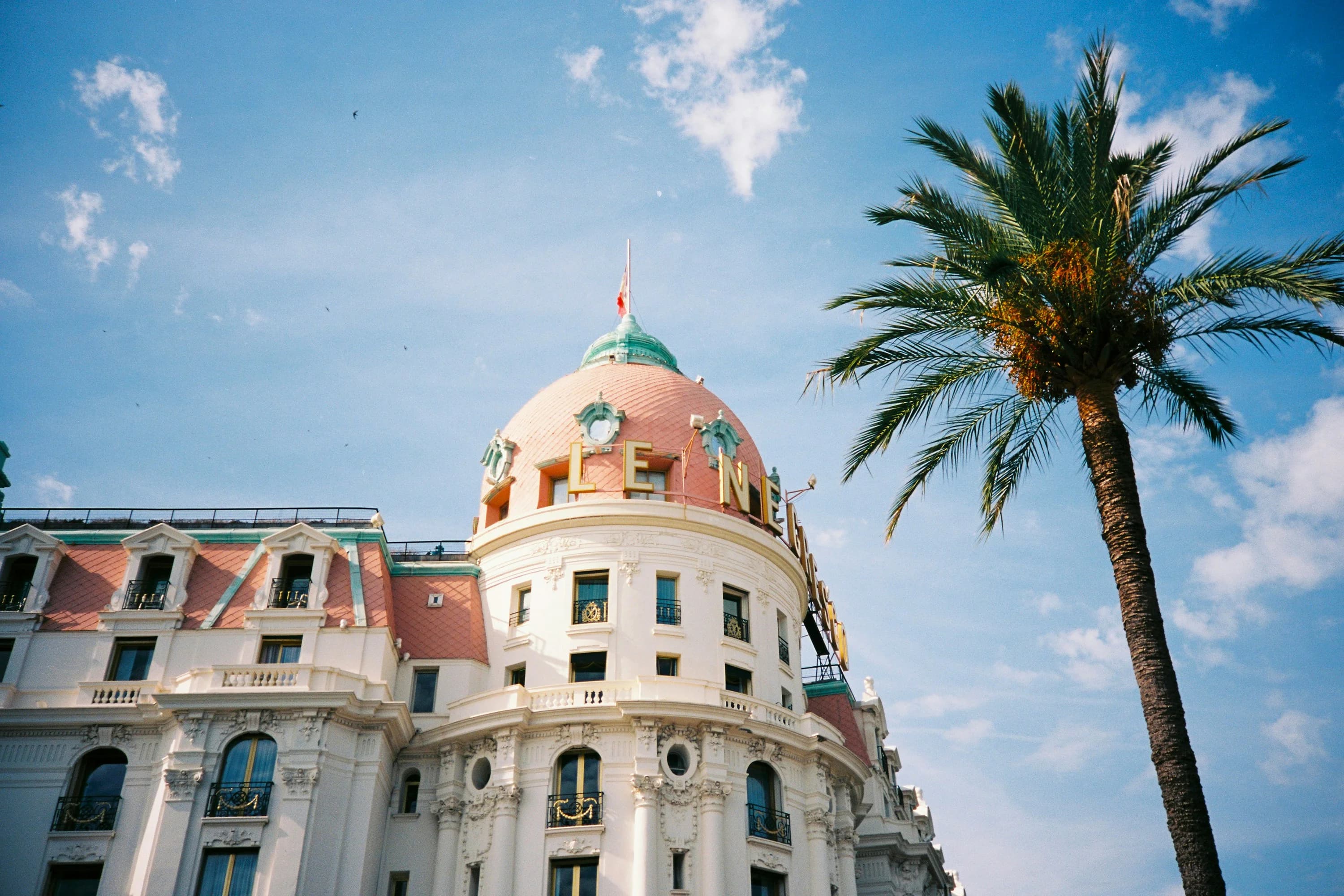
The Soul of Space: When Heritage Becomes the Destination | LaSuite.com
Ultimate luxury is no longer engineered; it is inherited. This essential guide deciphers the profound psychological aura of the Heritage Suite, exploring the hidden architectural stakes of historical preservation, the allure of authentic patina, and why elite travelers worldwide abandon glass towers for spaces endowed with soul.
BY Jules Peulet
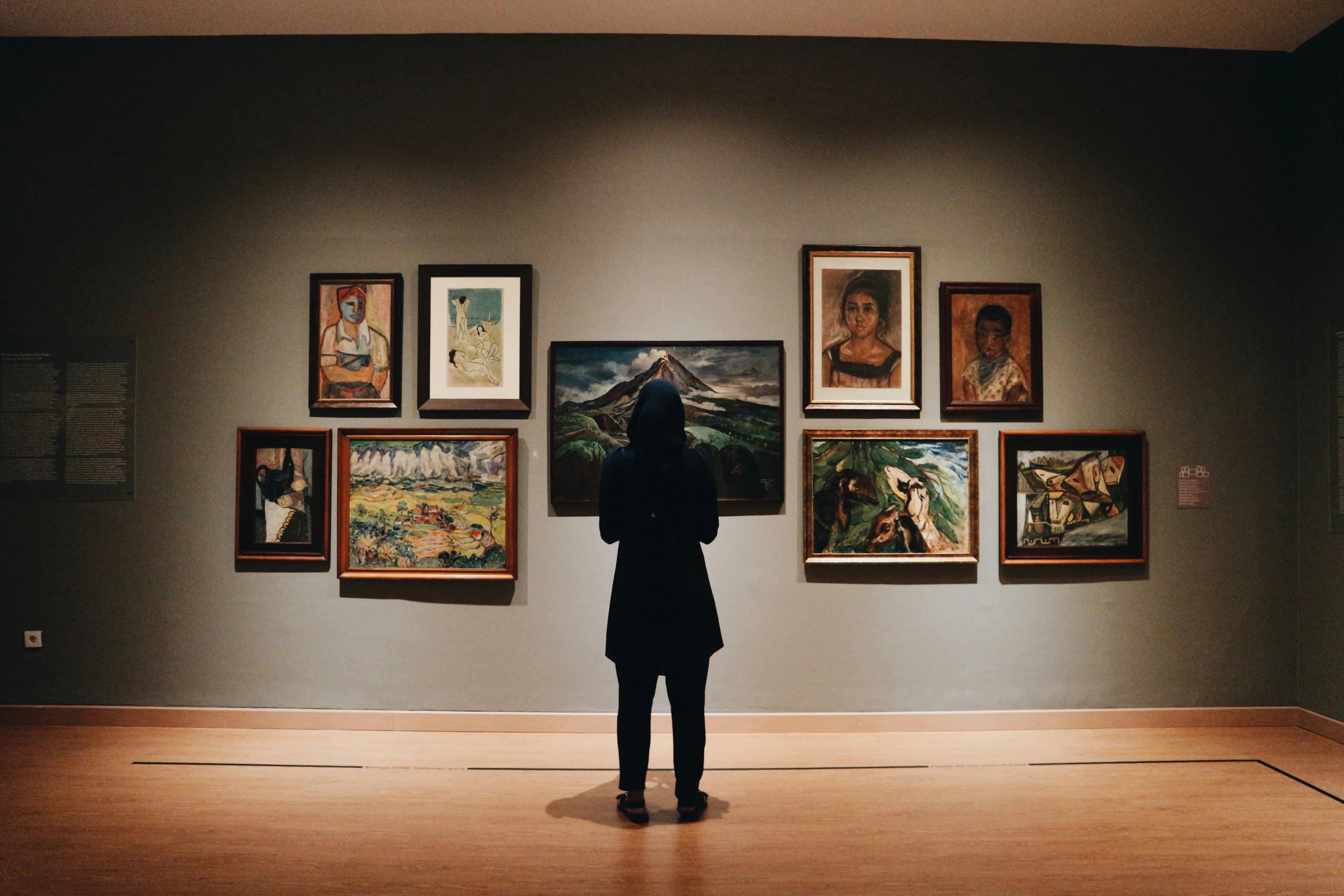
The Gallery Suite: When Art Becomes the Host
Ultimate luxury is no longer optical; it is intellectual. This essential guide deciphers the emergence of the Gallery Suite, exploring the shift from passive hotel decoration to museum curation, on-site artist collaborations, and rare libraries that physically and psychologically transform a transitory commercial space into a genuine cultural sanctuary.
BY Jules Peulet