Best areas to stay in Hangzhou for a luxury suite experience
West Lake perimeter
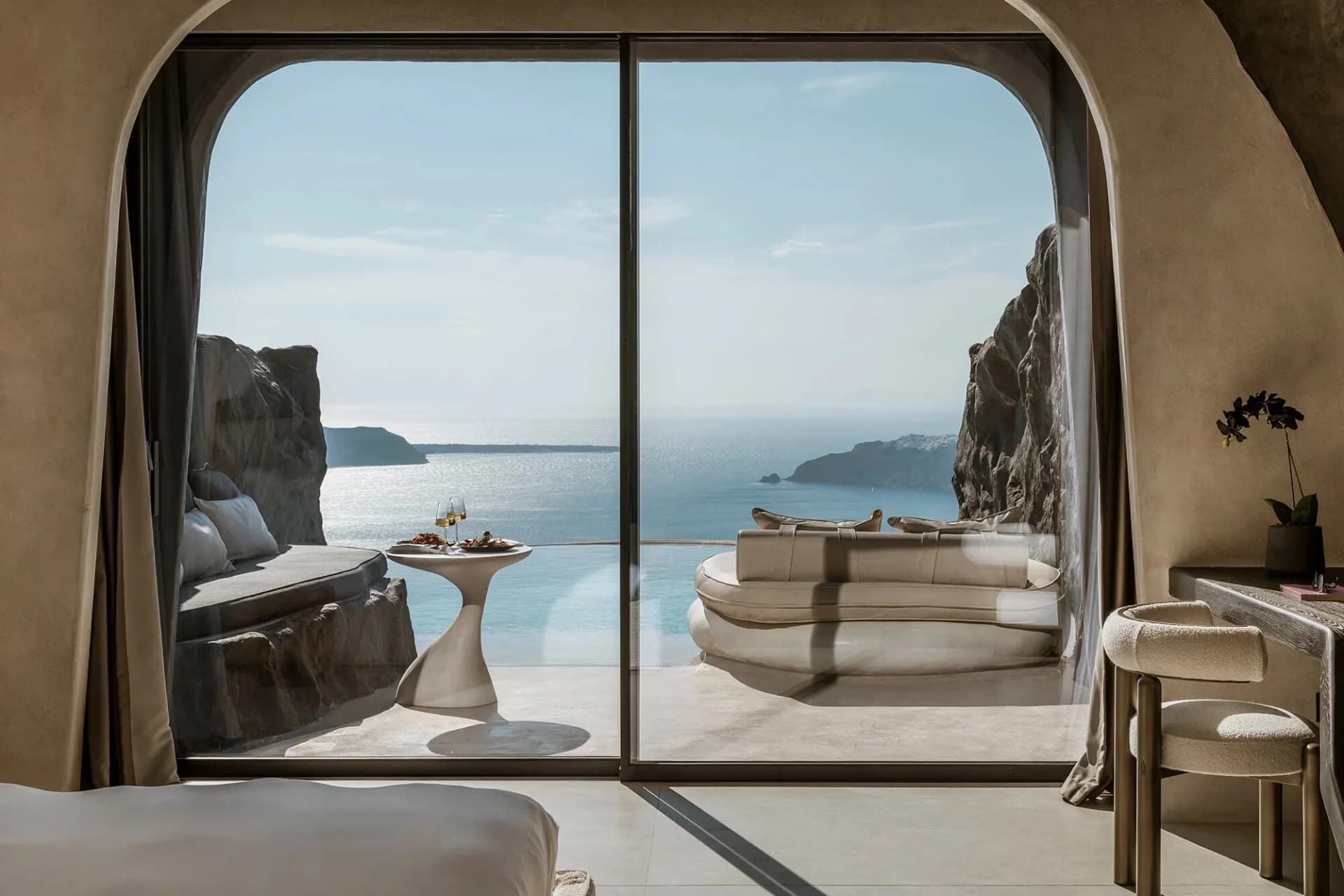
The northwestern and southern banks of West Lake represent the most coveted positions for luxury hotel stays. Properties here offer direct orientation toward the lake, access to the historic causeways (Su Causeway and Bai Causeway), and proximity to classical gardens such as Guo's Villa and Flower Harbour Park. The architectural language shifts from contemporary to heritage-inflected, with several properties drawing on Song Dynasty spatial principles: restrained interiors, natural materials, and a studied relationship between interior and exterior. A luxury suite on the lake perimeter should, at minimum, offer a private terrace or floor-to-ceiling framing of the water.
Lingyin and the western hills
For travellers prioritising seclusion over immediate urban access, the foothills west of West Lake, surrounding Lingyin Temple and the Tiantai Mountains, offer a different register entirely. This corridor is forested, quieter, and carries a contemplative atmosphere consistent with the area's long history of Buddhist scholarship and tea cultivation. Luxury hotel properties in this zone tend toward lower-density design: fewer rooms, more vertical integration with the landscape, and greater emphasis on wellness architecture. The tradeoff is distance from Hangzhou's cultural and commercial centre, which suits extended stays rather than short business-adjacent trips.
Qiantang River and new urban districts
Hangzhou's eastern expansion, anchored by the Qiantang River and the business districts developed around the 2022 Asian Games infrastructure, offers a contrasting proposition. Suites here are more likely to occupy purpose-built towers with contemporary design programs, skyline-oriented views, and efficient connectivity to Hangzhou East Railway Station. This corridor appeals to travellers combining leisure with regional business activity, or those arriving by high-speed rail from Shanghai.
When to visit Hangzhou for a luxury hotel stay
Hangzhou follows a four-season continental climate with marked seasonal identities, each of which produces a meaningfully different relationship with West Lake and the surrounding landscape.
Spring (March to May)
Spring is widely considered the canonical season for Hangzhou. The West Lake area comes into bloom with peach blossoms and lotus preparations, the light is diffuse, and the mist that settles over the water at dawn creates conditions that have been referenced in Chinese ink painting for centuries. Hotel availability tightens significantly in April, and advance planning is essential for West Lake-facing suites. The Longjing tea harvest, concentrated in the hills southwest of the lake, runs from late March through April, and several luxury properties offer curated access to production estates.
Autumn (September to November)
Autumn represents the second peak season. Temperatures moderate after the summer humidity, the lake reflects clear skies more consistently, and the osmanthus blossom period in late September and October saturates the entire West Lake area with a distinctive floral scent that has become culturally inseparable from the city's identity. The Mid-Autumn Festival, which falls in September or October depending on the lunar calendar, draws significant domestic tourism and affects suite availability at premium properties.
Summer and winter
Summer (June to August) brings high humidity and temperatures that can reach 38 degrees Celsius, though the lotus blooms on West Lake peak during July and August and are visually significant. Winter (December to February) sees the fewest visitors, lower rates, and occasional snowfall that transforms the lake environment into a monochromatic landscape with genuine aesthetic value for those who appreciate the quieter register of the destination.
Local luxury standards: what to expect from top-tier suites in Hangzhou
China does not operate a national hotel classification system equivalent to France's Palace designation, but several international frameworks and domestic prestige markers are relevant to Hangzhou specifically.
The Forbes Travel Guide and international five-star benchmarks
Hangzhou's leading luxury hotels are assessed under Forbes Travel Guide and the international five-star frameworks administered by STR and individual flag operators. Properties carrying five-star ratings in this market are expected to deliver high staff-to-guest ratios, 24-hour butler or concierge capacity, and suite typologies that go beyond square footage to include curated material palettes, private dining infrastructure, and spa access. The best luxury hotel suites in Hangzhou distinguish themselves through view orientation, cultural programming, and the quality of their relationship with the West Lake landscape.
Architectural and material expectations
Hangzhou's top-tier suites increasingly work within a design idiom that references Song Dynasty aesthetics: ink-wash colour palettes, natural stone, carved woodwork, and the integration of water features or garden elements into private terraces. This is not pastiche but a considered application of a regional visual tradition that is architecturally distinct from Beijing's imperial register or Shanghai's Art Deco and contemporary commercial language. Travellers should prioritise suites that demonstrate this material intelligence rather than generic international luxury finishes.
Wellness and tea culture
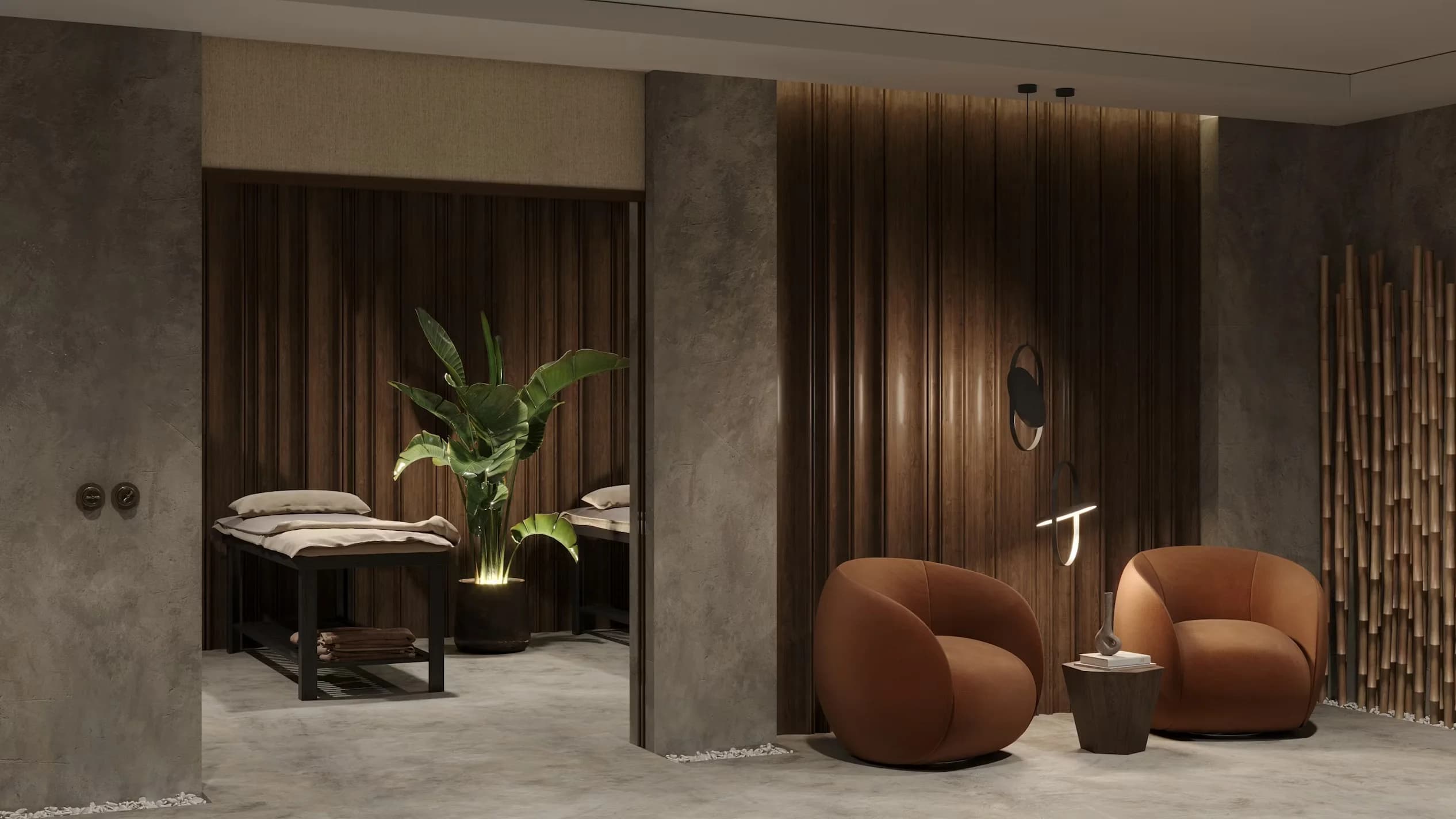
Hangzhou's geographic position at the centre of China's premium tea-producing region, particularly the Longjing (Dragon Well) appellation, means that the best luxury hotels integrate tea culture meaningfully into their programming. This extends from in-room tea ceremony equipment and curated tea menus to private access to tea estates and guided tastings led by certified tea masters. Wellness architecture in high-end properties here also reflects classical Chinese medicine traditions, with spa menus drawing on regional herbal knowledge.
How to choose the best luxury suite in Hangzhou
Several practical variables deserve explicit attention when selecting a luxury hotel suite in Hangzhou.
View orientation and floor position
West Lake-facing suites command premium pricing and justified demand. However, not all lake-facing positions are equivalent. Suites on upper floors above the treeline may offer broader panoramas, while lower floors can provide a more intimate, immersive relationship with the water and surrounding willows. Assess the specific orientation: north-facing suites receive different light than south-facing ones, which matters particularly for the dawn mist that defines the lake's most celebrated visual moments.
Historical versus contemporary properties
Hangzhou supports both heritage-adapted properties, some occupying former imperial retreat compounds or classical garden estates, and purpose-built contemporary luxury hotels. The choice reflects travel objectives: heritage properties offer spatial continuity with the city's long cultural history, while contemporary builds typically offer larger suite footprints, more advanced technical infrastructure, and clearer accessibility compliance. Neither category is categorically superior, but the distinction should be made deliberately.
Seasonal booking windows
Spring and autumn availability at West Lake-perimeter luxury hotels tightens two to three months in advance. For the Longjing tea harvest period (late March through April) and the osmanthus season (September to October), early reservation is not optional for specific suite categories. Winter bookings carry more flexibility and often better rate structures, without significant compromise to the destination experience for travellers who appreciate a quieter environment.
The value of curated selection for luxury suites in Hangzhou
Hangzhou's luxury hotel market has expanded considerably over the past decade, driven by investment from both international flag operators and Chinese luxury hospitality groups. The volume of properties now claiming five-star or premium positioning creates genuine complexity in the selection process. Not all properties deliver equally on the criteria that matter to discerning travellers: architectural coherence, view quality, suite design, service consistency, and cultural integration.
La Suite applies a curatorial framework that evaluates properties against these specific criteria rather than flag affiliation or marketing positioning alone. The result is a selection that reflects actual suite quality and experiential integrity in Hangzhou, allowing travellers to compare options with confidence and allocate their stay budget with precision. For a destination where the relationship between accommodation and landscape is as consequential as it is in Hangzhou, the quality of the curation matters as much as the quality of the hotel itself.