Pusen Lanting Shaoxing, Shaoxing
Located in Shaoxing, 3.8 miles from Former Residence of Lu Xun, Pusen Lanting Shaoxing provides accommodations with an outdoor swimming pool, free private parking, a garden and a shared lounge. Featur

Shaoxing is not a city that announces itself loudly. Its appeal is cumulative and architectural, built from the logic of its waterways, the restraint of its Jiangnan-style courtyard residences, and the weight of its literary associations. Lu Xun, one of China's most celebrated modern writers, was born here. Wang Xizhi, the foundational master of Chinese calligraphy, shaped his practice in this city. These are not incidental facts: they define the cultural register of a place that rewards attention and patience above spectacle.
1 hotel available

Located in Shaoxing, 3.8 miles from Former Residence of Lu Xun, Pusen Lanting Shaoxing provides accommodations with an outdoor swimming pool, free private parking, a garden and a shared lounge. Featur
Hotels in the area, but in a neighbouring town.

Located right next to Xixi National Wetland Park, Banyan Tree Hangzhou is a happy land surrounded by lush greenery and quiet waters. Inspired by the southern history and cultures, the property's build

Located in Hangzhou and with Hangzhou East Train Station reachable within 3 miles, Conrad Hangzhou provides concierge services, non-smoking rooms, a terrace, free WiFi and a restaurant. Providing a ba

Providing free WiFi, Crowne Plaza Hangzhou Riverside by IHG offers rooms in Hangzhou, 5 miles from Wushan Square and 6.9 miles from Hangzhou East Train Station. The property is around 9 miles from Lin

Featuring a fitness center, a restaurant as well as a bar, Four Seasons Hotel Hangzhou at Hangzhou Centre is located in the center of Hangzhou, 2.8 miles from Wushan Square. Located around 4 miles fro

Sitting in the northwest corner of the alluring West Lake, Four Seasons Hotel Hangzhou at West Lake features views of traditional Chinese gardens from most units. Four Seasons Hotel Hangzhou at West

Hangzhou West Lake Anyu Hotel has free bikes, garden, a terrace and restaurant in Hangzhou. The property is around 2.5 miles from Wushan Square, 3.3 miles from Lingyin Temple and 6.3 miles from Xixi W

Elegant Accommodations MUH SHOOU XIXI HOTEL HANGZHOU in Yuhang offers a sun terrace, garden, open-air bath, restaurant, bar, and a seasonal outdoor swimming pool. Guests enjoy free WiFi throughout the

Sheraton Grand Hangzhou Wetland Park Resort is located next to Xixi National Wetland Park and 3.1 mi from the West Lake and Lingyin Temple. The resort combines traditional Chinese architecture alongsi

Located in Hangzhou, 2.8 miles from Lingyin Temple, The Silk Lakehouse, Shangri-La Hangzhou provides accommodations with free bikes, free private parking, a fitness center and a garden. Among the faci

Elegant Accommodations Xianghu Xiaoyao Manor in Xiaoshan offers adults-only rooms with garden or lake views. Each room features air-conditioning, a private bathroom, and modern amenities. Exceptional

Located in Hangzhou, 1.4 miles from Xixi Wetland, XIN HOTEL has accommodations with a garden, free private parking, a terrace and a restaurant. With a bar, the property also has a spa & wellness cente

161 km away
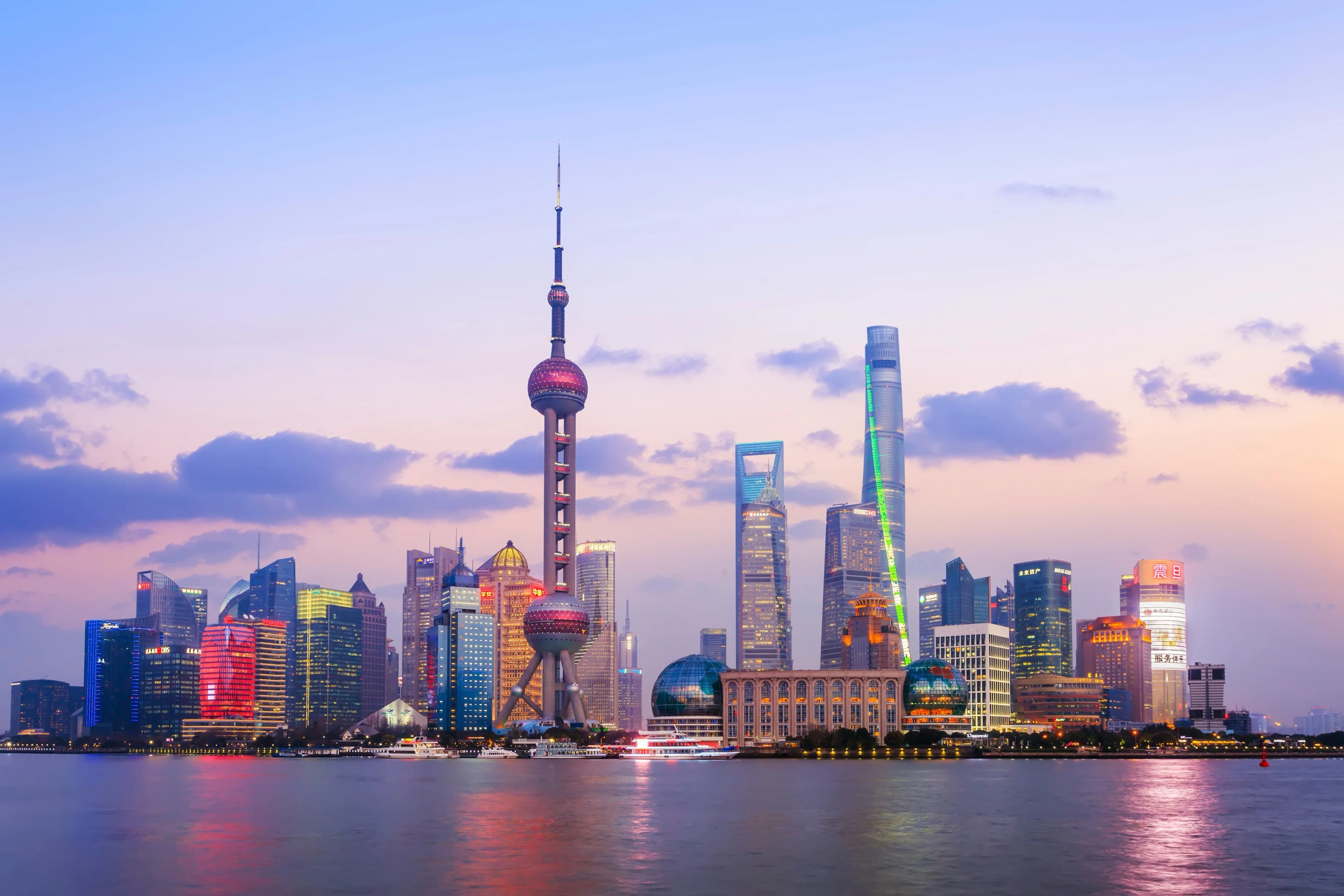
Shanghai is not a monolithic city. Its identity shifts dramatically from one district to the next, and the choice of where to base yourself from a luxury suite shapes everything that follows.

144 km away
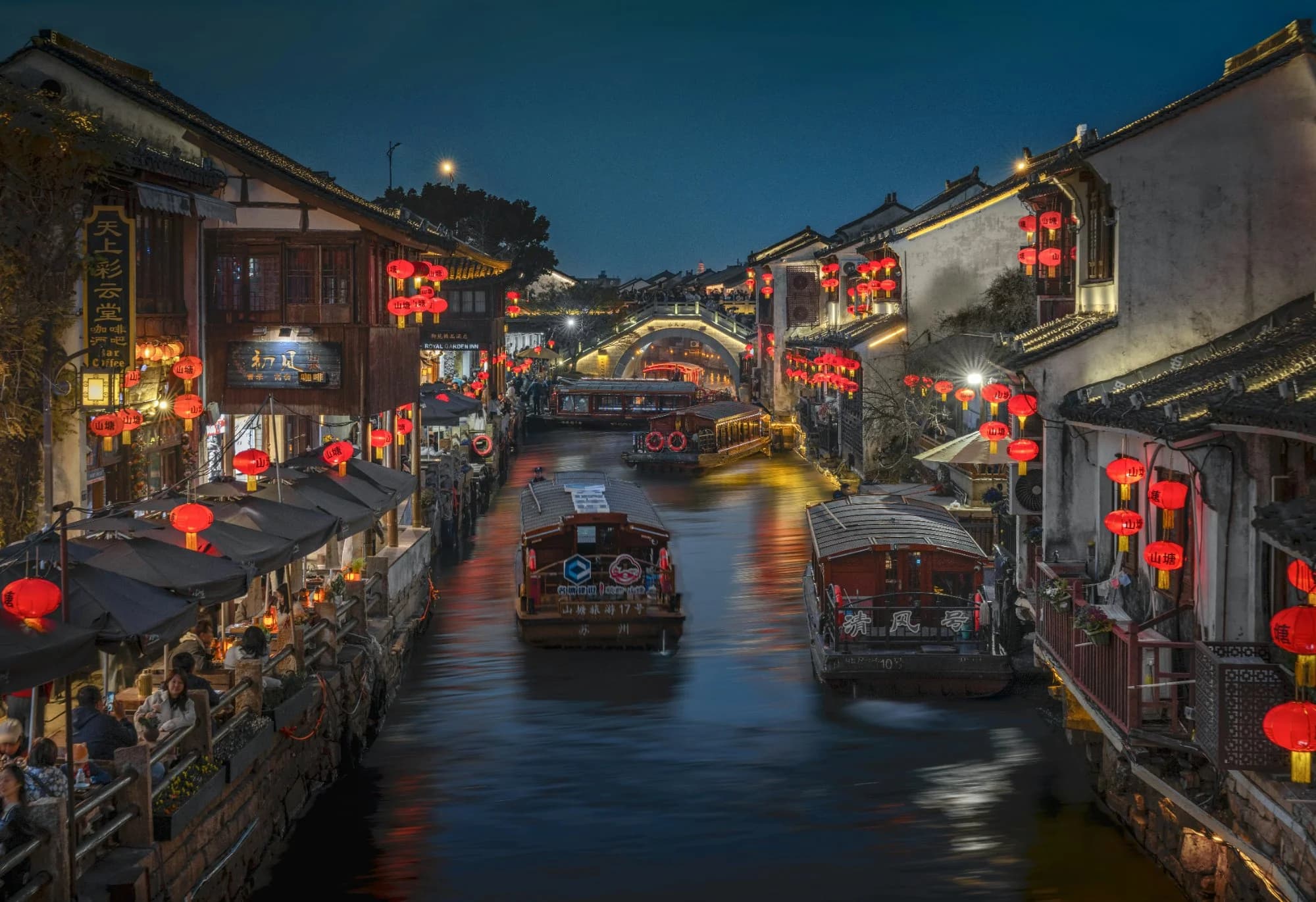
Suzhou sits within the Yangtze River Delta, approximately 100 kilometres west of Shanghai, and has long functioned as a counterpoint to that city's density and pace. Where Shanghai projects financial ambition outward, Suzhou turns inward: its classical gardens, whitewashed walls, and stone-bridged canals define an aesthetic of deliberate restraint that resonates strongly with the contemporary luxury traveller seeking cultural depth over spectacle.

46 km away
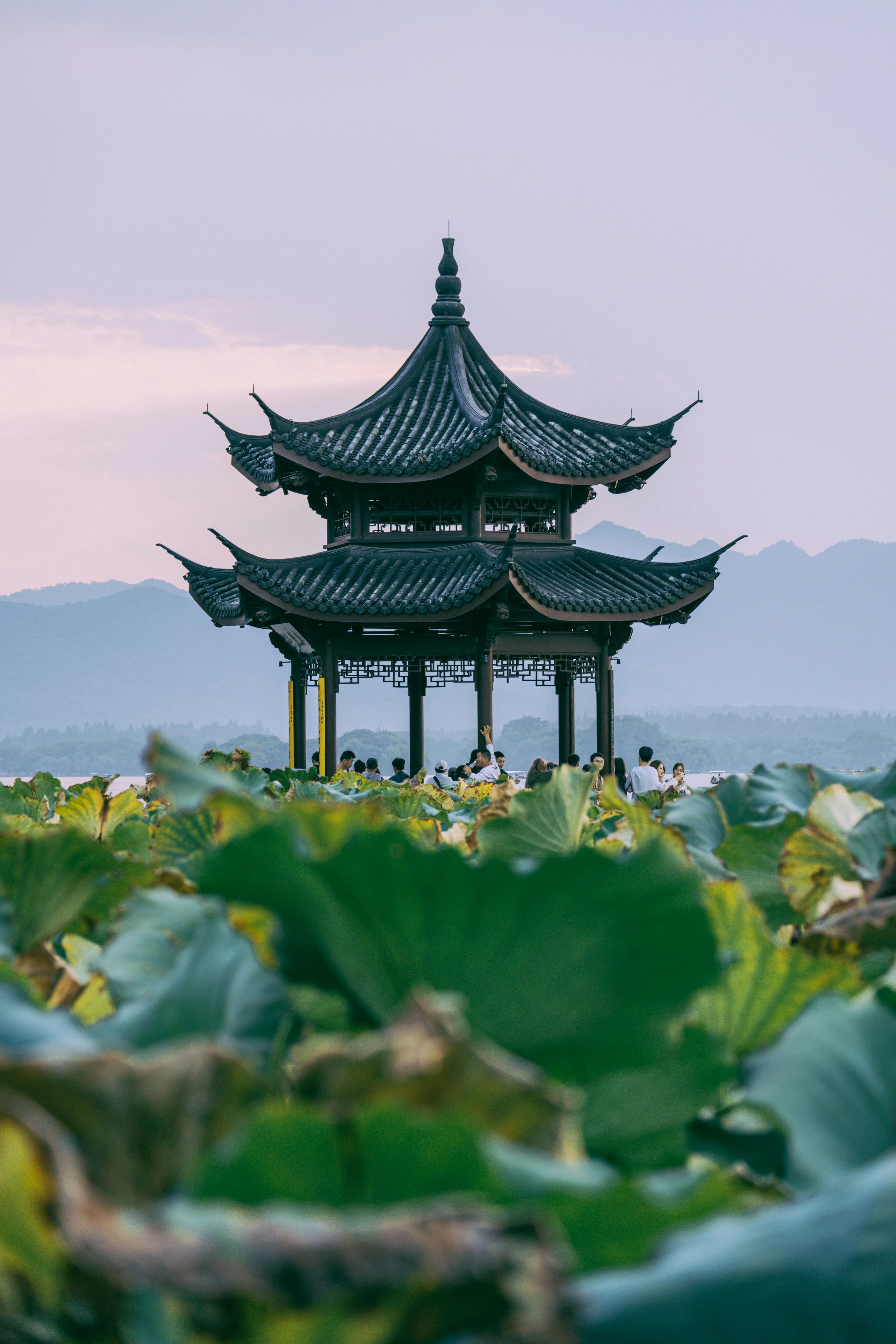
Hangzhou's geography is inseparable from its appeal, and the area in which you base yourself will shape the entire character of your stay. The city organises itself around West Lake, and proximity to this landscape remains the primary variable in any serious accommodation decision.
For travelers accustomed to selecting a luxury hotel suite as a deliberate act rather than a convenience, Shaoxing offers a rare opportunity to inhabit a city that has never optimised itself for mass tourism. Its identity remains intact, and a carefully chosen property here places the guest at the centre of that authenticity rather than at a remove from it.
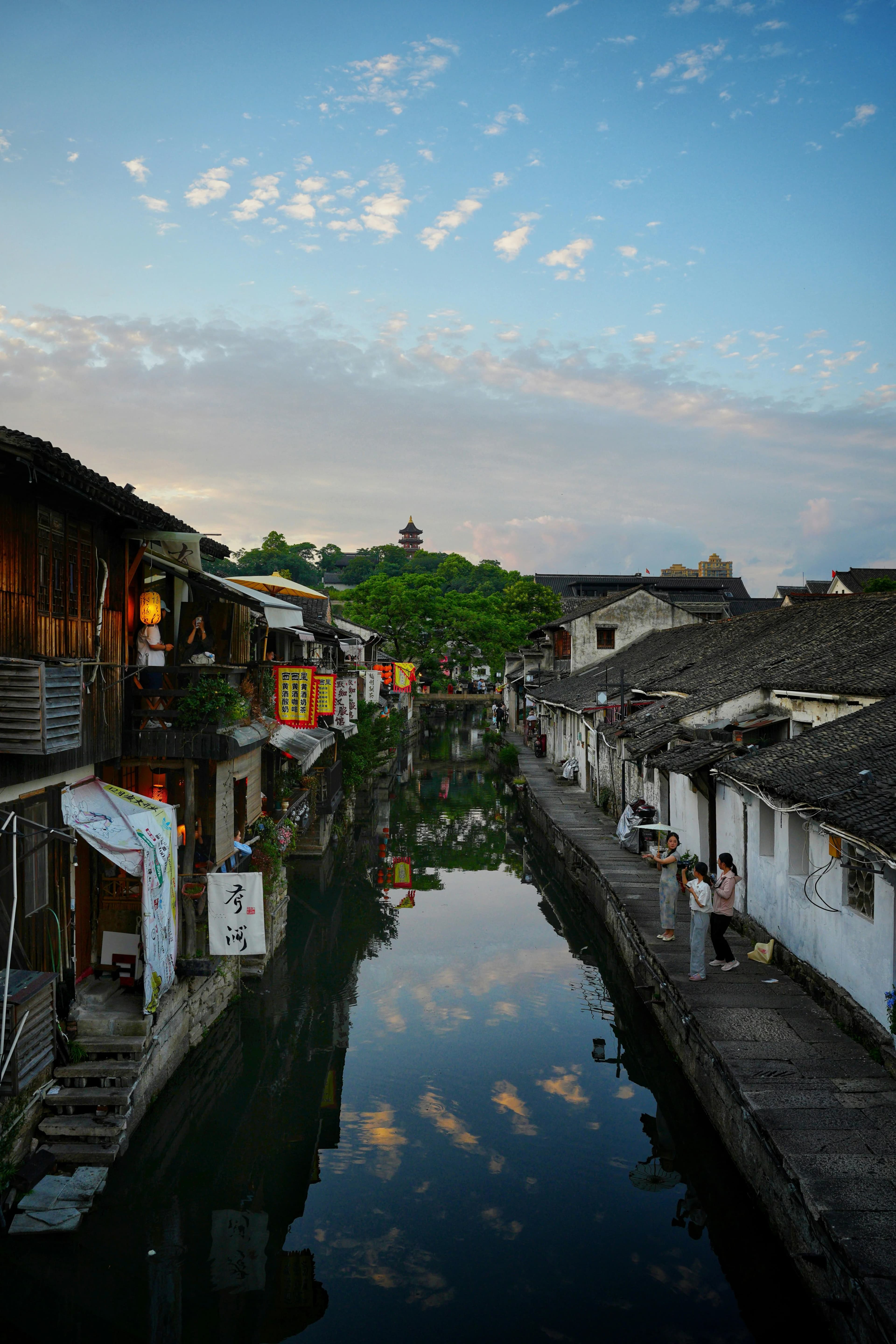
The historic core of Shaoxing is defined by its network of canals, crossed by arched stone bridges and bordered by low whitewashed buildings with dark tile roofs. This is the Jiangnan aesthetic in its most coherent expression: a visual grammar of water, stone, and shadow. Properties positioned within or adjacent to this district offer immediate access to the city's defining sensory experience. Morning light on the canal surface, the sound of punted boats, the smell of Shaoxing rice wine from nearby producers: these details are not decorative but structural to the stay.
To the east and southeast of the city, Shaoxing opens toward quarried hillsides, flooded stone pits turned into reflective pools, and the broader landscape of Zhejiang's rural interior. Travelers seeking separation from the urban density of the canal district may find properties in this zone offer a more contemplative setting, with the city accessible but not overwhelming. The Keyan area, known for its ancient quarrying history and distinctive karst-like scenery, provides an architectural counterpoint to the canal streets.
Shaoxing sits approximately 60 kilometres from Hangzhou, connected by high-speed rail in under 20 minutes. This proximity matters for the luxury traveler constructing a multi-city itinerary across China. A suite in Shaoxing can function as a quieter residential base from which to access Hangzhou's West Lake and broader Asia routing, without sacrificing the depth of engagement that a slower, more embedded stay permits.
Shaoxing's climate follows the pattern of the Yangtze River Delta: humid subtropical, with four distinct seasons. Spring (March to May) is the most considered choice for a first visit. Temperatures are moderate, the city's wisteria and osmanthus gardens are in sequence, and the light on the canals carries the particular quality that Jiangnan landscape painters have documented for centuries. Autumn (September to November) is equally precise: cooler, drier, and better suited to extended walking through the old districts.
Summer in Shaoxing is hot and wet, with humidity that can be substantial. The city does not empty in the way that coastal resort destinations do, but the experience of moving through its stone-paved streets in July or August requires a different physical tolerance. Winter visits are possible and carry their own austere quality: the canal districts under low cloud and morning mist have an authenticity that warmer months, with their tourist density, sometimes dilute.
There are no globally prominent luxury events anchored in Shaoxing's calendar, but the Shaoxing International Calligraphy and Painting Festival, held periodically, attracts collectors and cultural practitioners. The Lanting Calligraphy Festival, connected to the historic Orchid Pavilion site outside the city, is a more specialist cultural moment worth noting for travelers with specific interests in classical Chinese arts.
China's luxury hotel classification system includes the five-star rating applied by the National Tourism Administration, alongside the growing presence of international brand standards. Shaoxing does not yet carry the density of internationally branded luxury hotels found in Shanghai or Beijing, which is precisely part of its value proposition for a certain kind of traveler.
The most considered properties in the Shaoxing area tend to interpret luxury through the lens of heritage architecture: restored courtyard compounds, buildings that retain the spatial logic of Jiangnan design, and interiors that use local materials including lacquerwork, carved stone, and hand-woven textiles. A luxury hotel suite in this context is less likely to be defined by square footage and more likely to be defined by material quality, spatial coherence, and the degree to which the property negotiates honestly with its historical surroundings.
Shaoxing rice wine (huangjiu) is a local institution with a production history of over 2,500 years, and well-positioned properties will incorporate it into their hospitality offer, from in-room amenities to curated tasting experiences. This is a detail that distinguishes a genuinely local luxury experience from one that merely imports an international template.
The primary consideration for suite selection in Shaoxing is architectural context. Properties that occupy or directly reference the city's Jiangnan heritage offer a fundamentally different experience from those that operate as standard business hotels with upgraded room categories. The former places the guest in active dialogue with the city; the latter positions them as observers of it.
Canal-facing rooms and suites carry a premium that is usually justified. The sensory experience of a suite with direct water views in the historic district is specific to Shaoxing in a way that a superior room in a suburban tower is not. Consider also the property's proximity to walkable cultural sites: the Lu Xun Former Residence complex, the Orchid Pavilion, the Dashan Scenic Area. Suite selection should prioritise properties from which these can be reached on foot or by short boat, rather than by car.
For travelers incorporating Shaoxing into a broader Zhejiang itinerary, the practical question of rail connectivity matters. Properties within 15 minutes of Shaoxing North Station (the high-speed rail terminus) offer efficiency without sacrificing immersion in the old city, provided they are positioned with care.
In cities with dense luxury hotel markets, the curation challenge is principally one of comparison: identifying which of many credentialed options best matches a traveler's specific requirements. In Shaoxing, the challenge is different. The market is smaller, less internationally documented, and more variable in quality. Properties that present themselves in luxury terms do not always deliver the spatial and material standards that the designation implies.
This is precisely the context in which a curated selection by La Suite carries its clearest value. Rather than navigating a fragmented and sometimes opaque local market, the traveler accesses a pre-qualified set of properties that have been assessed against consistent criteria: suite size and layout, service approach, architectural integrity, and the quality of the surrounding environment. In a city as culturally specific as Shaoxing, that assessment requires familiarity with what the destination actually offers, not just what it claims.
La Suite's editorial approach to China applies the same rigour to smaller, culturally significant cities as it does to the major metropolitan markets. Shaoxing is not a footnote to a China itinerary. For the traveler who understands what it contains, it is a destination in its own right.

Shaoxing offers a cultural density and architectural coherence that larger Chinese cities have largely lost to modernisation. Its canal districts, classical literary associations, and intact Jiangnan heritage make it a destination for travelers who prioritise depth of experience over spectacle. A well-chosen luxury hotel suite here provides access to a city that rewards sustained attention.
Shaoxing's luxury hotel market is less dominated by international brands than cities such as Shanghai or Hangzhou. The most considered properties tend to be heritage-focused, occupying restored courtyard architecture that reflects the city's Jiangnan identity. This makes the selection process more specialist and the value of independent curation more pronounced.
Spring (March to May) and autumn (September to November) are the most considered seasons for a Shaoxing stay. Temperatures are moderate, humidity is manageable, and the quality of light in the canal districts is at its most precise. Summer is hot and humid, and winter, while atmospheric, requires tolerance for cool and overcast conditions.
Hangzhou offers a wider range of internationally branded luxury hotels and the globally recognised West Lake experience. Shaoxing is quieter, less curated for international tourism, and more architecturally specific. The two cities are connected by high-speed rail in under 20 minutes, making a combined itinerary practical for travelers who want both scale and depth.
The dominant reference point is Jiangnan vernacular architecture: whitewashed exterior walls, dark tile roofs, carved timber detailing, and spatial organisation around interior courtyards. The most considered luxury properties in Shaoxing either occupy historic buildings of this type or interpret the aesthetic with material and spatial integrity rather than superficial pastiche.
Shaoxing huangjiu (rice wine) has a documented production history of over 2,500 years and is one of China's most significant regional beverages. Properties that engage seriously with this heritage incorporate it into their hospitality offer, from in-room amenities to structured tasting programmes. It is a meaningful differentiator between properties with genuine local character and those operating on an imported template.
The Lu Xun Former Residence complex, the Orchid Pavilion (Lanting), the Keyan Scenic Area, and the historic canal district around Cangqiao Street are the most culturally significant reference points. Properties from which several of these can be reached on foot or by boat rather than by car offer a fundamentally more immersive experience.
Shaoxing functions well as a two to three night residential base within a Zhejiang-centred itinerary, paired with Hangzhou and potentially Ningbo or Wuzhen. Its high-speed rail connectivity makes it efficient to reach from Shanghai. For travelers constructing a China journey that moves beyond the primary metropolitan destinations, Shaoxing offers a calibrated counterpoint to the scale of Beijing or Shanghai.
Prioritise canal-facing or courtyard-facing suites in properties that occupy or authentically reference the city's Jiangnan architectural heritage. Assess proximity to walkable cultural sites and, for multi-city itineraries, proximity to Shaoxing North Station. The quality of local material use, including lacquerwork, stone carving, and hand-woven textiles, is a reliable indicator of a property's commitment to the location rather than a generic luxury formula.
Shaoxing's luxury hotel market is smaller and less internationally documented than China's primary city markets, making quality assessment more difficult from standard booking platforms where self-reported categories are inconsistent. La Suite applies consistent editorial criteria across suite size, spatial quality, service approach, and architectural integrity, providing a pre-qualified selection for travelers who cannot afford to make uninformed choices in an unfamiliar market.