Understanding Kunigami District as a luxury destination
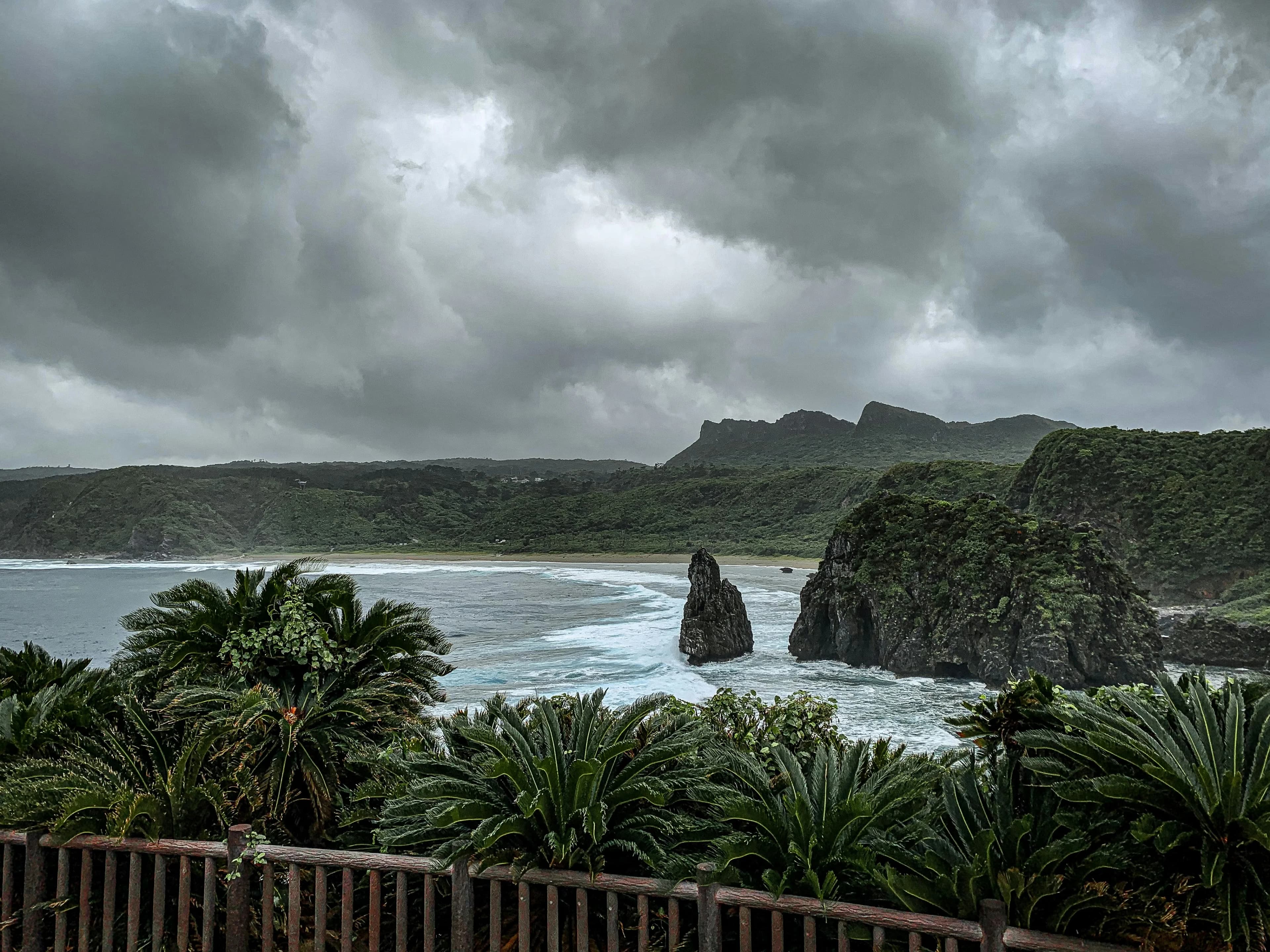
For the traveler accustomed to the curated luxury of Asia's leading resort destinations, Kunigami offers something structurally different: stillness as a primary amenity. The district is not built around nightlife, commercial density, or convention infrastructure. It is built, almost entirely, around the natural environment.
Best areas to stay in Kunigami District
The Yanbaru forest interior
Accommodation positioned within or adjacent to the Yanbaru forest offers the most immersive experience in the district. Properties here tend to prioritise privacy, low-impact architecture, and direct integration with the forest canopy. Suites in this zone often feature private terraces oriented toward the tree line, outdoor bathing facilities, and minimal visual noise. The absence of urban light pollution makes this part of Okinawa exceptional for nocturnal landscape experiences.
The northern coastline
The coastal edge of Kunigami District, particularly around Cape Hedo at the island's northernmost point, offers a more exposed, elemental character. Suites positioned near this coastline provide direct engagement with the Pacific and the East China Sea, which converge at the cape. The architecture of high-end properties in this zone tends toward clean horizontal lines that frame the water rather than compete with it. Access to reef snorkelling and sea kayaking is typically immediate from coastal properties.
Ogimi and the village corridor
The village of Ogimi is known internationally for the longevity of its population, a fact attributed to diet, social structure, and the pace of life. This cultural dimension adds a layer of meaning to a stay in the area. Suites positioned near Ogimi allow guests to engage with local craft traditions, sea grape cultivation, and the particular rhythm of Okinawan village life, without requiring significant travel.
When to visit Kunigami District
Okinawa's climate is subtropical, which means Kunigami District is warm throughout the year. The period from October to March offers the most temperate conditions: lower humidity, clearer skies, and reduced likelihood of typhoon activity. This is generally the preferred window for extended stays in high-end suites, particularly those with outdoor facilities.
The summer months, from June through September, bring higher temperatures, occasional typhoons, and the full intensity of the reef ecosystem. For travelers primarily interested in marine environments, the visibility and water temperature during this period are at their peak. Typhoon risk requires flexibility in travel planning, and suite-level bookings during this window benefit from properties with robust cancellation and rebooking policies.
The spring shoulder season, from late March through May, is increasingly sought after: the heat has not yet peaked, the forest is at its most active biologically, and accommodation availability tends to be stronger than in the peak winter season.
Local luxury standards in Okinawa
Japan operates one of the most demanding hospitality cultures in the world. The concept of omotenashi, often translated as selfless hospitality, shapes every dimension of a high-end stay: from the precision of room preparation to the depth of staff knowledge about local ingredients, tides, and trails. In Kunigami District, this standard is applied within an environmental context, meaning that the finest properties are those that translate ecological knowledge into the guest experience.
Unlike Tokyo or Kyoto, Kunigami does not have a concentration of internationally branded luxury hotel groups. The highest-calibre properties in this district tend to be independently operated or affiliated with smaller regional groups that have invested in architectural quality and local sourcing. Suites in this context are defined less by scale and more by the precision of detail: materials sourced from Okinawan craft traditions, menus built around local seafood and the island's distinctive awamori spirit, and spatial design that prioritises the view and the surrounding landscape above all else.
The ryokan format, Japan's traditional inn structure built around communal bathing, kaiseki dining, and futon sleeping arrangements, is present in Okinawa but takes a distinctly local form. Okinawan ryokan incorporate the architectural vocabulary of the Ryukyu Kingdom, a historically distinct culture with its own ceramic, textile, and musical traditions. A luxury suite within this framework offers a fundamentally different sensory experience from the ryokan of Kyoto or Hakone.
How to choose the right luxury suite in Kunigami District
The primary decision in Kunigami is orientation: forest or coast. These are not interchangeable environments, and the quality of a stay is directly determined by how closely the chosen property aligns with what the traveler actually wants from the landscape.
For those drawn to the reef and the marine environment, a suite with direct water access, ideally with a private terrace or pool positioned over or adjacent to the sea, will anchor the experience most effectively. The quality of the reef in northern Okinawa is genuinely significant, and proximity to it should be treated as a primary criterion rather than a secondary amenity.
For those drawn to the forest and the cultural dimension of Yanbaru, the key consideration is architectural integration. The best suites in this zone use local timber, stone, and ceramic materials in ways that feel continuous with the surrounding environment rather than imposed upon it. Outdoor bathing facilities, whether private onsen or open-air showers, are a meaningful differentiator in this context.
Practical considerations include transportation: Kunigami District is not served by rail, and a rental car is the standard means of movement between the district's sites. Properties that offer curated excursion planning, including guided forest walks, reef diving coordination, and access to local cultural experiences, provide a structural advantage for travelers who want depth rather than simple relaxation.
Why a curated selection matters in Kunigami District
The luxury accommodation landscape in Kunigami District is less indexed, less reviewed, and less visible in mainstream travel infrastructure than the resort belts of southern Okinawa. This is precisely the condition in which curation adds the most value. The properties that define a genuinely exceptional stay in this district are not always the ones with the largest marketing budgets or the most recognisable brand affiliations.
La Suite approaches the district with the same editorial rigour applied across all of Japan and the broader Asian region. The curated selection by La Suite identifies suites that meet architectural, experiential, and service standards consistent with a discerning traveler's expectations, filtering out properties that market themselves as luxury without delivering on the spatial and material quality that the category requires. For a destination as quiet and particular as Kunigami, this filtering is not a convenience. It is the difference between a stay that resonates and one that simply passes.