Understanding Naha as a luxury suite destination
Luxury hotel suites in Naha draw from two distinct design vocabularies. The first is Ryukyuan vernacular: terracotta roof tiles, shisa guardian figures, open verandas oriented toward sea breezes. The second is contemporary resort architecture suited to the Pacific coastal setting, with panoramic glazing, infinity-edge water features, and interiors that reference the coral and indigo palette of the surrounding ocean. The most considered properties synthesize both.
Key areas to consider when choosing where to stay in Naha
Shuri and the historic interior
The Shuri district, set on elevated ground above the port city, is organized around the UNESCO-listed Shurijo Castle, the former seat of the Ryukyu kings. Properties in this area tend to emphasize cultural proximity: quiet residential streets, access to temple precincts, and a pace of life insulated from the commercial activity of the waterfront. A suite here suits travelers whose primary interest is historical depth and architectural specificity.
The Naha waterfront and Kokusai-dori corridor
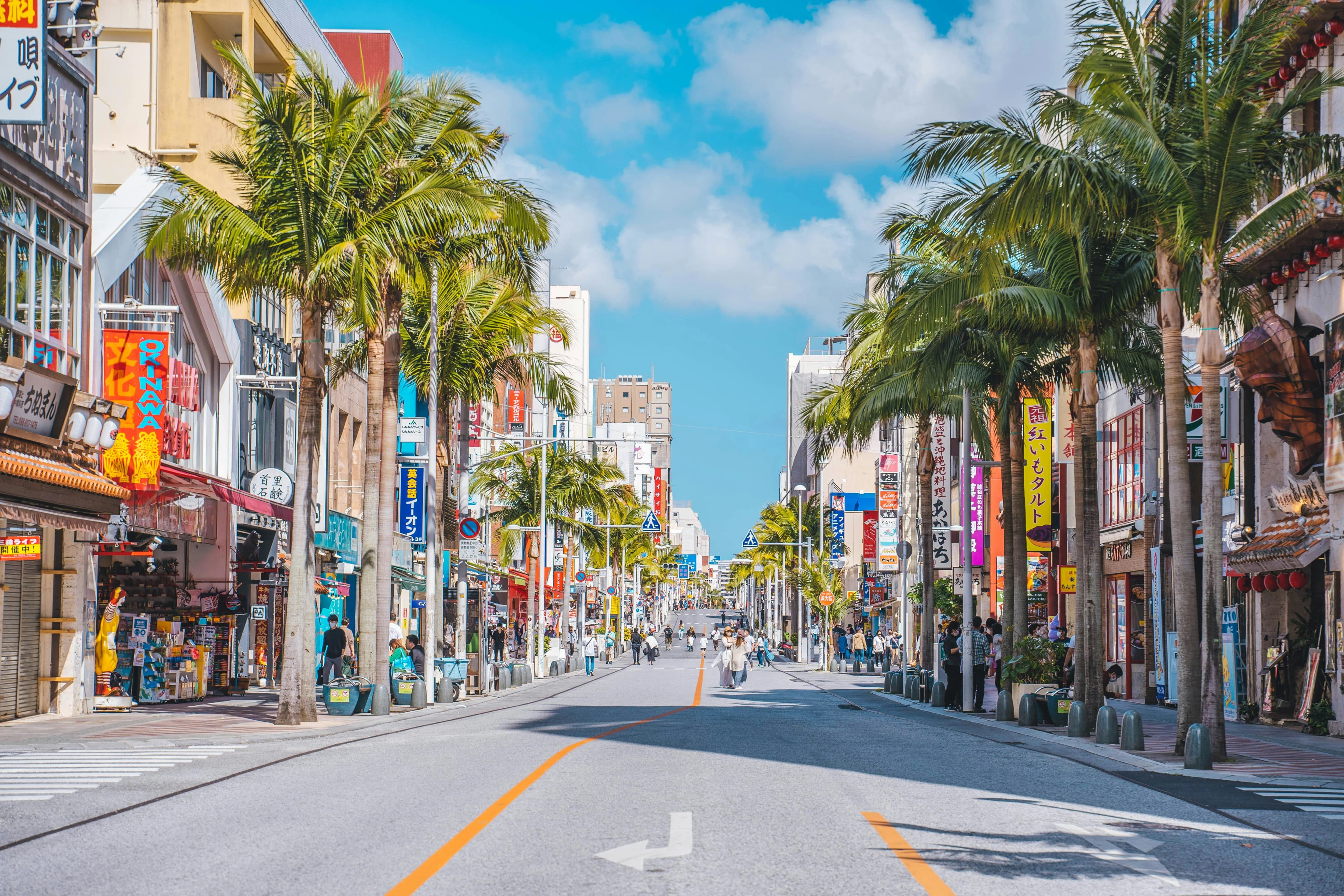
The area around Kokusai-dori, Naha's main commercial artery, and the adjacent port district offers a different proposition. Here, the city is more legible to international visitors: markets, craft shops, restaurants serving champuru and Okinawan soba, and transit connections to the outer islands via ferry and domestic air. Luxury hotel suites in this zone typically prioritize urban convenience and skyline or ocean views over architectural restraint.
The coastal periphery
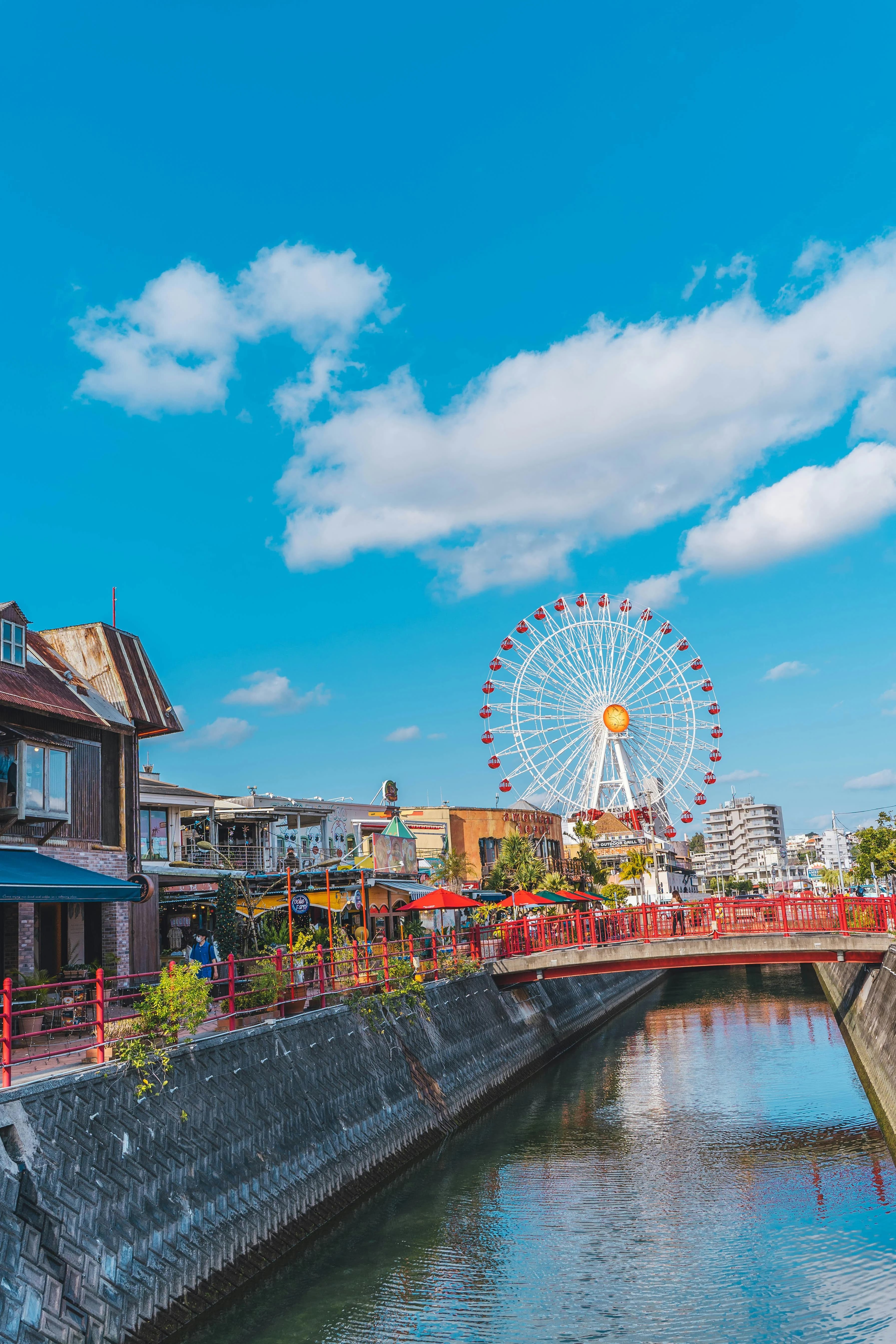
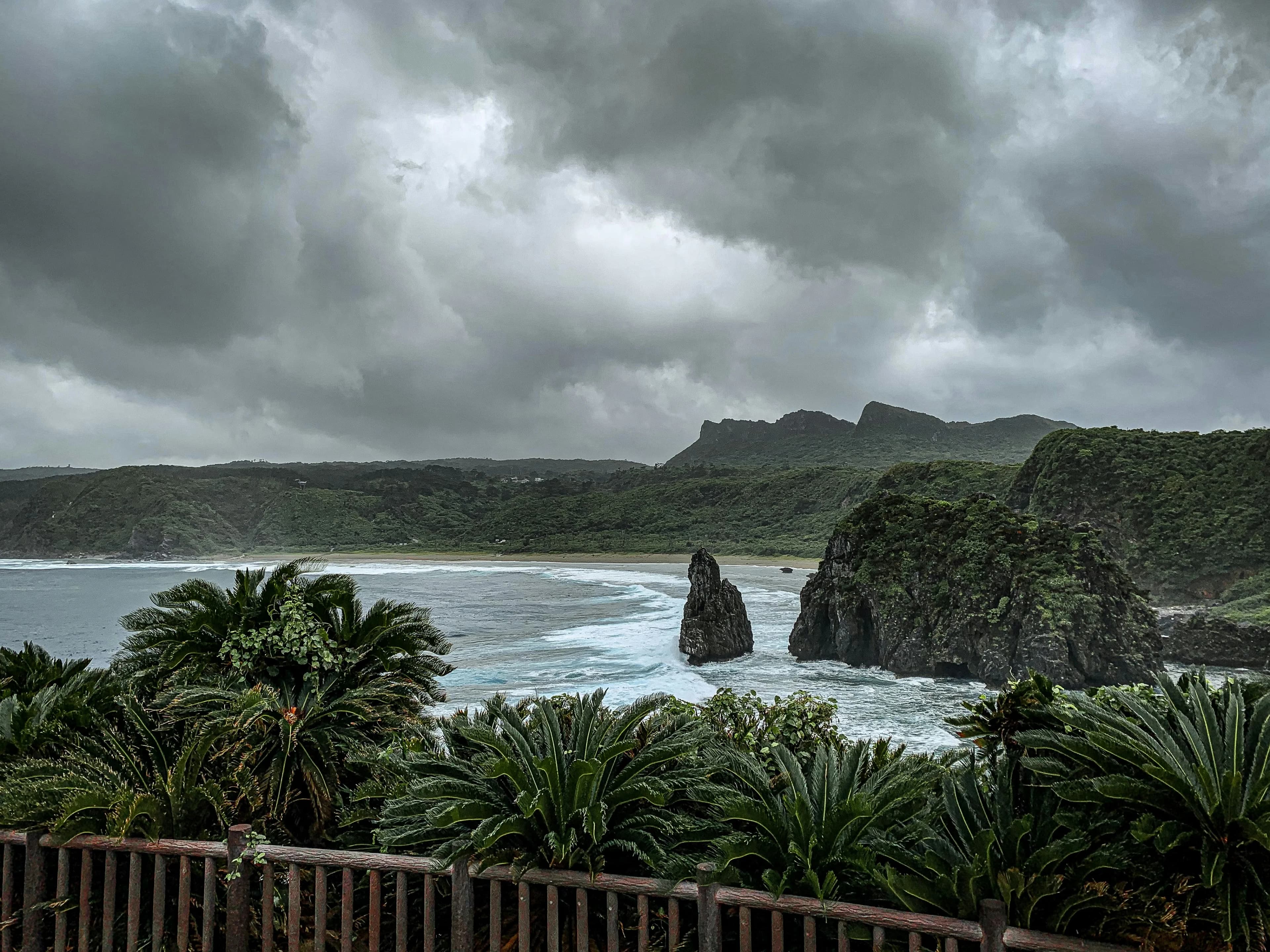
To the south and west of central Naha, a series of coastal districts offer quieter positioning relative to the city's activity. Properties here often occupy low-rise formats suited to the tropical setting, with private terraces, direct beach access, and a separation from urban density that appeals to guests traveling for recovery or privacy rather than cultural programming.
When to stay in Naha
Okinawa's subtropical climate means Naha is warm year-round, but the timing of a visit materially affects the experience. The peak season for international luxury travelers runs from late autumn through early spring, roughly October to March, when temperatures sit between 18 and 24 degrees Celsius, humidity is lower, and the risk of typhoons has passed. This window also coincides with clearer visibility for offshore diving and snorkeling around the nearby Kerama Islands.
The rainy season, known locally as tsuyu, arrives in May and extends into June. Summer, from July through September, brings intense heat, high humidity, and an elevated probability of typhoon disruption. Suite rates and availability reflect this: peak-season demand from both domestic Japanese travelers and international visitors compresses the inventory of high-specification suites, making early planning essential. The Naha Dragon Boat Race, held in May, and the Okinawa International Film Festival draw concentrated visitor volumes and affect hotel availability in the city center.
Local luxury standards: what to expect from top-tier suites in Naha
Japan's national luxury hospitality classification does not include the French-style Palace designation, but the country maintains its own rigorous framework. The Japan Tourism Agency's registered luxury hotel program, alongside the international flag brands operating five-star properties in Okinawa, sets a consistent technical baseline: high thread-count linens, in-suite technology integration, multilingual concierge capability, and food and beverage operations of genuine culinary seriousness.
In Naha specifically, the most distinguished luxury hotel suites tend to incorporate Okinawan design references with precision rather than superficiality. Look for properties where local craft, such as bingata textile dyeing or Ryukyuan lacquerware, appears as a functional design element rather than a decorative afterthought. The best suites in this city also reflect an understanding of the Okinawan wellness tradition, incorporating thermal bathing, local botanical ingredients in spa treatments, and spatial arrangements that prioritize natural ventilation and light.
Service culture here follows the broader Japanese hospitality philosophy of omotenashi: anticipatory, non-intrusive, and oriented toward removing friction before it becomes perceptible. For guests accustomed to the more performative service styles of European or American luxury hotels, this requires recalibration. The absence of overt attentiveness is itself a form of considered attention.
How to choose the right luxury suite in Naha
The primary structural decision is between an urban suite within the city's historic or commercial districts and a coastal suite positioned for access to the water and outer islands. Both are valid, but they serve different travel objectives. Guests whose itinerary centers on Shurijo Castle, the prefectural museums, and the Makishi Public Market will find city-center suites more logistically efficient. Guests planning excursions to the Kerama Islands, the coral reefs, or the quieter beaches of southern Okinawa will benefit from coastal positioning.
Architectural preference is a secondary but meaningful variable. Naha's luxury hotel market includes both international-branded properties operating within global design standards and independently operated hotels that carry stronger regional identity. The latter tend to offer more specific spatial experiences but may require greater investment in pre-arrival research to assess suite quality accurately. La Suite's curation process applies consistent criteria across both categories, so the comparative assessment is already resolved before you engage with individual properties.
Practical considerations specific to Naha include the city's monorail system, the Yui Rail, which connects the airport to Shuri with stops throughout the city center. For coastal properties outside this corridor, private transfer arrangements are standard. Suite guests at premium properties can typically expect airport transfer coordination as part of arrival programming.
Why curated selection matters in Naha
The luxury hotel suite market in Naha is smaller in volume than in Tokyo or Osaka, which concentrates the decision rather than simplifying it. Fewer options with meaningful differentiation between them means that selection errors carry greater consequence. A suite that performs well against generic criteria but fails to align with a specific traveler's spatial or experiential requirements represents a significant opportunity cost given the distance and investment involved in reaching Japan's southernmost prefecture.
La Suite's editorial and curation process filters the Naha market according to criteria that reflect how high-specification travelers actually use suite space: the relationship between indoor and outdoor areas, the quality of light at different times of day, the coherence of design across public and private spaces, and the practical functionality of in-suite amenities. For a broader view of the regional context, the Asia destination section on La Suite situates Naha within the wider landscape of exceptional suite experiences across the continent.
The curated selection by La Suite represents the most direct route to identifying which properties in Naha genuinely meet the standards this category of travel demands.