
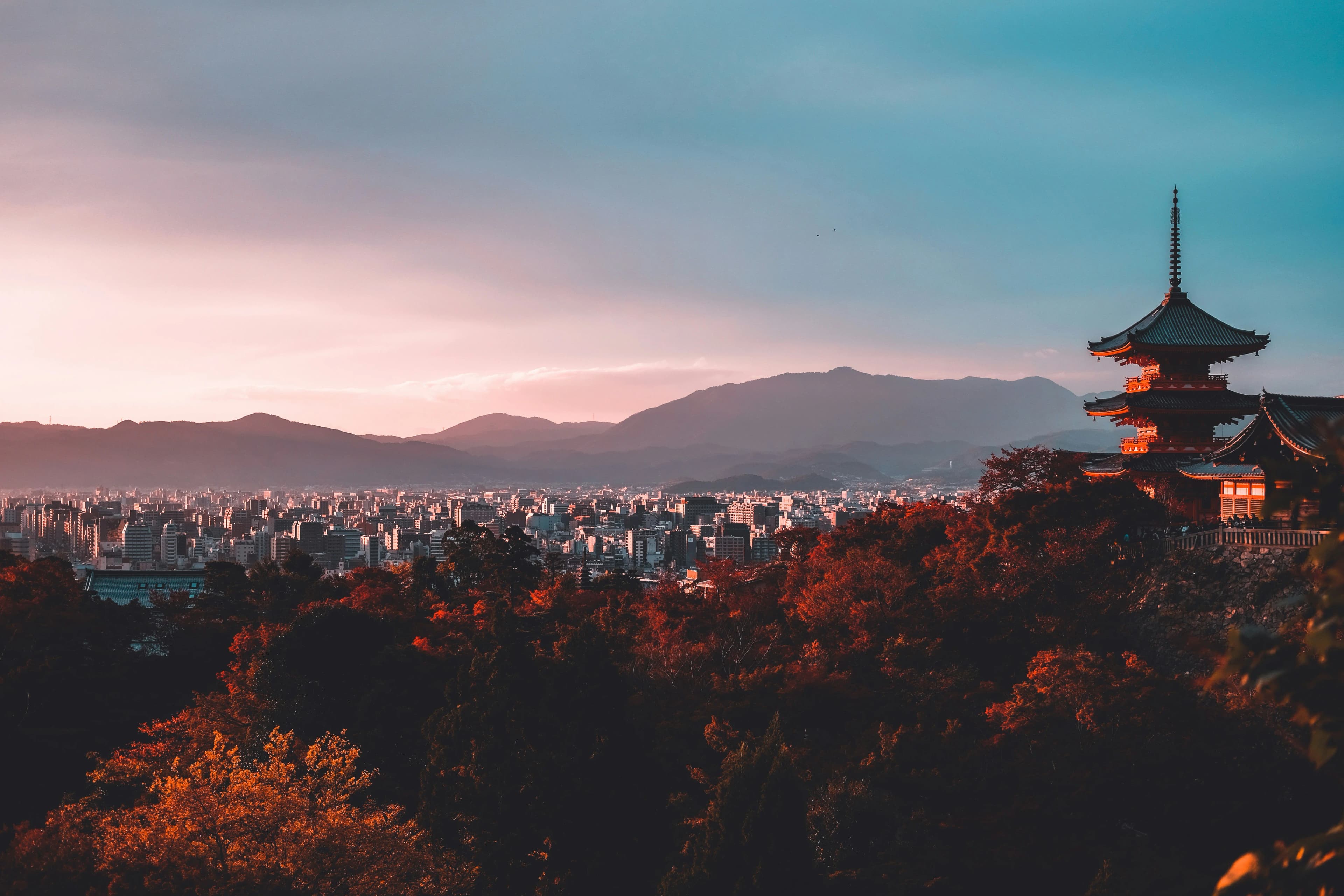
Asakusa

Asakusa

Hotels with luxury suites in Asakusa

Asakusa sits in the northeastern corner of central Tokyo, in the Taito ward, along the western bank of the Sumida River. Historically, this was the entertainment and commercial heart of Edo-era Tokyo, and its urban fabric has retained more of that period's character than almost any other part of the city. For visitors selecting a luxury hotel suite in Tokyo, the neighborhood presents a distinct alternative to the glass towers of Shinjuku or the polished minimalism of Minami-Aoyama.

List modeHotels on Map

2 hotels available

Asakusa View Hotel

Asakusa View Hotel, Tokyo

BarSwimming poolRestaurant
More informationBOOK ON Booking.com

Featuring an art deco style, Asakusa View Hotel houses 2 dining options and offers rooms with free WiFi. The hotel is directly connected to Asakusa Station on Tsukuba Express Line. It is also a 7-minu

Executive Junior Suite with City Side (with Lounge Access)

Executive Junior Suite with City Side (with Lounge Access)

46 m² · 1 bedroom · 3 guests

Providing free toiletries and bathrobes, this twin room includes a private bathroom with a bath, a shower and a bidet. The spacious air-conditioned twin room provides a flat-screen TV with satellite c

Discover
Executive Suite with Skytree Side (with Lounge Access)

Executive Suite with Skytree Side (with Lounge Access)

52 m² · 1 bedroom · 3 guests

Featuring free toiletries and bathrobes, this twin room includes a private bathroom with a bath, a shower and a bidet. The spacious twin room features air conditioning, tatami, soundproof walls, a min

Discover
See the other suites

EN The HOUSE Asakusa Nitenmon
More informationBOOK ON Booking.com

Prime Location EN The HOUSE Asakusa Nitenmon is located in Tokyo city center, offering easy access to key attractions. Tokyo Haneda Airport lies 16 mi away, providing convenient travel options. #

EN Suite

EN Suite

71 m² · 2 bedrooms · 6 guests

This spacious apartment is comprised of 1 living room, 2 separate bedrooms and 2 bathrooms with a bath and free toiletries. In the well-fitted kitchenette, guests will find a refrigerator, kitchenware

Discover
Family Room

Family Room

48 m² · 1 bedroom · 6 guests

In the kitchenette, guests will find a refrigerator, kitchenware, a microwave and a tea and coffee maker. The spacious family room features air conditioning, a washing machine, as well as a private ba

Discover
Junior Suite

Junior Suite

54 m² · 1 bedroom · 4 guests

The spacious suite has 1 bedroom and 1 bathroom with a bath and free toiletries. The well-fitted kitchenette features a refrigerator, kitchenware, a microwave and a toaster. The air-conditioned suite

Discover
Premier Twin Room with Dining

Premier Twin Room with Dining

46 m² · 1 bedroom · 4 guests

The well-equipped kitchenette features a refrigerator, kitchenware, a microwave and a tea and coffee maker. The spacious twin room offers air conditioning, a washing machine, as well as a private bath

Discover
Corner Family Room

Corner Family Room

55 m² · 1 bedroom · 6 guests

The spacious family room offers air conditioning, a washing machine, as well as a private bathroom boasting a bath and a shower. In the fully equipped kitchenette, guests will find a refrigerator, kit

Discover
Premier Twin Room

Premier Twin Room

41 m² · 1 bedroom · 4 guests

The spacious twin room offers air conditioning, a washing machine, as well as a private bathroom boasting a bath and a shower. The well-fitted kitchenette has a refrigerator, kitchenware, a microwave

Discover
Deluxe Twin Room

Deluxe Twin Room

41 m² · 1 bedroom · 3 guests

The well-equipped kitchenette features a refrigerator, kitchenware, a microwave and a tea and coffee maker. The spacious twin room offers air conditioning, a washing machine, as well as a private bath

Discover
Superior Twin Room

Superior Twin Room

41 m² · 1 bedroom · 3 guests

Featuring free toiletries, this twin room includes a private bathroom with a shower, a bidet and a hairdryer. Guests can make meals in the kitchenette that has a refrigerator, kitchenware, a microwave

Discover
Corner Twin

Corner Twin

41 m² · 1 bedroom · 4 guests

The spacious twin room offers air conditioning, a washing machine, as well as a private bathroom boasting a shower and a bidet. In the kitchenette, guests will find a refrigerator, kitchenware, a micr

Discover
See the other suites

Destinations near Asakusa

Shibuya

Shibuya is one of Tokyo's most architecturally and commercially significant districts, built around the famous scramble crossing that has become a precise symbol of Japan's capacity to choreograph density. For the luxury traveler, this is not incidental context. It is the reason to be here. Properties in Shibuya are designed with the knowledge that their guests move between two registers: the street-level immediacy of the district and the controlled, private environment of a well-constructed suite. The hotels that understand this tension are the ones worth considering.

Shinjuku

Shinjuku is not a district that resolves into a single identity. It is better understood as a series of adjacencies: corporate Tokyo meets nightlife Tokyo, traditional garden culture meets hypermodern retail, and quiet residential pockets sit minutes from one of the busiest railway stations on the planet. For the traveler arriving from Asia or beyond, this layering is precisely the point. A well-chosen luxury hotel suite in Shinjuku does not simply offer accommodation. It offers a position from which to read the city on your own terms.

Ginza

To understand Ginza is to understand how Tokyo organizes prestige. Where other cities distribute their luxury districts across wide perimeters, Tokyo concentrates a significant share of its commercial and cultural ambition into Ginza's grid. The area covers roughly 2.4 square kilometers on the eastern edge of central Tokyo, bounded by the Sumida River's tributaries, the Imperial Palace grounds to the west, and Tsukiji to the south. Its main artery, Chuo-dori, closes to vehicular traffic on weekends and becomes a pedestrian corridor lined with the architectural flagships of European houses and Japanese luxury brands.

Asakusa as a base for luxury suite travel in Tokyo

The streets around Nakamise-dori, the approach to Senso-ji Temple, are dense with specialty retailers selling lacquerware, paper goods, textiles, and culinary items that reflect centuries of craft tradition. Moving away from the main thoroughfare, the backstreets of Yanaka and Koenji are within reach, and the Sumida River walk connects Asakusa to the broader eastern waterfront. Staying in a luxury suite here means having immediate proximity to all of this, with the structural privacy and service standards that define serious suite travel.

The character of Asakusa and why it matters for suite selection

Choosing a luxury hotel suite in Asakusa involves understanding what the neighborhood is and is not. It is not a district of fine dining at international scale, nor does it have the density of contemporary art spaces found in Roppongi. What it offers instead is coherence: a neighborhood that reads as a complete historical environment, with a low skyline, preserved shophouse architecture, and a community of artisans and small businesses that gives it a lived quality absent from Tokyo's more corporate districts.

The luxury hotel options here tend to be smaller in scale than their counterparts in Shinjuku or the Marunouchi business district. Several properties have been designed explicitly to engage with the neighborhood's aesthetic rather than contrast it, using natural materials, muted palettes, and sightlines oriented toward temple rooftops or river views. For travelers with a developed sensitivity to architectural context, this matters considerably when selecting a suite.

When to visit Asakusa

Asakusa's event calendar is anchored by the Sanja Matsuri, one of Tokyo's three great Shinto festivals, held each May. The festival draws large crowds through the streets around Senso-ji, and the district's temples and shrines take on a specific ceremonial energy that is worth experiencing directly. Suite availability during this period tightens early, and rates reflect the demand.

The spring cherry blossom season, typically late March through early April, transforms the Sumida River banks into one of Tokyo's most photographed landscapes. Suites with river-facing or elevated views become particularly sought after during this window. Autumn, from October through November, offers cooler temperatures and clearer skies, with the district's traditional architecture reading well against the seasonal light. Winter visits are quieter and allow closer engagement with the neighborhood's permanent cultural institutions without the compression of peak tourism.

For context on navigating Japan more broadly across seasons, La Suite's editorial coverage of the country provides a useful framework.

Local luxury standards and what to expect from top-tier suites in Asakusa

Japan operates with a distinct set of hospitality standards that differ structurally from European or American luxury conventions. The concept of omotenashi, a form of anticipatory, unconditional service, is embedded in how high-end properties operate throughout the country. In Asakusa specifically, the ryokan tradition adds a further layer: some properties have incorporated elements of the traditional Japanese inn format, including tatami-floored rooms, futon bedding options, and in-room ofuro (deep soaking baths), into contemporary suite configurations.

A luxury suite in Asakusa may offer a choice between Western and Japanese room styles, and in some cases, suite-category rooms are exclusively Japanese in format. This is worth confirming at the point of selection. Service ratios at the top tier tend to be high, with dedicated floor staff at many properties and a level of attentiveness that is precise rather than intrusive. The neighborhood's smaller-scale properties often allow for a more personal calibration of service than larger urban hotels in the city center.

For travelers building a broader itinerary across Asia, the ryokan-influenced suite experience in Asakusa provides a reference point that is difficult to replicate elsewhere on the continent.

How to choose the right suite in Asakusa

Suite selection in Asakusa benefits from clarity on a few key variables. First, consider the orientation of the room: properties with Sumida River views or sightlines toward Senso-ji's five-story pagoda offer a spatial relationship to the neighborhood that standard rooms cannot replicate. Second, assess whether you want a property that fully commits to Japanese aesthetic conventions or one that blends them with more internationally recognizable luxury design. Both approaches exist in the district, and neither is categorically superior; they suit different travel intentions.

Third, consider proximity to the district's quieter streets rather than its main commercial corridor. Nakamise-dori is atmospheric at dawn but congested through most of the day. Suites in properties set back from the primary pedestrian routes allow for a more controlled engagement with the neighborhood's energy. Finally, confirm the in-suite bath configuration. The ofuro, whether private or otherwise, is a significant part of the high-end Asakusa experience, and its absence in a suite-category room would represent a meaningful gap in the overall offering.

The value of a curated selection in Asakusa

Asakusa is not a neighborhood with a large volume of luxury hotel inventory. The properties that operate at genuine suite level are few, and the distinctions between them are architectural and experiential rather than simply a matter of star rating or room size. A curated selection by La Suite is particularly useful here precisely because the standard aggregator model, which optimizes for volume and price comparison, does not surface the qualitative differences that determine whether a stay is memorable or merely comfortable.

La Suite's approach to Tokyo and its neighborhoods is built on editorial judgment rather than inventory breadth. For a district like Asakusa, where context and atmosphere are the primary assets, that distinction is not incidental. It is the entire point.

Frequently asked questions

What makes Asakusa different from other Tokyo neighborhoods for luxury suite travel?

Asakusa retains more of Tokyo's Edo-period urban character than any other central district, with a low skyline, preserved shophouse architecture, and proximity to Senso-ji Temple and the Sumida River. Luxury suites here tend to be smaller in scale and more architecturally specific than those in Shinjuku or Marunouchi, offering a different register of privacy and cultural immersion. For travelers who want spatial access to historical Tokyo rather than its contemporary commercial districts, Asakusa is the more coherent choice.

Are there ryokan-style luxury suites available in Asakusa?

Several properties in Asakusa have incorporated ryokan design principles into their suite offerings, including tatami flooring, futon bedding options, and private ofuro (deep soaking baths). Some suite-category rooms are exclusively Japanese in format, so confirming the room configuration before booking is advisable. This ryokan-influenced approach to suite design is one of the factors that distinguishes Asakusa from Tokyo's more internationally standardized luxury hotel districts.

When is the best time to book a luxury suite in Asakusa?

The two peak windows are the cherry blossom season (late March to early April) and the Sanja Matsuri festival in May, both of which significantly compress suite availability and elevate rates. Autumn, from October through November, offers favorable weather, lower competition for top-tier inventory, and a visual quality to the district's architecture that many travelers find preferable. Winter visits are the quietest and allow the most direct engagement with Asakusa's permanent cultural environment.

What suite views are available in Asakusa's luxury hotels?

The most architecturally significant view orientations in Asakusa are toward the Sumida River and toward the five-story pagoda of Senso-ji Temple. Properties positioned to offer these sightlines command a premium within their category, and the visual relationship to the neighborhood's historic structures is qualitatively different from the skyline views available in more central Tokyo districts. Confirming view orientation at the point of selection is a practical step worth taking.

How does omotenashi service differ in Asakusa compared to Western luxury hotels?

Omotenashi describes a form of anticipatory, unconditional service that is embedded in Japanese hospitality culture at all levels. In practice, this means staff attentiveness that is precise and non-intrusive rather than performative, with a high degree of personalization that does not require the guest to articulate preferences explicitly. In Asakusa's smaller-scale luxury properties, the service ratio tends to be favorable, allowing for a level of individual attention that larger Tokyo hotels often cannot maintain consistently across their suite inventory.

Is Asakusa well connected to the rest of Tokyo for suite travelers?

Asakusa is served by several train lines including the Tokyo Metro Ginza Line, the Tobu Skytree Line, and the Asakusa Line, providing direct access to Ginza, Ueno, and the broader city without requiring transfers. The Sumida River water bus also connects Asakusa to Odaiba and Hamarikyu Gardens. For suite travelers who want to use Asakusa as a base for broader Tokyo exploration, the transit infrastructure is sufficient, though traffic-dependent transfers to areas such as Shibuya or Roppongi can extend travel times during peak hours.

What cultural experiences are specific to Asakusa that a luxury suite stay unlocks?

Staying in Asakusa places guests within walking distance of Senso-ji, the Nakamise craft retail corridor, the Sumida River embankment, and several smaller temples and shrines that receive little international attention. The neighborhood also has a concentration of artisan workshops producing lacquerware, Edo Kiriko cut glass, and traditional footwear. Early morning access to Senso-ji before tourist arrivals is one of the specific advantages of staying in the district rather than visiting from elsewhere in the city.

How many luxury hotels with suites are currently listed in Asakusa on La Suite?

La Suite's current curated selection for Asakusa is in development, reflecting the editorial standards applied across all neighborhoods and cities covered on the platform. The district's luxury hotel inventory is smaller than that of Shinjuku or Ginza, and La Suite's approach prioritizes qualitative depth over volume. Travelers exploring Tokyo's suite landscape are encouraged to consult La Suite's broader Tokyo selection while the Asakusa inventory is being established.

Should I choose Asakusa or a more central Tokyo district for a luxury suite stay?

The decision depends on travel intent. Asakusa suits travelers who prioritize historical urban texture, cultural specificity, and a slower pace of engagement with the city. Districts such as Ginza or Shinjuku offer greater proximity to contemporary retail, international dining at scale, and the city's commercial energy. Many travelers with longer stays in Tokyo use both, allocating suite nights across different neighborhoods to experience the city's range rather than committing entirely to a single district.

What is the price range for luxury hotel suites in Asakusa compared to other Tokyo neighborhoods?

Asakusa's luxury suite market tends to be priced below the ceiling set by flagship properties in Ginza or the Park Hyatt category in Shinjuku, though top-tier ryokan-influenced suites with private ofuro and dedicated service can reach comparable nightly rates. The distinction is more often in what the rate includes: properties in Asakusa sometimes incorporate traditional multi-course kaiseki breakfasts or ceremonial tea service within suite packages, which affects the overall value calculation relative to comparably priced rooms in other districts.