Ueno

Ueno

Hotels with luxury suites in Ueno, Tokyo

Ueno is not Tokyo's most fashionable address. That distinction belongs to districts further south. What Ueno offers instead is density of cultural infrastructure and a pace that rewards the traveler who reads a museum catalogue before breakfast. The neighborhood sits at the northern edge of central Tokyo, bordered by Yanaka to the north, Akihabara to the south, and Asakusa to the east. This positioning makes it a practical and intellectually coherent base for exploring the older, more historically grounded parts of the city.

List modeHotels on Map

2 hotels available

NOHGA HOTEL UENO TOKYO
More informationBOOK ON Booking.com

Prime Location NOHGA HOTEL UENO TOKYO is located in Tokyo city center, offering easy access to public transport and key attractions. Tokyo Haneda Airport lies 13 mi away. Comfortable Accommoda

Suite

Suite

64 m² · 1 bedroom · 4 guests

This spacious suite is consisted of of 1 living room, 1 separate bedroom and 1 bathroom with a bath and free toiletries. The fully equipped kitchenette features a refrigerator, a microwave and a toast

Discover

TABI Ueno
More informationBOOK ON Booking.com

Comfortable Accommodations TABI Ueno in Tokyo offers a 4-star aparthotel experience with free WiFi, air-conditioning, and private bathrooms. Each unit includes a kitchenette, balcony, washing mach

Destinations near Ueno

Shibuya

Shibuya is one of Tokyo's most architecturally and commercially significant districts, built around the famous scramble crossing that has become a precise symbol of Japan's capacity to choreograph density. For the luxury traveler, this is not incidental context. It is the reason to be here. Properties in Shibuya are designed with the knowledge that their guests move between two registers: the street-level immediacy of the district and the controlled, private environment of a well-constructed suite. The hotels that understand this tension are the ones worth considering.

Shinjuku

Shinjuku is not a district that resolves into a single identity. It is better understood as a series of adjacencies: corporate Tokyo meets nightlife Tokyo, traditional garden culture meets hypermodern retail, and quiet residential pockets sit minutes from one of the busiest railway stations on the planet. For the traveler arriving from Asia or beyond, this layering is precisely the point. A well-chosen luxury hotel suite in Shinjuku does not simply offer accommodation. It offers a position from which to read the city on your own terms.

Ginza

To understand Ginza is to understand how Tokyo organizes prestige. Where other cities distribute their luxury districts across wide perimeters, Tokyo concentrates a significant share of its commercial and cultural ambition into Ginza's grid. The area covers roughly 2.4 square kilometers on the eastern edge of central Tokyo, bounded by the Sumida River's tributaries, the Imperial Palace grounds to the west, and Tsukiji to the south. Its main artery, Chuo-dori, closes to vehicular traffic on weekends and becomes a pedestrian corridor lined with the architectural flagships of European houses and Japanese luxury brands.

Ueno as a base for cultural travel in Tokyo

For travelers arriving in Tokyo with a structured cultural itinerary, Ueno functions as a kind of residential anchor. The district is quieter than Shinjuku or Shibuya by several degrees, its streets organized around the park rather than commercial thoroughfares. A luxury hotel suite here places the guest within walking distance of the Tokyo National Museum, the National Museum of Western Art (a UNESCO-listed Le Corbusier structure), and the National Museum of Nature and Science, without requiring the density and noise management that other central districts demand.

The character of Ueno's luxury accommodations

Ueno's hotel offering skews toward mid-scale and business properties, which makes the selection of genuinely high-caliber suites a more specific exercise. The luxury options that do exist in and immediately around the district tend toward architectural restraint, reflecting the neighborhood's own tone. Properties draw on Tokyo's broader tradition of precise hospitality: attentive without proximity, formal without coldness.

In Japan, the relevant prestige register for hotel accommodations runs from the internationally recognized five-star classification to the domestically understood concept of omotenashi, a service philosophy built around anticipating needs before they are expressed. Top-tier suites in the Ueno area typically incorporate this philosophy structurally, not as an amenity layer applied to an otherwise Western-format property. Guests should expect considered spatial layouts, premium bedding traditions, and a relationship between interior and exterior that often references Japanese garden principles even in an urban context.

Best areas within and around Ueno for suite stays

Ueno Park perimeter

Properties closest to Ueno Park benefit from the rare Tokyo luxury of greenery and relative quiet. The park itself covers approximately 53 hectares and includes Shinobazu Pond, several temples, and seasonal cherry blossom corridors. A suite with park orientation provides a visual and acoustic register that is genuinely distinct from the city's standard hotel experience.

Yanaka and the northern approach

The Yanaka district, which merges almost imperceptibly with Ueno to the north, preserves one of Tokyo's most intact pre-war urban grids. Its temple streets, independent craft shops, and low-rise residential blocks offer an experience of Tokyo that has largely disappeared elsewhere. Travelers staying in suites near this edge of Ueno gain proximity to this fabric without sacrificing central access.

Akihabara and Okachimachi adjacency

The southern fringe of Ueno, toward Okachimachi and the Ameyoko market strip, connects the district to a more commercial and kinetic Tokyo. This zone suits travelers who want cultural access by day and easier movement toward central wards in the evening.

When to stay in Ueno

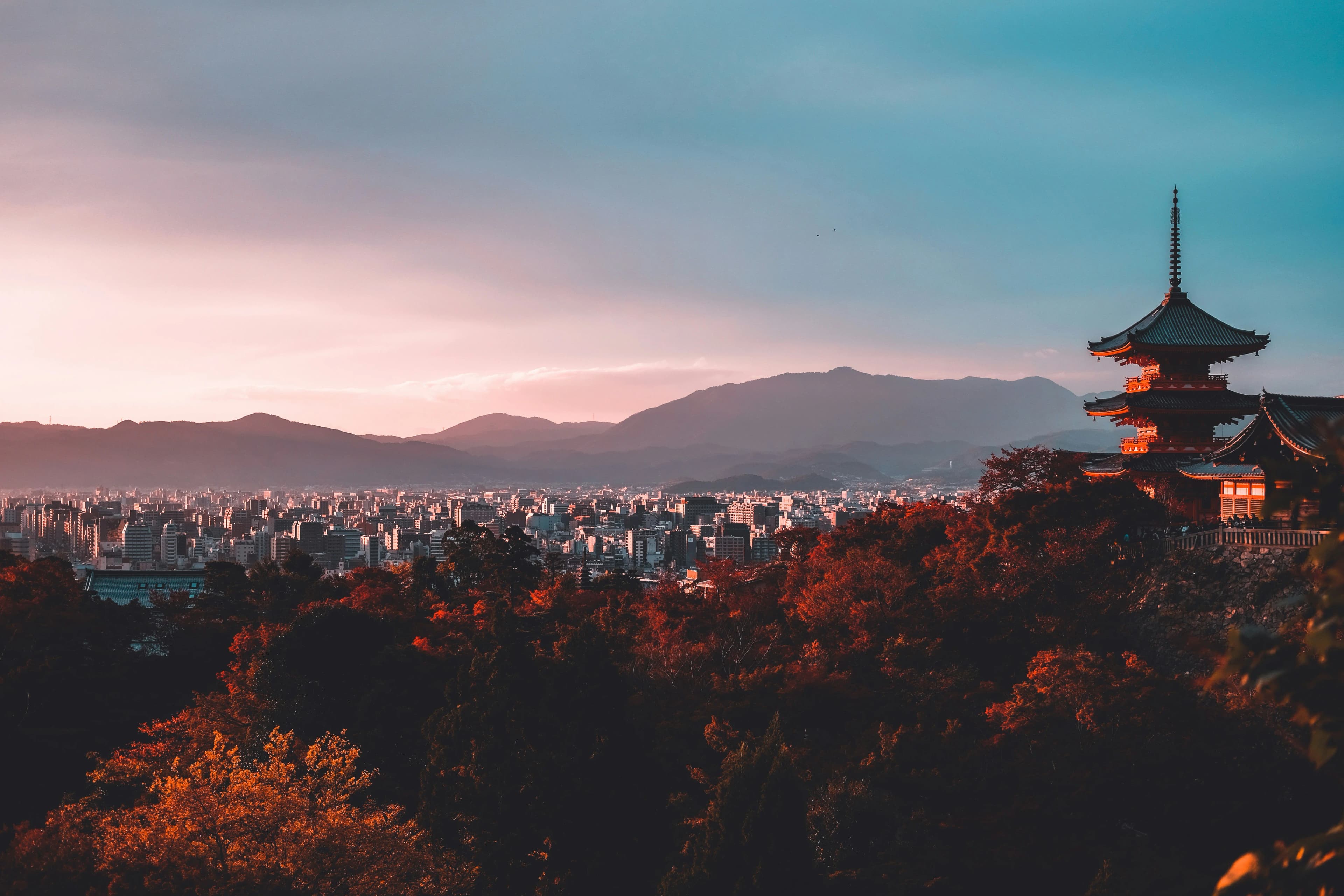
Ueno's seasonality is pronounced. Spring, specifically late March through mid-April, brings the cherry blossom season to Ueno Park, which transforms the district into one of Tokyo's most attended hanami (flower-viewing) sites. Suite availability during this period tightens considerably, and rates reflect the demand. Advance planning of six to twelve weeks is advisable for this window.

Autumn, from mid-October through November, offers a secondary peak driven by foliage color and generally more moderate temperatures. Museum programming tends to cluster major exhibitions around both spring and autumn seasons, which aligns well with a culturally motivated visit. Summer in Tokyo is humid and warm, with temperatures regularly exceeding 30 degrees Celsius, though the city's infrastructure manages the season efficiently. Winter is the quietest period, with lower suite rates and uncrowded museum galleries.

Ueno is also proximate to several significant annual events at the Tokyo National Museum, which rotates major special exhibitions throughout the year. Checking the museum's exhibition calendar before selecting travel dates adds a useful layer of specificity to the stay.

Understanding Japanese luxury hotel standards

Japan's hotel classification system incorporates several tiers that international travelers should understand before selecting a property. The Western five-star designation applies to large international brands operating in Tokyo. Alongside this, a small number of properties carry designations that reflect Japanese hospitality standards more specifically, including recognition from domestic luxury travel organizations.

The ryokan tradition, while more commonly associated with rural onsen towns, has urban expressions in Tokyo as well. Some Ueno-adjacent properties incorporate ryokan-derived elements: tatami flooring, futon bedding options, in-room soaking tubs, and a kaiseki meal structure. These are not novelty features but functional expressions of a hospitality philosophy with several centuries of continuous development. Travelers unfamiliar with this format benefit from detailed pre-arrival briefing, which curated selection services are positioned to provide.

Across Asia, the suite format varies considerably by market and tradition. Tokyo's version tends toward spatial efficiency combined with material quality, rather than the expansive square footage common in Gulf or Southeast Asian luxury hotels. A 70 to 90 square meter suite in Ueno will typically deliver a higher density of considered detail than a 200 square meter suite in a market with less rigorous material culture.

How to choose the right suite in Ueno

Several considerations are specific to choosing a luxury suite in this part of Tokyo. First, orientation matters: a park-facing suite delivers a qualitatively different experience from a city-facing one, and the price differential is not always proportionate to the experiential gap. Second, floor level affects both noise and light in ways particular to Tokyo's urban density. Third, the distinction between Japanese and Western room configurations is a genuine one, not a superficial styling difference. Travelers with specific sleep preferences, dietary requirements, or mobility considerations should clarify these with a specialist before booking.

Proximity to Ueno Station also influences the suite experience. The station connects to the Yamanote Line, Keihin-Tohoku Line, and the Shinkansen network via Tokyo Station (a short journey), making Ueno a functional hub as well as a cultural one. Properties within five minutes' walk of the station offer operational convenience; those slightly further benefit from reduced ambient noise.

The case for curated selection in Ueno

Ueno's luxury suite market is small by the standards of Shinjuku or Marunouchi. The number of properties that genuinely qualify as high-caliber suite experiences is limited, which means undifferentiated search returns a high ratio of noise to signal. The value of a curated selection by La Suite lies precisely here: identifying the specific properties and room categories that meet the criteria for space, service, and cultural coherence, rather than returning every four-star property within a geographic radius.

For travelers organizing a visit to Tokyo around its museum infrastructure, the selection discipline that La Suite applies to the Ueno market saves research time and reduces the risk of a misaligned stay. Tokyo rewards preparation. Ueno, more than most of the city's districts, rewards the traveler who arrives with a clear sense of what they are there to experience.

Frequently asked questions

What makes Ueno a distinctive choice for a luxury suite stay in Tokyo?

Ueno is Tokyo's primary cultural district, housing the Tokyo National Museum, the National Museum of Western Art, and Ueno Park within a compact, walkable area. A luxury suite here provides access to this institutional density alongside a quieter residential pace that contrasts sharply with the city's more commercially intense wards. It suits travelers whose itinerary is organized around cultural engagement rather than shopping or nightlife.

How far in advance should I book a luxury hotel suite in Ueno during cherry blossom season?

Ueno Park is one of Tokyo's most celebrated hanami sites, and suite availability during late March through mid-April tightens significantly as demand peaks across the city. Booking six to twelve weeks in advance is advisable for the cherry blossom window. Some properties open reservations three months ahead, so early planning is structurally necessary rather than merely cautious.

Are there ryokan-style luxury suites available in the Ueno area?

Urban ryokan-format accommodations exist in Tokyo, and some properties near Ueno incorporate tatami flooring, futon bedding options, and kaiseki meal structures. These are not decorative features but functional expressions of a hospitality tradition with centuries of continuous development. Travelers interested in this format should specify their preference when making a selection, as the experience differs substantially from a standard Western suite layout.

What is the best season to visit Ueno for cultural travel and suite availability?

Spring (late March to mid-April) and autumn (mid-October to November) align most closely with major museum exhibition programming and offer the most engaging environmental conditions. Winter provides the quietest period, with reduced rates and uncrowded galleries. Summer is operationally manageable but thermally demanding, with temperatures regularly above 30 degrees Celsius and high humidity.

How does suite sizing in Tokyo compare to luxury hotels in other Asian destinations?

Tokyo luxury suites tend toward spatial efficiency and material quality rather than expansive square footage. A well-appointed 70 to 90 square meter suite in Ueno will typically deliver a higher density of considered detail than a larger suite in markets with less rigorous material culture. Travelers accustomed to the scale of Gulf or Southeast Asian luxury properties should recalibrate expectations toward quality of finish and service depth.

What transport connections does Ueno offer for travelers using it as a base in Tokyo?

Ueno Station connects to the Yamanote Line, the Keihin-Tohoku Line, and provides relatively quick access to Tokyo Station, the primary Shinkansen hub. This makes Ueno a functional base for both within-city travel and day trips to destinations such as Nikko or Kamakura. Properties within five minutes of the station offer strong operational convenience, while those slightly further typically benefit from lower ambient noise levels.

What should I look for when comparing luxury suites in Ueno?

Key considerations include room orientation (park-facing versus city-facing represents a genuine experiential difference), floor level relative to street noise, and the choice between Japanese and Western room configurations. Travelers with specific sleep, dietary, or mobility requirements should clarify these before booking. The distinction between a ryokan-format suite and a Western luxury suite is structural, not superficial, and affects the entire rhythm of a stay.

How does the omotenashi service philosophy affect the luxury hotel experience in Ueno?

Omotenashi is a Japanese hospitality principle built around anticipating guest needs before they are articulated, rather than responding to requests after the fact. In top-tier Tokyo properties, this is built into staffing ratios, spatial design, and service sequencing rather than treated as an add-on amenity. Guests typically notice it in the precision of room preparation, the calibration of interactions, and the absence of friction in daily logistics.

Is Ueno suitable for families traveling with children who want a luxury suite experience?

Ueno is well-suited to families with an interest in natural history, Japanese art, or science, given the concentration of museums oriented toward these subjects. The National Museum of Nature and Science and the Tokyo National Museum both offer programming accessible to younger visitors. Suite selection for families should prioritize floor space, flexible sleeping configurations, and proximity to park access rather than solely focusing on design credentials.

How does La Suite's curated selection help when looking for luxury suites in Ueno?

Ueno's high-caliber suite market is notably small compared to other Tokyo districts, which means general search tools return a high proportion of business and mid-scale properties alongside genuinely luxury options. La Suite's curation focuses specifically on properties meeting criteria for space, material quality, service standard, and cultural coherence. This reduces research time and the risk of booking a property that does not match the expectations of a discerning traveler.