Understanding Kuala Lumpur as a luxury suite destination
Districts and neighbourhoods worth considering
The Golden Triangle
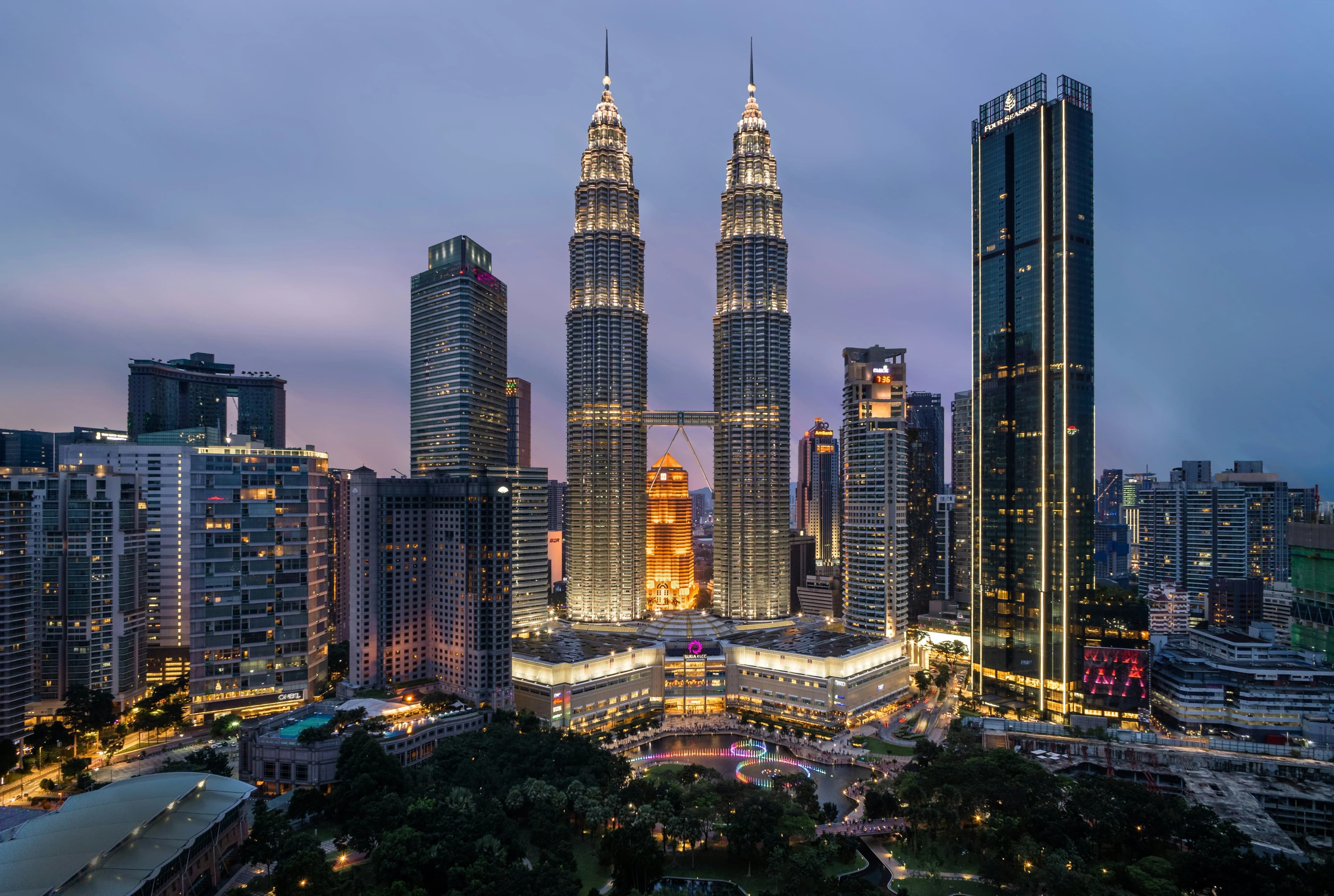
The Golden Triangle, encompassing Bukit Bintang and the KLCC precinct, is the geographic centre of Kuala Lumpur's luxury hotel offer. Properties here command the most direct views of the Petronas Towers and sit within walking distance of the city's principal retail corridors and cultural institutions. The architectural register is predominantly contemporary, with towers designed to maximise floor-to-ceiling glazing and skyline exposure. A luxury suite in this district places the traveler at the centre of the city's commercial and aesthetic life.
Chow Kit and Malay heritage quarters
North of the city centre, the older urban fabric around Chow Kit and the surrounding heritage quarters offers a counterpoint to the glass-and-steel density of KLCC. Boutique properties have begun to occupy restored colonial and Sino-Malay shophouses in these areas, offering suite experiences grounded in texture and historical material rather than altitude. These addresses appeal to travelers who prioritise spatial narrative over panoramic scale.
Damansara and the western suburbs
Kuala Lumpur's western suburbs, particularly around Damansara Heights and Mont Kiara, host a quieter category of luxury accommodation. Properties in these areas tend to serve longer-stay guests and those seeking residential-scale suites with more garden or open-air access than inner-city towers can provide. The pace is different here: less urban density, more considered proximity to private clubs, galleries, and the residential infrastructure that supports extended stays.
When to visit Kuala Lumpur
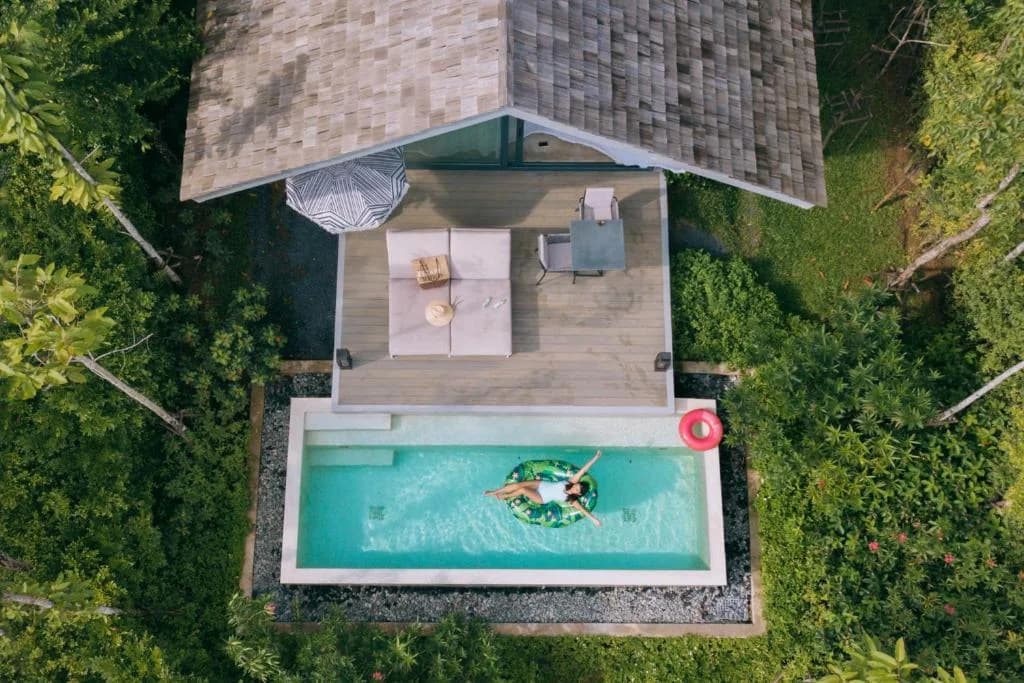
Kuala Lumpur sits just north of the equator and operates on a tropical climate with no defined cold season. Rainfall is distributed across the year, with heavier precipitation generally occurring between October and March on the western side of the peninsula. The period from May to August tends to offer more consistently dry conditions, though the city is functional and navigable throughout the year. Humidity is a constant; suite travelers often prioritise properties with strong climate-controlled interiors and access to pool facilities designed to manage the thermal register of prolonged outdoor exposure.
The city's cultural calendar includes significant moments around Chinese New Year (January or February, depending on the lunar cycle), Hari Raya Aidilfitri, and Deepavali, each of which transforms specific quarters of the city with light installations, markets, and specific architectural illuminations. Booking luxury suites during these periods requires meaningful lead time, as demand from domestic and regional travelers intensifies significantly.
Local luxury standards and what to expect from top-tier suites
Malaysia does not operate a formal national grading system equivalent to France's Palace designation, but Kuala Lumpur's top-tier hotels are largely affiliated with international luxury groups whose internal standards set the baseline. What distinguishes the finest suites in the city is a combination of spatial scale, technology integration, and service architecture that reflects the city's position as a hub for business travel at the highest level.
Suites in Kuala Lumpur's leading properties typically feature butler service, dedicated check-in and departure protocols, and access to club lounges that function as private hospitality environments within the larger hotel. In properties where altitude is a structural asset, the suite offer is often built around floor-to-ceiling glazing with engineered views oriented toward the Petronas Towers or the broader city grid. Bathroom architecture in these properties tends toward the demonstrative: freestanding baths positioned for skyline views, dual vanities, and materials that reference the region's stone and timber heritage without replicating it literally.
A specific consideration for suite travelers in Kuala Lumpur is the integration of halal hospitality standards at many leading properties, which affects the food and beverage offer within the suite. Alcohol service varies by property and is worth confirming at the selection stage.
How to choose the right luxury suite in Kuala Lumpur
The primary axis of choice in Kuala Lumpur is between skyline-facing contemporary towers and heritage or boutique properties with a more grounded spatial character. Both categories can deliver a genuinely high suite experience, but they speak to different priorities.
For travelers whose experience of the city is primarily visual and architectural, a high-floor suite in a tower property within the KLCC precinct delivers a coherent relationship with the skyline that defines Kuala Lumpur's identity. For travelers who are drawn to material history, craft, and the specific texture of urban Southeast Asia, a boutique property in a restored structure offers a different kind of authority.
Practical considerations include: transport logistics within a city where traffic density is high and walkability is limited outside specific precincts; the availability of private car or driver services attached to the property; and access to dining infrastructure within or adjacent to the suite, given the city's exceptional food culture, which operates at every register from hawker-level to formal.
Why curation matters in Kuala Lumpur's luxury hotel market
The sheer volume of properties operating under luxury or premium positioning in Kuala Lumpur makes undifferentiated search genuinely counterproductive for a suite traveler with specific requirements. The gap between a hotel that describes itself as a luxury hotel and one that delivers the spatial, service, and design standards that justify the category is significant and not always visible at the booking stage.
La Suite's curated selection for Kuala Lumpur applies editorial criteria across suite architecture, service depth, and design coherence to produce a shortlist that reflects the city's genuine ceiling rather than its average offer. The selection process accounts for the specific conditions of this destination: altitude and skyline access, halal hospitality considerations, climate management infrastructure, and the distinct choice between tower and heritage typologies. The result is a set of recommendations that compresses the decision process without compressing the quality of outcome.