Understanding Pokhara as a luxury destination
Luxury travel in Pokhara is not about density of amenity. It is about deliberate positioning: the right orientation toward the mountains, proximity to the lakefront without sacrificing privacy, and properties that understand that the view is the primary architecture. The luxury hotel suite in this context functions as a calibrated frame for the landscape outside it.
Best areas to stay in Pokhara
Lakeside (Baidam)
The Lakeside district, locally known as Baidam, is the most established hospitality zone in Pokhara. It runs along the eastern shore of Phewa Lake and combines accessibility with a relatively contained scale. Properties here range from mid-market guesthouses to upper-tier hotels with lake-facing suites. For travellers prioritising proximity to the water and ease of access to boat crossings to the Tal Barahi Temple, Lakeside remains the default area of choice. The northern end of Lakeside, closer to Camping Chowk, tends to be quieter and is where higher-specification properties have positioned themselves.
Pame and the northern periphery
North of the main Lakeside strip, toward Pame and the foothills that rise toward Sarangkot, a smaller number of properties offer greater elevation and correspondingly broader Himalayan sightlines. Suites in this zone tend to favour architectural positioning over urban convenience. The trade-off is distance from the lake and the city's commercial centre, but the compensation is a degree of seclusion and a mountain orientation that is difficult to achieve closer to Phewa Lake.
Pokhara city centre and the new Pokhara Metropolitan area
The formal city centre, distinct from the tourist Lakeside district, has seen development accelerate since the opening of Pokhara International Airport in 2023. The new airport, located approximately 23 kilometres from the old domestic airport, has improved connectivity from Kathmandu and, in principle, from international hubs. Properties in and around the metropolitan core are oriented toward business travellers and regional visitors rather than experiential luxury. For leisure travellers seeking a luxury hotel suite, the city centre is generally less compelling than the lake and mountain-facing zones.
When to visit Pokhara
Nepal operates on two primary travel seasons, both determined by the monsoon cycle. The pre-monsoon season, from late February through May, offers warm temperatures and reliable visibility in the mornings, though afternoon cloud build-up is common by April. This is peak trekking season, and suite availability at better properties tightens considerably from March onward. Booking three to four months in advance is advisable for upper-category accommodation during this window.
The post-monsoon season, from October through December, is widely regarded as the most reliable period for Himalayan visibility. The air is washed clean by the monsoon rains, daytime temperatures are moderate, and the Annapurna range appears with a definition that earlier months rarely provide. October and November represent the highest-demand window in Pokhara's hospitality calendar. January and February bring cold nights and occasional snowfall on higher ground, but clear skies persist and crowds thin substantially. This shoulder period offers a combination of quality visibility and reduced competition for premium suites.
The monsoon itself, from June through September, renders trekking routes difficult and mountain views largely obscured. Some properties reduce rates significantly during this period, and travellers with flexibility and a tolerance for rain can access otherwise competitive suites at lower cost.
Local luxury standards: what to expect from top-tier suites in Pokhara
Nepal does not operate a formal government classification system equivalent to France's Palace designation. Hotel ratings are assigned by the Nepal Tourism Board, with five-star certification representing the upper tier of the official scale. In practice, the gap between a certified five-star property in Pokhara and a genuinely well-curated luxury hotel suite can be significant. Certification addresses a checklist of facilities; it does not assess the quality of spatial design, the coherence of service, or the specificity of the guest experience.
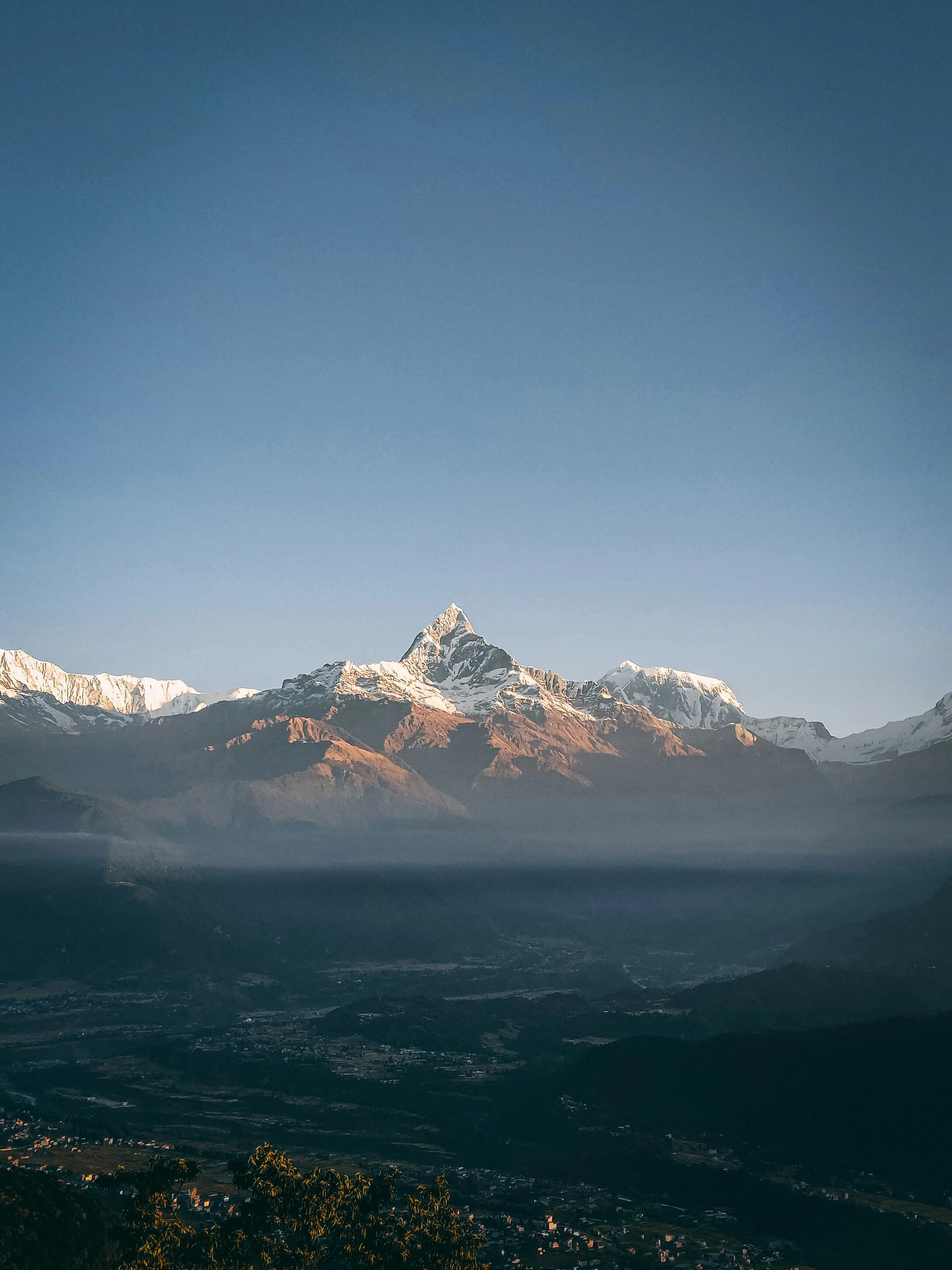
The best luxury suites in Pokhara tend to share certain characteristics: generous square footage with dedicated living areas separate from the sleeping quarters, private terraces or balconies oriented toward the Annapurna or Machapuchare (Fishtail Mountain) panorama, and bathroom specifications that include soaking tubs with mountain or lake views. Cuisine at upper-tier properties increasingly reflects both Newari culinary tradition and international preparation standards, with a growing emphasis on locally sourced ingredients from the Gandaki region.
Travellers should note that infrastructure in Pokhara, including power supply and water pressure, can vary even within nominally high-end properties. Properties that have invested in independent power generation and water management systems offer a materially more consistent experience. This is a practical consideration that is not always legible from marketing materials alone, and it is one of the factors that curation addresses directly.
How to choose the best suite in Pokhara
Orientation and view
The orientation of a suite relative to the Annapurna range is arguably the single most consequential factor in Pokhara. Not all rooms marketed as mountain-view suites deliver an unobstructed panorama. Properties positioned on elevated ground north of Phewa Lake, or along the northern Lakeside strip, offer the most reliable sightlines. Requesting floor plans or specific room numbers when booking is a reasonable and increasingly common practice among experienced luxury travellers.
Lake access versus mountain elevation
There is a genuine trade-off in Pokhara between lake proximity and mountain elevation. Properties on the immediate lakefront offer the reflective quality of Phewa Lake and easy access to water-based activities, including kayaking and the short boat crossing to the Barahi Temple. Properties on higher ground sacrifice lake immediacy but gain a broader Himalayan perspective. The choice depends on whether the traveller prioritises the horizontal calm of the lake or the vertical drama of the mountains.
Service infrastructure for extended stays
Pokhara is increasingly visited not only as a trekking base but as a destination for longer, slower stays. For travellers intending to remain for a week or more, suite-level properties with dedicated concierge services, in-suite dining capacity, and direct arrangements with licensed trekking and guiding operators provide a materially different level of ease. The best properties in this category can arrange everything from Annapurna Circuit permits to private sunset flights over the Himalayas in small aircraft or helicopters.
The value of curation in Pokhara
The hospitality market in Pokhara is heterogeneous. A significant volume of properties operates at backpacker and mid-market price points, and the category labelling in international booking platforms does not consistently distinguish between a property with genuine luxury suite credentials and one that simply prices itself at the upper end of the local market. For a traveller whose time and expectations are both finite, this ambiguity is a real cost.
La Suite's approach to Nepal and specifically to Pokhara is to apply the same editorial standard used across Asia: properties are assessed on spatial quality, service architecture, and the integrity of the guest experience rather than on star ratings or self-reported amenity lists. The curated selection by La Suite removes the friction of distinguishing signal from noise in a market where that distinction is not always transparent. For a destination as singular as Pokhara, where the quality of the vantage point shapes the entire experience, that specificity of selection is not a convenience. It is the point.