




Thailand
Luxury Hotel Suites in Thailand
Thailand's luxury accommodation map divides along two axes: urban and coastal. Each zone carries distinct architectural logic, social rhythms, and calibre of offering.
Best Neighbourhoods and Regions for Luxury Suites in Thailand
Bangkok — Riverside and Central Lumpini
Bangkok's highest-concentration luxury corridor runs between the Chao Phraya riverside and the Ratchaprasong-Lumpini axis. The riverside district — anchored by Charoen Krung and the Saphan Taksin area — hosts properties with direct river frontage, where suites orient toward the temple skyline and the water traffic of the Chao Phraya. The architecture here tends toward the monumental: grand lobbies, high ceilings, and Thai art collections that function as institutional holdings rather than decorative gestures. The Ratchaprasong intersection and Wireless Road corridor, by contrast, are metropolitan and verticalized — connected to high-end retail, diplomatic infrastructure, and a dense dining ecosystem. Suites in this zone prioritise city panoramas, executive-level connectivity, and proximity to the Langsuan and Ploenchit neighbourhoods, which remain Bangkok's most architecturally considered residential areas.
Phuket — Surin, Kamala, and the Andaman Hillside
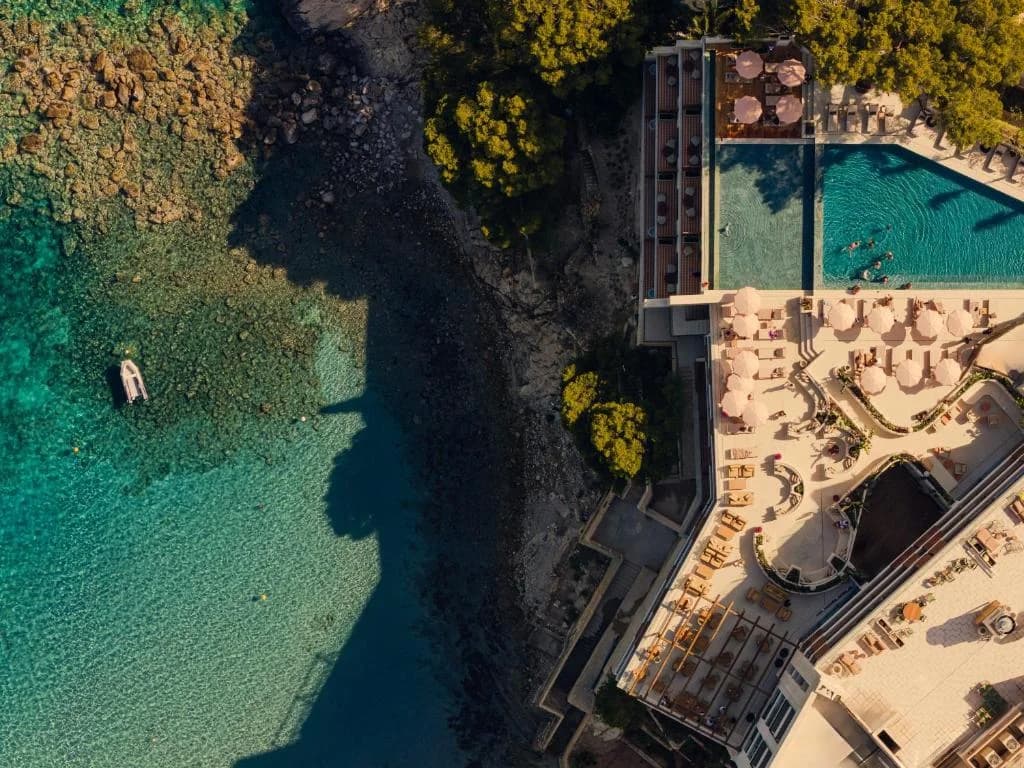
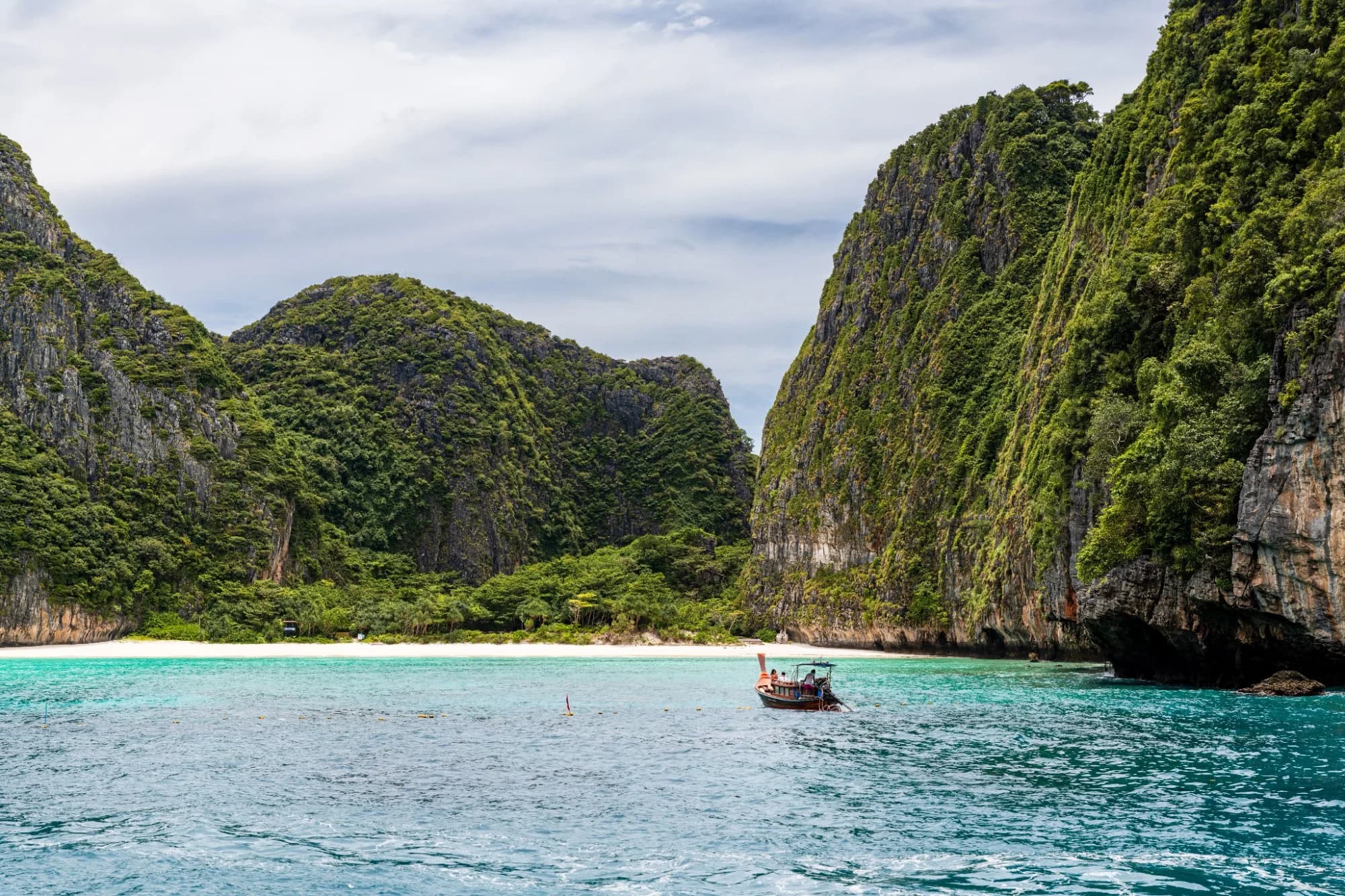
Phuket's luxury geography has shifted decisively away from Patong and toward the island's northern and western coastline. Surin Beach and the Kamala headland now anchor the island's premium tier, with properties built into the hillside above the Andaman Sea — positioning suites for direct ocean sightlines, elevated privacy, and access to the Cape Yamu and Ao Po marinas on the island's quieter east coast. Bang Tao, a long stretch of beach north of Kamala, hosts several large-format resort properties where suite buildings are distributed across tropical estate grounds. The architecture across this zone mixes Thai material traditions — teak, laterite, open sala structures — with contemporary minimalism. The result is a typology found almost nowhere else: architecture that is simultaneously climatically responsive and design-forward.
Koh Samui — North Shore and Bophut Hills
Koh Samui operates at a lower density than Phuket, with luxury supply concentrated along the north shore between Choeng Mon and the Fisherman's Village area of Bophut. Properties here favour the hillside-villa format: private pool villas set into the terrain above the Gulf of Thailand, with covered outdoor living spaces and landscaping that uses native species rather than generic resort tropicalia. The island's smaller scale makes it suited to longer, quieter stays. The Choeng Mon peninsula in particular has established itself as the island's most architecturally controlled enclave.
Chiang Mai — Ping River and the Old City Periphery
Chiang Mai's luxury accommodation occupies a distinct register — quieter, more materially considered, with a stronger connection to northern Thai craft traditions. Properties along the Ping River east of the Old City offer a garden-and-river typology: lower-rise, highly landscaped, with suite buildings that reference Lanna architectural vocabulary. This is not a beach destination; the draw is cultural proximity, cooler highland temperatures relative to the south, and access to craft markets, temple circuits, and the surrounding Mae Rim and Doi Suthep terrain.
When to Visit Thailand for a Luxury Stay
Thailand's climate divides by region, and timing a high-end visit requires matching the destination to the season rather than treating the country as a single climatic zone.
The Gulf of Thailand coast — Koh Samui, Koh Phangan — receives its optimal weather from January through August, with September through December carrying the highest rainfall risk and, in some years, cyclonic weather. The Andaman coast — Phuket, Khao Lak, Krabi — inverts this pattern: November through April represents the dry season, with May through October bringing the southwest monsoon. Bangkok is most hospitable from November through February, when temperatures moderate and humidity drops to manageable levels. Chiang Mai shares this cool-season window, with the added advantage of reduced haze — a persistent issue from February through April when agricultural burning affects air quality across the north.
For event-aligned travel: the Vegetarian Festival in Phuket (typically October) is one of Southeast Asia's most intense cultural spectacles. Loy Krathong, observed nationally in November, is best experienced in Chiang Mai, where the Yi Peng lantern release occurs simultaneously. Songkran, the Thai New Year in April, transforms Bangkok and Chiang Mai into citywide water festivals — visually extraordinary but logistically demanding for high-end travel.
Understanding Local Luxury Standards in Thailand
Thailand does not operate a formal government classification equivalent to France's Palace designation or the UK's AA Five Red Star system. The national hotel classification runs to five stars, administered by the Tourism Authority of Thailand, but in practice the upper tier of the market self-regulates through brand affiliation, independent architectural reputation, and editorial recognition.
The most meaningful quality signal in Thai luxury hospitality is brand lineage. Properties affiliated with the leading Thai hospitality groups — including those operating under the Mandarin Oriental, Anantara, Rosewood, and Four Seasons flags — carry institutional quality standards that override the limitations of national classification. Alongside these, a tier of independent and boutique properties has emerged, particularly in Phuket and Koh Samui, where architectural specificity and low room counts define the offering. These independents are not less rigorous; in several cases they represent the most considered design work on their respective islands.
Service culture in Thailand operates within a Buddhist framework that prizes composure, precision, and anticipatory attention — what the industry refers to as Thai hospitality. At the highest-performing properties, this translates into staff ratios that substantially exceed Western luxury norms, and a level of personalisation that is structural rather than incidental.
How to Choose the Best Suite in Thailand
The first decision is geographic: urban or coastal, and if coastal, which coast and which season. A Phuket suite booked in September carries meaningful weather risk; the same budget deployed in Koh Samui during the same month is better aligned with the Gulf coast's meteorological calendar.
Within a destination, the suite typology matters as much as the property brand. In Thailand, the principal categories are: sky suites in Bangkok's high-rise towers, where the view is the primary spatial experience; villa suites in coastal resorts, where privacy and outdoor living space define the proposition; and heritage-adjacent suites in Chiang Mai and Bangkok's older riverside properties, where material culture and provenance carry the most weight. Each typology rewards different traveler profiles.
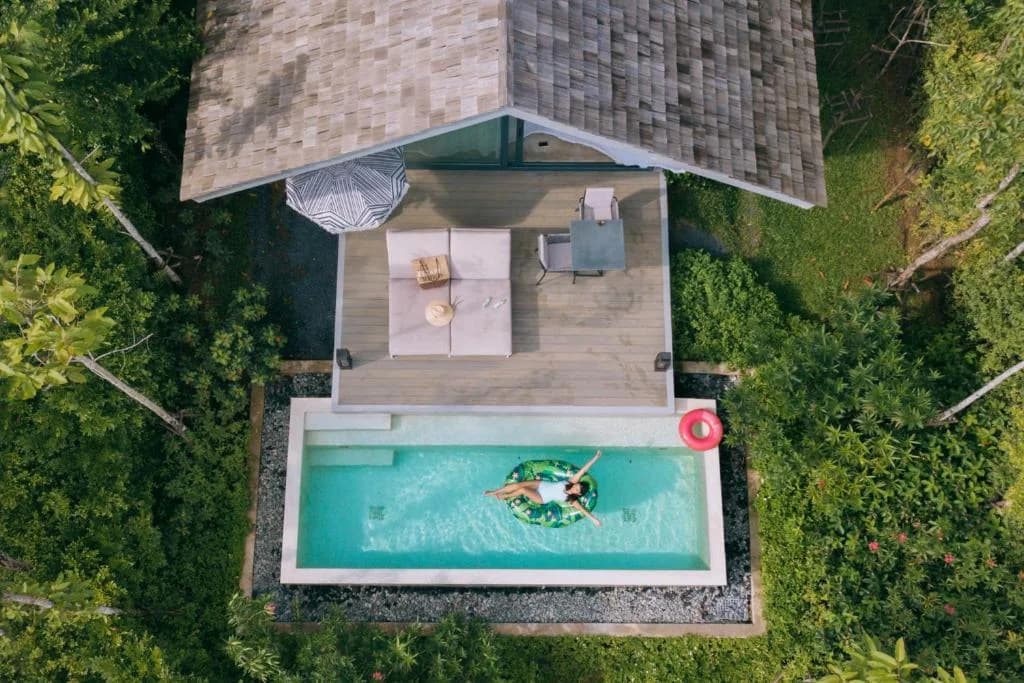
Practical considerations: pool villa suites in Phuket and Samui typically include private infinity or lap pools, but the orientation of that pool relative to the sun and the view varies considerably by property and suite position. It is worth specifying pool-facing direction and floor elevation at point of enquiry. Butler service — genuinely personalised, not cosmetic — is standard at the upper tier but variable in execution. Properties that have held their positioning for more than a decade tend to have more developed butler programs than recently rebranded properties still calibrating their service delivery.
Why a Curated Selection Matters in Thailand
Thailand's hotel inventory is exceptionally large. The country receives well over 30 million international visitors annually in normal travel years, and supply has grown accordingly. At the five-star tier alone, the volume of options — particularly across Phuket and Bangkok — makes unassisted selection genuinely difficult. Marketing language across the segment is consistent: every property claims serenity, authenticity, and exceptional service. The architectural and operational reality varies substantially.
La Suite's selection of 60 properties in Thailand has been assembled on the basis of spatial quality, design coherence, and service delivery record — not commercial relationship. The curation eliminates properties where the headline suite is architecturally impressive but inconsistently supported by the wider operation, and surfaces independents and smaller properties that do not have the marketing infrastructure to reach design-literate international travelers through conventional channels. For a country with Thailand's supply depth, the value of that filter is not incidental.
Frequently Asked Questions About Luxury Suites in Thailand
What is the best time of year to book a luxury suite in Phuket?
November through April represents the Andaman coast dry season, with the most reliable weather conditions and the highest demand. Rates peak during late December and early January.
Is there a formal luxury classification system for hotels in Thailand?
Thailand uses a five-star national classification, but it is not equivalent in rigor to France's Palace designation or comparable European systems. Brand affiliation and independent editorial recognition are more reliable quality indicators at the top tier.
Frequently asked questions
Which regions of Thailand offer the most distinguished luxury suite experiences?
Thailand's premier luxury territory divides between Bangkok and the coastal south. In Bangkok, the Chao Phraya riverside and the Ratchaprasong-Lumpini corridor represent the apex of urban sophistication. On the coast, Phuket's Surin and Kamala headlands, Koh Samui's northern shores, and the quieter islands of Koh Yao Noi and Koh Lanta cater to travellers seeking seclusion paired with exceptional service standards.
When is the ideal time of year to book a luxury suite in Thailand?
November through April constitutes Thailand's premium season, bringing low humidity, reliable sunshine, and calm Andaman and Gulf waters. The shoulder months of October and May offer reduced demand with largely agreeable conditions. The Gulf Coast, including Koh Samui, follows a different weather pattern, making it a sound alternative during the Andaman's wetter months from May through October.
What suite categories should discerning travellers consider in Thailand?
Thailand's luxury market offers remarkable range: riverfront suites with temple panoramas in Bangkok, hillside infinity-pool villas above the Andaman Sea in Phuket, overwater pavilions in the Gulf islands, and garden residences within private estate properties. The most coveted configurations combine indoor-outdoor living, dedicated butler service, and unobstructed water or skyline views, often across exceptionally generous floor plans.
How does Bangkok's riverside compare to its central district for a luxury suite stay?
The riverside experience, centred on Charoen Krung and Saphan Taksin, prioritises atmosphere: temple skylines, river breezes, and properties with genuine historical gravitas. The Ratchaprasong and Wireless Road corridor, by contrast, delivers metropolitan convenience, proximity to flagship retail, and superior connectivity for business travellers. Your preference for contemplative grandeur versus urban dynamism should guide the decision between these two distinguished zones.
Is Thailand well suited to luxury family suite stays?
Thailand is exceptionally accommodating for families travelling at the luxury level. Many properties offer interconnecting suites or two-bedroom residence configurations with private pools. Dedicated children's programmes, multilingual staff, and family butler arrangements are standard at the upper tier. Phuket and Koh Samui properties in particular have invested substantially in family infrastructure without compromising the refined atmosphere sought by adult guests.
What makes Thailand a compelling destination for a romantic luxury escape?
Thailand combines architectural beauty, exceptional personal service, and sensory richness in ways few destinations can match. Private pool villas with direct ocean frontage, candlelit in-suite dining, traditional Thai spa ceremonies for couples, and sunset cruises arranged through a property concierge all contribute. The culture of genuine hospitality, rooted in Thai custom rather than corporate formula, lends romantic stays here a warmth that is difficult to replicate elsewhere.
What signature services should guests expect from Thailand's finest suite properties?
At the highest tier, guests can expect a dedicated butler available around the clock, private airport transfers in premium vehicles, bespoke itinerary curation, in-suite spa treatments, and personalised dining experiences. Many properties also offer private chef arrangements, yacht or speedboat charters, helicopter transfers between destinations, and access to curated cultural experiences arranged well in advance of arrival.
How should guests plan transport between Thailand's luxury destinations?
Bangkok is served by two airports, with Suvarnabhumi handling most international arrivals. Domestic flights connect Bangkok to Phuket, Koh Samui, and Krabi with frequency. For island destinations, properties typically coordinate private speedboat or helicopter transfers. Travelling between Bangkok and Phuket by road is not advisable given the distances involved. Engaging your suite property's concierge for transport sequencing ensures a seamless and appropriately calibrated journey.
What gastronomic experiences distinguish Thailand's luxury suite properties?
Thailand's culinary landscape is genuinely world-class. Leading properties house restaurants overseen by acclaimed chefs drawing on both royal Thai culinary tradition and contemporary technique. In-suite dining at the luxury tier goes well beyond standard room service, encompassing curated menus, wine pairing, and private chef dining on your terrace. Bangkok in particular offers a broader fine dining ecosystem extending well beyond hotel walls, including destination restaurants of international standing.
What should affluent travellers know about securing the best luxury suites in Thailand?
Thailand's premium inventory, particularly beachfront villas and top-floor suites in Bangkok, fills well ahead of the November-to-April high season. Reserving three to six months in advance is strongly advisable for peak dates including the Christmas and New Year period. Booking through a specialist luxury travel curator rather than general platforms frequently unlocks room category upgrades, complimentary amenity packages, and preferential early check-in arrangements unavailable through standard channels.