Understanding Phuket's luxury landscape
Best areas to stay in Phuket for a luxury suite experience
Surin and Kamala
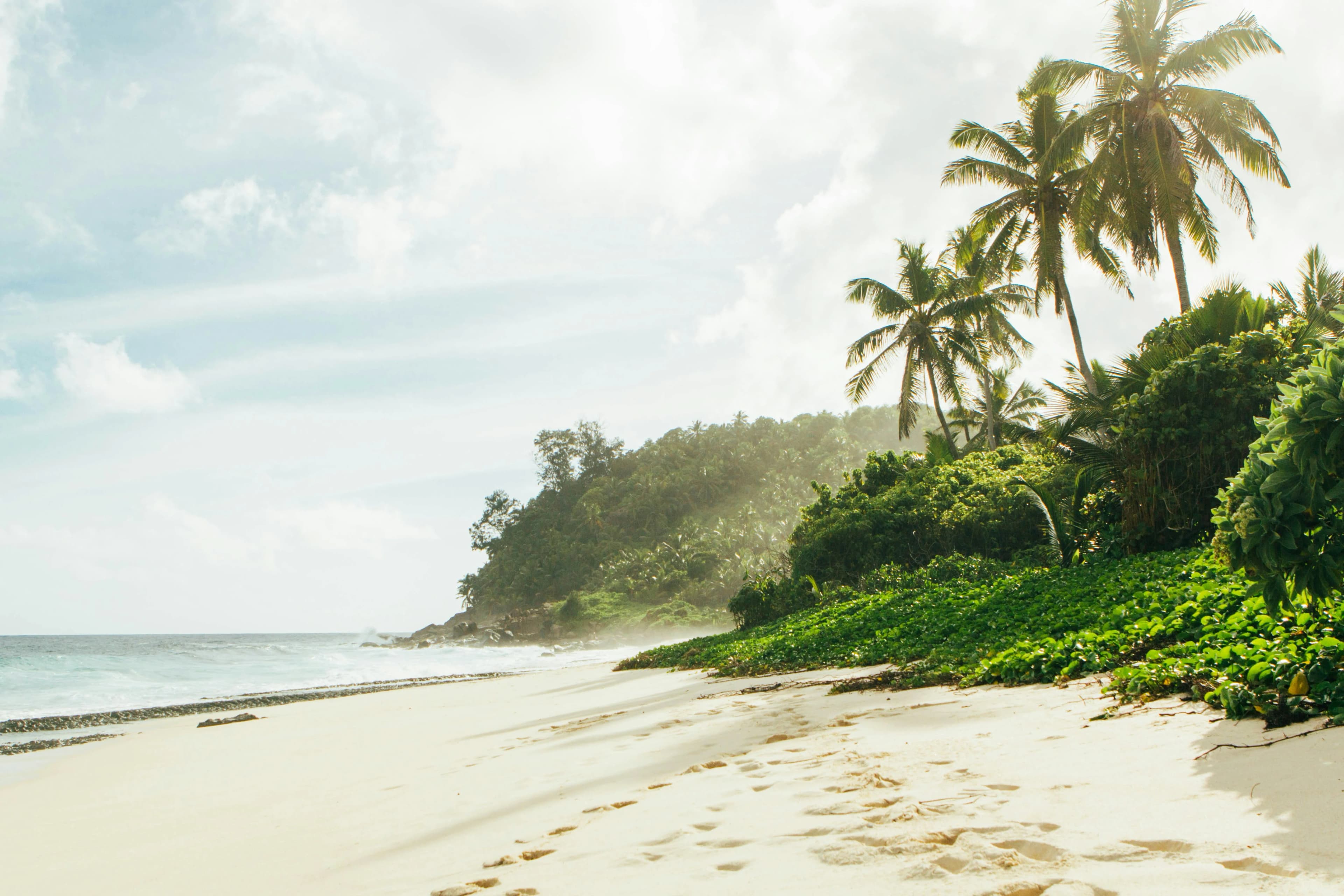
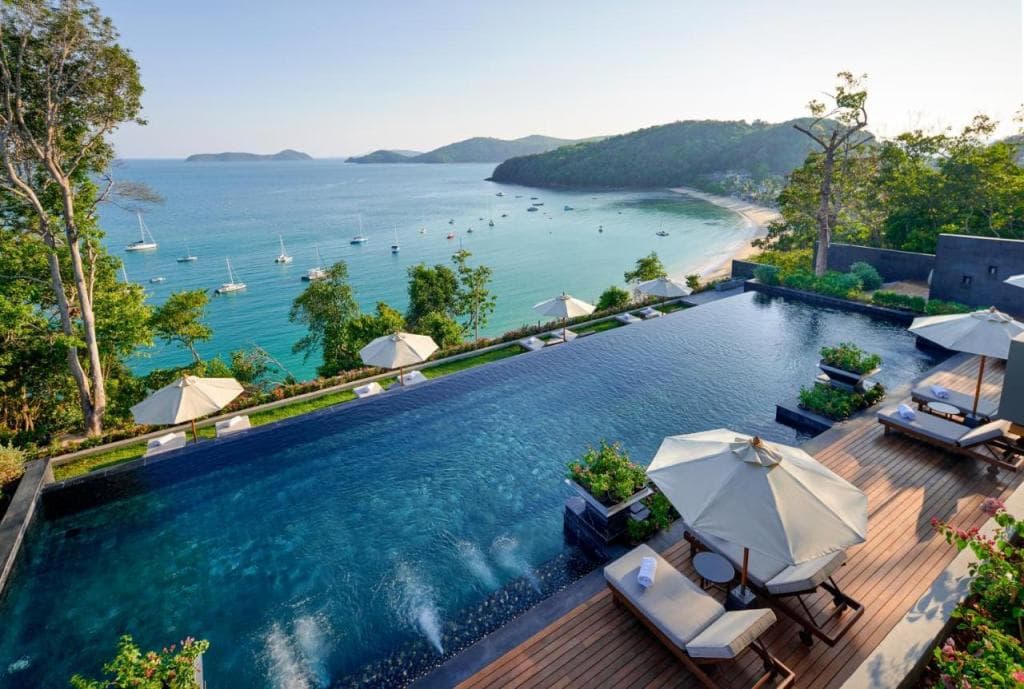
The stretch between Surin Beach and Kamala has quietly become the reference point for understated luxury on the island. Properties here are set back from or above the shoreline, often on elevated plots with western exposures that produce long, clean sunset sightlines. The density of development is lower than further south, and the clientele tends toward design-literate, privacy-focused travelers. Suites in this zone frequently feature architectural detailing that references Thai craft traditions without replicating resort vernacular.
Kata Noi and Kata
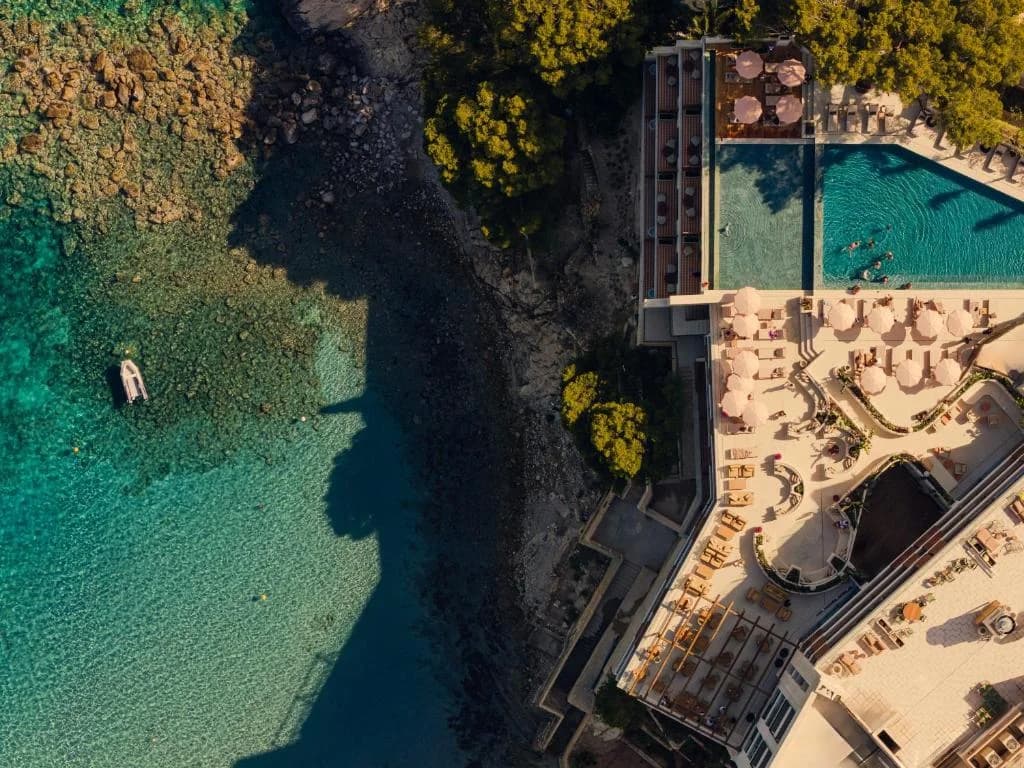
Positioned at the southern end of the west coast's active beach corridor, Kata Noi in particular supports some of the island's most spatially ambitious suite formats. The bay is smaller and more protected than those further north, and the hillside gradient above it has attracted properties that stack terraced accommodation to maximize sea orientation. Suites here tend to be larger in floor area and more deliberately composed in terms of indoor-outdoor threshold design.
Patong and surroundings
Patong remains the island's highest-density commercial zone. While it is not the natural setting for quiet luxury, several properties on its periphery, particularly those positioned on the headlands north and south of the bay, offer suite-level accommodation with the isolation their position implies. The infrastructure density of Patong makes it operationally convenient while the headland locations preserve the spatial and acoustic separation that suite travelers expect.
Cape Yamu and the east coast
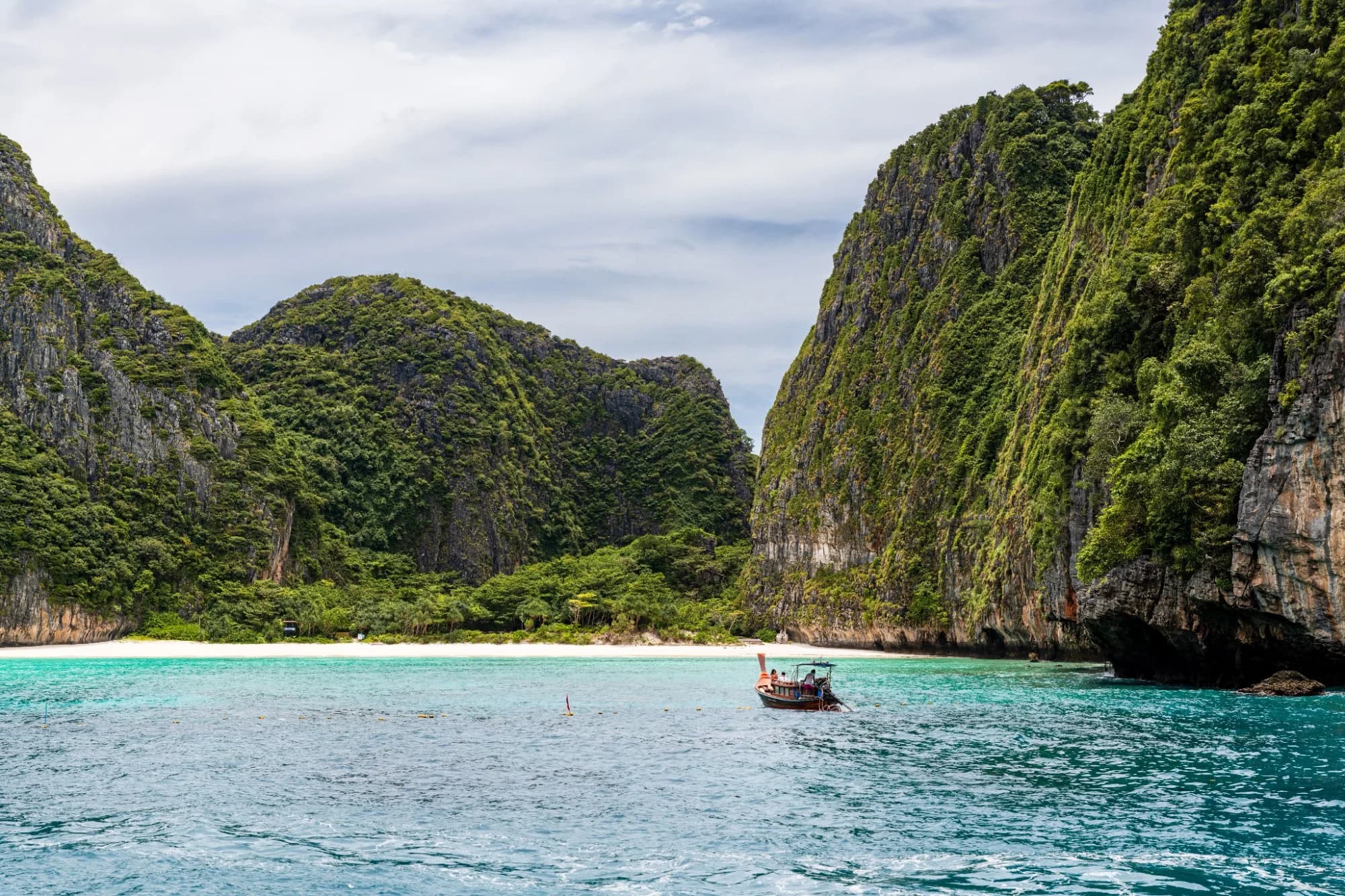
The east coast, and Cape Yamu in particular, represents a different Phuket entirely. The sea here is calmer, the light is softer in the mornings, and the visual reference is the limestone karst formations of Phang Nga Bay rather than open ocean. Properties along this coast are fewer, more secluded, and tend to attract travelers arriving by private yacht or seeking multi-day seclusion. Suite formats here lean toward villa-scale, with extended outdoor living areas oriented toward the bay.
When to visit Phuket for a luxury suite stay
Phuket's climate is governed by two monsoon systems. The southwest monsoon runs from approximately May to October, bringing rainfall and reduced visibility to the west coast beaches. The northeast monsoon, from November to April, delivers the dry season: lower humidity, clear water, and consistent temperatures between 28 and 33 degrees Celsius. This dry season window is the primary period for high-end travel, and suite availability at the island's most sought-after properties tightens considerably between December and February.
The shoulder months of November and April offer a practical compromise: rates are lower, properties are less saturated, and weather remains manageable for most of the stay. May and June can be architecturally rewarding for travelers who prioritize atmosphere over beach conditions, as the island's interior and clifftop properties take on a different, greener character during the wet season.
There are no dominant luxury-calendar events in Phuket of the scale found in European destinations, though the Phuket Vegetarian Festival in October and the Phuket King's Cup Regatta in December draw specific audiences. The regatta period in particular coincides with peak season and compresses availability at marina-adjacent properties.
Local luxury standards: what defines a top-tier suite in Phuket
Thailand does not operate a formal hotel classification system equivalent to France's Palace designation. In practice, the upper tier of Phuket's hospitality market is defined by a combination of international brand standards, independently operated villa resorts, and a growing number of design-led boutique properties with small suite inventories.
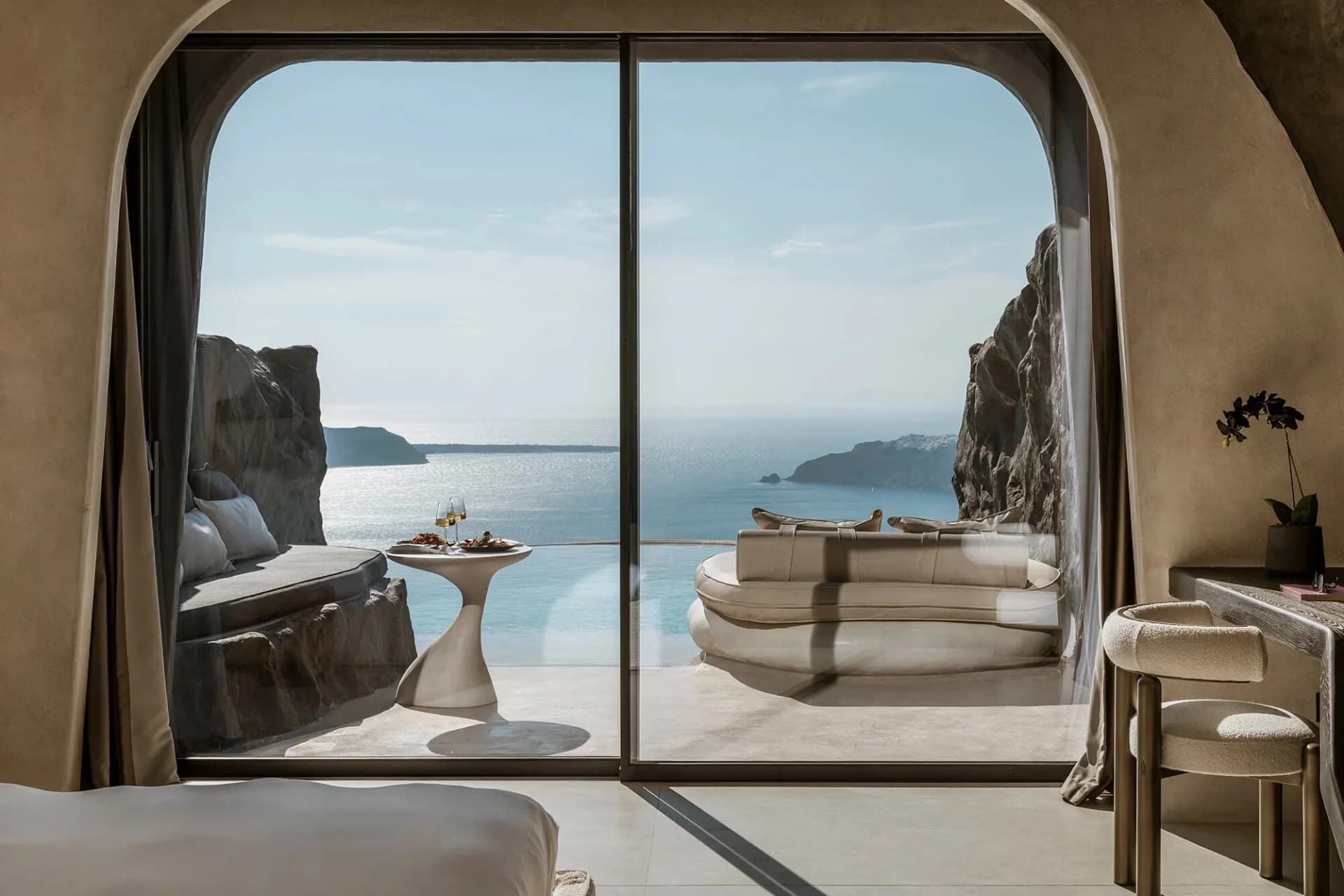
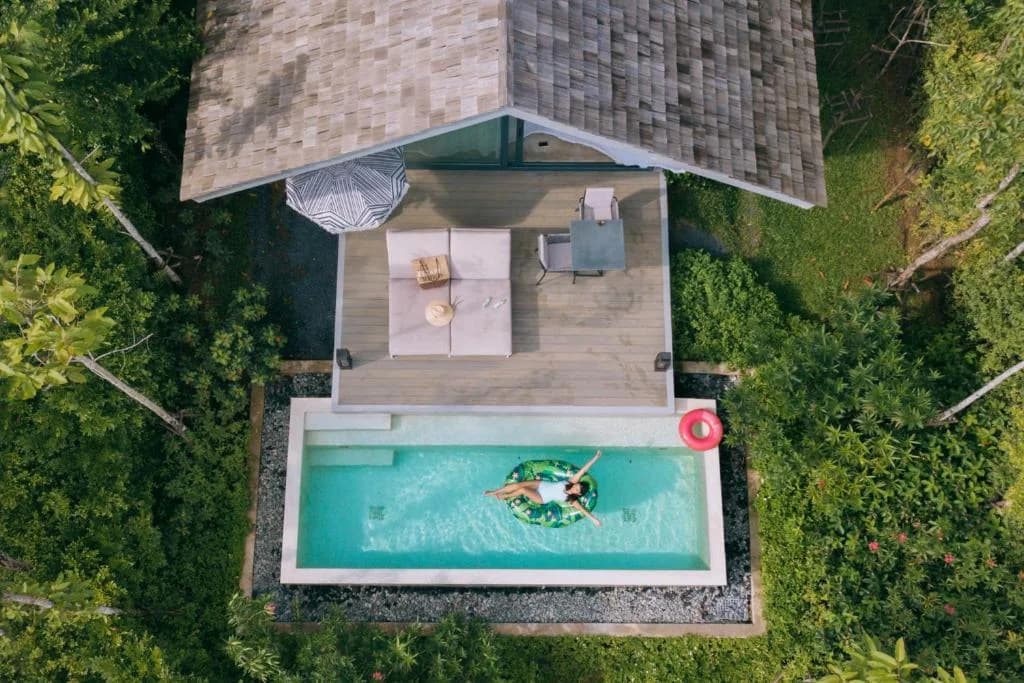
The defining feature of a high-quality suite on the island is almost always the private pool. This is not a purely aesthetic amenity here: given ambient temperatures and the premium placed on privacy, an infinity or lap pool within the suite's own outdoor space functions as a primary living area rather than an optional add-on. Suites without private pools, however spacious, occupy a different category in the local market hierarchy.
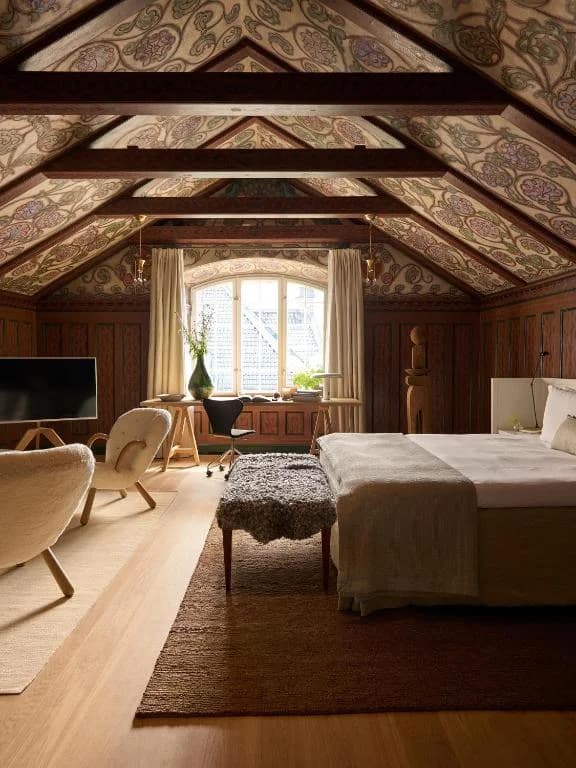
Materials matter. The best properties on the island source locally: Ratchaburi granite, reclaimed teak, hand-woven cotton from northern Thailand. These choices signal intent. The distinction between a property that uses regional craft as decoration and one that integrates it structurally is visible in the details, and it is a meaningful quality indicator for travelers who read spaces carefully.
Service formats vary. The island supports both large international resort operations, where suite guests access dedicated butler programs and tiered amenity structures, and smaller independent properties with single-digit suite counts, where the ratio of staff to guests is architecturally embedded in the property's design logic.
How to choose the best suite in Phuket
Orientation is the first practical filter. West-facing suites produce the sunset views the island is known for. East-facing suites, particularly on the cape properties, offer morning light and calmer water. Suites on the northern or southern headlands of a given bay may offer both, at the cost of direct beach access.
The distinction between a clifftop suite and a beachfront suite is more significant here than in many destinations. Clifftop suites in Phuket typically offer superior visual drama and acoustic isolation. Beachfront suites offer immediate access to the water and a different physical relationship with the landscape. Neither is categorically superior; the choice depends on how the traveler intends to structure their time.
Consider the architectural era of the property. Phuket's luxury hotel stock spans several decades, and properties built before approximately 2005 have often undergone renovation programs of variable quality. More recent construction benefits from improved integration of natural ventilation systems, shading strategies, and pool engineering. A suite in a newer build is not automatically preferable, but understanding the renovation history of an older property is relevant due diligence.
Why a curated selection by La Suite matters in Phuket
The volume of accommodation marketed as luxury in Phuket is substantial. The proportion of that inventory that meets the spatial, material, and experiential criteria that define a genuine luxury suite is considerably smaller. Without a reliable editorial framework, the selection process defaults to marketing imagery and aggregated review scores, neither of which reliably surfaces the properties that merit serious consideration.
La Suite approaches this market with the same architectural and experiential criteria applied across all destinations on the platform. Each property in the Phuket selection has been assessed for suite-specific qualities: floor area, private outdoor volume, material specification, service architecture, and locational logic. The result is a selection that removes the noise from one of Asia's most commercially saturated luxury markets and presents only the properties where the suite itself justifies the trip.