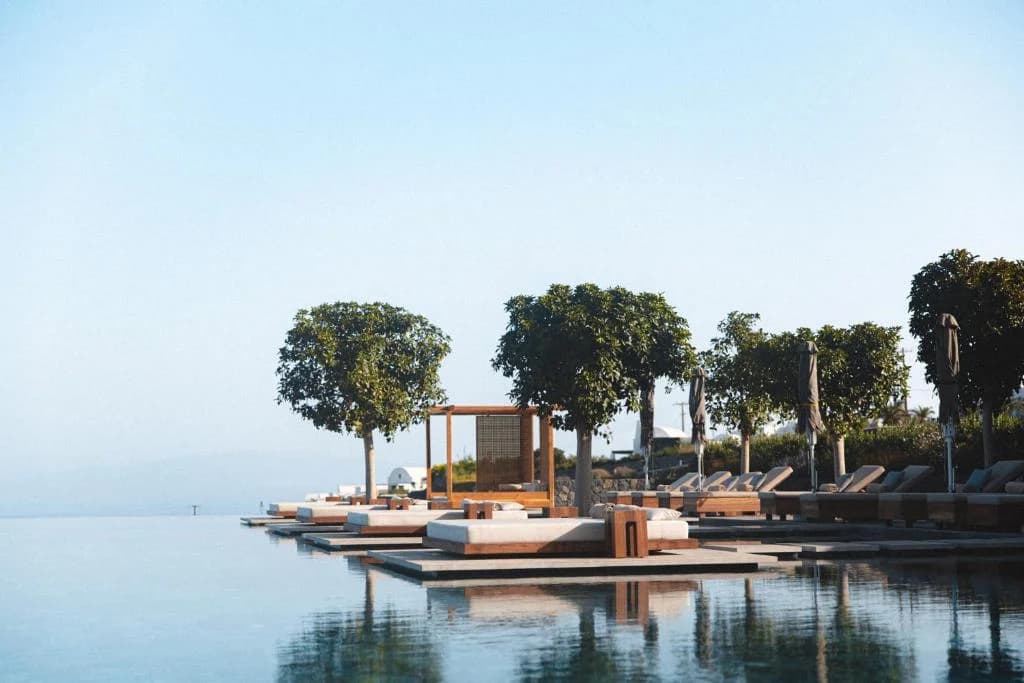
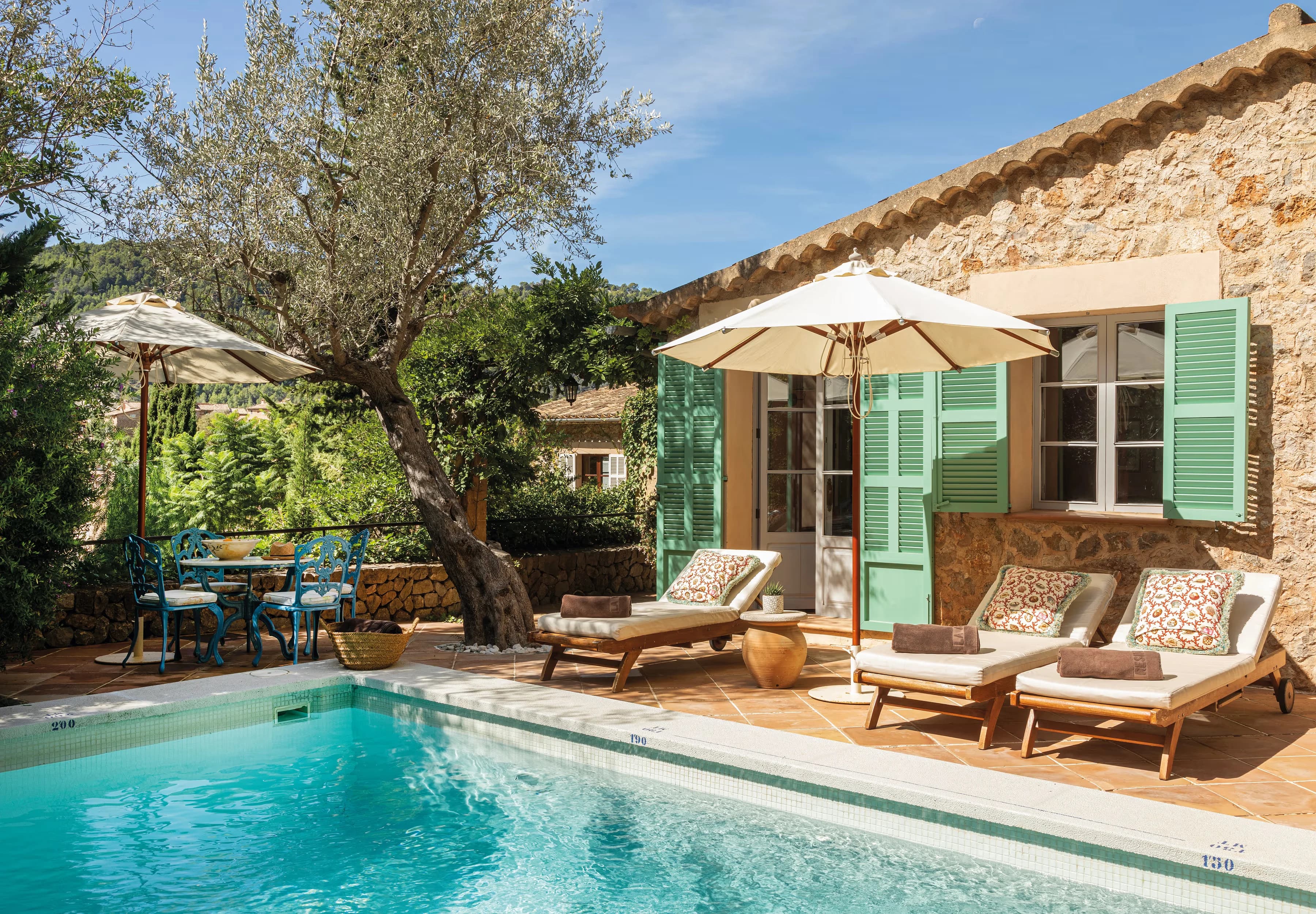
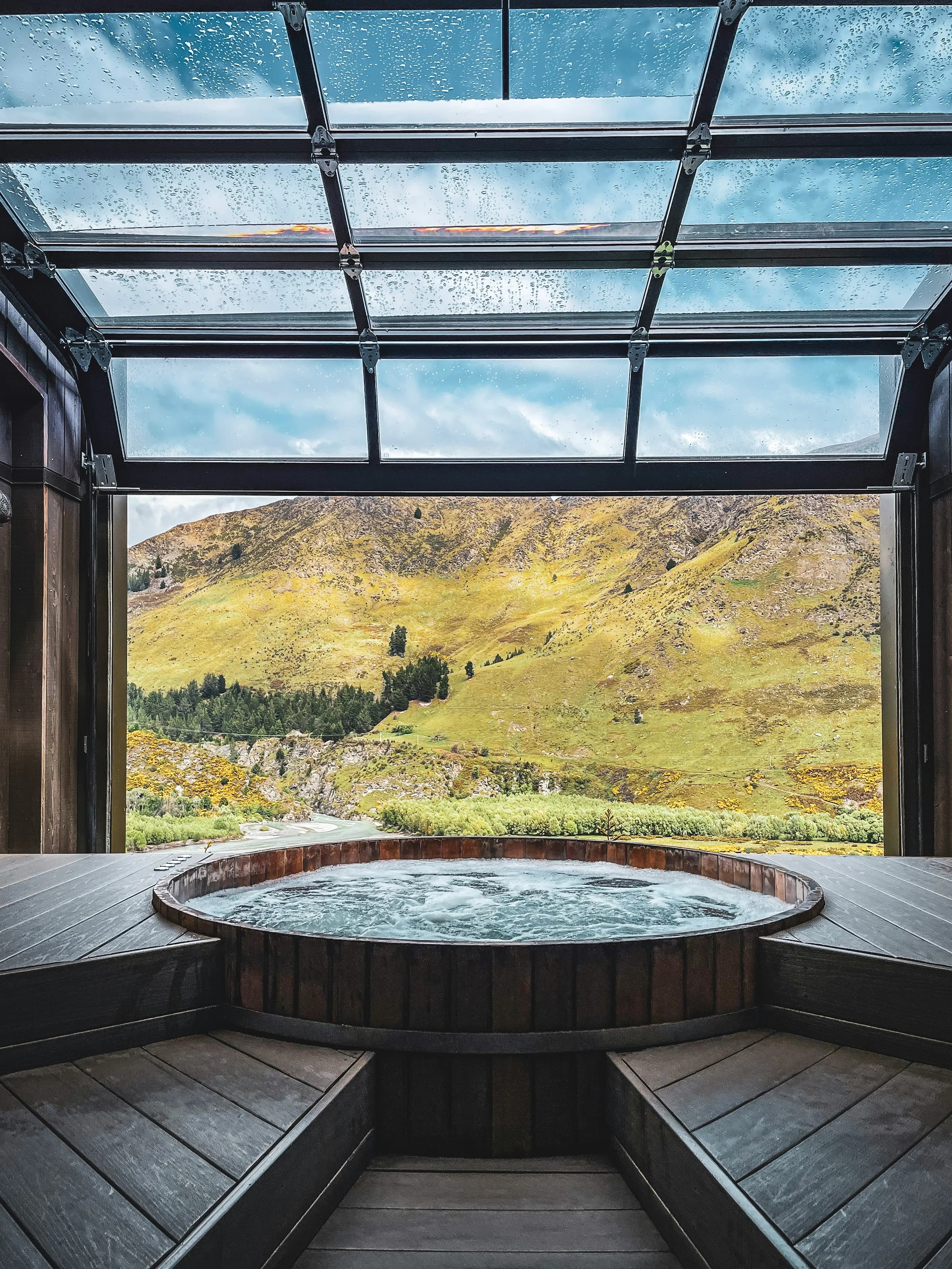
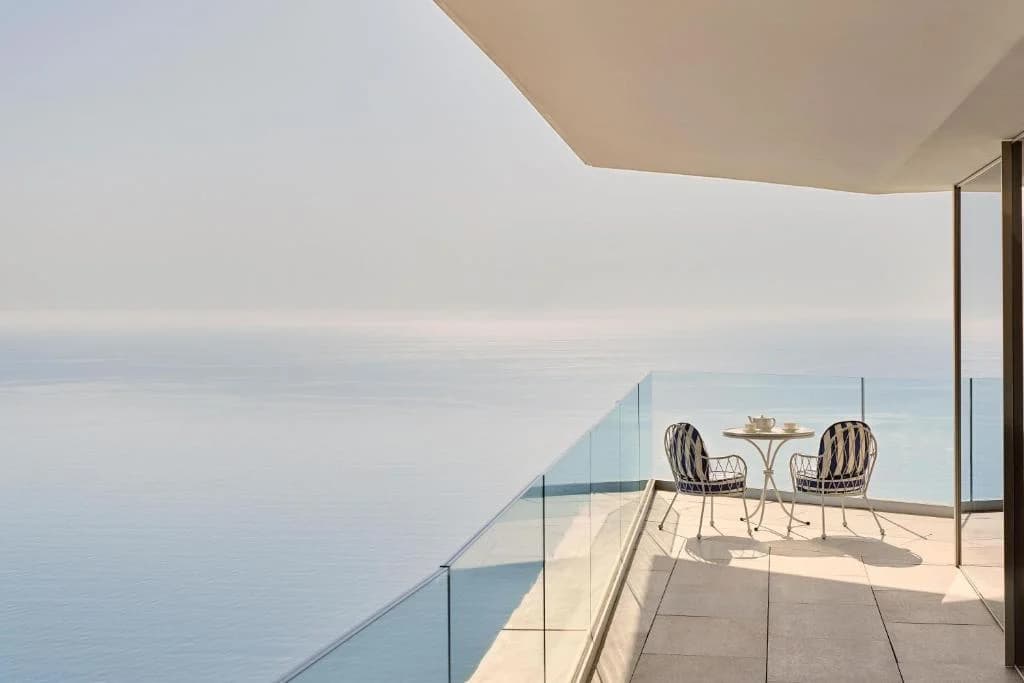
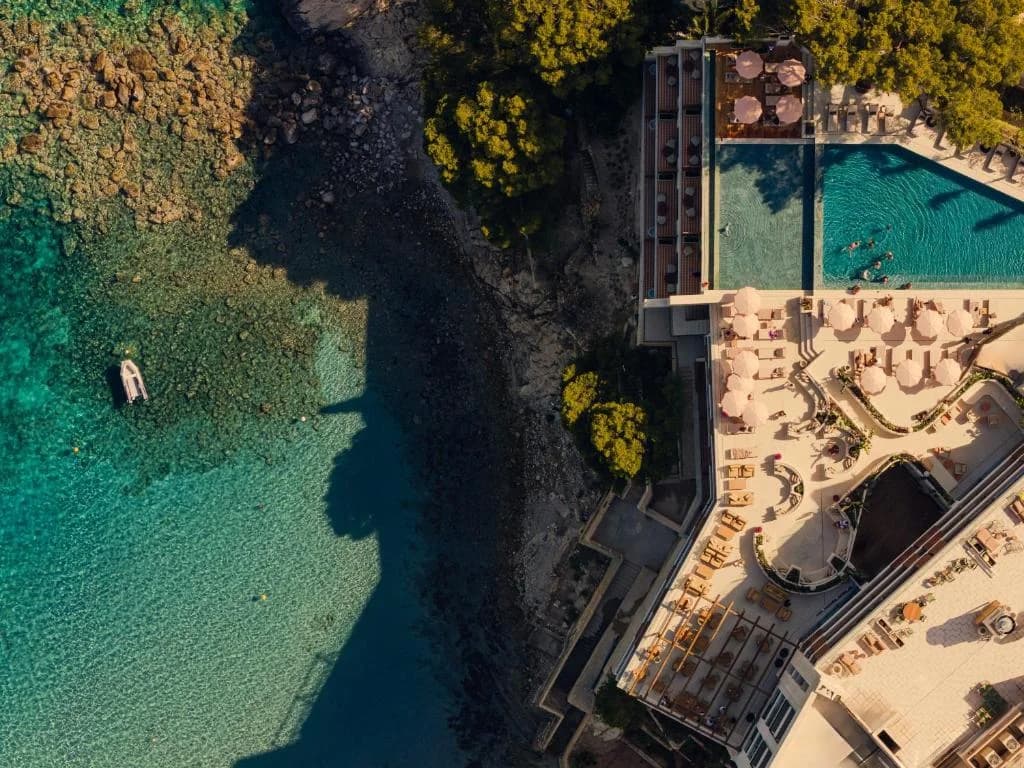
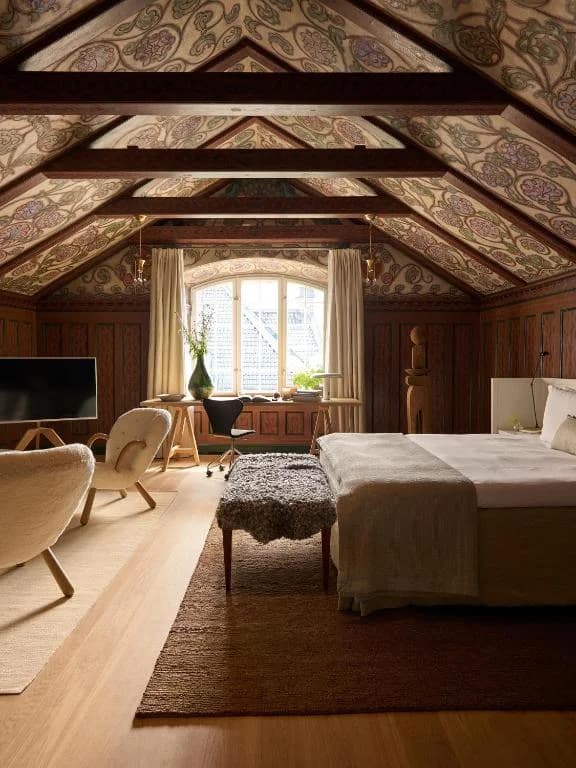
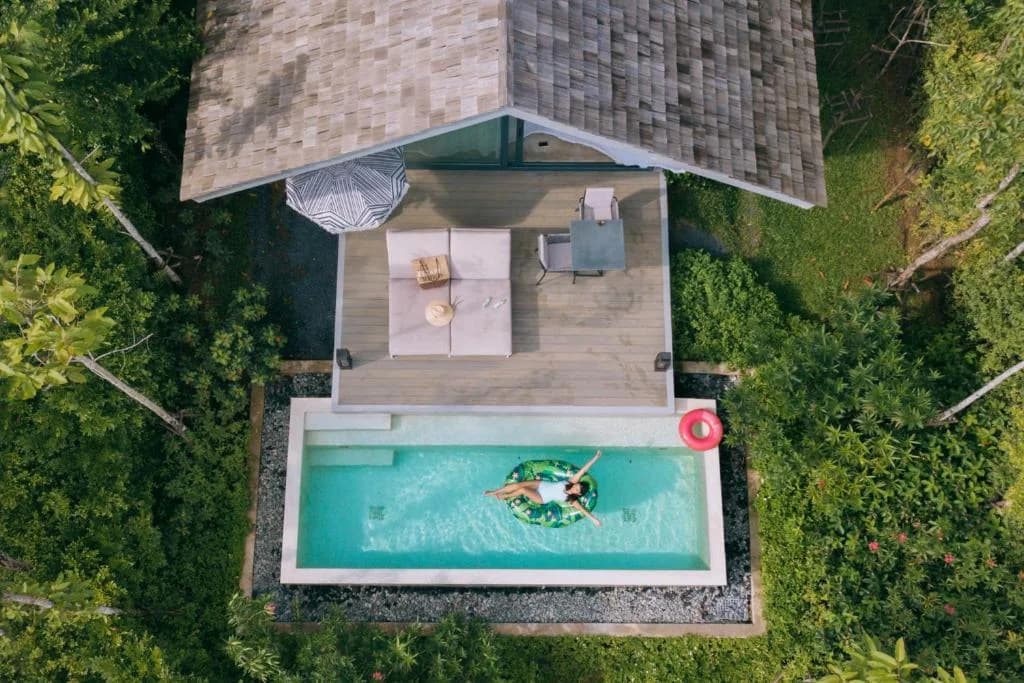
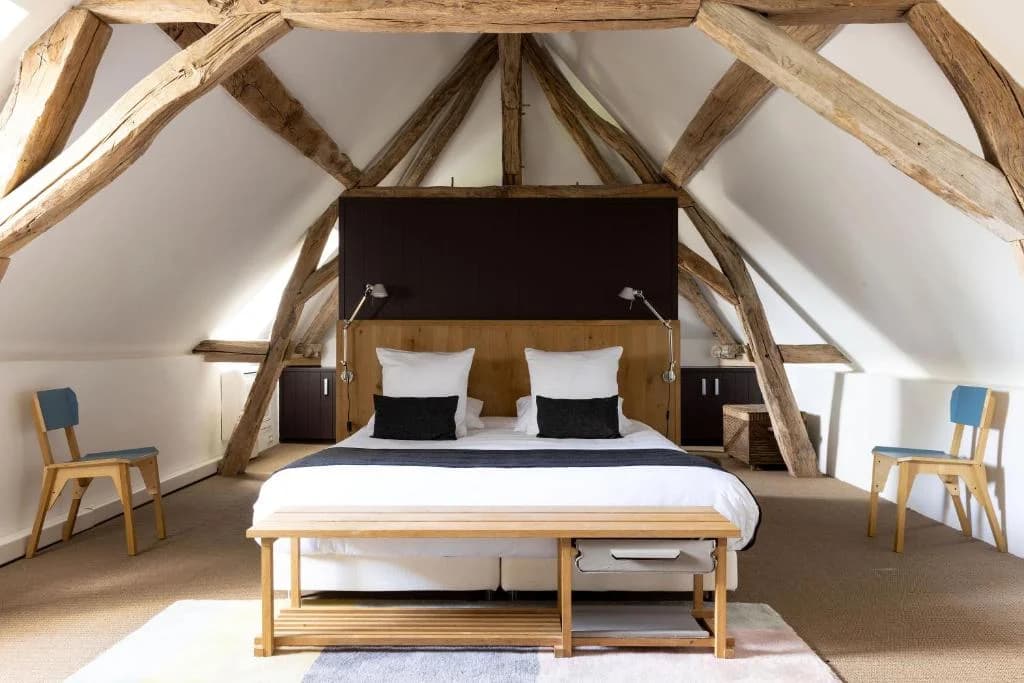
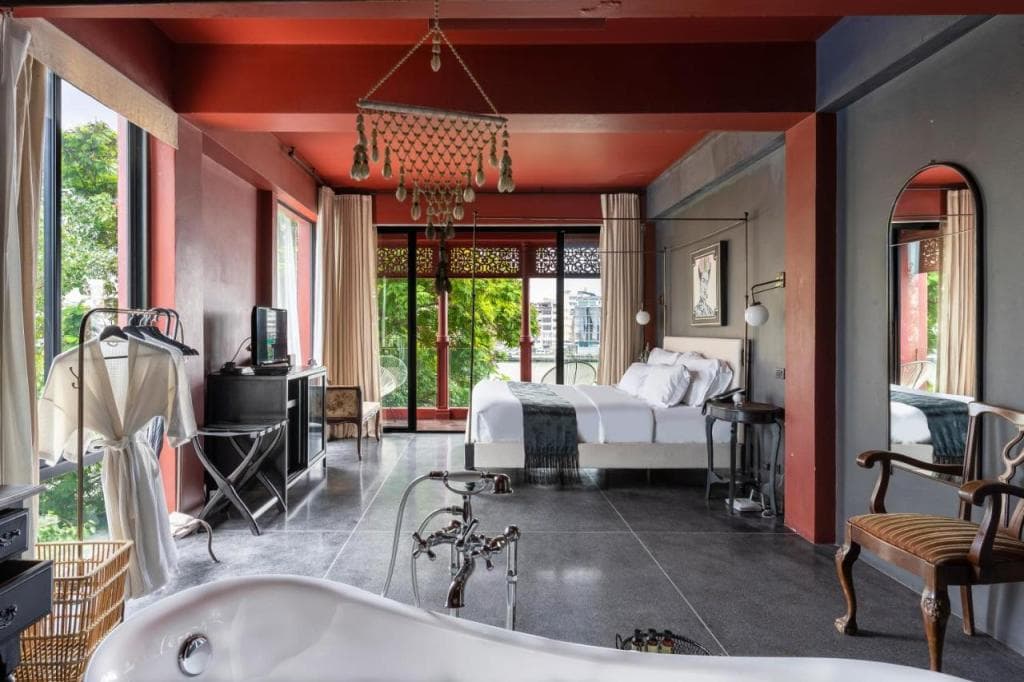
The luxurious 137 Pillars Residences Bangkok offers comfortable residence-style suites with plush furnishings, white marble and free WiFi. This 5-star property is 0.6 mi from Phrom Phong BTS Skytrain

Bangkok does not function as a single, unified luxury district. The city is a loose federation of neighborhoods, each carrying its own atmosphere, architectural character, and proximity to the experiences that matter most to a discerning traveler. Choosing where to stay is a strategic decision, not an afterthought.
62 hotels available

The luxurious 137 Pillars Residences Bangkok offers comfortable residence-style suites with plush furnishings, white marble and free WiFi. This 5-star property is 0.6 mi from Phrom Phong BTS Skytrain

professional

In a prime location in Bang Rak, Aiden Surawong Bangkok provides air-conditioned rooms, an outdoor swimming pool, free WiFi and a fitness center. This 5-star hotel offers a 24-hour front desk. Guests

Boasting a salt-water rooftop pool and bar, Akara Hotel is located in Bangkok. Guests can enjoy city views of their rooms and access to free WiFi throughout their entire stay. The on-site staff also w

Located in Bangkok, 1.5 miles from One Bangkok, Amara Bangkok Hotel provides accommodations with an outdoor swimming pool, free private parking, a fitness center and a restaurant. This 5-star hotel of

Blending modern and cultural architecture throughout, Amdaeng Bangkok Riverside Hotel offers unique and detailed rooms with private balconies overlooking the Chao Phraya River. Guests can enjoy authe

A minute’s walk from Ratchadamri Skytrain Station, Anantara Siam Bangkok Hotel is a touch of Thai luxury in the city. The hotel features a spa, an outdoor pool and free parking. Rooms feature elegant

Well located in the center of Bangkok, Andaz One Bangkok, by Hyatt is within a 6-minute walk of One Bangkok and 0.6 miles of Lumpini Park. Each room at the 5-star hotel has city views, and guests can

Offering views of the Chao Phraya River, Avani Plus Riverside Bangkok Hotel features rooms with a blend of contemporary and modern styles. Guests can enjoy stunning views from the 28-yard rooftop infi

Unwind on a romantic escape or drive your business forward at Bangkok Marriott Hotel The Surawongse. Perfectly located near Silom Road, Chinatown, the Chao Phraya River, and Silom's popular shopping d

Banyan Tree Bangkok offers luxurious rooms with views of the city or Chaophraya River. It features a swimming pool of 13 ft x 82 ft, a stylish, roof-top restaurant and bar, a spa and 7 dining options.

Canalis Suvarnabhumi Airport Hotel - Free Scheduled shuttle from Hotel to Suvarnabhumi Airport features an outdoor swimming pool, fitness center, a garden and shared lounge in Lat Krabang. The propert

Cape House offers elegant residences with well-equipped kitchenettes and free Wi-Fi. Less than 1640 feet from Erawan Shrine in the city center, it features an outdoor pool, free parking and 24-hour co

Located in Bangkok, 3.1 miles from One Bangkok, Capella Bangkok has accommodations with an outdoor swimming pool, free private parking, a fitness center and a garden. Among the various facilities of t

Located in Bangkok, a 7-minute walk from Emporium Shopping Mall, Carlton Hotel Bangkok Sukhumvit has accommodations with an outdoor swimming pool, free private parking, a fitness center and a terrace.

An urban hideaway in the heart of Bangkok, Conrad Bangkok offers spacious accommodations and convenient access to transportation links, shopping centers, dining options, and entertainment venues. Clos

Divalux Resort & Spa Bangkok, Suvarnabhumi Airport-Free Shuttle features a restaurant, outdoor swimming pool, a fitness center and bar in Lat Krabang. 3.1 mi from Lat Krabang District Office and 3.7 m

With a touch of contemporary design, DoubleTree by Hilton Bangkok Ploenchit overlooks Bangkok’s Sukhumvit Area. Located on Sukhumvit 2, the hotel features an outdoor pool and on-site restaurant. Doubl

professional

Located in Bangkok, 3.1 miles from One Bangkok, Four Seasons Hotel Bangkok at Chao Phraya River has accommodations with an outdoor swimming pool, free private parking, a fitness center and a garden. F
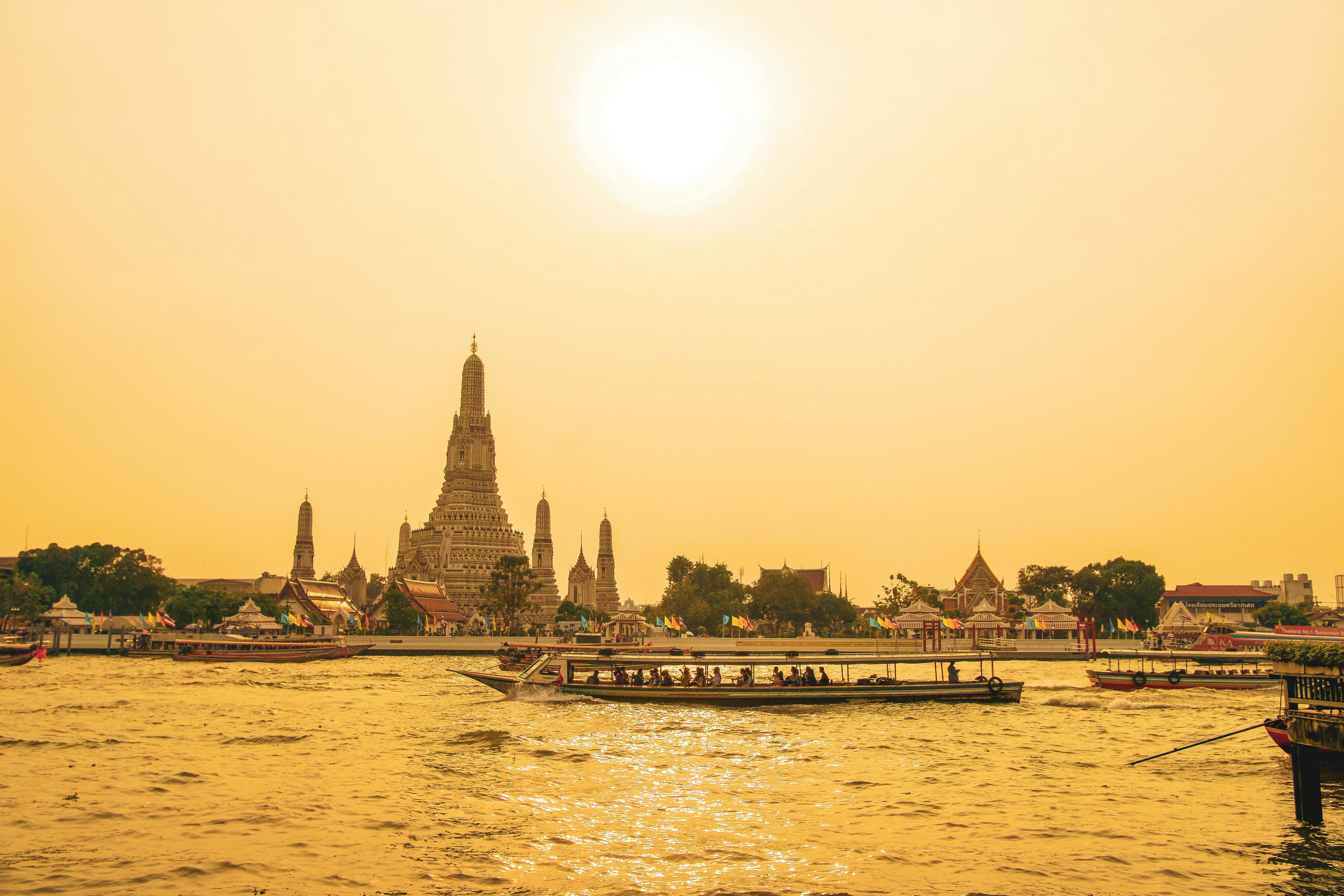
The Chao Phraya riverside corridor remains the most historically loaded axis in Bangkok. Grand hotels here occupy sites that once served as trading posts, colonial embassies, and aristocratic compounds. A luxury suite overlooking the river at dusk captures one of the most cinematically complete urban panoramas in Southeast Asia: temple rooflines, long-tail boats, and the slow movement of the Chao Phraya itself. This area suits travelers who want ceremony and historical weight built into the physical fabric of their accommodation.
The Sukhumvit corridor, stretching east from the central business district, functions as Bangkok's most internationally legible neighborhood. Luxury hotels here are embedded in a dense urban grid of fine dining, contemporary art spaces, and high-end retail. Suites in this zone tend toward the architecturally contemporary, with floor-to-ceiling glass and city skyline views that reward evening stays. The proximity to the BTS Skytrain network makes the area practical without sacrificing the sense of elevation that a well-positioned suite provides.
Silom and Sathorn, Bangkok's financial core, attract a quieter category of luxury traveler. Properties here often occupy purpose-built towers designed with corporate formality but finished to a residential standard in their upper floors. The surrounding streets contain some of Bangkok's most serious restaurant culture, and the neighborhood retains an unhurried tempo compared to Sukhumvit.
The older districts of Rattanakosin and Bang Rak, adjacent to the Grand Palace and the original city core, are experiencing a measured resurgence of boutique luxury. Heritage structures converted into intimate hotels offer a different proposition entirely: lower scale, higher architectural density, and an immediacy of contact with Bangkok's Siamese cultural heritage.
Bangkok's climate divides into three broad seasons, each with distinct implications for how a suite is used and what the city offers beyond it.
The cool season, running from November through February, is the most sought-after period. Temperatures are lower (by Bangkok standards, which still means mid-20s Celsius), humidity is manageable, and the city's cultural calendar reaches its highest density. The King's birthday celebrations in late November and December, along with Bangkok Art and Culture Centre programming, draw a culturally engaged international audience. Suite availability at premium properties tightens significantly in December and early January. Travelers targeting specific hotels should plan reservations three to four months in advance for this window.
The hot season, from March through May, is the least traveled but not without appeal for a suite-based visit. Hotels in this period often offer more competitive positioning on rates, and the city's interior cultural offerings, including museums, galleries, and destination restaurants, remain fully operational. A suite with a well-designed pool terrace or a high floor with cross-ventilation becomes particularly relevant in this season.
The rainy season, June through October, is characterized by intense afternoon downpours that typically clear by evening. Bangkok's luxury hotel infrastructure handles this season with grace. Covered walkways, internal transit connections, and the suite itself as a climate-controlled retreat make this period manageable. Rates in this window are generally at their lowest, and the city's restaurant scene is at its most local and unhurried.
Thailand does not operate a formal classification equivalent to France's Palace designation, but Bangkok's hospitality market has evolved its own informal hierarchy that any informed traveler should understand.
At the apex are the grand riverside hotels, properties with decades of institutional history, vast suite footprints, and a service culture rooted in traditional Thai hospitality principles. These properties compete directly with the best addresses in Hong Kong, Singapore, and Dubai, and their flagship suites reflect that ambition in terms of square footage, bespoke material finishes, and private butler arrangements.
Below these are the contemporary luxury towers that have reshaped the Sukhumvit and Silom skylines over the past fifteen years. Many of these properties carry international brand affiliations but are finished and operated to a standard that reflects Bangkok's specific expectations around personalization and detail. Suites in these buildings often offer city views of genuine architectural drama, particularly at night when the density of Bangkok's illuminated skyline becomes its own spectacle.
A third category, smaller in number but significant in character, encompasses heritage conversions and design-led boutique properties. These tend toward smaller suite formats but compensate with spatial intelligence, architectural narrative, and a sense of place that larger towers cannot replicate.
Across all categories, the hallmark of Bangkok's best suites is an attention to Thai material culture: hand-woven textiles, lacquerwork, carved teak detailing, and spa treatments rooted in traditional Thai therapeutic practice. The integration of these elements into a contemporary luxury framework is something Bangkok does with more consistency and authority than most cities in the region.
The decision framework for choosing a suite in Bangkok should begin with orientation, both geographic and experiential.
Travelers prioritizing cultural access and historical context should weight the riverside and Rattanakosin zones. Those for whom dining, nightlife, and retail form the core of a city visit should look to Sukhumvit. Business-adjacent travelers who value quiet and operational efficiency will find Silom and Sathorn more aligned with their rhythm.
Floor height matters differently in Bangkok than in many other cities. The air quality, the noise profile, and the visual experience all shift meaningfully between a suite on the tenth floor and one on the thirtieth. Properties that can offer high-floor placements with confirmed river or skyline exposure are worth prioritizing, particularly for first-time visitors to the city.
Suite typology is also worth considering carefully. Bangkok's best properties offer formats ranging from single-room suites with extended living areas through to multi-bedroom penthouse configurations with private pool access. For extended stays, the availability of a fully equipped pantry or kitchenette, a dedicated work area, and direct concierge connectivity significantly affects the quality of daily life within the suite.
Bangkok's luxury hotel market is large, internationally competitive, and, at times, difficult to read from a distance. Marketing language across properties tends to converge around similar claims, making meaningful differentiation hard to extract from standard booking interfaces.
La Suite approaches Bangkok as an editor, not an aggregator. The selection process focuses on suite-specific quality: the actual floor plan, the view corridor, the material finish, the service infrastructure that surrounds the room itself. A hotel may carry a prestigious brand name while offering suites that underperform relative to their category. Conversely, a smaller, less internationally recognized property may offer a suite experience of exceptional clarity and precision.
For travelers who are visiting Bangkok for the first time, or returning with higher expectations than a previous stay satisfied, the La Suite curated selection provides a navigational framework built on criteria that matter: space, architecture, privacy, and the integrity of the experience from arrival to departure.

The Chao Phraya riverside corridor offers the most historically resonant suite addresses, with properties occupying landmark sites and panoramic river views. Sukhumvit provides a more contemporary luxury environment with strong connectivity, while Silom and Sathorn suit travelers who prefer a quieter, more residential atmosphere close to Bangkok's serious restaurant culture.
For stays during the cool season (November to February), particularly around December and early January, reservations at top-tier properties should be made three to four months in advance. Outside peak season, lead times are more flexible, though specific suite categories at flagship properties can fill quickly regardless of the time of year.
Bangkok's flagship luxury suites are generally competitive with the top-end offerings in Singapore and Hong Kong in terms of square footage, with premier suite categories frequently exceeding 100 square meters. The city's grand riverside hotels in particular are known for suite footprints that include separate living rooms, dining areas, and in some cases private plunge pools or terraces.
The rainy season, running from June through October, is worth serious consideration for suite travelers. Hotel rates are at their lowest, the city is less crowded with international tourists, and Bangkok's cultural and dining offerings remain fully operational. Afternoon rainfall is typically intense but brief, and a well-positioned suite serves as an effective and comfortable retreat during those hours.
Beyond the additional square footage, a genuine luxury suite in Bangkok typically includes a defined living and dining area separate from the bedroom, dedicated butler or concierge service, superior floor positioning with confirmed view corridors, and bespoke material finishes that reflect Thai craft traditions. The service infrastructure surrounding the room, including private check-in and personalized arrival protocols, is also a meaningful differentiator.
The most accomplished suite properties in Bangkok integrate Thai material culture directly into the guest environment. This typically includes hand-woven textiles, lacquerwork, carved teak architectural details, and spa menus grounded in traditional Thai therapeutic practice. The quality and authenticity of this integration varies by property, which is one reason why editorial curation adds genuine value when selecting a suite in this market.
Bangkok's vertical urban density produces two distinct categories of suite views. River-facing suites along the Chao Phraya offer a panoramic tableau of temple rooflines, bridge structures, and river traffic that is most dramatically experienced at dusk and dawn. City-facing suites in Sukhumvit and Silom deliver a dense, illuminated skyline that is particularly compelling at night, when the scale and energy of Bangkok's urban fabric becomes most visually legible.
Both categories exist and serve different traveler profiles. The international brand hotels, particularly along the riverside, operate at the highest level of institutional luxury with large suite inventories and comprehensive service infrastructure. A smaller but growing segment of boutique and heritage properties, particularly in the Rattanakosin and Bang Rak districts, offers architecturally distinctive suites at a more intimate scale, with a stronger sense of local character and spatial narrative.
Bangkok is widely considered the most sophisticated luxury hospitality market in Southeast Asia in terms of depth, variety, and service culture. The city's grand hotel tradition dates back further than comparable properties in Kuala Lumpur or Jakarta, and the density of genuinely top-tier suite options across multiple neighborhoods gives it a competitive range that few regional cities can match. Singapore is the closest comparator in terms of overall quality, though Bangkok's price positioning and cultural texture offer a distinct proposition.
The most important criteria when comparing suites in Bangkok are floor positioning and confirmed view orientation, suite typology (single-room configuration versus multi-room layout), the quality of butler and concierge connectivity, and the architectural character of the property itself. La Suite's curated selection is structured around exactly these criteria, allowing travelers to make comparisons based on suite-specific performance rather than general hotel reputation or brand affiliation.