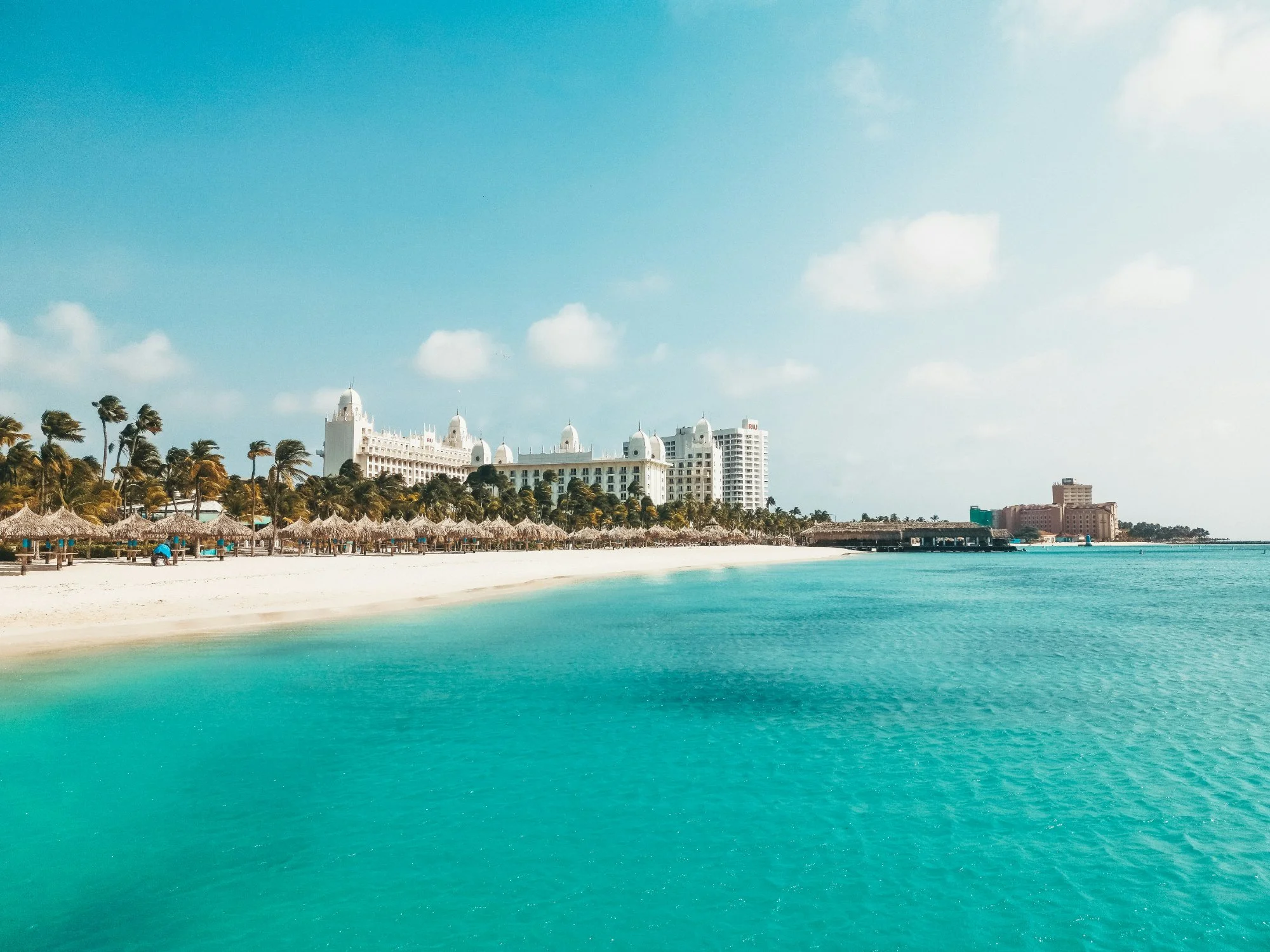
Best areas to stay in Aruba for a luxury suite experience
The Palm Beach and Eagle Beach corridor
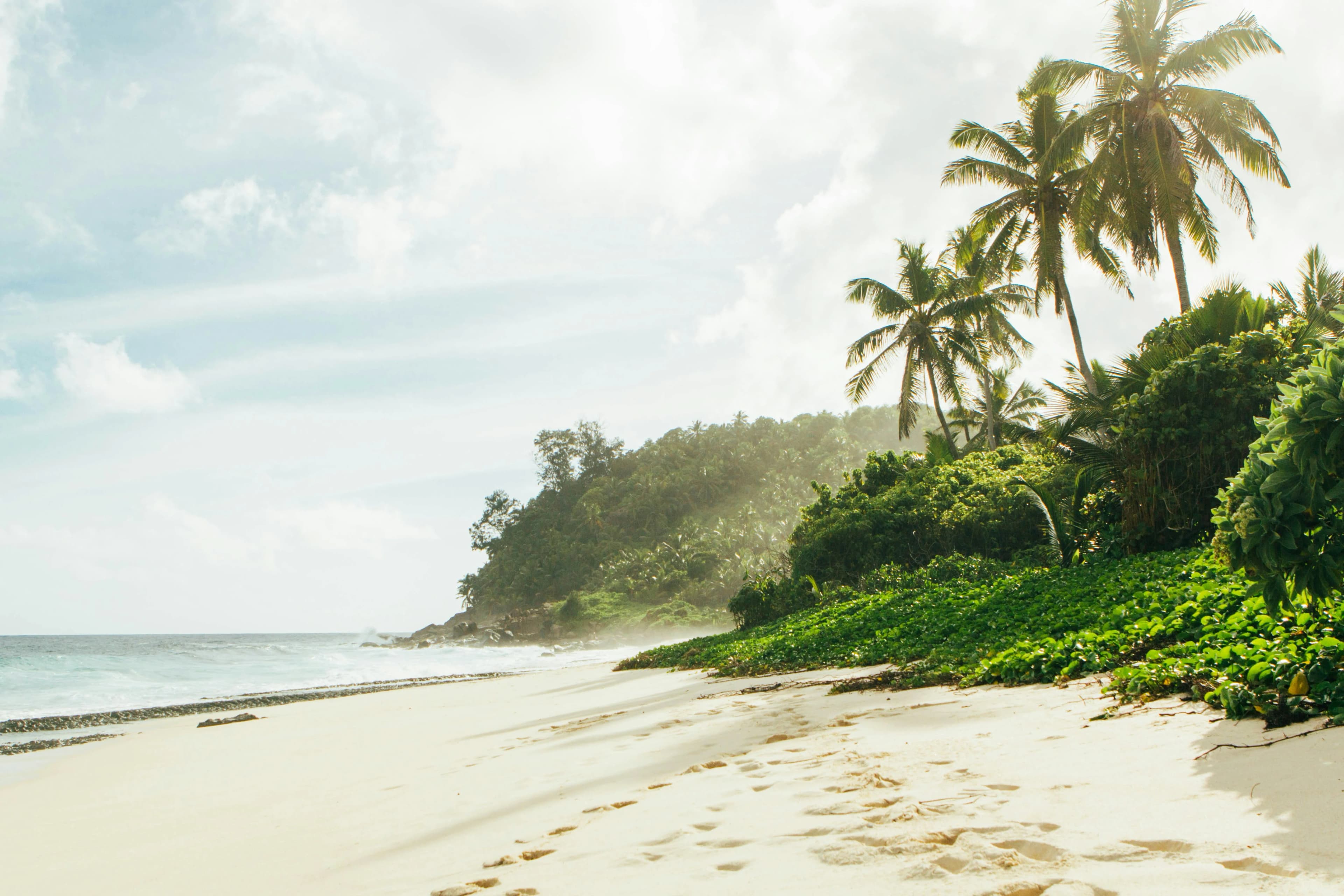
The northwestern coastline is the island's primary resort corridor, and for good reason. Eagle Beach, consistently ranked among the Caribbean's most refined stretches of sand, offers wide, uncrowded space and softer pedestrian traffic than its northern neighbour Palm Beach. High-calibre hotel properties cluster along this corridor, where suites with direct ocean exposure and private terrace access are genuinely available rather than aspirationally marketed. Palm Beach operates at a slightly higher density and offers faster access to fine dining and marina facilities. Travelers prioritising solitude tend to gravitate south toward Eagle Beach; those who want a more active social environment lean north.
The California Lighthouse and northwestern tip
The island's northern extremity, marked by the restored California Lighthouse, offers a more exposed, windswept character. Properties in this zone tend toward boutique scale, with architectural vocabularies that reference the island's Dutch colonial heritage. Trade winds are stronger here, which is an asset for those who find Caribbean humidity oppressive.
San Nicolas and the southern coast
Aruba's southern port town of San Nicolas has undergone a deliberate cultural reinvention, with a growing arts district and a more authentic local character. Accommodation options here are currently less developed at the top tier, but the area is worth including in any itinerary for its cultural specificity. The southeastern coast offers calmer, reef-protected waters and a noticeably quieter atmosphere.
When to visit Aruba for a luxury hotel stay
Aruba's position outside the main hurricane belt means its weather window is unusually consistent. The dry season, running roughly from January through April, delivers the island's most reliably clear skies and lowest humidity. This is also peak demand for suites, and availability narrows significantly without advance planning.
The summer months, May through August, bring marginally higher temperatures and occasional rain, but also lower occupancy and more negotiable rate structures. The trade winds remain present year-round, which distinguishes Aruba from more sheltered Caribbean destinations that can feel genuinely oppressive in summer heat.
Aruba's Carnival, typically held in February, is one of the Caribbean's most established festivals, drawing significant visitor volumes. Travelers who prefer a quieter island atmosphere should plan around this period. The Soul Beach Music Festival in late May attracts a more boutique crowd and can be a worthwhile cultural context for a visit.
Local luxury standards: what to expect from top-tier suites in Aruba
Aruba's hospitality market operates within a Caribbean framework but with certain Dutch-influenced standards of service precision that distinguish it from neighbouring islands. The island has attracted significant international hotel investment, and its top properties operate at a standard comparable to other established Caribbean luxury destinations.
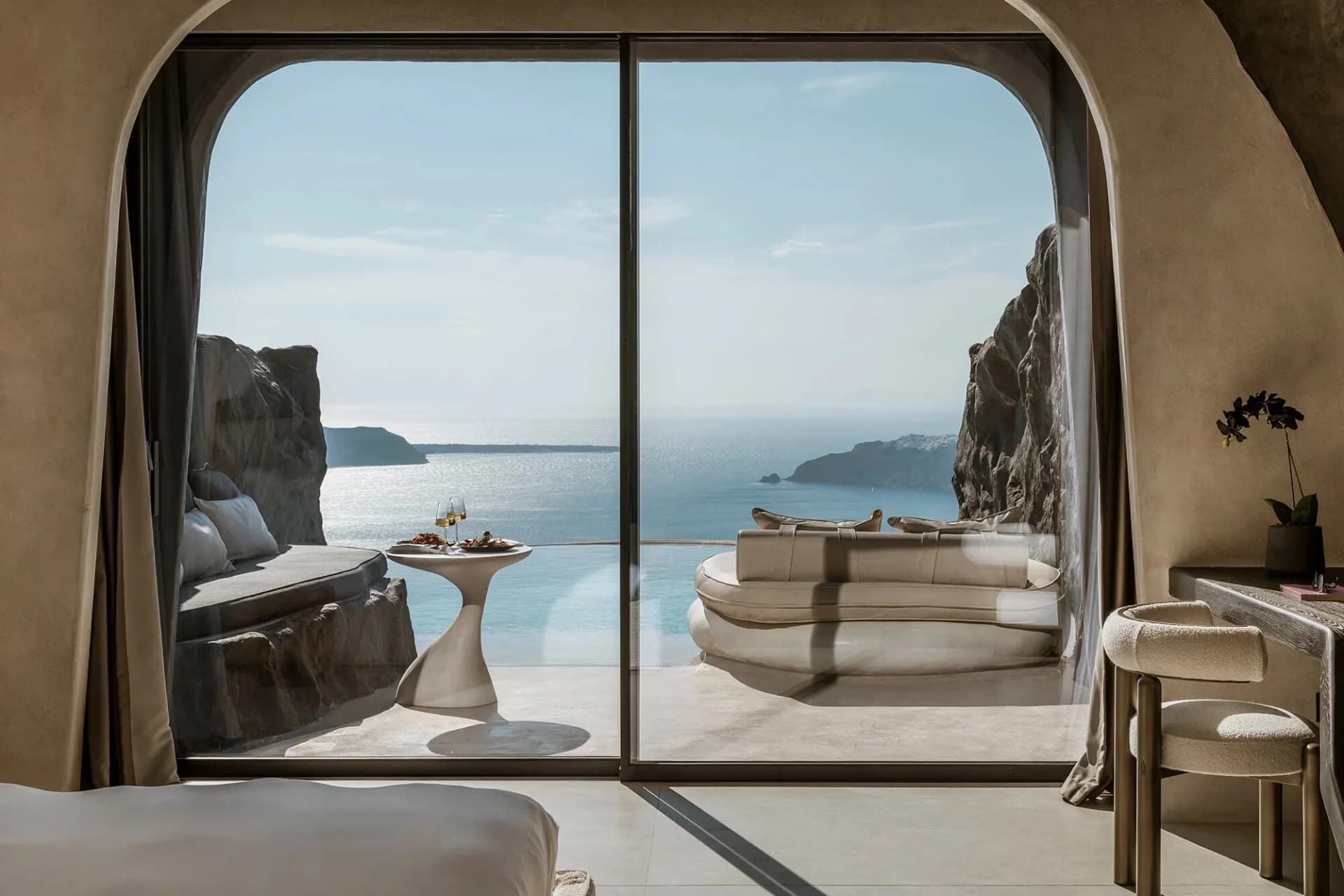
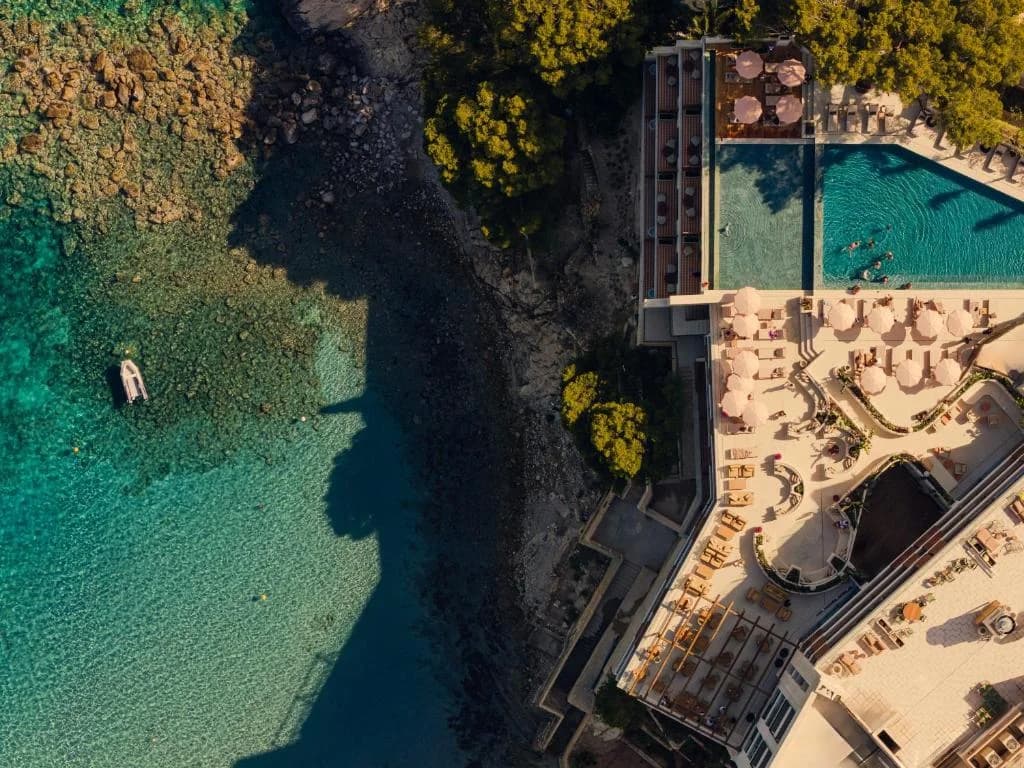
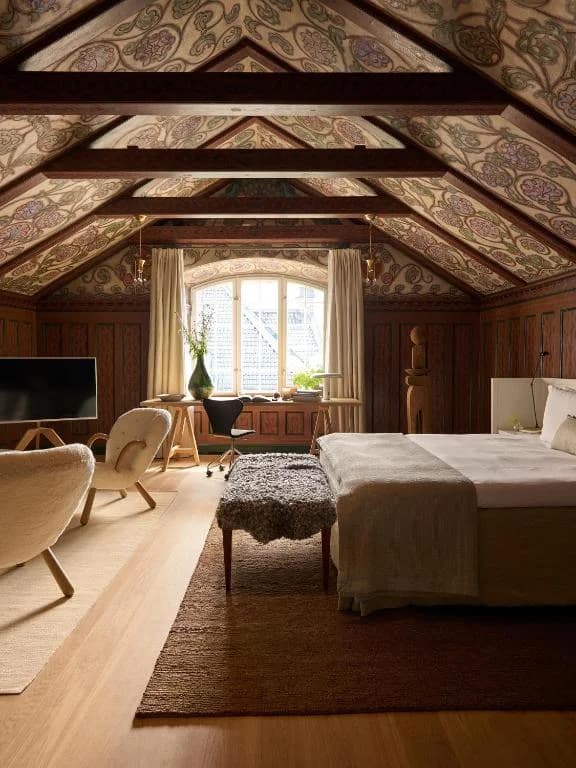
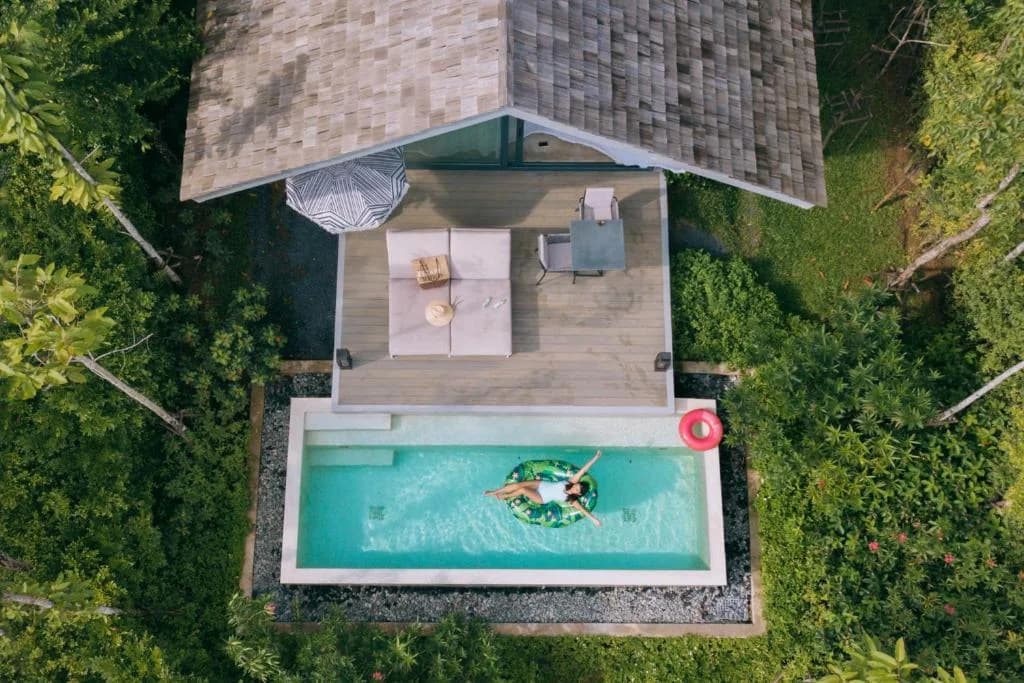
At the highest tier, suites in Aruba typically offer private plunge pools or direct beach access, floor-to-ceiling ocean views, and butler service. The architectural language of premium suites on the island increasingly favours clean, contemporary interiors over the heavily tropical aesthetic that defines older Caribbean resort design. Locally sourced stone, natural ventilation strategies, and a palette drawn from the island's geological landscape are markers of the more considered properties.
Aruba does not operate a formal national classification equivalent to France's Palace designation, but international hotel groups have applied their own internal suite tier systems rigorously on the island. Independent travelers navigating the market without curation will find significant variation in what is marketed as a luxury suite versus what delivers the spatial and service standards the category implies.
How to choose the best suite in Aruba: practical considerations
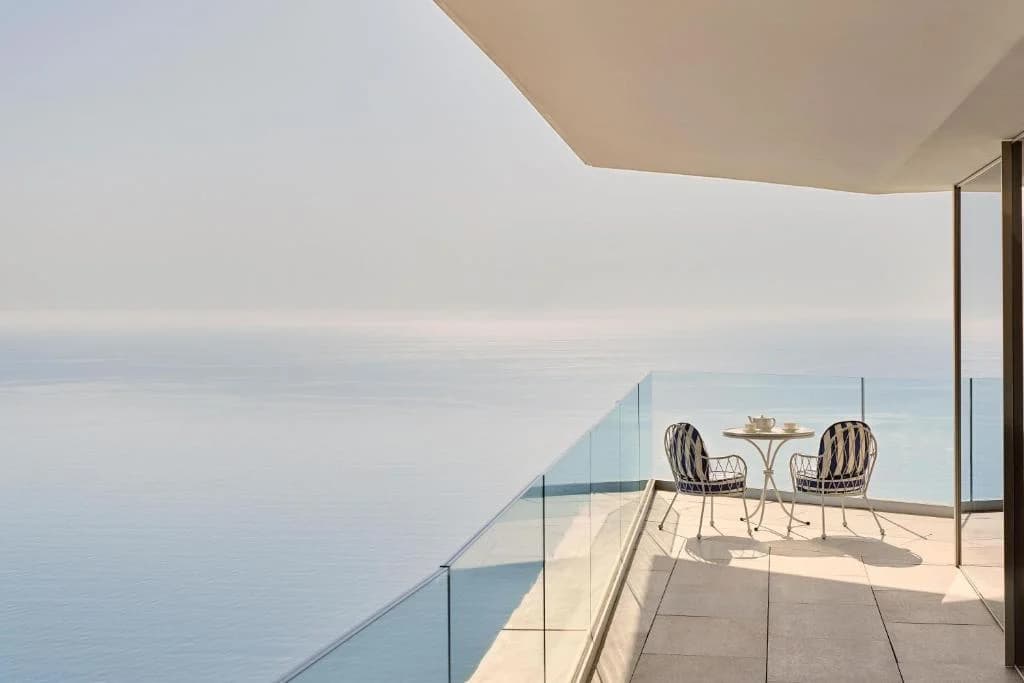
The primary variable in Aruba suite selection is orientation. West-facing suites capture the island's extraordinary sunset light across the Caribbean Sea, a daily sensory event that compounds significantly over a multi-night stay. North-facing rooms receive stronger trade wind exposure, which some guests find energising and others find disruptive for sleep or outdoor terrace use.
Floor level matters more in Aruba than in many destinations. The island's flat topography means that upper-floor suites deliver unobstructed ocean sightlines, while ground-level suites, even those with private pools, require careful assessment of surrounding landscaping and neighbouring traffic.
Travelers with a strong architectural preference should examine whether a property's suite inventory occupies the original structure or a later addition. Several of Aruba's established resorts have expanded over decades, and suite quality can vary considerably within the same property depending on construction phase.
For families, the question of suite layout is practical: connecting room availability, kitchen or kitchenette facilities, and proximity to beach access points are factors worth confirming before arrival. Aruba's family-oriented resort culture means these configurations are more available here than in some comparable Caribbean markets.
Why a curated selection by La Suite matters in Aruba
Aruba's hotel market has grown considerably over the past two decades, and the range of properties using luxury positioning in their marketing has grown proportionally. For a traveler arriving without prior knowledge of the island, the gap between what is presented and what is delivered can be significant. Suite categories that appear premium in imagery frequently underperform on space, privacy, or service once experienced directly.
La Suite applies a consistent editorial standard across every property in its selection, evaluating suite specifications against the actual expectations of travelers who choose this category deliberately. The island's best suites are not always the most visibly marketed. Some of the most considered experiences in Aruba sit within properties that exercise restraint in their public communications.
A curated selection by La Suite removes the friction of comparative research across dozens of properties and presents only those suites that meet the spatial, service, and experiential criteria that define the category at its highest level. For a destination like Aruba, where the luxury surface area is wide but the genuine depth is narrower, this filtering function has real value.